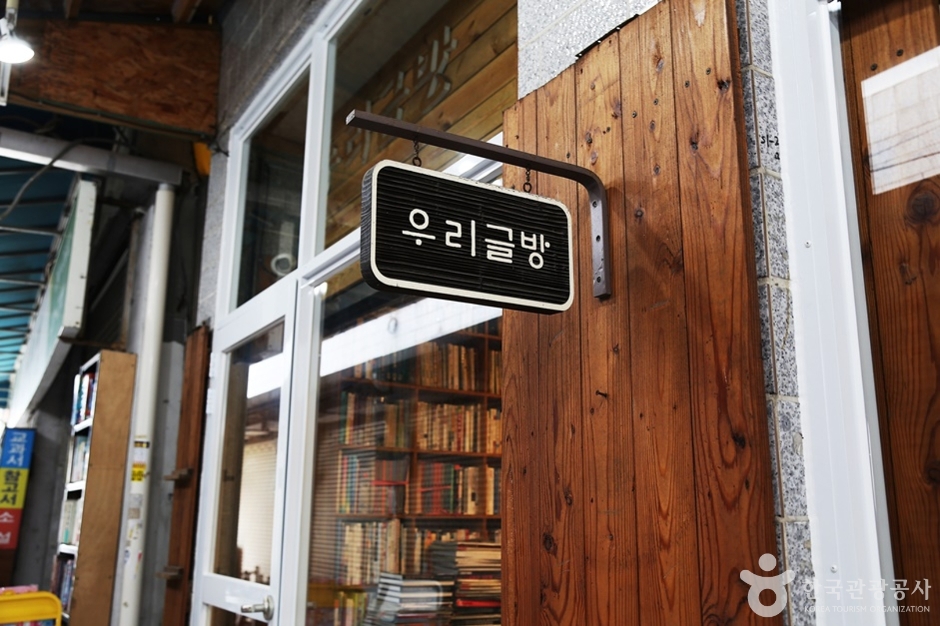
Urigeulbang (우리글방)
11.3Km 2024-02-13
63 Daecheong-ro, Jung-gu, Busan
Urigeulbang, a venerable bookstore located in the renowned Bosu-dong Book Street in Busan, is celebrated for its trade in used books. This bookstore doubles as a book café, allowing visitors the unique experience of reading from its extensive collection while enjoying a cup of coffee or other beverages, without the obligation to purchase a book. The owner, an enthusiastic collector of used books, has amassed a vast array of old and rare editions, making it a treasure trove for bibliophiles. Adjacent to Urigeulbang is the Bosu-dong Book Street Cultural Center, where visitors have the opportunity to delve into the rich history of this unique bookstore alley.

National Maritime Museum (국립해양박물관)
11.3Km 2023-01-10
45 Haeyang-ro 301beon-gil, Yeongdo-gu, Busan
+82-51-309-1900
The National Maritime Museum is a comprehensive venue offering exhibitions on maritime culture, history, ocean life, science, and more. The exterior of the museum was designed to resemble a water droplet and is the third largest museum in Korea. The museum holds over 14,000 historic items and relics that have witnessed history and are relevant to the future of ocean life. These are on display in eight permanent exhibition halls, a special exhibition hall, and a children's exhibition hall. The museum also has a library, aquarium, grand auditorium, outdoor performance stage, and a 4D theatre for a multi-cultural experience.
Gukje Market (국제시장)
11.4Km 2025-10-23
Area of Sinchang-ro 4-ga, Jung-gu, Busan
+82-51-245-7389
The current marketplace of Gukje Market first formed after the liberation of Korea from the Japanese administration when people gathered to trade overseas products left by the Japanese and brought in by Koreans who came back from abroad. Following the Korean War, refugees who fled to Busan set up stalls in order to make a living by selling smuggled or imported products, which developed into Gukje Market (gukje meaning "international" in Korean) of today. Gukje Market is one of Korea’s largest markets and a testament to Korea's modern history. The market is divided into two wings, and first-timers to the market are advised to be careful not to get lost in the maze-like alleys and halls.
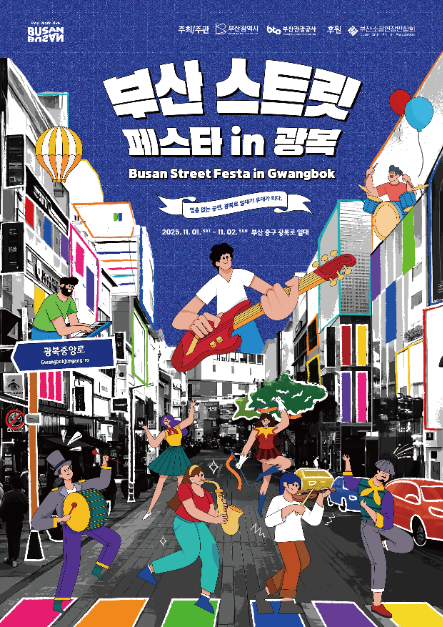
Busan Street Festa in Gwangbok (부산 스트릿 페스타 인 광복)
11.4Km 2025-11-05
72-1 Gwangbok-ro, Jung-gu, Busan
+82-70-4808-2875
The Busan Street Festa in Gwangbok transforms everyday urban spaces into a festival stage through various programs such as music, dance, performance shows, local flea markets, and parades that unfold throughout the streets.
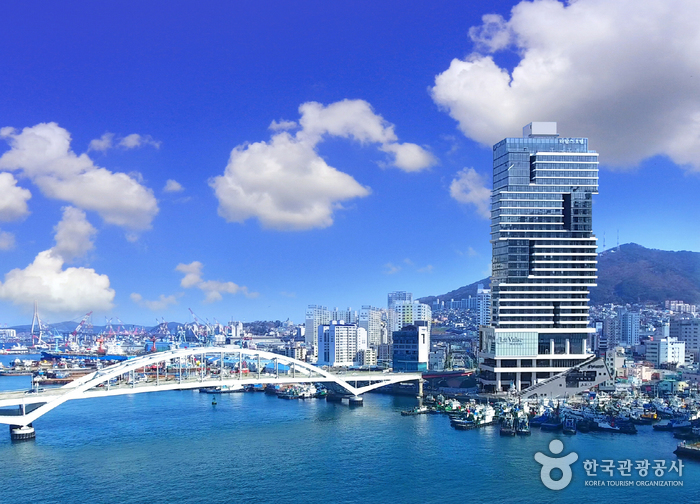
La Valse Hotel Busan (라발스호텔)
11.4Km 2024-12-22
82 , Bongnaenaru-ro, Yeongdo-gu, Busan
+82-51-790-1500
The 29 storey La Valse Hotel in Yeongdo-gu, Busan, offers a variety of rooms, most of which have a fine view of the Sea. The Standard Terrace Ocean Rooms have a terrace as well as a bathtub, and the Corner Double City and Double Ocean Rooms have a window glass wall and an ocean vista. At the 28th floor Sky Cafe and Pub guests can even enjoy their breakfast with a sea view. Nampo Subway Station and Kkanggangi Art Village are 10 minutes away on foot, and Jagalchi Market and the Songdo Marine Cable Car are 10 minutes away by car.
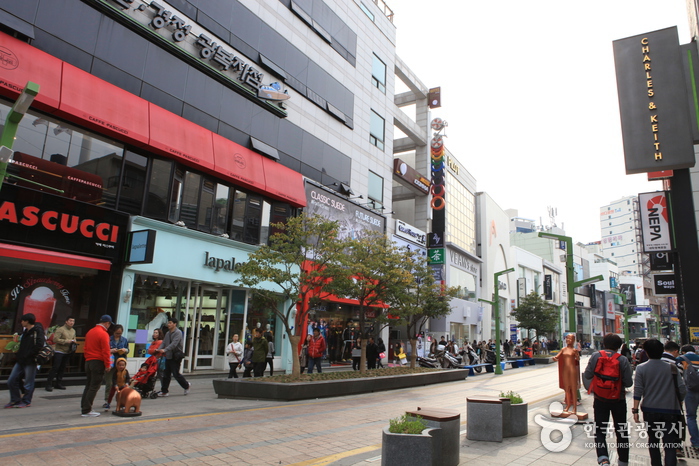
Gwangbok-dong Cultural & Fashion Street (광복로문화패션거리)
11.4Km 2024-03-06
Gwangbok-ro, Jung-gu, Busan
+82-51-253-8253
Gwangbok-dong Cultural & Fashion Street is about 600 m long from the entrance to Gukje Market. The street has historically featured many clothing shops, and it is quite crowded at night or on weekends. Every December, the area also hosts the Busan Christmas Tree Cultural Festival, which turns the street into a pedestrian-only area. There are plenty of good restaurants in the area, which is a great place to feel the vitality and energy of Busan’s youth.
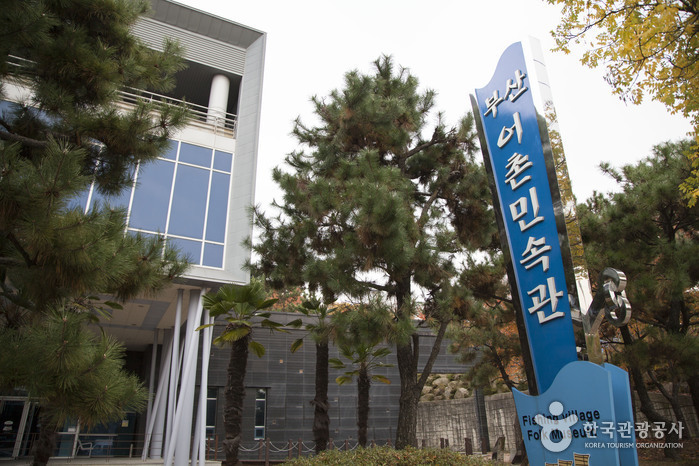
Busan Fishing Village Folk Museum (부산어촌민속관)
11.4Km 2022-12-29
128, Haksa-ro, Buk-gu, Busan
+82-51-363-3333
Opened on February 23, 2007 as a branch museum of Busan Marine Natural History Museum, Busan Fishing Village Folk Museum displays cultural artifacts and materials related to the tradition, history and folklore of Busan's fishing culture and development. Designed with the theme of "Fishing Village Trip from the River to the Sea," the exhibition halls are divided into Nakdonggang River Fishing Village Folk Hall and Busan Fishing Village Folk Hall.
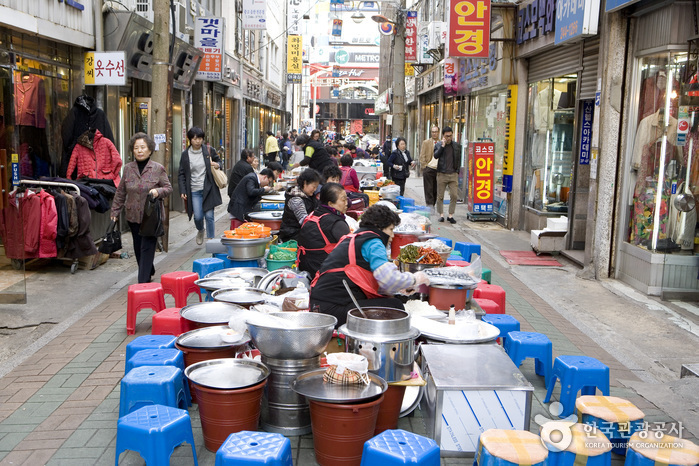
Gukje Market Food Street (국제시장 먹자골목)
11.4Km 2024-03-06
36, Junggu-ro, Jung-gu, Busan
+82-51-245-7389
Gukje Market Food Street has more than 60 years of history as one of Busan's traditional markets' most famous food streets. It is known for a number of dishes, such as Chungmu gimbap served with sweet and sour squid salad, sweet-and-spicy tteokbokki, milmyeon (wheat noodles), dwaeji gukbap (pork and rice soup), sundae, patbingsu (shaved ice with red beans), and Busan’s iconic bibim dangmyeon (spicy glass noodles). These dishes are enjoyed on small stools next to the street stalls. The sight of the diners lining the stall is one of the defining views of traditional markets in Korea. Visitors can also find suitable clothing, shoes, and accessories here.
Yangsanjip (양산집)
11.4Km 2024-12-26
부산광역시 중구 중구로47번길 30
A long-standing dwaeji gukbap restaurant beloved by both vendors and visitors of the Kkangtong Market. The restaurant is small, so it’s often necessary to wait for a seat. Despite this, it remains popular among regulars, who are more than willing to wait. The popular menu item is the suyuk baekban (boiled pork slices set menu), which includes soup, rice, and separately served boiled pork.
Samsong Chobap (삼송초밥)
11.5Km 2025-01-23
13 Gwangbok-ro 55beon-gil, Jung-gu, Busan
This is a Japanese restaurant that began in the early 1960s in Nampo-dong. While it is well-known for its Japanese-style gimbap called “gimchobap,” regular patrons consistently order its pufferfish dishes. The bokjiri (malgeuntang) is noted for its rich flavor, achieved by combining seasonal vegetables and pufferfish. The boksashimi (sliced raw pufferfish) menu offers a variety of options, including outer skin, inner skin, and shabu-shabu.
 English
 한국어
한국어 日本語
日本語 中文(简体)
 Deutsch
 Français
 Español
 Русский


