
Samseonggung (삼성궁)
.0M 2024-02-21
86-15 Samseonggung-gil, Cheongam-myeon, Hadong-gun, Gyeongsangnam-do
Samseonggung is a Taoist shrine located at 850 meters above sea level on Jirisan Mountain. It serves as a spiritual hub for practicing Sinseondo, embodying traditional Korean culture. In 1983, Kang Min-ju (Taoist Priest Hanpul), along with his disciples, restored the sodo, a sacred altar from the Gojoseon period. This shrine stands as a revered sanctuary, honoring the primal ancestors of the Korean people: Hwanin (Lord of Heaven), Hwanung (Supreme Divine Regent), and Dangun (legendary founder of Gojoseon).
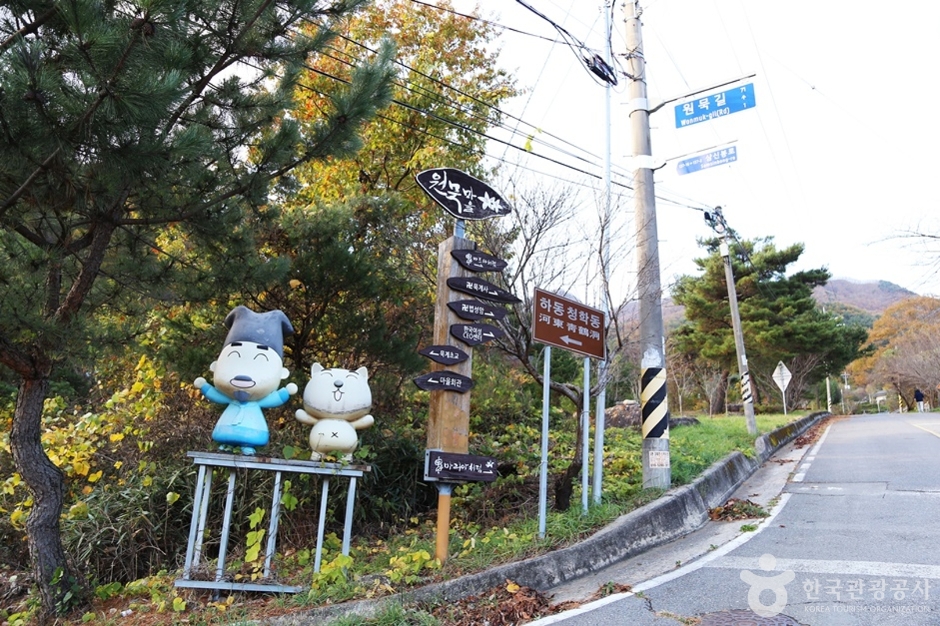
Cheonghak-dong Etiquette School Seonbi Seodang (청학동예절학교 선비서당)
3.0Km 2024-03-04
60-10 Wonmuk-gil, Cheongam-myeon, Hadong-gun, Gyeongsangnam-do
Cheonghak-dong, located at the foot of the ridge facing Hadong on Jirisan Mountain, is a village inhabited by 200 residents from thirty families. It hosts several seodangs (village schools), among which Seonbi Seodang stands out for its educational programs focusing on etiquette, character development, and Chinese characters. Additionally, the village offers a variety of experience programs, including traditional culture, farming activities, and perseverance training.
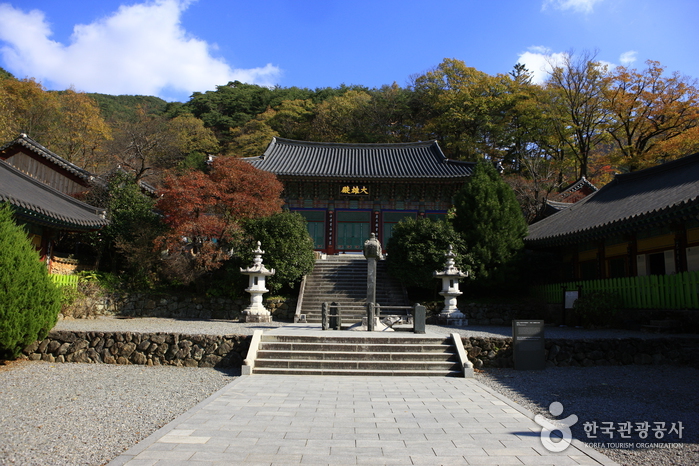
Hadong Ssanggyesa Temple (쌍계사(하동))
3.6Km 2024-03-08
59 Ssanggyesa-gil, Hadong-gun, Gyeongsangnam-do
Ssanggyesa Temple was founded on the southern foothills of Jirisan Mountain in 722 during the reign of Silla King Seongdeok. The temple is famous for the 6-kilometer stretch of cherry blossom trees that bloom each spring. The temple was originally called Okcheonsa Temple, but was changed to the current Ssanggyesa Temple in 887. The current temple buildings were all built in 1632, after having been burned down during the Imjin War (1592-1598). The temple grounds and nearby area feature many historic and beautiful attractions, including Burilpokpo Falls and a large tea plantation.
Burilpokpo Falls (불일폭포)
4.6Km 2024-02-08
103 Mogap-gil, Hwagae-myeon, Hadong-gun, Gyeongsangnam-do
Situated 720 meters above sea level, Burilpokpo Falls stands as the tallest waterfall on Jirisan Mountain, boasting a x_height of 60 meters and a x_width of 3 meters. It features a distinctive two-tier structure, with the enchanting Yongchumot and Hangmot Ponds nestled below, adding to its profound natural allure. Conveniently located just 3 kilometers from Ssanggyesa Temple, it's an ideal spot to visit following a trip to the temple.
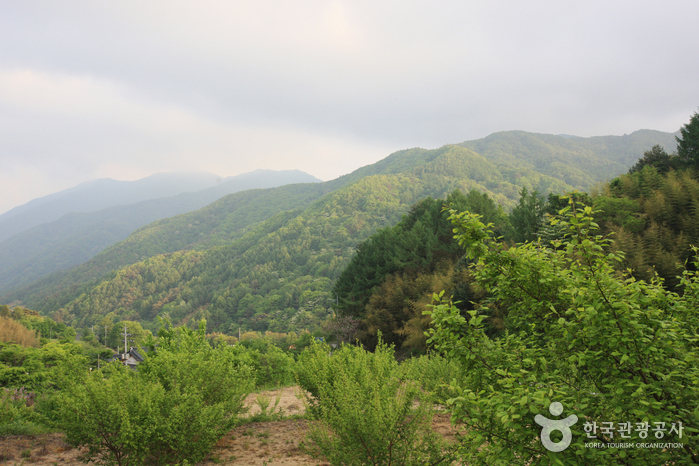
Jirisan National Park (Hadong Section) (지리산국립공원(하동))
4.9Km 2021-06-24
Hwagae-ro, Hadong-gun, Gyeongsangnam-do
Designated as the first national park in Korea on December 29, 1967, Jirisan National Park stretches out over 483.022 square kilometers, making it the largest national park among all 22 national parks. It covers Korea’s three southernmost provinces; Gyeongsangnam-do, Jeollanam-do, and Jeollabuk-do, one city, four counties, and 15 districts of eup and myeon. The area in Gyeongsangnam-do has many temples including Ssanggyesa Temple and Chilbulsa Temple, as well as valleys, falls, and other tourism resources.
Dosimdawon (도심다원)
5.3Km 2025-10-23
51-2 Sinchondosim-gil, Hadong-gun, Gyeongsangnam-do
Hadong's tea fields, which are known as the thousand-year-old tea fields, are characterized by being wild rather than cultivated. Among the many tea gardens in Hadong, the one with the most beautiful and peaceful scenery is Dosimdawon. In “House on Wheels,” actor and singer Yim Si-wan and Girls' Generation Yoona sat in a pavilion and sipped green tea while looking out at the green tea fields stretched out below. Tea utensils and tea leaves in a picnic basket are available for rent so that you can brew your own tea.
Hadong Tea Museum (하동야생차박물관)
5.4Km 2022-08-05
571-25, Ssanggye-ro, Hadong-gun, Gyeongsangnam-do
The Hadong Tea Museum is located at the foot of Jirisan Mountain in Hadong, Gyeongsangnam-do. It aims to promote the tea culture of the area, the first tea producer in the nation, while advertising the quality and superiority of Hadong green tea. The center is located adjacent to the tea farming area and Ssanggyesa Temple, one of the most famous tourist attractions in Korea.
The museum features an exhibition hall explaining the history and culture associated with Korean tea, and an experience hall where visitors can enjoy hands-on programs like making tea and learning traditional tea etiquette, as well as a shop selling high-quality tea produced in the region. Every year, the museum also hosts the Hadong Wild Tea & Culture Festival every year.
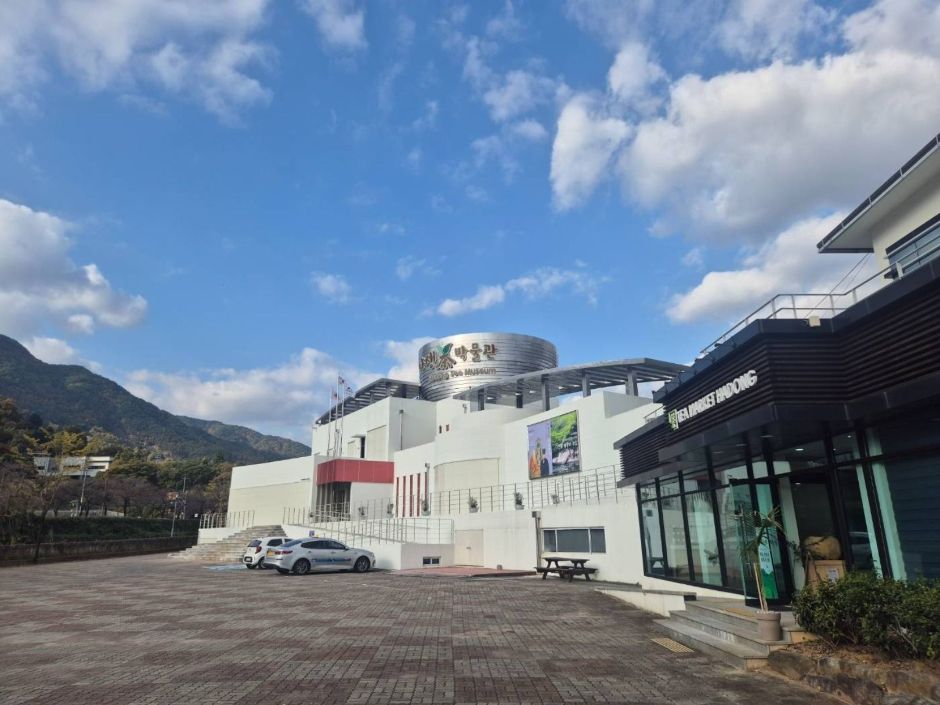
Hadong Tea Cultural Center (하동야생차문화센터)
5.4Km 2025-10-23
571-25, Ssanggye-ro, Hwagae-myeon, Hadong-gun, Gyeongsangnam-do
The Experience Hall of the Hadong Tea Museum is located in Unsu-ri, Hwagae-myeon, Hadong-gun, Gyeongsangnam-do. This annex of the museum is dedicated to hands-on programs. Main programs include a tea ceremony, a tea snack session (three-colored, sesame, and bean varieties), green tea seed accessory making, tea-leaf dyeing, make-your-own matcha class, tea-leaf picking, tea roasting, and a Doncha (compressed tea) experience.
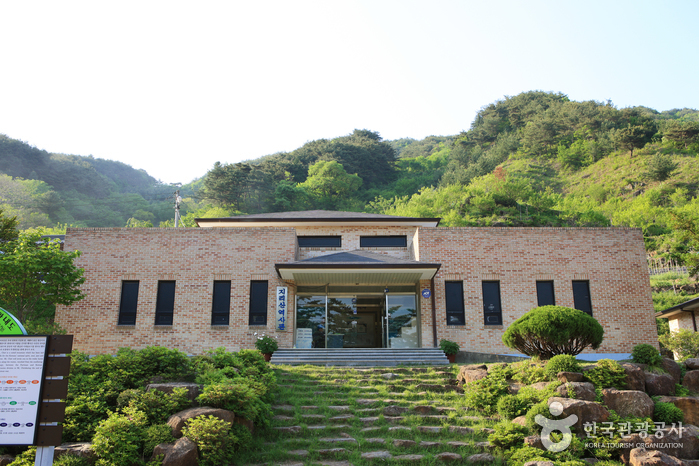
Jirisan History Museum (지리산역사관)
7.3Km 2021-06-15
1438, Hwagae-ro, Hadong-gun, Gyeongsangnam-do
Jirisan History Museum is located within Jirisan National Park at the start of the hiking course to Byeoksoryeong Pass. Rather a small museum, it provides detailed information about the history of North Korean partisans and the routes that they took throughout the mountain during the Korean War. The museum also exhibits the war relics, lifestyle of the mountain villagers and local produce of Hadong.
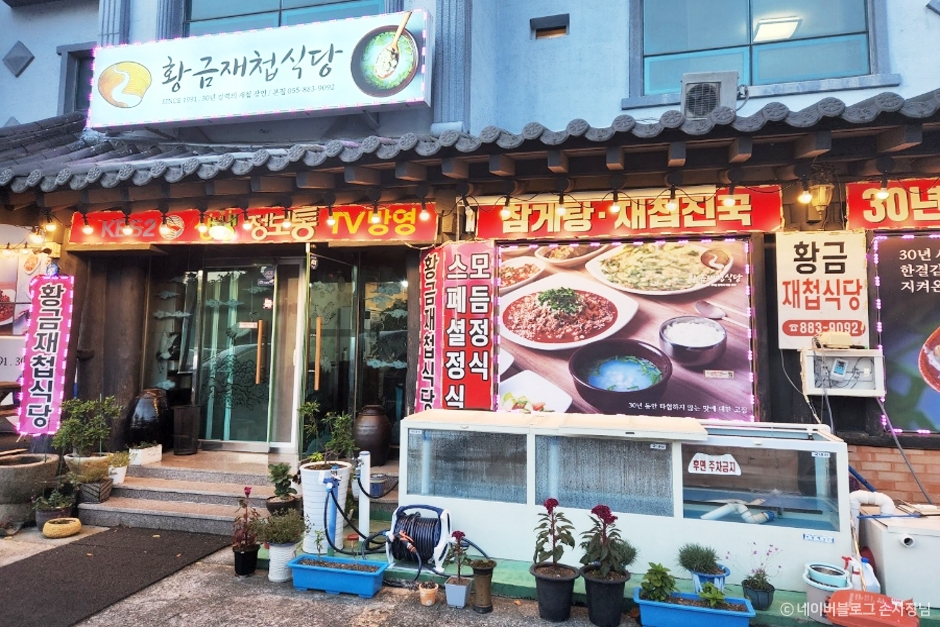
Hwanggeum Jaecheop Sikdang (황금재첩식당)
9.2Km 2025-04-22
3915 Seomjingang-daero, Hwagae-myeon, Hadong-gun, Gyeongsangnam-do
This jaecheop (Freshwater Marsh Clam) restaurant overlooks the Seomjingang River. Its signature menu is the Jaecheop Special Jeongsik (freshwater marsh clam special set menu), a sumptuous table with freshwater marsh clam and hairy crab caught from the Seomjingang River. The food here is particularly fresh as all ingredients are prepared on the morning of the day. It is also quite close to Hwagae Market, Simni (10-ri) Cherry Blossom Road, and other famous springtime tourist sites in Hadong, so you don’t have to head to the center of the township.
 English
 한국어
한국어 日本語
日本語 中文(简体)
 Deutsch
 Français
 Español
 Русский


