
Olive Young - STARCITY MALL Branch [Tax Refund Shop] (올리브영 스타시티)
4.9Km 2024-04-18
262, Achasan-ro, Gwangjin-gu, Seoul
-
![Artbox - Konkuk Univ. Starcity Branch [Tax Refund Shop] (아트박스건대스타시티점)](http://tong.visitkorea.or.kr/cms/resource/13/2878813_image2_1.jpg)
Artbox - Konkuk Univ. Starcity Branch [Tax Refund Shop] (아트박스건대스타시티점)
4.9Km 2024-06-27
262, Achasan-ro, Gwangjin-gu, Seoul
-
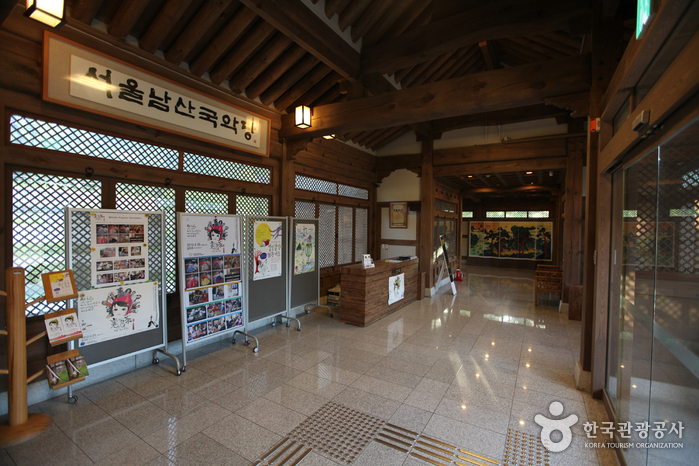
Seoul Namsan Gugakdang (서울 남산국악당)
4.9Km 2021-08-02
28, Toegye-ro 34-gil, Jung-gu, Seoul
+82-2-2261-0500
Seoul Namsan Gukakdang was established by Seoul Metropolitan Government as a representative traditional art-centered performance hall in 2007. It is comprised of one ground and two basement levels. The performance hall is located on the basement floor with 300 seats, equipped with facilities that deliver pansori sounds and gayageum music to every seat. Visitors can make a reservation at the Namsangol Hanok Village website.
![Olive Young - Konkuk Univ. Branch [Tax Refund Shop] (올리브영 건대입구)](http://tong.visitkorea.or.kr/cms/resource/07/2878807_image2_1.jpg)
Olive Young - Konkuk Univ. Branch [Tax Refund Shop] (올리브영 건대입구)
4.9Km 2024-04-22
115, Dongil-ro 22-gil, Gwangjin-gu, Seoul
-
![Mont-Bell - Yongsan Branch [Tax Refund Shop] (몽벨 용산점)](http://tong.visitkorea.or.kr/cms/resource/65/2890565_image2_1.jpg)
Mont-Bell - Yongsan Branch [Tax Refund Shop] (몽벨 용산점)
4.9Km 2024-04-18
92, Hangang-daero, Yongsan-gu, Seoul
-
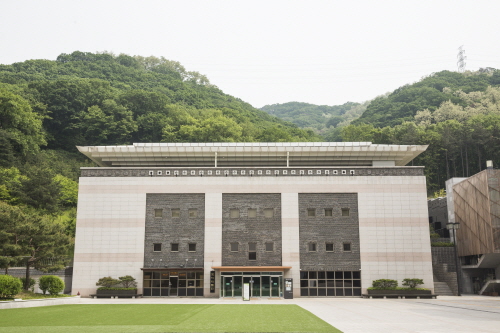
National Gugak Museum (국립국악박물관)
4.9Km 2021-08-13
2364, Nambusunhwan-ro, Seocho-gu, Seoul
+82-2-580-3130
The National Gugak Museum opened on February 23, 1995 as the first gugak museum in Korea, featuring approximately 6,000 pieces of gugak-related materials and relics which have both historical and cultural value. It is comprised of seven themed permanent exhibition halls that present 250 pieces of audio and video clips regarding gugak. In the 3D room, visitors can enjoy 3D animation at all times. The museum also hosts special exhibitions in unique and interesting themes.
National Gugak Center (국립국악원)
4.9Km 2025-01-17
2364 Nambusunhwan-ro, Seocho-gu, Seoul
The National Gugak Center is the governing body established to preserve and promote traditional Korean performing arts. The center can accommodate every type of traditional performing arts, such as palace music, court music, and all other genres including major productions of changgeuk (Korean musical drama). Originally opened in Busan in 1951, the center moved to its current location in Seoul in 1987. The center also opened branch locations in Namwon, Jindo, and Busan in 1992, 2004, and 2008 respectively.
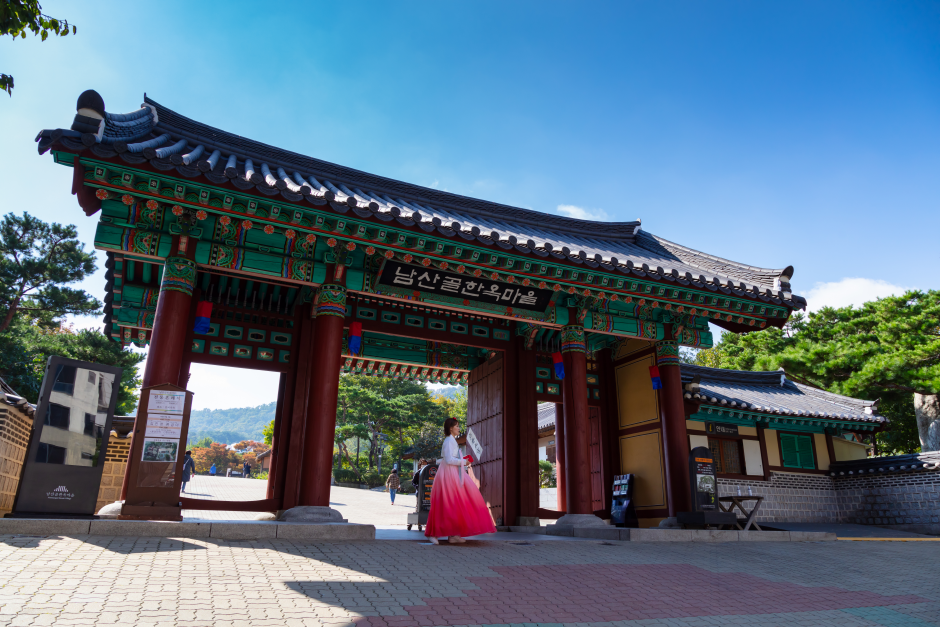
Namsangol Hanok Village (남산골한옥마을)
4.9Km 2025-07-14
28 Toegye-ro 34-gil, Jung-gu, Seoul
Namsangol Hanok Village opened in 1998 on the northern side of Namsan Mountain in the center of the capital. This village has five restored hanok (traditional Korean house) premises, a pavilion, a traditional garden, a performance art stage, and a time capsule plaza, making it a perfect spot for locals and tourists to take a leisure walk. Upon entering from the front gate, visitors will get a taste of Korea's traditional life while escaping from bustling city life. The traditional garden with its pavilion and old houses creates a peaceful ambiance before the forested Namsan Mountain. A time capsule commemorating Seoul’s 600th anniversary was buried in 1994 at the highest point of the village and is scheduled to be reopened 400 years later in 2394.
The five hanok premises at Namsangol Hanok Village once belonged to aristocrats and government officials of the Joseon dynasty. Each house was originally located in a different neighborhood, but they were all moved to this area and restored to their original form. The houses were rebuilt using their original materials, except for one house, where the materials were too old and deteriorated to be reused. The premises were carefully restored and replicated according to their original form to depict the owners’ social class and personality. These buildings are now used as an exhibit to portray the living environment during the Joseon dynasty and as a venue for educational and cultural programs for children and tourists.
Some of the unique programs and activities to participate in include wearing hanbok, folding hanji (traditional Korean paper), writing in Korean, traditional tea ceremony, traditional etiquette school, and herbal medicine experience. There are also taekwondo demonstrations and other various performances held around the village. Visitors can also try traditional games such as yunnori (traditional board game), or understand more about the area through a guided tour.
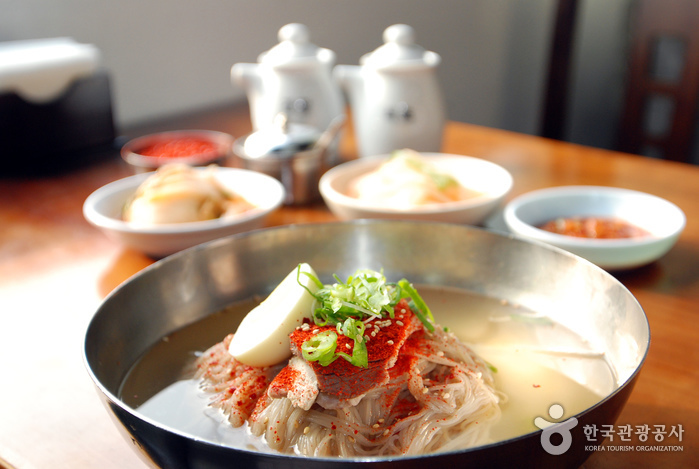
Pildong Myeonok (필동면옥)
4.9Km 2024-03-07
26, Seoae-ro, Jung-gu, Seoul
+82-2-2266-2611
Pildong Myeonok specializes in authentic pyeongyang naengmyeon (pyeongyang cold buckwheat noodles). Their signature dish is Pyeongyang naengmyeon (Pyeongyang cold buckwheat noodles), which has a light and refreshing broth and chewy noodles. Mandu and Mandut guk (Mandu soup) are also popular dishes to go with it. Having been selected for the Michelin Guide Seoul 2023, this restaurant is a favorite among locals and tourists alike for its flavorful noodles.
 English
 한국어
한국어 日本語
日本語 中文(简体)
 Deutsch
 Français
 Español
 Русский


