
Unhyeongung Royal Residence (서울 운현궁)
751.5M 2024-03-04
464, Samil-daero, Jongno-gu, Seoul
+82-2-766-9090
Located near the Gyeongbokgung Palace, Unhyeongung Palace was a residence of royalty in Joseon period. It was the place where Gojong (1582-1919, reign 1864-1907), king of Joseon (1392-1897) and emperor of the Korean Empire (1897-1910), was born in, as well as the place where Heungseon Daewongun (1821-1898), his father, had resided in. Buildings include Noandang Hall, Norakdang Hall, and Irodang Hall. The Royal Residence offers programs like traditional weddings and traditional culture experiences, while the exhibition hall showcases Joseon-era artifacts.

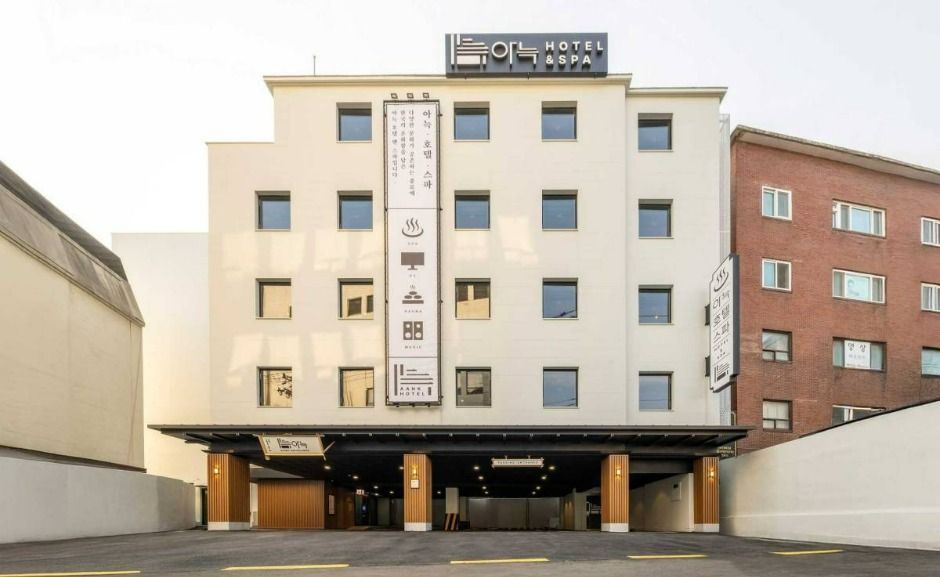
Aank Hotel & Spa Jongno Unni Branch (아늑호텔 앤 스파 종로운니점)
755.4M 2025-04-24
89 Donhwamun-ro 11ga-gil, Jongno-gu, Seoul
Aank Hotel & Spa Jongno Unni Branch embodies the warmth and charms of Korea. Guests are welcome to unwind with diverse room options to choose from such as the msuic room, signature spa room, desktop 2-PC room, and standard room. It's location in the heart of Seoul makes it a great place for tourists as well as well.
Jogyesa Temple (조계사(서울))
764.4M 2024-10-25
55 Ujeongguk-ro, Jongno-gu, Seoul
As the main temple as well as the district head temple of the Jogye order in Seoul, Jogyesa Temple is the center of Korean Buddhism. The temple was built in the late 14th century during the Goryeo period but was completely destroyed in a fire. It was rebuilt under the name of Gakwangsa Temple in 1910 with the effort of many respectful monks, namely Han Yong-un and Lee Hee-gwang. The temple was given a role as the head temple of Korea’s Buddhism and renamed to Tegosa Temple in 1936. In 1954, a purification drive took place to eliminate Japanese influence and revive traditional Buddhism, which established the present day Jogyesa Temple as a result.
Jogyesa Temple plays an important role in Korean Buddhism as the head temple of the Jogye order. Jogyesa Temple’s Dharma Hall serves as the main venue for several Buddhist events, holding rituals, lectures, ceremonies, and other events all year long. The annual lantern festival in celebration of Buddha's birthday also takes place at this temple.
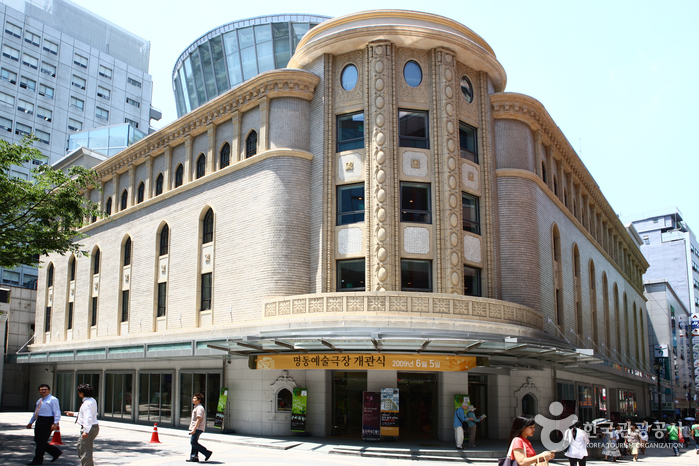
Myeongdong Theater (명동예술극장)
768.7M 2021-06-09
35, Myeongdong-gil, Jung-gu, Seoul
+82-1644-2003
Myeongdong Theater is an exclusive theatrical performance center, located in what was originally the National Theater of Korea. From 1934 to 1973, the National Theater of Korea pioneered Korean arts and culture, serving as a movie theater, performance hall and art theater. Though it closed its doors in 1975, it was reopened on June 5, 2009 after 3 years of renovation under the name of Myeongdong Theater. The exterior of the theater was left untouched, while the interior was completely updated for a modern design. The theater has a mid-sized performance hall with state-of-the-art stage equipment and a seating capacity of 588 seats. The close proximity of the seats and the stage offers great views as well as allows the audience to share the passion of the performers on stage. The theater presents a range of performances such as theatrical plays, experimental plays, non-verbal performances, and musicals. In addition, the place is a popular venue for diverse events like acting contests, theater festivals and performance festivals.
![Saeki P&C [Tax Refund Shop] (세기피앤씨)](http://tong.visitkorea.or.kr/cms/resource/68/2878668_image2_1.jpg)
High - Anguk Branch [Tax Refund Shop] (하이엔드코리아 안국)
769.9M 2024-04-17
1F, 62-5, Insadong-gil, Jongno-gu, Seoul
-
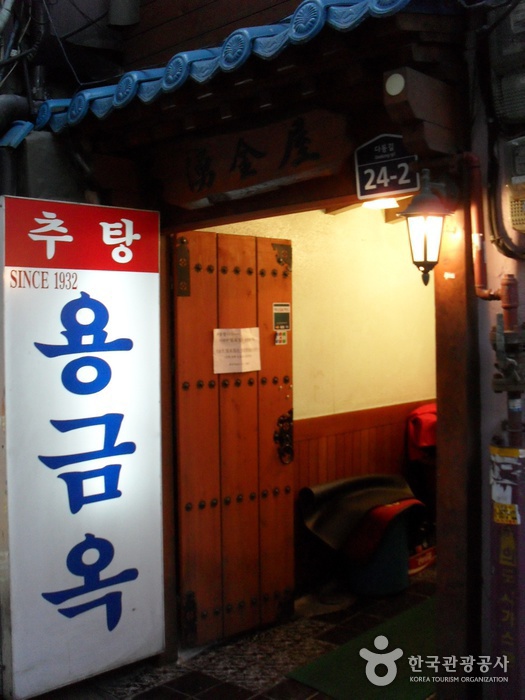
Yonggeumok (용금옥)
770.5M 2024-03-13
24-2, Dadong-gil, Jung-gu, Seoul
+82-2-777-1689
Established in 1932, Yonggeumok specializes in Seoul-style chutang (loach soup), renowned for using whole loach in its preparation. This method distinguishes it from the more commonly known Namwon-style chutang, which involves grinding the loach. At Yonggeumok, guests can savor the tender and savory texture of the loach flesh in their chutang, offering a unique and authentic dining experience.
![Toxnfill Clinic - Myeong-dong Branch [Tax Refund Shop] (톡스앤필의원 명동점)](http://tong.visitkorea.or.kr/cms/resource/51/3314551_image2_1.jpg)
Toxnfill Clinic - Myeong-dong Branch [Tax Refund Shop] (톡스앤필의원 명동점)
772.3M 2024-06-27
84, Namdaemun-ro, Jung-gu, Seoul
-
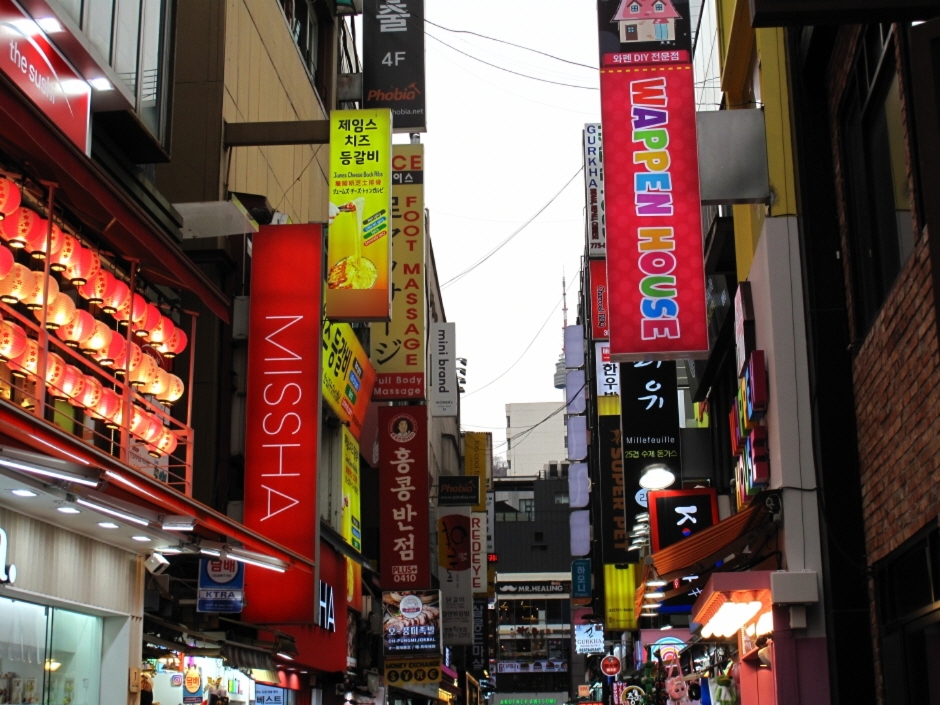
James Cheese Deunggalbi Myeongdong (제임스치즈등갈비 명동)
780.2M 2024-03-11
13, Myeongdong 10-gil, Jung-gu, Seoul
+82-2-318-0192
Situated on Myeongdong Street, James Cheese Deunggalbi specializes in deunggalbi (grilled pork galbi). The main dish here is grilled back ribs with cheese, which is characterized by the harmonious combination of Korean food and cheese. Served with bokkeum bap (fried rice) and gyeran jjim (steamed eggs) riceballs, the dish has a richer flavor with less spiciness. The best part is that customers can choose the amount of cheese and the spiciness of the dish, so they can personalize it to their liking.
 English
 한국어
한국어 日本語
日本語 中文(简体)
 Deutsch
 Français
 Español
 Русский


