
Chungmuro Jjukkumi Bulgogi (충무로 쭈꾸미 불고기)
816.9M 2024-03-11
11, Toegye-ro 31-gil, Jung-gu, Seoul
+82-2-2279-0803
Opened in 1976, Chungmuro Jjukkumi Bulgogi is Michelin-starred restaurant. Their signature dish is jjukkumi (webfoot octopus), which is marinated in hot seasoning using traditional know-how. Grilled over charcoal with pen shells, it offers a perfect dish. The spicy and sweet jjukkumi goes well with the bean sprout soup. When you're done eating, fry up some rice and enjoy a delicious meal.
Boram Optical [Tax Refund Shop] (보람안경)
816.2M 2024-06-26
25-3, Namdaemunsijang-gil, Jung-gu, Seoul
-
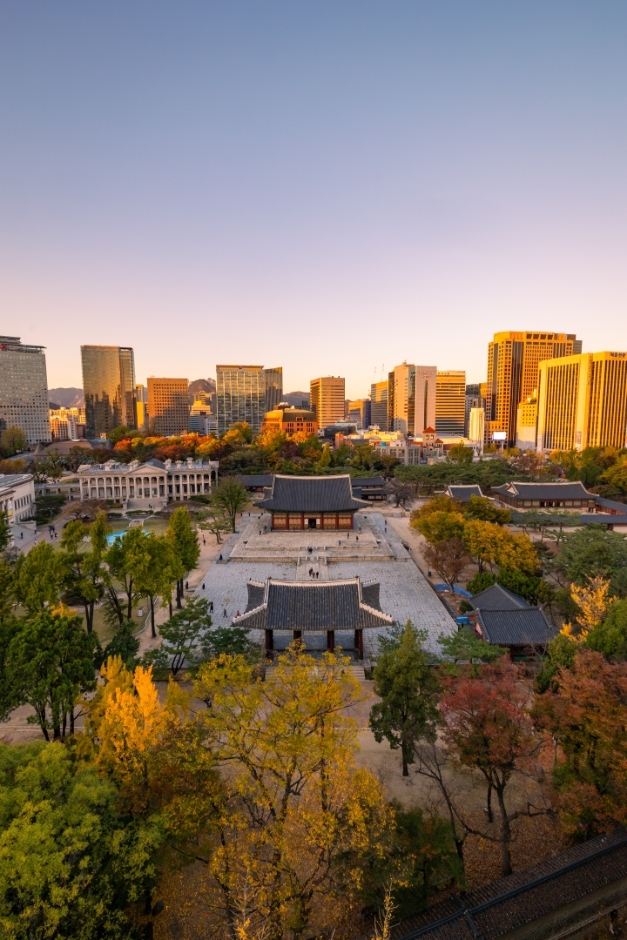
Deoksugung Palace (덕수궁)
823.5M 2025-06-25
99 Sejong-daero, Jung-gu, Seoul
Registered as a Historic Site, Deoksugung Palace was initially not a royal palace, but the residential home of Grand Prince Wolsan (1454-1488), the older brother of King Seongjong (1469-1494) of the Joseon dynasty. It wasn't until 1593 that the palace was used as a temporary palace of the royal family after their home was burned down during the Imjin War. King Seonjo also stayed at Deoksugung Palace after returning to the city. It became a proper palace when Gwanghaegun (1575-1641) ascended to the throne and gave this royal residence the name Gyeongungung Palace in 1611. Over the following decades, the palace alternated between being an official palace and a temporary residence. The name did not change officially to Deoksugung Palace, meaning the “palace of virtuous longevity,” until 1907. While the palace once encompassed a vast area with many buildings, the current palace grounds are just a small shadow of the prior splendor, with very few structures remaining.
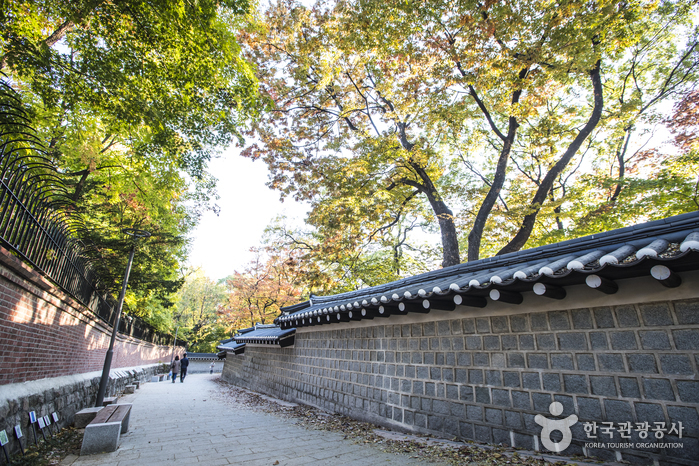
Deoksugung Stone Wall Path (덕수궁 돌담길)
825.9M 2025-01-10
24 Sejong-daero 19-gil, Jung-gu, Seoul
The Deoksugung Stone Wall Path runs along the wall of Deoksugung Palace. It is beautifully lit and landscaped, giving it a romantic atmosphere even at night. There are street performances and flea markets, and the area boasts many famous cafes and restaurants along Jeongdong street. In autumn, the ginkgo trees and walls form a stunning scene. Close to major cultural facilities such as the Seoul Museum of Art and Seoul Museum of History, it attracts numerous visitors come for a stroll.
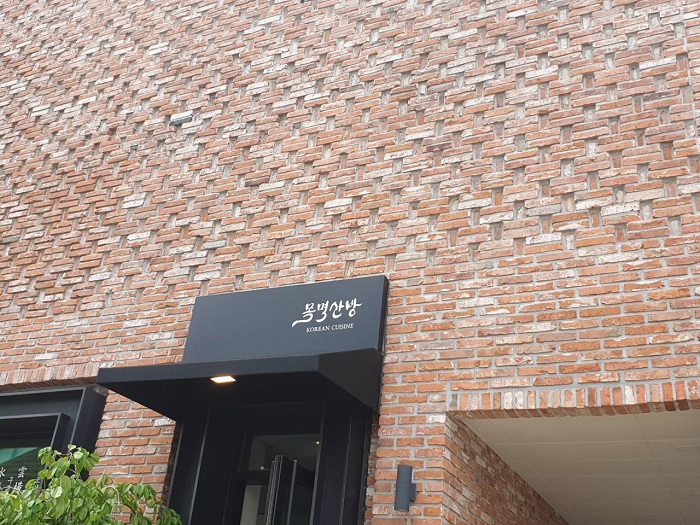
Mongmyeoksanbang (목멱산방)
827.8M 2024-03-07
71, Toegye-ro, 20-gil, Jung-gu, Seoul
+82-2-318-4790
Situated near Namsan Mountain, Mongmyeoksanbang specializes in bibimbap. Mongmyeok is the ancient name of Namsan Mountain. Bibimbap is a bowl of rice tossed with various vegetables, meat, sesame oil, and red chili paste, making it a nutritionally balanced dish. Their dishes are made with natural seasonings and seasonal herbs gathered from Jirisan Mountain. The soybean pasete and soy sauce are also handmade, and perilla oil and sesame oil are 99.9% natural, without artificial ingredients.
![National Museum of Modern and Contemporary Art, Deoksugung [MMCA Deoksugung] (국립현대미술관 덕수궁)](http://tong.visitkorea.or.kr/cms/resource/09/2991509_image2_1.jpg)
National Museum of Modern and Contemporary Art, Deoksugung [MMCA Deoksugung] (국립현대미술관 덕수궁)
831.0M 2023-06-23
99, Sejong-daero, Jung-gu, Seoul
+82-2-2022-0600
The National Museum of Modern and Contemporary Art, Deoksugung [MMCA Deoksugung] was originally built as an annex to the National Museum of Contemporary Art. The museum specializes in seeking out and researching modern art, exhibiting and preserving it, supporting and developing educational programs, and furthering publications and international exchanges. Located within Deoksugung Palace, the center maintains a unique traditional atmosphere. The museum planned and showcased a total of 38 unique exhibitions from 1998 to 2005. Besides the exhibitions, the center has various performances such as music and mime, as well as lectures or seminars on artists' works.
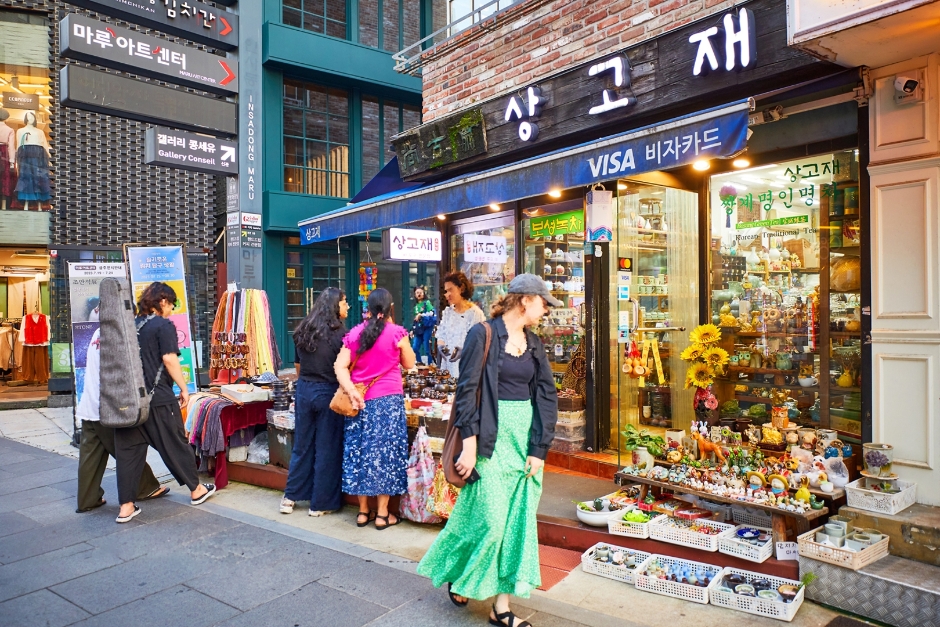
Insadong Cultural Street (인사동 문화의 거리)
831.4M 2023-12-26
Insa-dong, Jongno-gu, Seoul Metropolitan City
Insadong Cultural Street is a popular tourist destination for visitors from all around the world, thanks to its numerous art galleries, restaurants serving Korean table d’hote, traditional teahouses, and street vendors lining the streets. Its most recognizable feature is the use of Hangeul (Korean script) in storefronts, which allows the visitors to really see just what makes this place so special. Unlike the nearby Ikseon-dong Hanok Street, Insadong Cultural Street has larger streets with wider stores, so it is much easier to traverse. On evenings and weekends, one can find buskers performing on the side of the road.
GS25 - Junggu Toegye Branch [Tax Refund Shop] (GS25중구퇴계점)
832.1M 2024-06-27
180, Toegye-ro, Jung-gu, Seoul
-
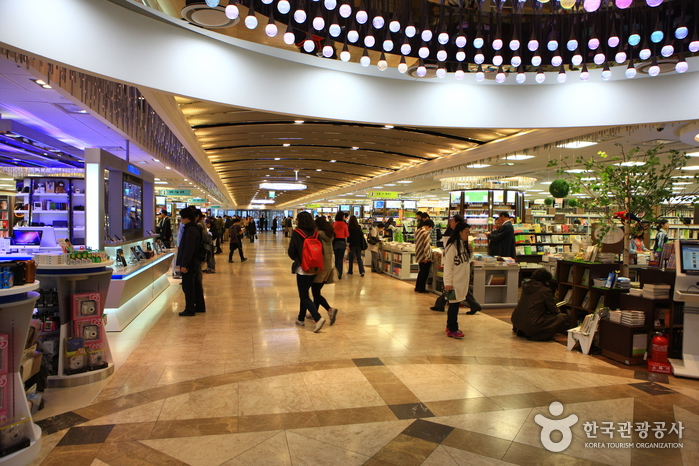
Kyobo Book Centre Gwanghwamun (교보문고)
834.5M 2024-12-04
1 Jong-ro, Jongno-gu, Seoul
02-3295-0312
Kyobo Book Centre is the first large-scale bookstore in Korea, and this particular store can be found next to Gwanghwamun Square. Kyobo Book Centre Gwanghwamun divides its internal area into 11 sections and organizes them in a way that allows readers to find books easily. The store also has specialized shops for stationery, digital devices, and accessories, as well as exhibition spaces and cafés.
Imun Seolnongtang (이문설농탕)
834.8M 2025-06-18
38-13 Ujeongguk-ro, Jongno-gu, Seoul
+82-2-733-6526
Imun Seolnongtang has been serving its hearty seolleongtang for over a hundred years since it first opened in 1907. Even its name has a long history: the word imun comes from Imun-gol, the now-obsolete name of the restaurant’s location, and seolnongtang, an old variation of the word seolleongtang. During the Japanese colonial rule, the restaurant’s regular customers included Gijeong Son, the marathon gold-medalist at the 1936 Berlin Olympics. The meal served at this restaurante is reputed to stay consistent from the Japanese colonial period.
 English
 한국어
한국어 日本語
日本語 中文(简体)
 Deutsch
 Français
 Español
 Русский


