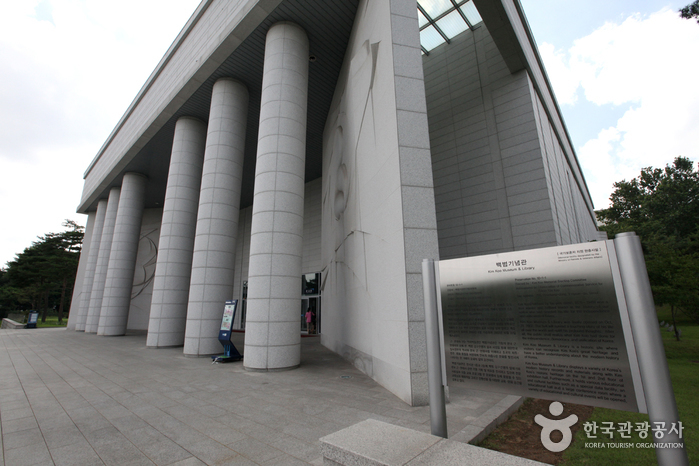
Kim Koo Museum & Library (백범김구기념관)
3.2Km 2022-08-30
26, Imjeong-ro, Yongsan-gu, Seoul
Kim Koo Museum & Library was built in Yongsan-gu, Seoul to commemorate Baekbeom Kim Koo (1876-1949), a highly respected Korean independence activist. It opened on October 22, 2002 to commemorate Kim Koo's efforts and achievements in Korean history. The main hall is comprised of two floors, exhibiting relics related to his entire life. A statue of a seated Kim Koo is situated in the central space of the first hall.
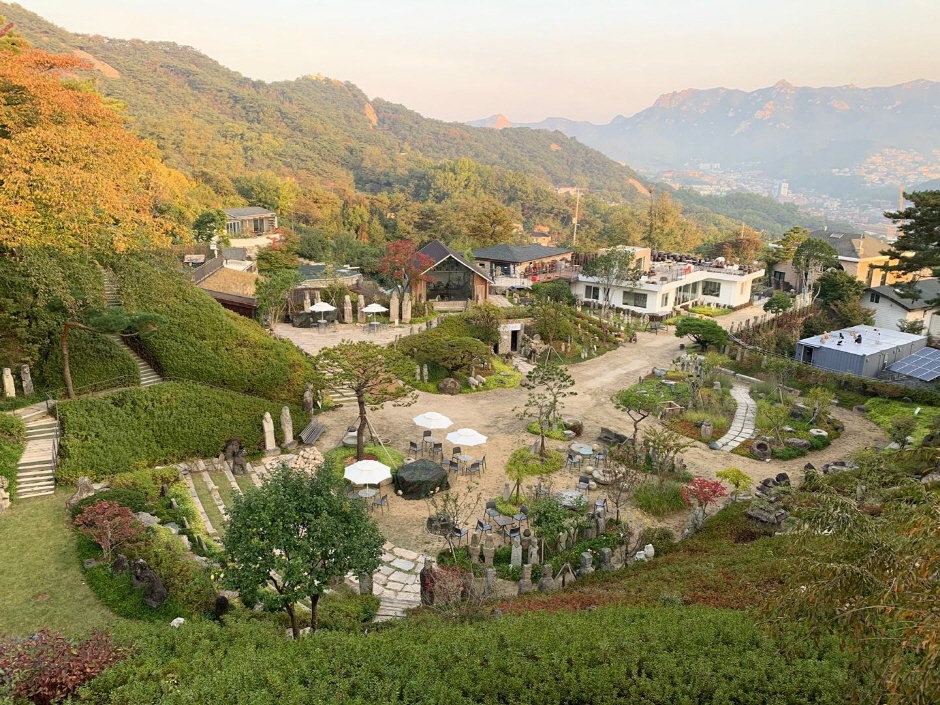
Mok In Museum Mok Seok Won (목인박물관 목석원)
3.2Km 2021-09-01
46-1, Changuimun-ro 5-gil, Jongno-gu, Seoul
Mok In Museum Mok Seok Won relocated in 2019 from Insa-dong to Buam-dong. Six exhibition halls offer visitors a look at wooden figures from around the world. Mokin refers to traditional wooden sculptures carved in shapes of human figures or various animals. The museum holds around 12,000 wooden folk sculptures including those used to decorate funeral carriages and temples mostly from the Joseon dynasty up to modern times. The museum also has an outdoor exhibition hall that harmonizes the sculptures with nature.

Cheongun Literature Library (청운문학도서관)
3.2Km 2023-08-16
40 , Jahamun-ro 36-gil, Jongno-gu, Seoul
Cheongun Literature Library is located at the foot of Inwangsan Mountain and can be reached by following the mountain's walking trail starting from Changuimun Gate along the fortress wall. This public hanok library is designed in consideration of the sloped topography and the natural scenery of Inwangsan Mountain. The library consists of two floors: an underground floor and a ground floor. While the ground floor is designed as a traditional hanok, the underground floor is made of concrete to support the hanok building and the spacious outdoor yard. By implementing the natural slope in the library's design, the underground southern entrance is exposed, allowing sunlight to enter. The underground floor features a wide collection of books while the ground floor serves as a place for reading. The natural environment surrounding the library adds to the hanok building's traditional and peaceful charms.
Leeum, Samsung Museum of Art (삼성미술관 리움)
3.2Km 2022-12-15
60-16, Itaewon-ro 55-gil, Yongsan-gu, Seoul
Leeum, Samsung Museum of Art, exhibits traditional and modern art works by Korean and international artists. The museum itself is just as fascinating as the art works on display, since the museum's three buildings were designed by internationally renowned architects Mario Botta, Jean Nouvel, and Rem Koolhaas.
MUSEUM 1 houses traditional Korean art, such as calligraphy, paintings, ceramic arts, and metal craftwork, while MUSEUM 2 displays modern and contemporary art by both Korean and international artists.
JaneDMCKorea (주)제인디엠씨코리아)
3.3Km 2025-10-23
(4th Floor), 51 Mallijae-ro, Mapo-gu, Seoul
Jane DMC Korea is an inbound travel agency and international patient recruitment organization established in 2006. Headquartered in Seoul, with branch offices in Busan, Indonesia, and India, the company develops and sells programs for international clients in 40 countries while also attracting international patients.
![Lindapick [Korea Quality] / 린다픽 [한국관광 품질인증]](http://tong.visitkorea.or.kr/cms/resource/10/2803310_image2_1.jpg)
Lindapick [Korea Quality] / 린다픽 [한국관광 품질인증]
3.4Km 2024-10-30
26-5, Itaewon-ro 23-gil, Yongsan-gu, Seoul
Lindapick is a guesthouse located a five-minute walk from Itaewon Station (line 6). The host of this new guesthouse, open in May 2021, prioritizes cleanliness by washing bedding and disinfect the whole place every time a guest leaves. The CCTVs that are installed outside and at the shared inner space are operated around the clock, strengthening the security. The light-lemon-color exterior walls of the accommodation and the muted-colored rooms are in harmony, forming a fresh and calm atmosphere. The room that can accommodate two persons shows how the host is considerate. A 100% natural aroma diffuser emits peppermint scent that makes guest unwind, and the lavender scent lets guests sleep tight. The kitchen with a refrigerator and a microwave oven is where you can cook a simple dishes, and the air purifier and the washing machine let you enjoy a fresher rest. From the entrance to the room, there is a garden that is decorated as an outdoor terrace, where you can have a leisurely time sunning yourself.
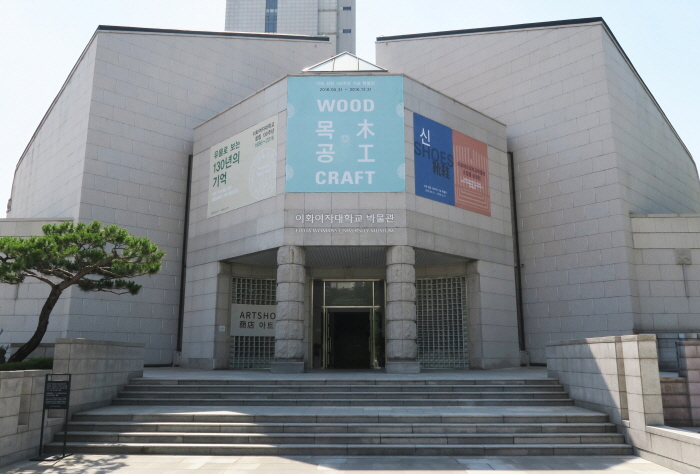
Ewha Womans University Museum (이화여자대학교박물관)
3.4Km 2022-09-14
52, Ewhayeodae-gil, Seodaemun-gu, Seoul
The Ewha Womans University Museum was established in 1935 with the goal of preserving the cultural heritage of Korea. Originally, items related to folk art, traditional woodwork, and pottery were put on display in the hall of the main university to keep them from being confiscated during the Japanese occupation. This later led to the opening of the museum to display and store the growing collection.
Regular exhibitions of the museum’s collection have been taking place annually from 1972. Since 1996, the museum also held special exhibitions that focus on other themes related to cultural heritage. Additional small-scale exhibitions are also held frequently to promote Korea's traditional culture and art.
A ceramics research facility as well as a more traditional museum, a large portion of the museum’s efforts is focused on the research and excavation of kilns. To this aim, excavation teams from the museum have traveled to various parts of the country to conduct studies on historic sites and assess the value of artifacts. Through the publication of books and reports on its discoveries, the museum has contributed to raising knowledge and awareness of Korean cultural heritage in academia and among the public.
Ewha Welcome Center (이화웰컴센터)
3.4Km 2022-09-13
52, Ewhayeodae-gil, Seodaemun-gu, Seoul
Ewha Welcome Center opened in 2013 as the first promotional center and visitor center of its kind on a university campus in Korea, comprised of an information desk, exhibition lounge, and gift shop. The information desk offers useful information to help visitors get the most out of their Ewha campus experience. The exhibition lounge introduces the history, traditions, and vision of the present-day and future of the university year-round. Visitors can purchase university gear at the gift shop. Furthermore, foreign visitors can take part in a range of campus tour programs in English and Chinese for an enriching experience.
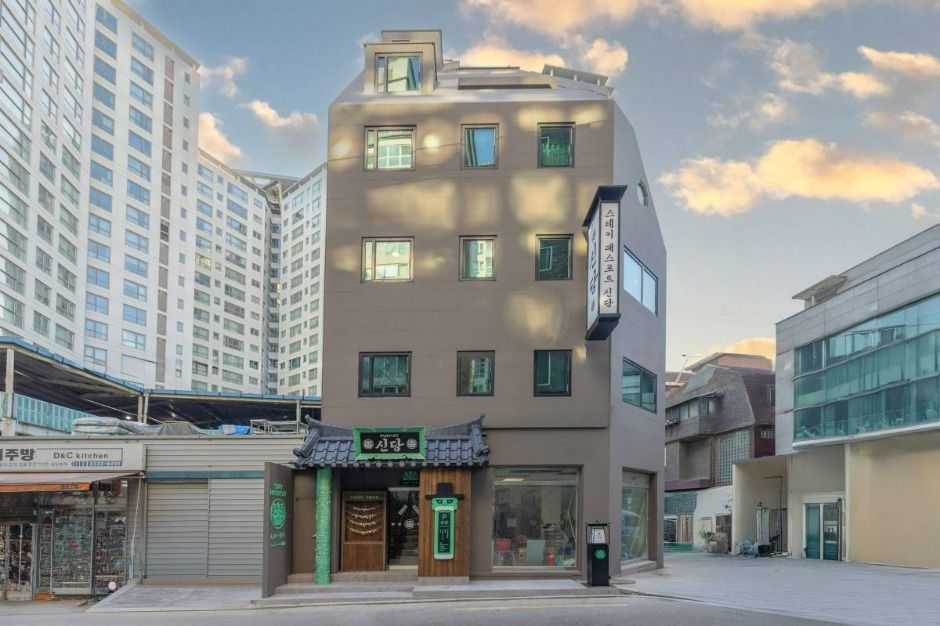
Stay Passport Sindang Ryokan (스테이 패스포트 신당 료칸)
3.4Km 2025-04-24
33 Nangye-ro 11-gil, Jung-gu, Seoul
Stay Passport Sindang Ryokan offers a four major room types: "Goyo" and "Sohyang," designed for two who seek privacy and relaxation away from the busy city life; "Pungryu," accommodating up to four people, perfect for family guests or a group of friends; and "Pungyo," designed to offer utmost relaxation.
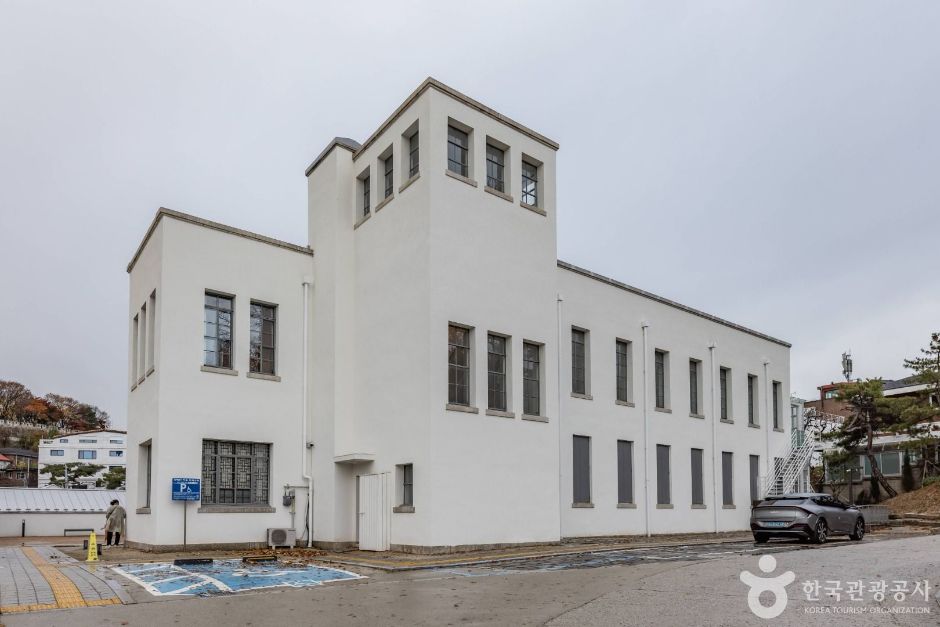
Kansong Art Museum (간송미술관(서울 보화각))
3.4Km 2025-06-30
102-11 Seongbuk-ro, Seongbuk-gu, Seoul
Kansong Art Museum was the first private art museum in Korea, opened as Bohwagak in 1938 by Kansong Jeon Hyeong-pil. The name was changed to the current Kansong Art Museum in 1966. Bohwagak was designated as National Registered Cultural Heritage No. 768 on December 30, 2019. Jeon Hyeong-pil dedicated his life to preserving and researching Korea’s representative relics that were devaluated and purposefully obliterated during the Japanese colonial era, as well as to acknowledging their cultural excellence and beauty. The museum houses 11 national treasures and 24 treasures.
 English
 한국어
한국어 日本語
日本語 中文(简体)
 Deutsch
 Français
 Español
 Русский


