![Wellness Pharmacy [Tax Refund Shop] (웰니스약국)](http://tong.visitkorea.or.kr/cms/resource/54/2878654_image2_1.jpg)
Wellness Pharmacy [Tax Refund Shop] (웰니스약국)
1.1Km 2024-06-27
51, Myeongdong 10-gil, Jung-gu, Seoul
-
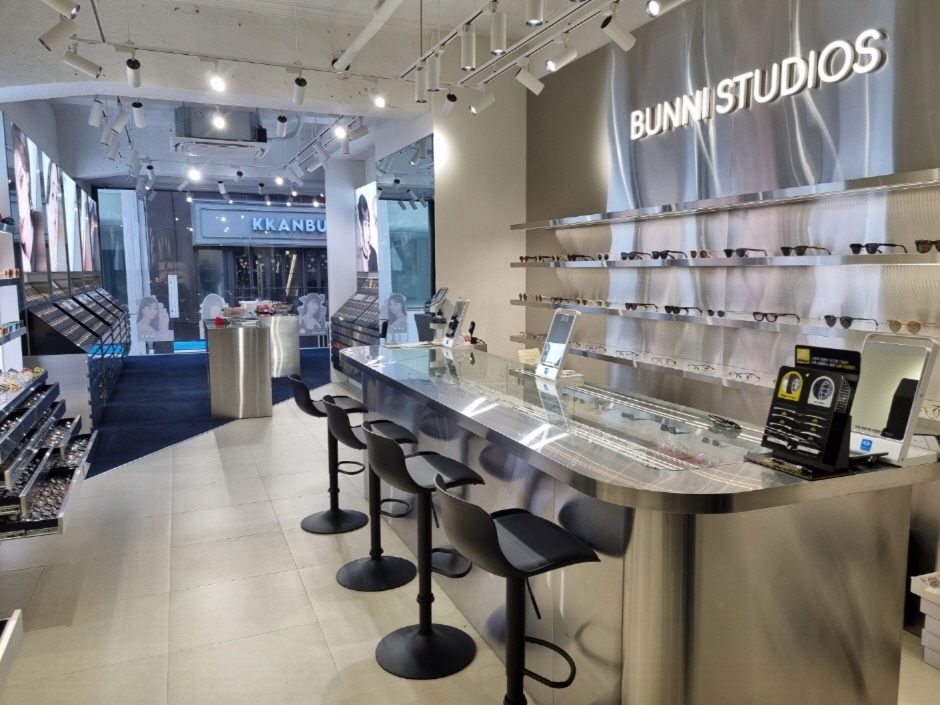
Bunni Studios Optical - Myeongdong Branch (바니스튜디오 안경(명동역점))
1.1Km 2024-04-02
21 Myeongdong 8ga-gil, Jung-gu, Seoul
Bunni Studios is an optical store geared toward the younger generation, offering quality glasses and color contact lenses. The staff are able to provide service in a range of foreign languages, including English, Japanese, and Chinese. Bunni Studios collaborates with popular lens producers, and offers over 500 types of lenses. Shoppers can also have products delivered to their hotel within Seoul if they shop does not have the item in stock. International tourists can make tax-free purchases.
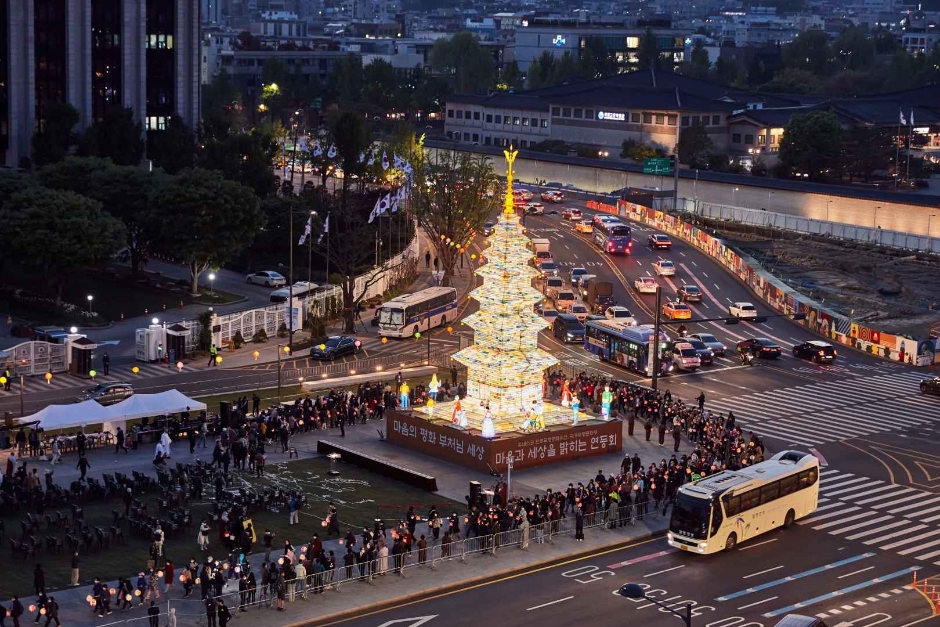
Yeon Deung Hoe (Lotus Lantern Festival) (연등회)
1.1Km 2025-04-09
55 Ujeongguk-ro, Jongno-gu, Seoul
+82-2-2011-1744~7
Started approximately 1,200 years ago during the Silla dynasty and continued through the Goryeo Yeon Deung Hoe and Joseon lantern festival, the Yeon Deung Hoe Festival is a traditional festival registered as an Intangible Cultural Heritage and UNESCO Masterpiece of the Oral and Intangible Heritage of Humanity. The lanterns at Yeon Deung Hoe Festival brighten the heart and the world!
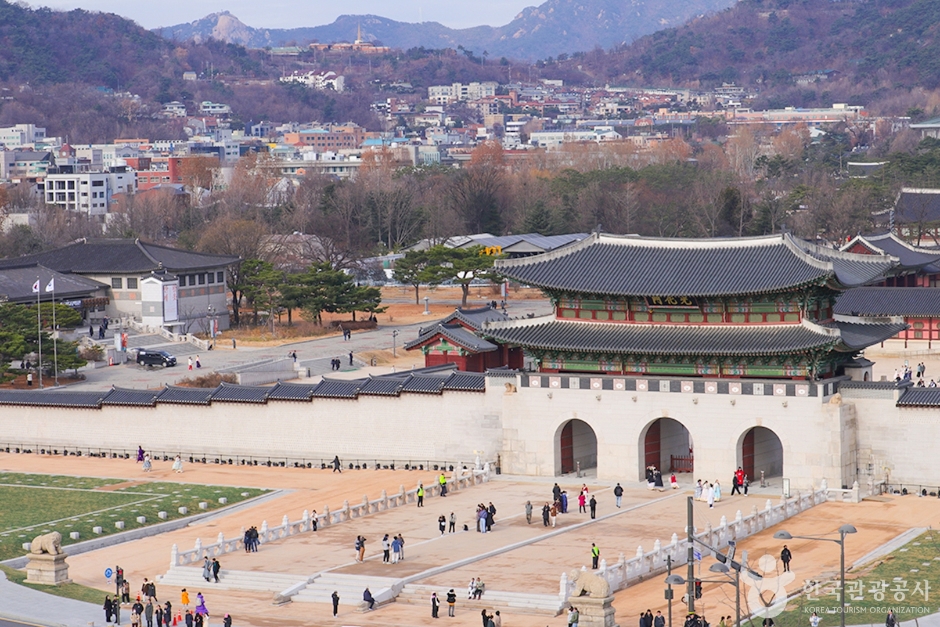
Gwanghwamun Gate (광화문)
1.1Km 2024-12-04
161 Sajik-ro, Jongno-gu, Seoul
+82-2-3700-3900
Built in 1395 under the reign of King Taejo, the first king of the Joseon dynasty, Gwanghwamun Gate is the southern gate of Gyeongbokgung Palace. It is also the main gate of the palace, therefore larger and fancier in comparison to the other gates. Gwanghwamun Gate consists of three arched gates; the center gate was used by the king, while the other two were used by the crown prince and royal officials. The tall granite walls of the gate serve as a platform for the wooden gate tower that watches over the city. The gate has a sign with its name written at the top center of the gate tower.
Gwanghwamun Gate went through several damages and restorations over the course of history. It was first severely damaged during the Imjin War (1592-1598) and was not restored until the reconstruction of Gyeongbokgung Palace in 1864. Under the Japanese administration, the gate was demolished and relocated to the north of the palace's eastern gate, followed by series of damages during the Korean War (1950-1953). In 1968, Gwanghwamun Gate was relocated back to the south of the palace and was rebuilt using concrete; however, the gate’s position was shifted a few meters away from its original location. In 2006, a major reconstruction project took place to restore Gwanghwamun Gate to its original state and location, disassembling the structure completely and replacing concrete with granite and wood. After three years and eight months of construction, Gwanghwamun Gate was fully restored to its original form and was open to the public on August 15, 2010.
![Olive Young - Myeong-dong Station Branch [Tax Refund Shop] (올리브영 명동역)](http://tong.visitkorea.or.kr/cms/resource/27/2878627_image2_1.jpg)
Olive Young - Myeong-dong Station Branch [Tax Refund Shop] (올리브영 명동역)
1.1Km 2024-04-22
127, Toegye-ro, Jung-gu, Seoul
-
![Ai Pharmacy [Tax Refund Shop] (아이약국)](http://tong.visitkorea.or.kr/cms/resource/98/3313898_image2_1.jpg)
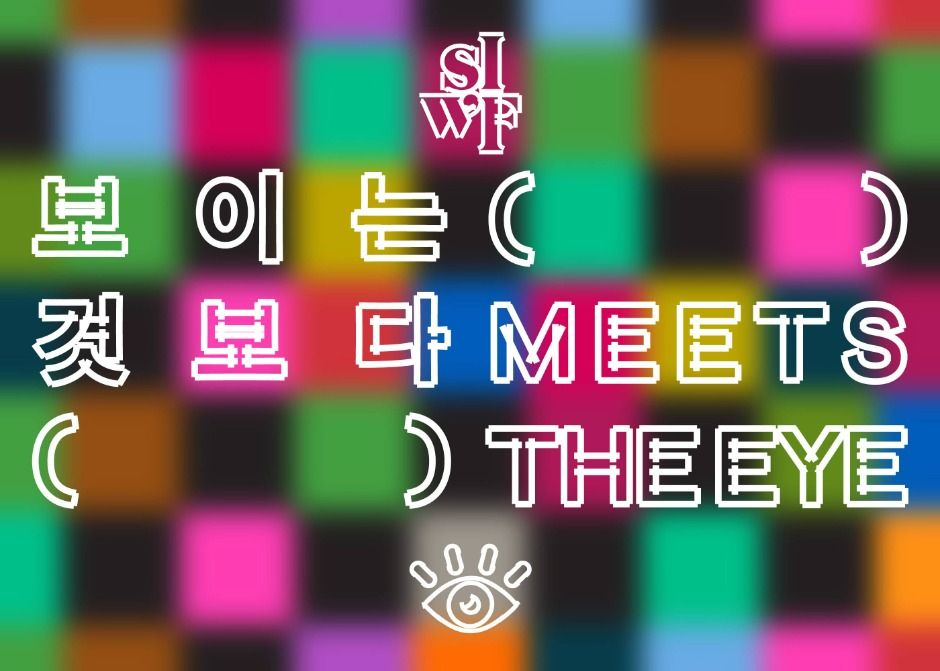
Seoul International Writers' Festival (서울국제작가축제)
1.1Km 2025-07-30
26 Insadong 9-gil, Jongno-gu, Seoul
+82-70-8826-5207
Seoul International Writers' Festival was founded in 2006 with aims to lay a foundation for connecting Korean literature and international literature. This year's theme is "() Meets the Eye," inviting attendees to explore the beauty of literature that is much more than meets the eye.

Balwoo Gongyang (발우공양)
1.1Km 2024-01-05
56 Ujeongguk-ro, Jongno-gu, Seoul
Balwoo Gongyang, located in front of the main gate of Jogyesa Temple, is a temple food restaurant operated by the Cultural Corps of Korean Buddhism. It was selected as a 1-star restaurant by the Michelin Guide for three consecutive years from 2017 to 2019 and it is so popular that reservations must be made a month in advance. “Balwoo” refers to meals for monks and it means that the act of eating is also a process to realizing the truth. The restaurant offers five types of course menus inspired by Buddhist teachings that are served in the order of Suljuksim, Juksang, Sangmi (嘗味), Dammi (噉味), Seungso (僧笑), Youmi (愈味), and Ipgasim. The menu is made with seasonal ingredients to bring out the best flavor of each season. The course meal starts with appetizing kimchi stew according to the traditional Korean meal culture. Then it is followed by porridge, seasonal salad, rice and stew, side dishes, tea, and dessert, satisfying both the taste buds and health. Those who wish to experience an authentic temple meal are recommended to try the Beop Course.
Templestay Information Center (템플스테이 홍보관)
1.1Km 2022-10-17
56, Ujeongguk-ro, Jongno-gu, Seoul
+82-2-2031-2000
Templestay Information Center offers various information and services regarding templestays and temple meals for domestic and international visitors. The center also operates traditional cultural experiences, such as tea time with a Buddhist monk, traditional culture activities and more.
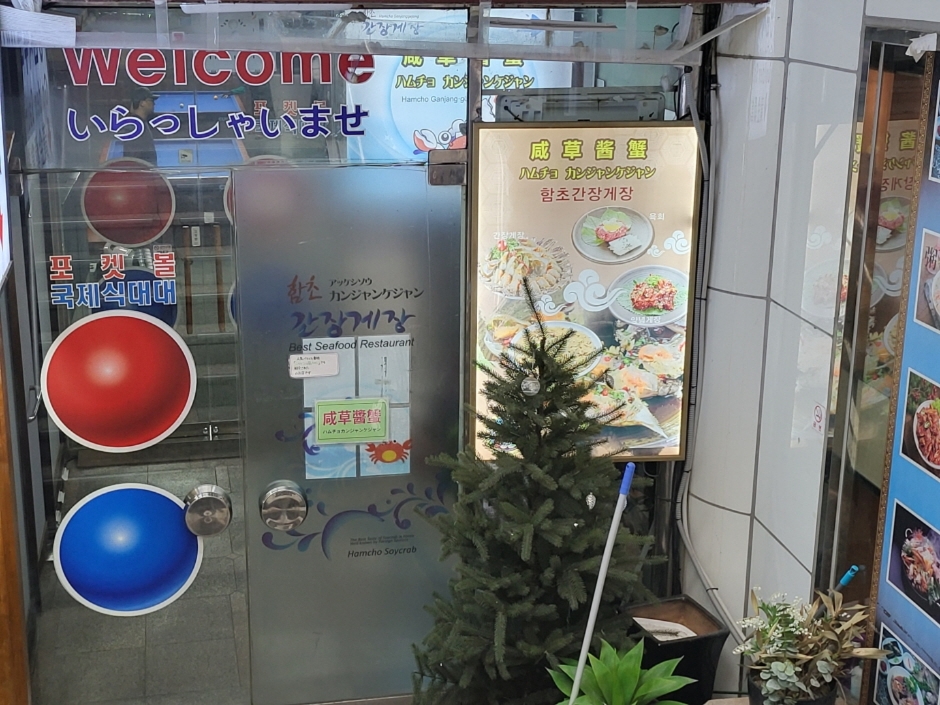
Hamcho Ganjanggejang (함초간장게장)
1.1Km 2024-03-11
27, Myeongdong 8ga-gil, Jung-gu, Seoul
+82-2-318-1624
Situated in Myeongdong Street, Hamcho Ganjanggejang specializes in ganjang gejang (soy sauce marinated crab). Their signature dish, ganjang gejang, is made by marinating blue crab in soy sauce and is a favorite among Koreans. Saeu jang (soy sauce marinated shrimp) and other seafood dishes (abalone, octopus, etc.) are also a must-try. In addition, the traditional Korean side dishes are so tasty that the restaurant never runs out of customers.
 English
 한국어
한국어 日本語
日本語 中文(简体)
 Deutsch
 Français
 Español
 Русский


