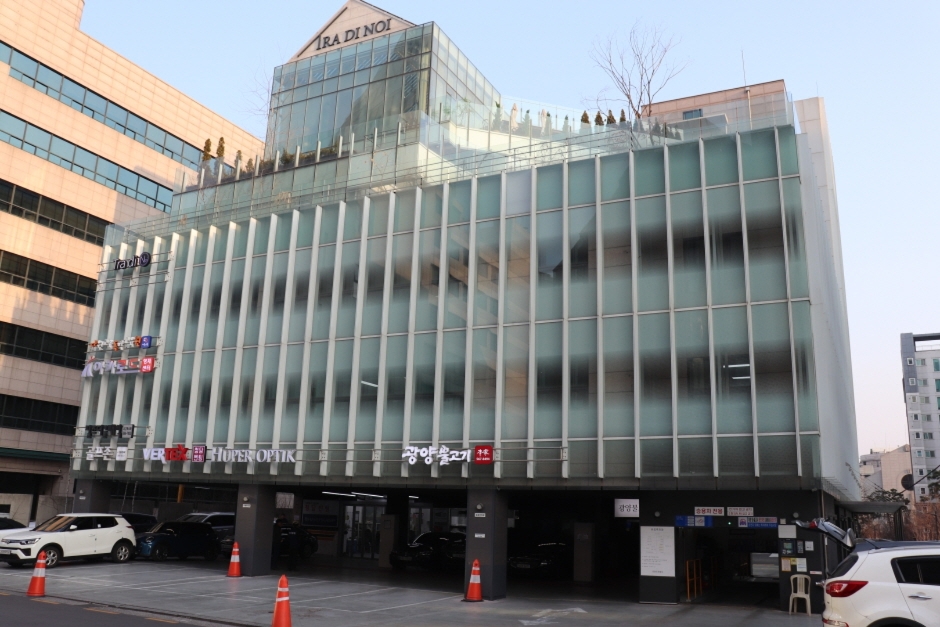
Gwangyang Bulgogi Bonga (광양불고기본가)
15.1Km 2024-03-18
16, Dogok-ro 99-gil, Gangnam-gu, Seoul
+82-2-567-8494
Gwangyang Bulgogi Bonga serves Gwangyang bulgogi, a tender and sweet-savory dish made by grilling thinly-sliced beef marinated in soy sauce. The restaurant also offers sogogi gui (grilled beef), yukhoe (beef tartare), and hanu kkotdeungsim (Korean beef rib eye). Another popular dish is hanu deungsim yukjeon (pan-fried battered Korean beef sirloin). There is also a separate lunch menu, namely the Gwangyang Bonga Jeongsik (Gwangyang Bonga set menu) and hanu kkotsal bulgogi (boneless Korean galbi bulgogi).
Seoul International Writers' Festival (서울국제작가축제)
15.1Km 2025-07-30
26 Insadong 9-gil, Jongno-gu, Seoul
+82-70-8826-5207
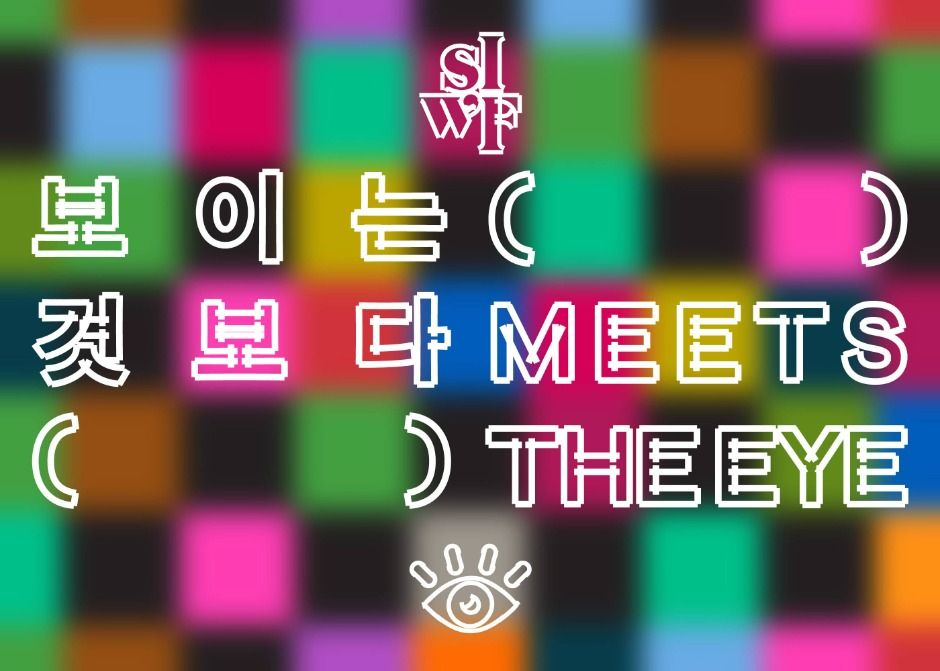
Seoul International Writers' Festival was founded in 2006 with aims to lay a foundation for connecting Korean literature and international literature. This year's theme is "() Meets the Eye," inviting attendees to explore the beauty of literature that is much more than meets the eye.

Artbox - Jongno 3(sam)-ga Branch [Tax Refund Shop] (아트박스 종로3가)
15.1Km 2024-04-17
126, Jong-ro, Jongno-gu, Seoul
-
Gwanghwamun Gate (광화문)
15.1Km 2024-12-04
161 Sajik-ro, Jongno-gu, Seoul
+82-2-3700-3900
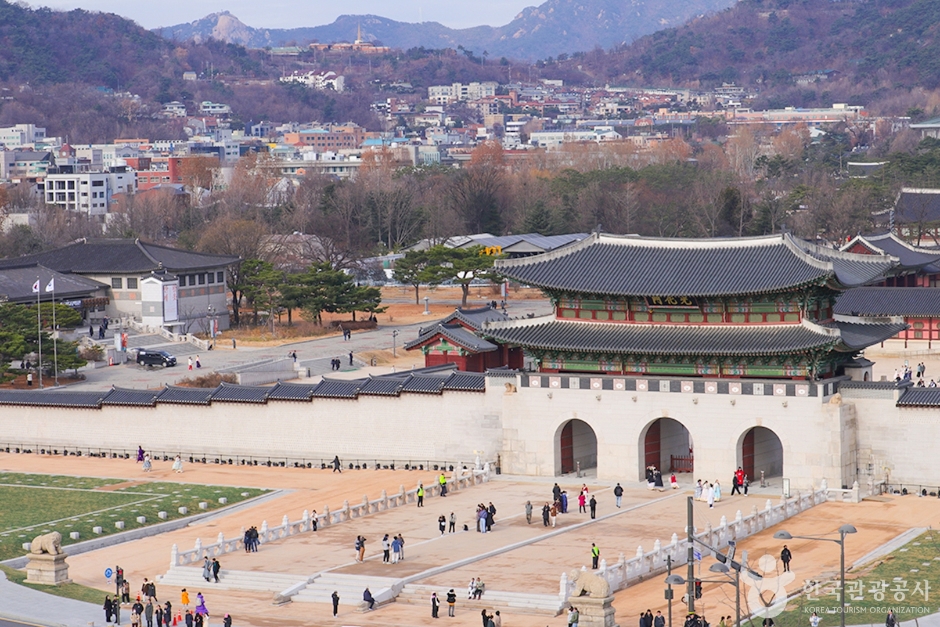
Built in 1395 under the reign of King Taejo, the first king of the Joseon dynasty, Gwanghwamun Gate is the southern gate of Gyeongbokgung Palace. It is also the main gate of the palace, therefore larger and fancier in comparison to the other gates. Gwanghwamun Gate consists of three arched gates; the center gate was used by the king, while the other two were used by the crown prince and royal officials. The tall granite walls of the gate serve as a platform for the wooden gate tower that watches over the city. The gate has a sign with its name written at the top center of the gate tower.
Gwanghwamun Gate went through several damages and restorations over the course of history. It was first severely damaged during the Imjin War (1592-1598) and was not restored until the reconstruction of Gyeongbokgung Palace in 1864. Under the Japanese administration, the gate was demolished and relocated to the north of the palace's eastern gate, followed by series of damages during the Korean War (1950-1953). In 1968, Gwanghwamun Gate was relocated back to the south of the palace and was rebuilt using concrete; however, the gate’s position was shifted a few meters away from its original location. In 2006, a major reconstruction project took place to restore Gwanghwamun Gate to its original state and location, disassembling the structure completely and replacing concrete with granite and wood. After three years and eight months of construction, Gwanghwamun Gate was fully restored to its original form and was open to the public on August 15, 2010.
National Souvenirs Center [Tax Refund Shop] (한국관광명품점)
15.1Km 2024-04-23
14, Insadong 5-gil, Jongno-gu, Seoul
-
Gom Ba Wie (곰바위)
15.1Km 2024-03-25
16 Bongeunsa-ro 97-gil, Gangnam-gu, Seoul
02-511-0068
Situated near COEX, Gom Ba Wie is a renowned restaurant that specializes in dishes crafted from beef intestines. The establishment's signature offerings include yang gui (grilled beef tripe) and daechang gui (grilled beef large intestines), both of which are expertly charcoal-grilled to enhance flavor and preserve their distinctive springy texture. Additionally, the restaurant is famous for its gopchang jeongol (beef small intestine hot pot), a popular choice during the winter months, as well as its unique rendition of baekkimchi (white kimchi).
Insadong Cultural Street (인사동 문화의 거리)
15.1Km 2023-12-26
Insa-dong, Jongno-gu, Seoul Metropolitan City
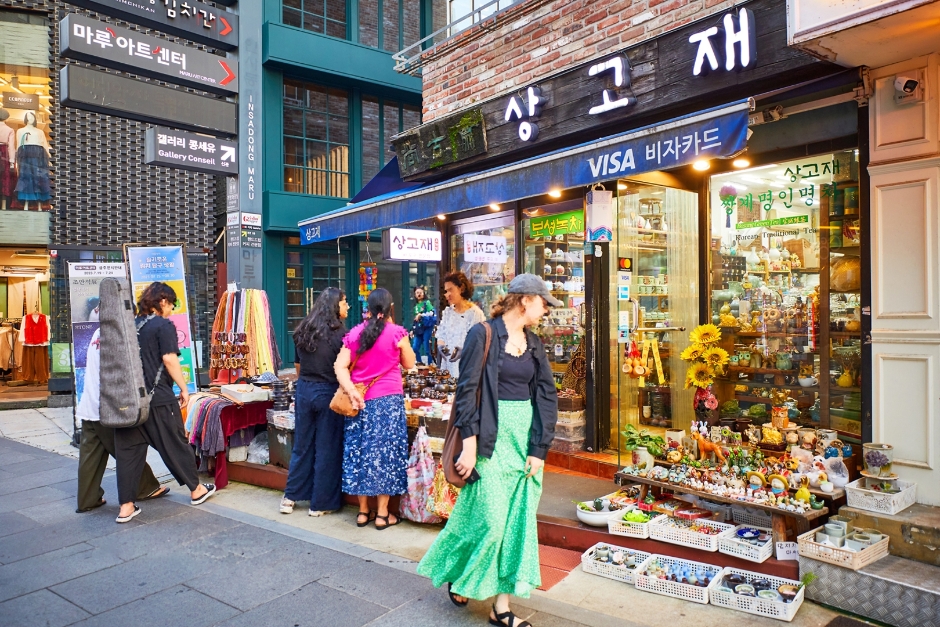
Insadong Cultural Street is a popular tourist destination for visitors from all around the world, thanks to its numerous art galleries, restaurants serving Korean table d’hote, traditional teahouses, and street vendors lining the streets. Its most recognizable feature is the use of Hangeul (Korean script) in storefronts, which allows the visitors to really see just what makes this place so special. Unlike the nearby Ikseon-dong Hanok Street, Insadong Cultural Street has larger streets with wider stores, so it is much easier to traverse. On evenings and weekends, one can find buskers performing on the side of the road.
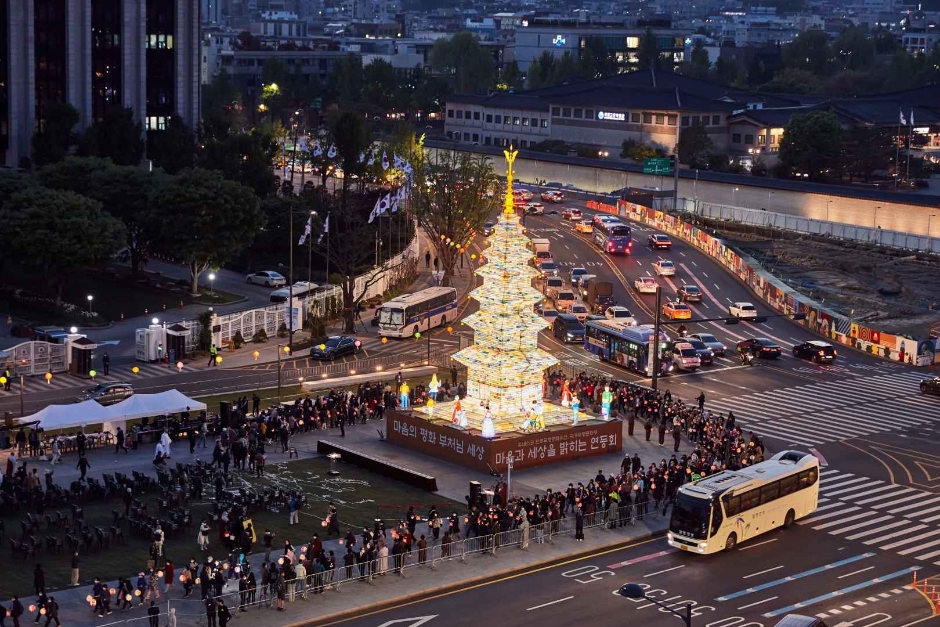
Yeon Deung Hoe (Lotus Lantern Festival) (연등회)
15.1Km 2025-04-09
55 Ujeongguk-ro, Jongno-gu, Seoul
+82-2-2011-1744~7
Started approximately 1,200 years ago during the Silla dynasty and continued through the Goryeo Yeon Deung Hoe and Joseon lantern festival, the Yeon Deung Hoe Festival is a traditional festival registered as an Intangible Cultural Heritage and UNESCO Masterpiece of the Oral and Intangible Heritage of Humanity. The lanterns at Yeon Deung Hoe Festival brighten the heart and the world!
Sweet Park (Lotte Children's Food Experience Center) (스위트파크(롯데어린이식품체험관))
15.1Km 2024-02-15
201 Magokjungang-ro, Gangseo-gu, Seoul
Sweet Park is a children's food experience center, an educational and entertainment space featuring Lotte's food products. The park is designed as a village themed around Lotte's food items. It offers various tour programs such as Hot Air Balloon Theater, Sweet Park Tours, Lotte R&D Center Experience Zone, and Xylitol Dental Health Education Zone.
Balwoo Gongyang (발우공양)
15.1Km 2024-01-05
56 Ujeongguk-ro, Jongno-gu, Seoul
Balwoo Gongyang, located in front of the main gate of Jogyesa Temple, is a temple food restaurant operated by the Cultural Corps of Korean Buddhism. It was selected as a 1-star restaurant by the Michelin Guide for three consecutive years from 2017 to 2019 and it is so popular that reservations must be made a month in advance. “Balwoo” refers to meals for monks and it means that the act of eating is also a process to realizing the truth. The restaurant offers five types of course menus inspired by Buddhist teachings that are served in the order of Suljuksim, Juksang, Sangmi (嘗味), Dammi (噉味), Seungso (僧笑), Youmi (愈味), and Ipgasim. The menu is made with seasonal ingredients to bring out the best flavor of each season. The course meal starts with appetizing kimchi stew according to the traditional Korean meal culture. Then it is followed by porridge, seasonal salad, rice and stew, side dishes, tea, and dessert, satisfying both the taste buds and health. Those who wish to experience an authentic temple meal are recommended to try the Beop Course.
 English
 한국어
한국어 日本語
日本語 中文(简体)
 Deutsch
 Français
 Español
 Русский


