
Yedangho Suspension Bridge & Musical Fountain (예당호 출렁다리(음악분수))
16.2Km 2025-08-07
161 Yedanggwangwang-ro, Yesan-gun, Chungcheongnam-do
Yedangho Suspension Bridge opened on April 6, 2019 as the longest suspension bridge in Korea with the length of 402 meters. With the addition of Slow Lake Road in October of the same year, visitors can enjoy the beautiful scenery even more. There is a sculpture park around the lake, standing in harmony with the white suspension bridge.
A grand musical fountain was installed on April 25, 2020. The fountain is the widest in the nation, and shoots jets of water up 110 meters into the air. The fountain show lasts for 20 minutes, and uses bightly colored LED lights for an exciting performance.
Yedang Reservoir (예당저수지(예당관광지))
16.6Km 2024-06-04
Deungchon-ri, Eungbong-myeon, Yesan-gun, Chungcheongnam-do
Yedang Reservoir is a popular attraction that represents Yesan in Chungcheongnam-do. Main facilities include a monorail, suspension bridge, sculpture park, and campground, as well as restaurants, accommodations, and convenience facilities. There are also various themed walking trail and parking lots. Many people visit to see the Golden Tree, a tree that takes on a golden hue at sunset.
Agroland Taeshin Farm (아그로랜드 태신목장)
17.1Km 2023-07-17
231 Sangmong 2-gil, Yesan-gun, Chungcheongnam-do
Agroland Taeshin Farm was first established during the Quickening period of the Korean dairy farming industry and has been striving ceaselessly for the growth of the livestock industry. It was the first farm in Korea to be certified as a "dairy experience farm" and, since its opening in 2004, it has enabled visitors to experience the farm and its cows and livestock. It offers a pastoral view of green grassland and an experience of being around cows. Visitors can also take part in a variety of dairy experiences as they milk cows themselves in the experience room, feed them grass and food in the green plains and use the milk to make ice cream or shaved ice.
Myeoncheoneupseong Walled Town, Dangjin (당진면천읍성)
17.1Km 2023-07-17
14 Mongsan-gil, Dangjin-si, Chungcheongnam-do
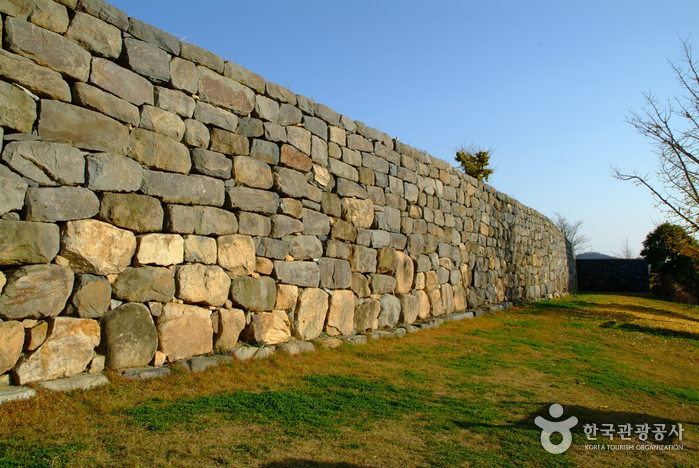
Since the ancient days, the city of Dangjin was where an important sea route to China existed along with Seosan and Taean. Not only was it an essential trading post with China, it was also a critical military hub. Myeoncheoneupseong Walled Town is widely known to have been constructed in the 16th year of King Chungnyeol's reign in the Goryeo Dynasty (1290) but many believe that it had actually existed ever since the early Baekje period for the purpose of stopping foreign invasions. Myeoncheoneupseong was a fortress that had four main gates in the east, west, south and north.
Yesan Hwaamsa Temple (화암사 (예산)
17.9Km 2025-08-18
21-29, Yonggung 1-gil, Yesan-gun, Chungcheongnam-do
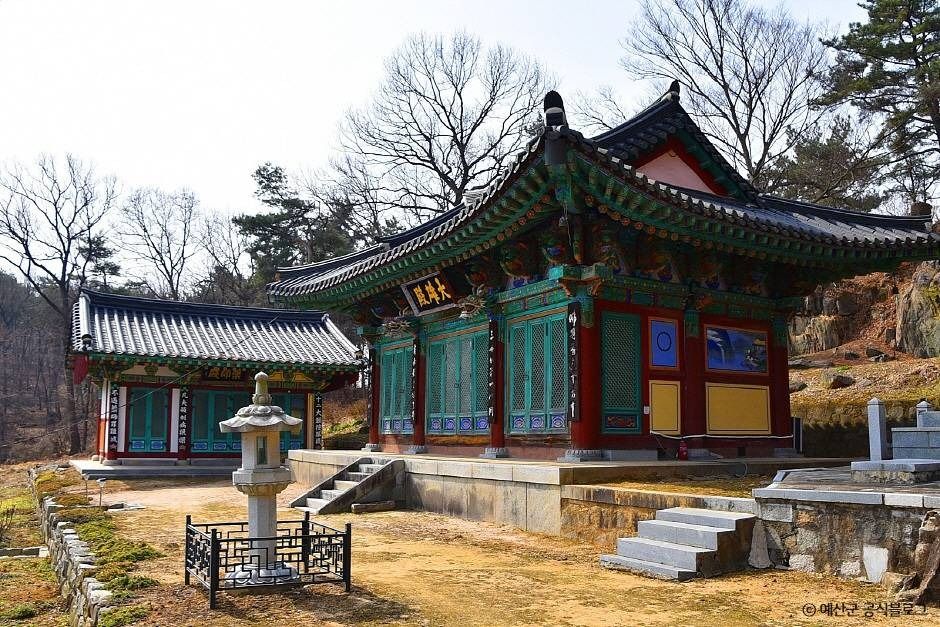
Hwaamsa Temple is located near Joseon dynasty's scholar and writer Kim Jeong-hui's, also referred to his pen name Chusa, house. The temple has ties with the ancient writer, as the temple is known to have been repaired and renovated by Kim Jeong-hui's great grandfather. There are no records that explains the foundation of Hwaamsa Temple, and only a timeline of its reconstruction can be found in "Records of Hwaamsa Temple Restoration" plaque, which is displayed in Sudeoksa Temple Museum. The timeline was recorded by Kim Myeong-hee in 1848, and written by Kim Seong-hee, and carved by Cho Seok-shin. The name "Hwaamsa" was given by King Yeongjo (r. 1724-1776).
House and Tomb of Kim Jeong-hui (추사김정희선생고택·묘)
18.2Km 2024-02-21
261, Chusagotaek-ro, Sinam-myeon, Yesan-gun, Chungcheongnam-do
This house and tomb are where Kim Jeong-hui (pen name: Chusa, 1786-1856), a Joseon-era scholar and artist, lived and was laid to rest. Chusa Memorial Hall and Chusa Experience Center are found next to the house. After studying in Qing China, Kim Jeong-hui served in multiple government posts. He is best known for his unique calligraphical style, which bears his courtesy name (Chusa), and many works of art that survive to this day. The Experience Center offers traditional art experiences inspired by Kim Jeong-hui’s works.
Chusa Memorial Hall (추사기념관)
18.3Km 2024-12-27
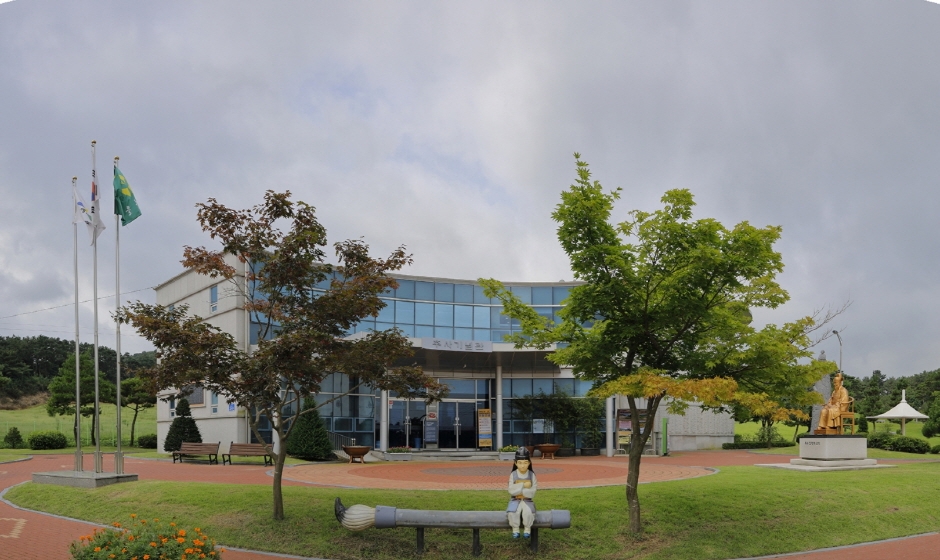
Chusa Memorial Hall opened in 2008, holds works of Chusa Gim Jeong-hui including his arts, epigraphy, calligraphy and more. The memorial hall preserves and exhibits Chusa Gin Jeong-hui's works to show future generations about his achievements.
House of Chusa (추사고택)
18.3Km 2022-12-28
261, Chusagotaek-ro, Yesan-gun, Chungcheongnam-do
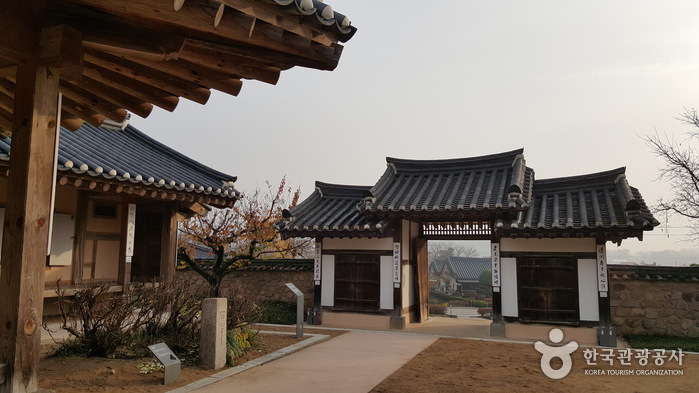
House of Chusa, Chusa Gotaek in Korean, is the traditional Korean house of the renowned scholar and calligrapher Chusa, also known as Kim Jeong-hui. This old house is known to have been constructed by the great-grandfather of Chusa, Kim Han-Sin.
The Korean-style house compound (266.11 m²) consists of munganchae (a guesthouse), soseuldaemun (a high gate), sarangchae (ㄱ-shaped men's quarters), anchae (ㅁ-shaped women’s quarters) and a shrine where the remains of Chusa are enshrined. Theㄱ-shaped Sarangchae stretches for one kan (traditional measuring unit) to the south and 2 kans to the east and is comprised of two rooms and a daecheongmaru (living area). The Anchae consists of a six-kan daecheongmaru and two one-kan rooms.
Located on the ground is a tomb where Chusa’s great-grandfather (Kim Han-Sin) and his wife (Hwasun Princess) are buried. Nearby, visitors will see a gate that was constructed to commemorate Princess Hwasun’s faithfulness to her husband.
Located approximately 600 meters to the north of the old house is a lacebark pine tree, which was designated as a Natural Monument. The lacebark pine tree, originally from northern China, is among the few of its kind in Korea. It is said that Chusa snuck the pine across the border from China (formerly, the Qing dynasty) into the country when he was 25 years old and planted it at the tomb of his great-grandfather. Originally, the tree had three branches, but two were broken and the third branch was damaged. In 1980, the damaged branch was treated and since then, the tree has been kept under strong protection.
Seosan House of Yu Gibang (서산 유기방가옥)
18.5Km 2024-03-11
72-10 Imunan-gil, Seosan-si, Chungcheongnam-do
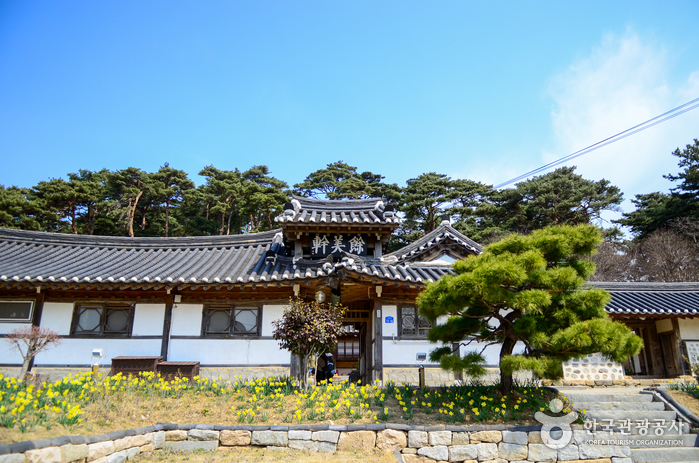
House of Yu Gibang was built in the early 1900s and measures 4,770㎡. As a valuable historical asset, it was designated as a Chungcheongnam-do Folk Culture Heritage on October 31, 2005. The house faces south on a low mountain with a thick pine forest background. A courtyard is at the center of the house, created by the straight line-shaped anchae to the north, the haengnangchae to the west, and a chat room with anchae to the east. Initially, there was a middle gate in front of the anchae, but it was demolished in 1988 and replaced with a pavilion-shaped gate as seen now.
Hongseong Namdang Port Jumbo Shrimp Festival (홍성남당항 대하축제)
19.2Km 2025-08-14
1-1 Namdanghang-ro 213beon-gil, Seobu-myeon, Hongseong-gun, Chungcheongnam-do
+82-10-5433-8196
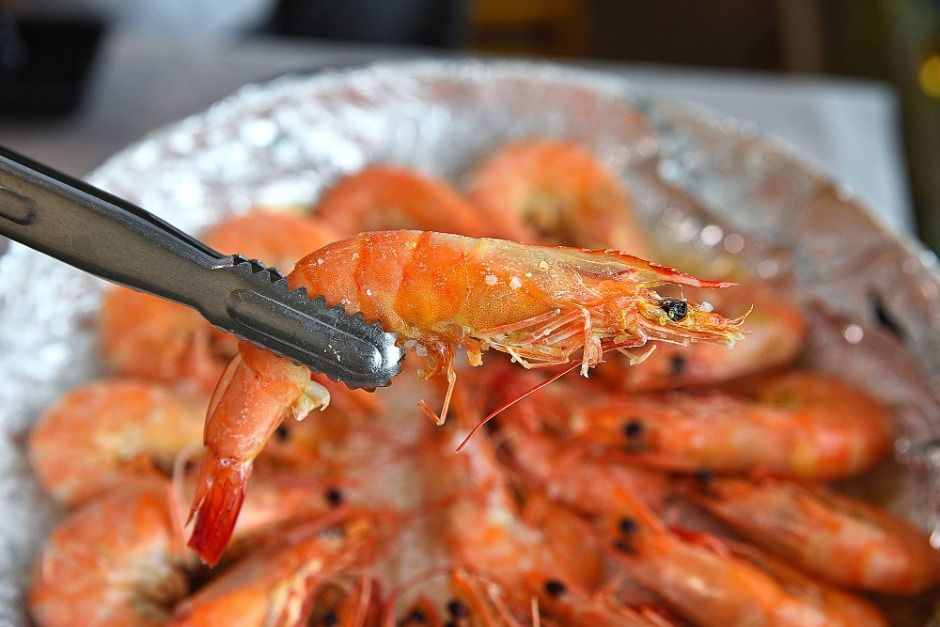
Namdang Port, located at the west end of Hongseong, is a famous west coast port known for its exceptional seafood. Surrounded by the clean waters of Cheonsuman Bay, Namdang Port is home to a wide array of sea life including blue crab, cockle and webfoot octopus. Namdang Port also draws throngs of visitors from early September to mid-October every year for the country’s largest Jumbo Shrimp Festival.
 English
 한국어
한국어 日本語
日本語 中文(简体)
 Deutsch
 Français
 Español
 Русский


