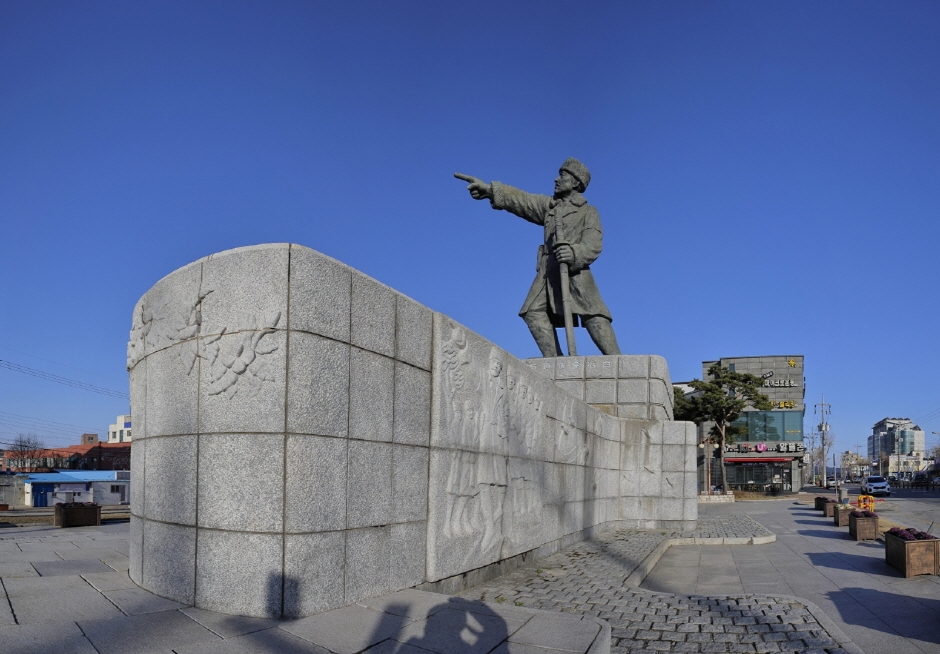
Statue of General Kim Jwajin (김좌진장군동상)
8.8Km 2024-01-16
Goam-ri, Hongseong-eup, Hongseong-gun, Chungcheongnam-do
The Statue of General Kim Jwajin was erected to commemorate General Kim's efforts in leading the Independence Army against Japan during the Battle of Cheongsan-ri. This was one of the greatest victories in the war fro Korean independence.
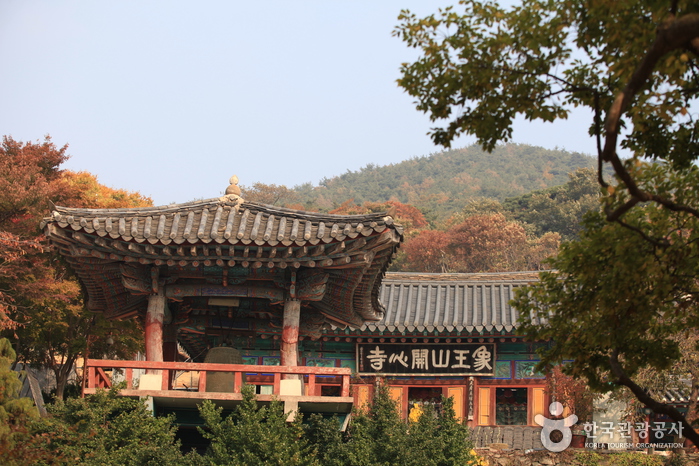
Seosan Gaesimsa Temple (개심사(서산))
9.7Km 2021-09-18
321-86, Gaesimsa-ro, Seosan-si, Chungcheongnam-do
Situated in a dense forest in Sangwangsan Mountain and 6 kilometers away from Haemi-myeon, Gaesimsa Temple is one of the four major temples in Chungcheongnam-do. The path from the parking lot to the temple site is quite remote and curved, but beautiful especially in spring when cherry blossoms are in full bloom.
The temple was built in 1484 during the 15th year of King Seongjong and designated as a Treasure. The architecture of the temple stands out, as the buildings use bent tree trunks for pillars.
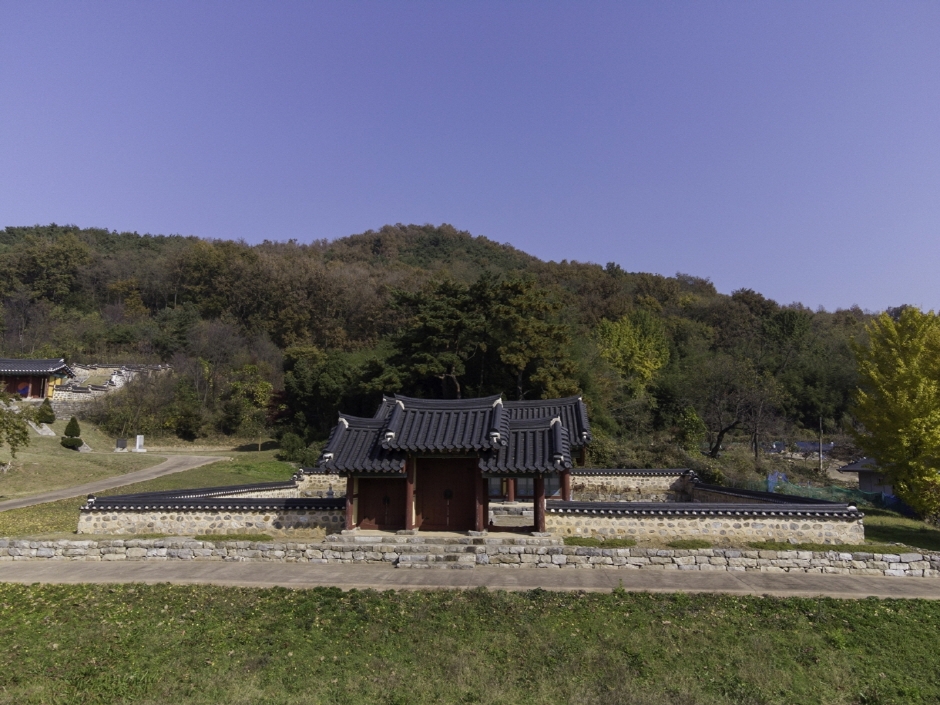
Historic Site Related to Seong Sam-mun (성삼문선생유허지)
9.9Km 2024-01-18
403-12 Maejukheon-gil, Hongbuk-eup, Hongseong-gun, Chungcheongnam-do
This historic site related to Seong Sam-mun is believed to be the birthplace of Seong Sam-mun, and was founded by his maternal ancester, Park Dam. A shrine was built here in 1685 to honor Seong Sam-mun and the five others ministers who were executed with him for their plot to restore King Danjong to the throne after he was exhiled by his uncle. The site was destroyed in 1864 when Confucian facilities were removed by the government, but was later rebuilt in 1945.
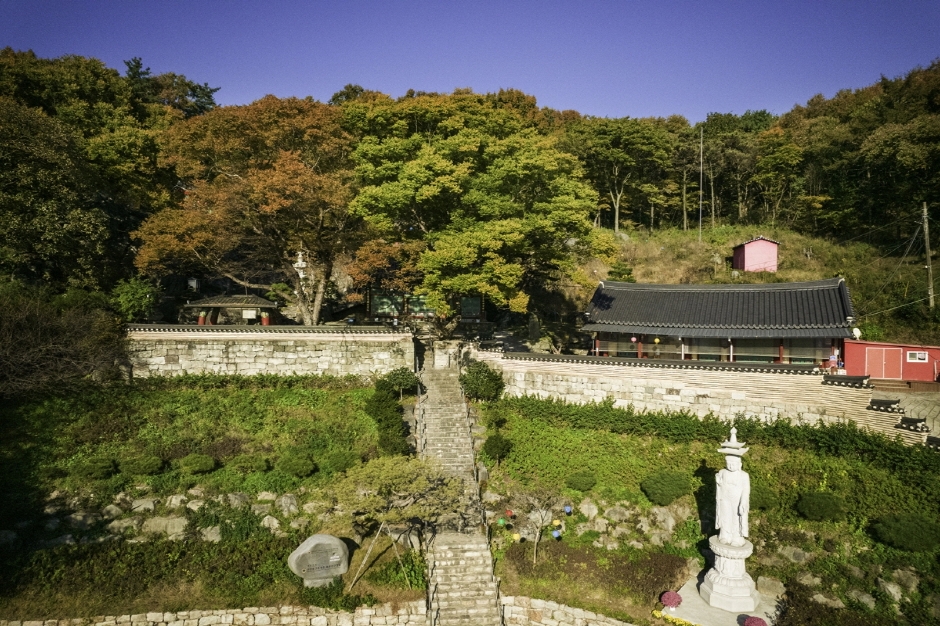
Hongseong Gujeoram Hermitage (구절암(홍성))
10.4Km 2024-01-18
163 Geobuk-ro 218beon-gil, Guhang-myeon, Hongseong-gun, Chungcheongnam-do
Gujeoram Hermitage is located within a bamboo forest on a small mountain. The pathway is winding, without any signs marking the way, but this adds to the charm.
Birth Home of Queen Jeongsun (정순왕후생가)
12.6Km 2024-02-22
39 Handari-gil, Eumam-myeon, Seosan-si, Chungcheongnam-do
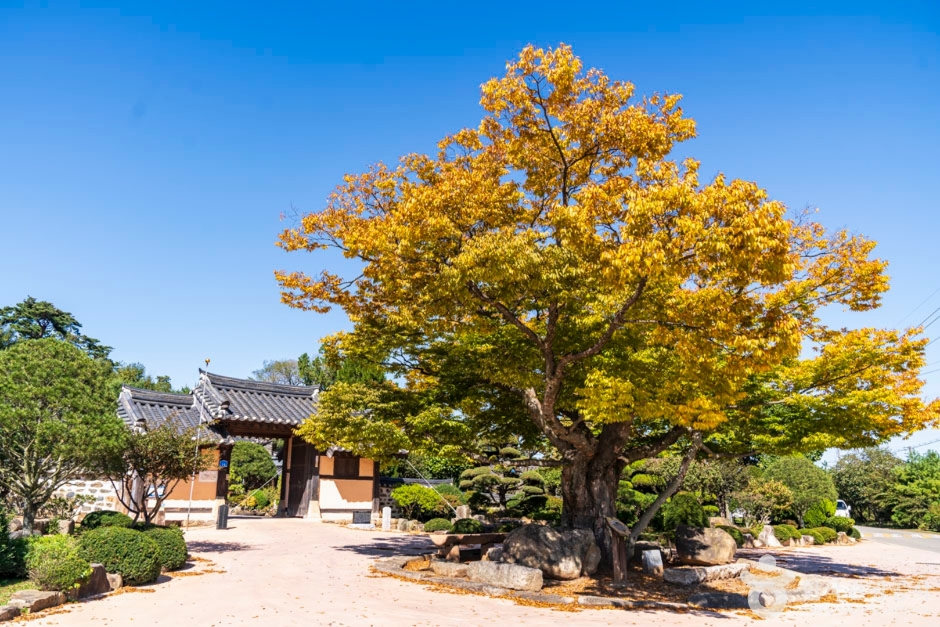
Birth Home of Queen Jeongsun is the house where Queen Jeongsun (1745-1805), the queen consort of King Yeongjo (1694-1776), the 21st monarch of the Joseon dynasty (1392-1897), lived until she became queen in 1759. It is estimated to have been built in the 17th century and features the architectural characteristics of hanok, with its distinctive "ㅁ" shape and tiled roof.
Chuyangsa Shrine (추양사)
13.9Km 2024-01-15
25 Jisan 5-gil, Seobu-myeon, Hongseong-gun, Chungcheongnam-do
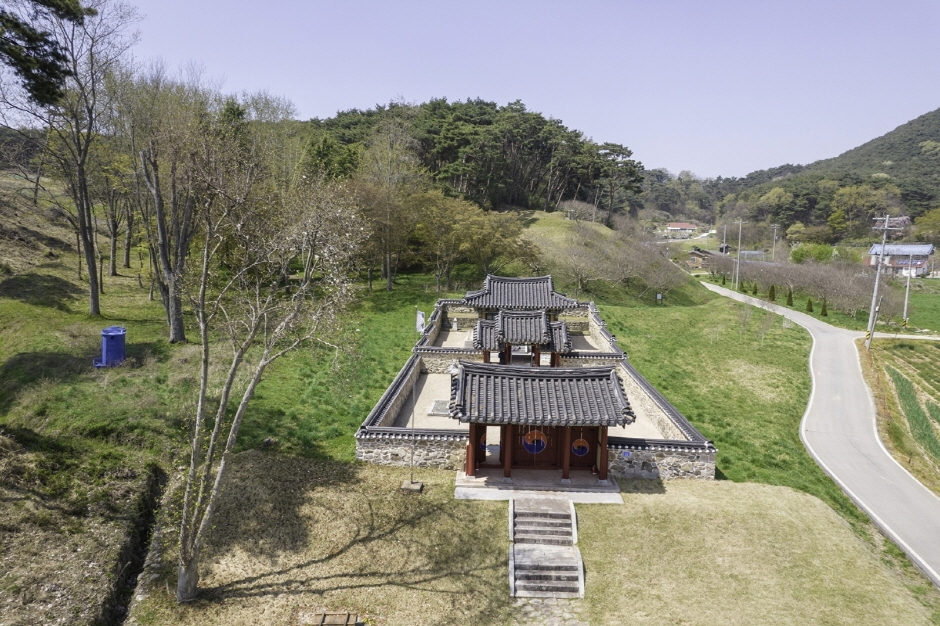
Chuhyangsa Shrine is located in Hongseong-gun, Chungcheongnam-do, and is dedicated to Kim Bokhan, also known as Jisan. The site holds memorial rites every year for the followers and descendents of Kim Bokhan.
Hongseong Jeongchungsa Shrine (정충사 (홍성))
15.0Km 2024-01-15
40-1 Pangyo 1-gil, Seobu-myeon, Hongseong-gun, Chungcheongnam-do
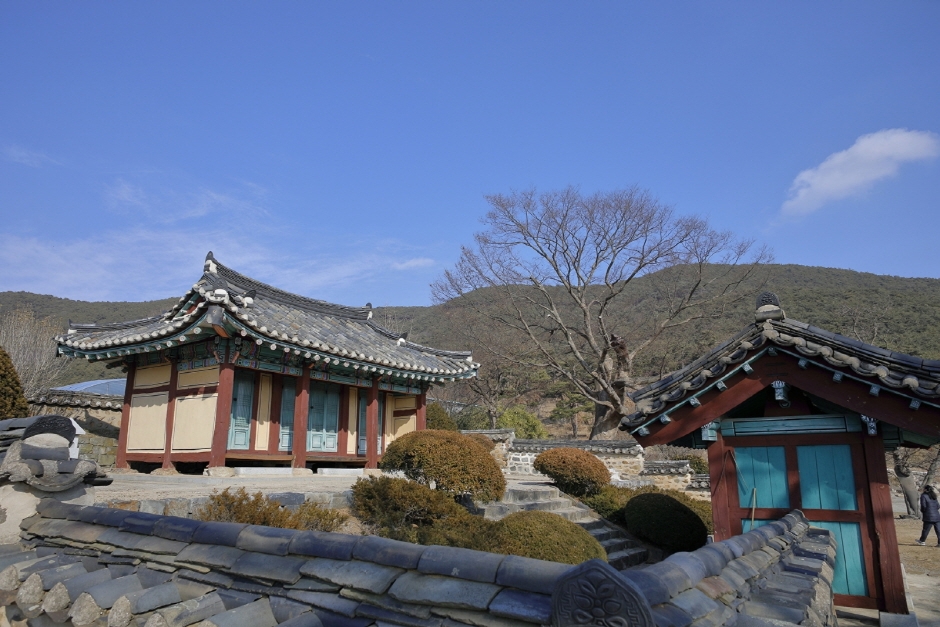
Jeongchungsa Shrine is located in Hongseong-gun, Chungcheongnam-do. It was first built in 1632, and was then rebuilt after a time of disrepair in 1872. The shrine was designated as a cultural heritage of Chungcheongnam-do on October 20, 2009.
Imjonseong Fortress (예산 임존성)
15.7Km 2025-01-07
San 28 Masi-ri, Yesan-gun, Chungcheongnam-do
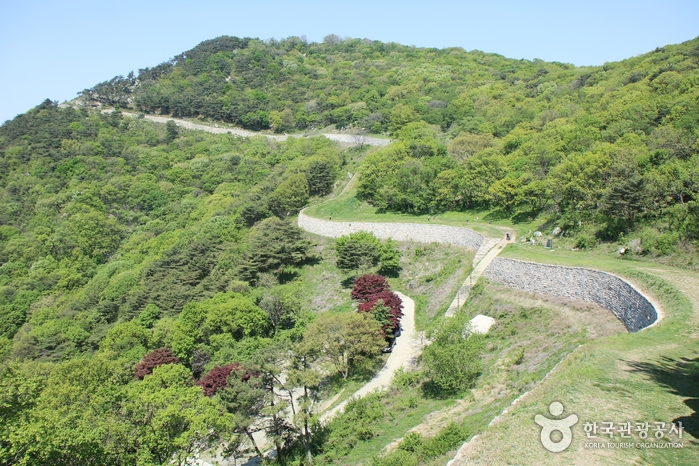
Imjonseong Fortress (also known as Daeheungsanseong Fortress) is located at the top of Bongsusan Mountain between Yesan-gun and Hongseong-gun in Chungcheongnam-do. This stone fortress was designed as a place to launch attacks against enemies. One of the ways in which those in the fortress fended off intruders was to unleash the water from the giant fortress well and let it gush down the mountain towards the oncoming forces.
The fortress wall is about 2.5 meters high and 3.5 meters wide and has a 7 to 8-meter ditch that runs alongside the southern wall. Compared with other Korean fortresses, Imjonseong Fortress is higher and about 2 meters thicker. It is the largest fortress of the Baekje Kingdom and has become the subject of much research.
History shows that the fortress was the central hub of the Restoration Movement of the Baekje Kingdom (18 BC - AD 660). In the 20th year of the reign of King Uija (Baekje dynasty), the kingdom was defeated by the united forces of the Silla Kingdom and the Tang dynasty (currently, China). Boksin (a cousin of King Uisa), a monk, and Heukchisangji stayed at the fortress for three years while trying to return the king to power.
As one walks along the winding trail, the view of Daeryeonsa Temple comes in to view and as once at the top, the spectacular views of Oseosan, Baekwolsan, and Gayasan mountains unfold. Those who come to the fortress from Masa-ri, Gwangsi-myeon, can drive and park their car in the parking lot located right below the fortress.

Picturesque Arboretum (Gallery in the Garden) [그림같은 수목원(그림이 있는 정원)]
15.9Km 2024-02-26
102-36, Chungseo-ro 400beon-gil, Gwangcheon-eup, Hongseong-gun, Chungcheongnam-do
The Picturesque Arboretum has nearly 1,330 species of plants, including 460 species of trees, with particular emphasis on pine trees. It is home to a Wildflower Garden, Greenhouse, Lotus Garden, Rock Garden, Observatory, Art Museum, Rhododendron Road, Waterfall, Korea Traditional Furniture Exhibition Hall, Nature Ecology Center, and a café.
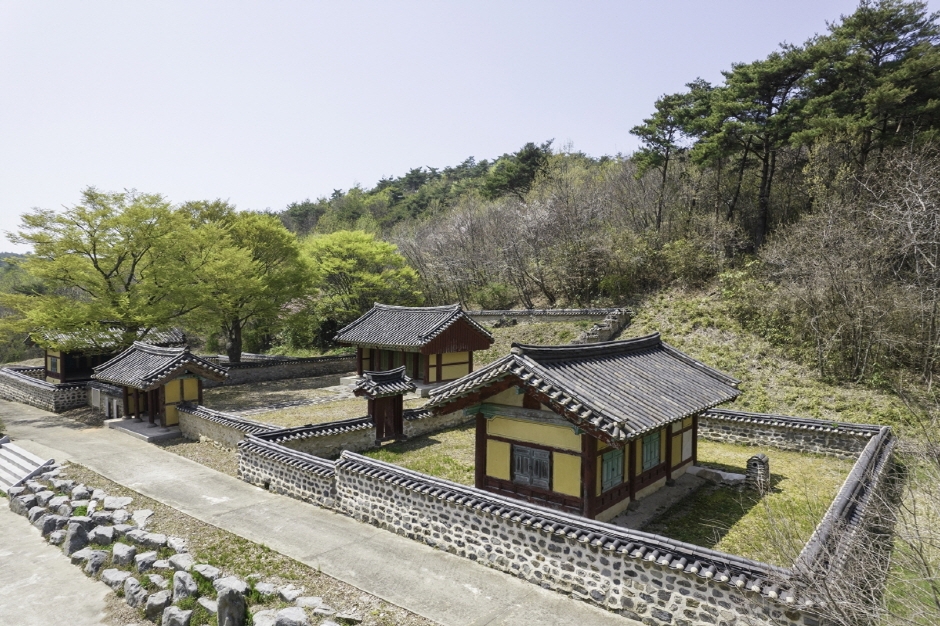
Yanggoksa Shrine (양곡사)
16.0Km 2024-01-16
131-31 Hongnamseo-ro, Seobu-myeon, Hongseong-gun, Chungcheongnam-do
Yanggoksa Shrine is located in Yanggok-ri, Hongseong, and enshrines the memorial tablets of Han Won-jin, and his disciples Song Neung-sang, and Kim Han-rok. The shrine was built in 1772 to commemorate Han Won-jin, and then was later rebuilt in 1987 with the addition of Song Neung-sang and Kim Han-rok's memorial tablets.
 English
 한국어
한국어 日本語
日本語 中文(简体)
 Deutsch
 Français
 Español
 Русский


