Gyodonggaon / 교동가온
452.3M 2025-08-12
73-1, Eunhaeng-ro, Wansan-gu, Jeonju-si, Région Jeonbuk
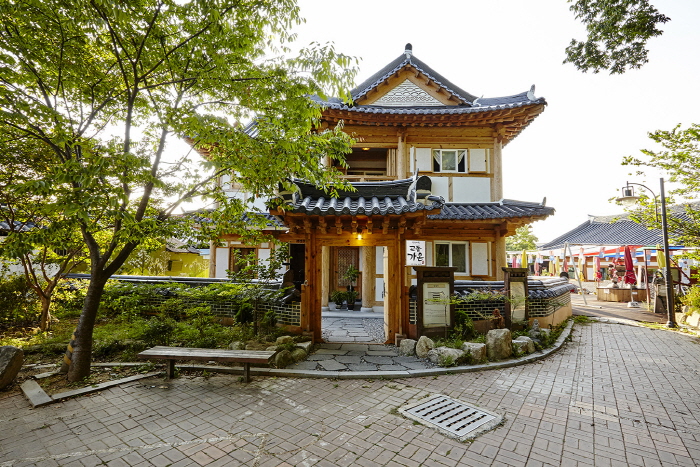
Gyodong Gaon is located right in the middle of the main street of Jeonju Hanok Village. The word "gaon" means "middle" in Korean. It's a two-story traditional Korean house that stands out among the rest of the traditional Korean houses in the alley leading to Omokdae. Just inside the gate is a yard with colorful flower trees, jars of sauces, and furnace. The mural on one of the walls is popular among the guests as a place to take photos.
The "numaru", or "loft" in Korean, overlooks the Hanok Village, and is one of the best places in the village to get a closer look at the 500 year old zelkova tree and the foot of the mountain nearby. Open to all the guests, the "numaru" is very popular during the winter as well as the summer. It's an open space with a wooden floor, so it's very cool during the summer, and it also serves as an observatory to enjoy the view of all the snow-covered trees and roofs in the Hanok Village during the winter while having a hot cup of tea.
The owner of the guesthouse has been living here for 37 years. He rebuilt his house and turned it into a hanok guesthouse in 2014 while making sure the rooms are well insulated and comfortable to stay.
He built a two-story building to make an efficient use of the space, and focused on making all the rooms look different. The house has five rooms, and only the “Meomulda Room” on the first floor is the only rooms with a living room separated from the bedroom. All you have to do is open the door to enjoy the view of the yard, Hanok Village, and Omokdae. The “Nanuda Room” on the second floor is the largest one that can accommodate more than five people, making it the most popular choice among families. The "Damda Room" and "Kkumkkuda Room" both have an attic that can be reached by a ladder. The attic is big enough to sleep two adults, and some guests actually sleep there for a unique experience. One of the walls of the attic is finished with cypress wood which has a pleasant scent. The “Geurida Room” has the best view through the two windows on the either side of the room, in addition to warm sunlight and cool wind that come through the window. Modern, not traditional, doors are installed in all the rooms for better sound proofing and insulation.
Gyodong Gaon offers a number of experience programs, such as traditional games like “gulleongsoe”, “tuho", and “Korean top”, As well as “sabang chigi”, “sampalseon”, and “ttangttameokgi”.
Many Korean adults are familiar with these games, while children and foreigners can find these games interesting. All these traditional Korean games are free to play.

Marché de Nambu à Jeonju (전주 남부시장)
493.9M 2025-08-12
63 Pungnammun 2-gil Wansan-gu Jeonju-si Région Jeonbuk
Le marché traditionnel de Jeonju Nambu a ouvert ses portes en 1905 sur l'ancien site du marché de "Nammunbak" à l'ère de Joseon. Il y a environ 800 échoppes de légumes, de fruits, de poissons séchés, de meubles, de soie, etc.
Aujourd'hui, un nouveau souffle s'est levé sur le marché avec l'arrivée de jeunes commerçants. Ils ont transformé les magasins précédemment vides au deuxième étage du marché en magasins artisanaux pour donner une ambiance originale à ce lieu.
Le marché de nuit qui s'ouvre le vendredi et le samedi attire ainsi des visiteurs de tous âges avec une multitude de délices, allant des plats traditionnels tels que le nokdujeon (galette de haricot mungo) à des recettes de fusion comme le rouleau de bibimbap.
Jeonggahanog / 정가한옥
512.7M 2025-03-05
78-3, Girin-daero, Wansan-gu, Jeonju-si, Région Jeonbuk
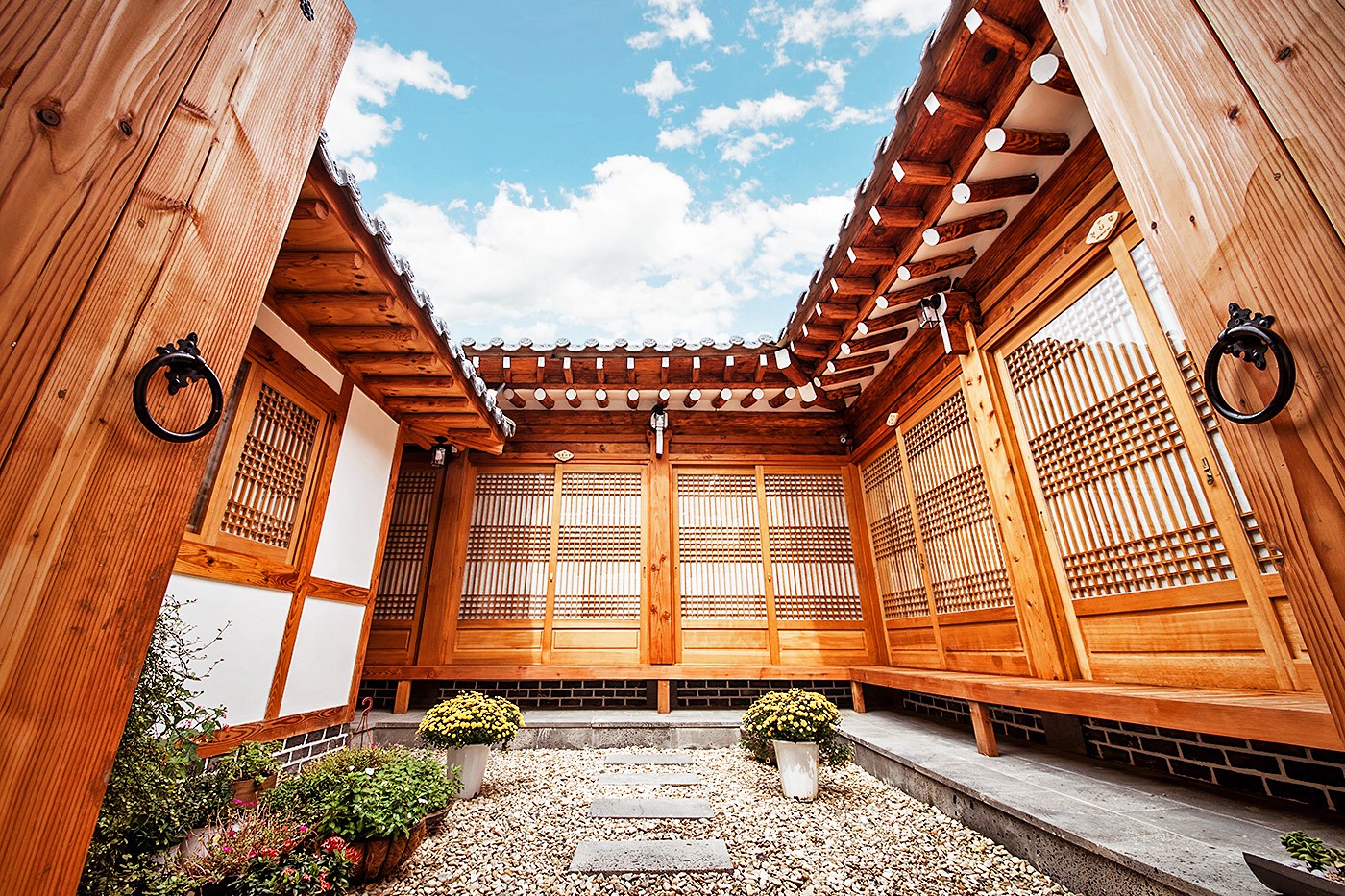
Jeongga Hanok is a space where the traditional beauty of hanok and the modern comfort co-exists. The newly built Hanok is neat and pleasant. When you enter the small cobbled yard, the porch and the eaves will welcome you, and you’ll find that the rooms are filled with delicate wood fragrance. The interior is furnished with Korean cypress trees and red clay. In particular, the Cypress Tree room is all made of cypress trees, from the walls to the ceiling, making guests feel like they are lying in a forest. Maple Room and Ginkgo Tree Room, meanwhile, have attics.
Jeongga Hanok faces Jeonju Hanok Village with the Girin-daero in the middle. Hanok Village is just across the road. Major attractions such as Gyeonggijeon, Jeondong Catholic Cathedral, and Jeonjuhyanggyo Confucian School are all within walkable distance. Omokdae, which offers an unhindered view of Hanok Village, is located over the pedestrian overpass. Jaman Mural Village, famous for colorful mural and cozy cafes, is about 300 meters away and a great spot for selfie lovers.
Hakindang / 학인당
522.9M 2025-08-12
45, Hyanggyo-gil, Wansan-gu, Jeonju-si, Région Jeonbuk
Hagindang was built by the same master builder and carpenter who took part in building the palaces. It's the oldest traditional Korean house in Jeonju Hanok Village and a city/province-designated Folklore Heritage No. 8 situated in Hyanggyo-gil. It has a tall gate in the middle of high walls on either side, behind which are a large front yard with a pond as well as trees surrounding the pond. The house behind this pond is in perfect harmony with the landscape. Right next to the tall gate are a detached building called “sarangchae” and an area designated for experiencing Korean tradition, including another detached building called “byeoldangchae” behind the main building named “Hagindang.” Bonchaedaegwan, which consists of three rooms named “Baekbeomjisil,” “Haegongjisil,” and “Injaejisil” exude elegance and grace The “sarangchae” is a stand-alone building with two rooms with an open living room called "daecheong" in between, making it a perfect place for an entire family to stay. The "byeoldangchae" has a total of three rooms, and the first one (Room No. 1) has a tea room with three windows made of thin wooden frames on three sides. Hagindang serves traditional Korean breakfast like the head family.
Gaeksa-gil (객사길)
524.6M 2024-04-08
10-1, Jungang-dong 2-ga, Wansan-gu, Jeonju-si, Région Jeonbuk
Les maisons Gaeksas, qui ont été installés dans chaque village pendant la période de Goryeo et de Joseon, étaient des logements destinés à accueillir des envoyés étrangers ou des fonctionnaires venus d'autres régions.
Dans le centre-ville de Jeonju, ce type de logement existe encore et la rue la plus animée du vieux centre-ville de Jeonju a été construite autour de cet espace. C'est la raison pour laquelle on appelle cette rue la rue « Gaeksa-gil ».
Gaeksa-gil, qui abonde en magasins et restaurants franchisés, est très prisé par les habitants de la localité et les touristes. Le Festival international du film de Jeonju près de la Gaeksa-gil constitue notamment un moment culturel important de la région. Ce festival, considéré comme l'un des trois meilleurs festivals de cinéma en Corée, est axé sur les films indépendants et a fait émerger de nombreux films remarqués et de nouveaux acteurs. Tout près de la Gaeksa-gil, se trouve également le Studio du film de Jeonju et plusieurs salles de cinéma, c'est pourquoi on l'appelle aussi cette rue la « rue du cinéma ». En vous rendant à Gaeknidan-gil, vous pourrez trouver des restaurants, des cafés et des magasins de vêtements ciblant les cinéphiles.
Omokdae et Imokdae (오목대와 이목대)
553.9M 2025-08-12
1-3, Gyodong 1-ga, Wansan-gu, Jeonju-si, Région Jeonbuk
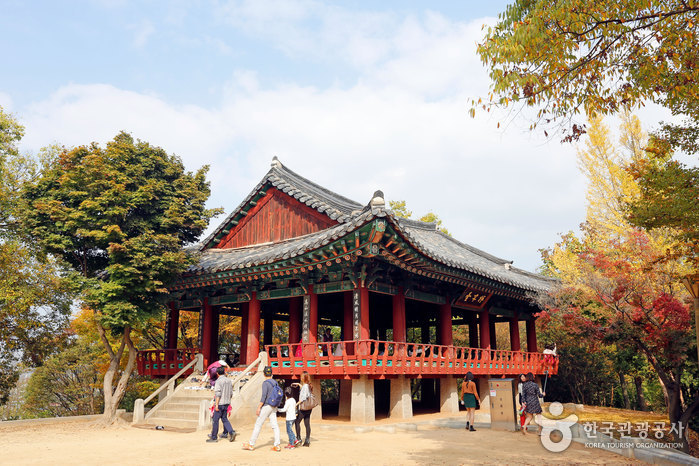
Omokdae, situé en haut d'une colline est le lieu où Yi Seong-gye (qui devint plus tard le Roi Taejo) s'arreta pour célébrer sa victoire lors d'une bataille contre l'armée japonaise au Mont Hwangsan à Unbong vers la fin de la période Goryeo. C'est aussi là où Mokjo, l'un des ancêtres de Yi Seong-gye, vécut. Plus tard, le Roi Gojong y établit une statue monumentale, “Taejogohwang Jejupilyujibi” avec une phrase écrite de sa propre main. De l'autre côté de Yukgyo, à partir d'Omokdae, se trouve Yimokdae, au pied du Mont Seungamsan où Chimyeongjasan, sité sacré pour les catholiques demeure. A 80 m de Yimokdae se trouvent un mémorial et une maison. “Mokjodaewang Gugeoyuji”, la phrase gravée sur le monument en pierre, fut écrite par le Roi Gojong en personne. Mokjo est le cinquième ancêtre du Roi Taejo, qui fonda la Dynastie Joseon. Imokdae est connue pour être le lieu où Mokjo vécut, jouant à des jeux de formation de bataille avec ses amis étant enfant. Cette anecdote apparait également dans le Yongbieocheonga (ballade du 15e siècle narrant la longévité nationale et la réussite culturelle). Mokjo se rendit à Hamgyeong-do à partir d'Imokdae (à Jeonju) en raison de la querelle qu'il eut avec le Jeonju Busan (officiel de l'etat gouvernant la région de Jeonju). Yi Seong-gye pensa que le départ de Mokjo était quelque chose ayant été guidé par les dieux afin qu'il (Yi Seong-gye) puisse fonder Joseon et devenir le premier roi de la dynastie.
Bu Yong Heon / 부용헌
569.6M 2025-03-04
149-3, Hyanggyo-gil, Wansan-gu, Jeonju-si, Région Jeonbuk
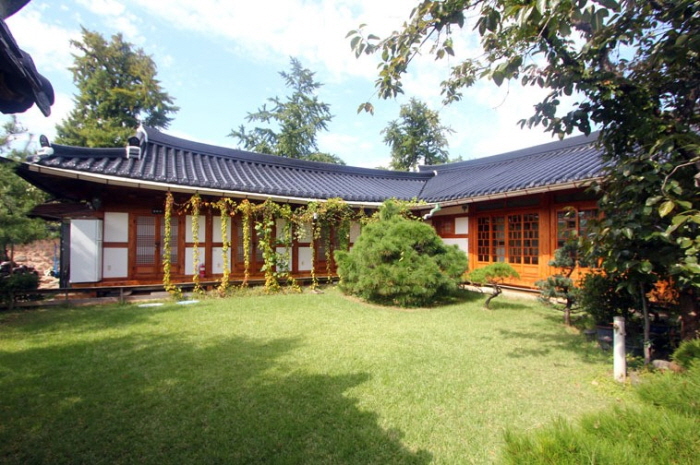
Buyongheon is located in Jeonju Hanok Village. Precisely speaking, Buyongheon is the very next door to Jeonju Hyanggyo (Confucian Temple and School). Across the alley are Jeonju Hyanggyo Culture Center and Wanpanbon Culture Center. If you walk a few more steps, you will reach Jeonju Hanbyeok Culture Center where you can see various performances and experience the culture and foods of Jeonju. Omokdae can be seen from the garden of Buyongheon. Across the Jeonjucheon Stream is the National Intangible Heritage Center.
The beginning of Buyongheon is deeply related with Jeonju Hyanggyo. In around 1935, the local bureaucrats lived around the Hyanggyo after building 12 houses one after another. Most of them came from rich families. These collective houses were called Buyong Houses, which meant rich houses. The name Buyongheon originated from Buyong Houses. The rooms of Buyongheon are composed of Toenmaru Bang, Daecheong Maru Bang, Large Daecheong Maru Bang and Big Sarangchae. The interior of the rooms looks neat with the beauty of blank space as they excluded unnecessary decorations. Carefully prepared breakfast is served upon request made in advance. Visitors can also experience traditional culture such as traditional etiquette education and Korean paper art.
In fall, the yellow leaves of the ginkgo tree in the garden of Jeonju Hyanggyo lights up the roof of Buyongheon. It is recommendable to walk along the Jeonjucheon Stream and take pictures of the colorful murals and the cafes in the Jaman Mural Village located on the left sie of the Hanok Village. It takes 15 minutes from Jeonju Station and 10 minutes from Jeonjuu Express Bus Terminal to Buyongheon by taxi.

Hanok Garden in Jeonju / 전주한옥마당
597.1M 2025-03-05
80-13, Jeonjucheondong-ro, Wansan-gu, Jeonju-si, Région Jeonbuk
Jeonju Hanok Madang is located in the Jeonju Hanok Village. Jeonjucheon Stream and Namcheongyo Bridge are only one block away, whereas Gangam Calligraphy Museum, Jeonjuhyangyo Confucian School, Jeonju Hanbyuk Culture Center, Nambu Market, and Markbu Market Youth Mall are nearby. Major attractions of the Jeonju Hanok Village such as Gyeonggijeon, Jeondong Catholic Cathdral, and Omokdae are also within walking distance.
The main building and servants’ quarters of Jeonju Hanok Madang were built in 1941. It was renovated to retain the original shape of the traditional hanok, yet cozy and comfortable enough for modern people to use. Porches are attached to every room while Faith Room and Hope Room have additional inner floors attached to it. Inside the rooms are rafters, beams, wooden pillars walled with Hanji wallpapers, and ribs of lattice doors. There is a clean bathroom in each room.
The yard is the place the owner couple cherishes the most. Guests can enjoy the yard in any room just by opening the door. It is a combination of jar stands, a small pine tree, and small potted plants. Different flowers bloom from spring through autumn. It is such a pleasure to sit on the porch and appreciate the scene. In autumn, the persimmon tree bears fruits and dried persimmons hang from the eaves.
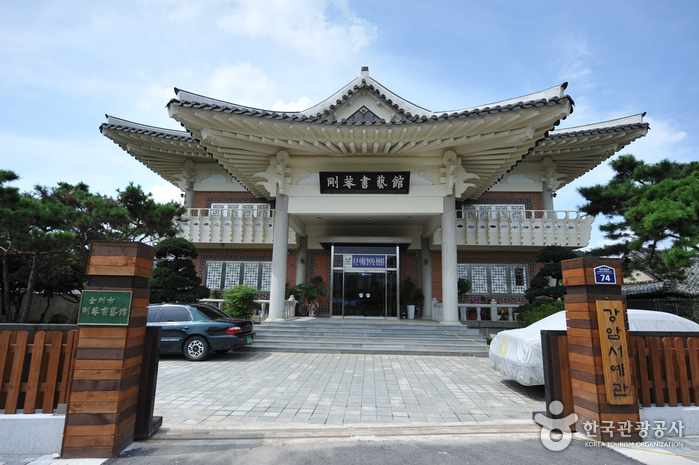
Musée de la calligraphie Gangam (강암서예관)
616.2M 2024-04-07
74, Jeonjucheondong-ro, Wansan-gu, Jeonju-si, Région Jeonbuk
Inauguré en 1995, le musée Gang-am est un établissement spécialisé en calligraphie. Situé dans le village des hanok (maisons traditionnelles coréennes) de Jeonju, il expose environ mille œuvres de calligraphes illustres tel que Kim Jeong-Hui (1786-1856, peintre, calligraphe et savant), Lee Sam-Man (1770-1845, calligraphe), Kim Hong-Do (1745- ?, peintre), Jeong Yak-yong (1762-1836, savant), etc.. Le musée s’étend sur 872 ㎡, il comporte des salles d’expositions et des salles de conférences. Sa collection comprend 1.162 pièces.
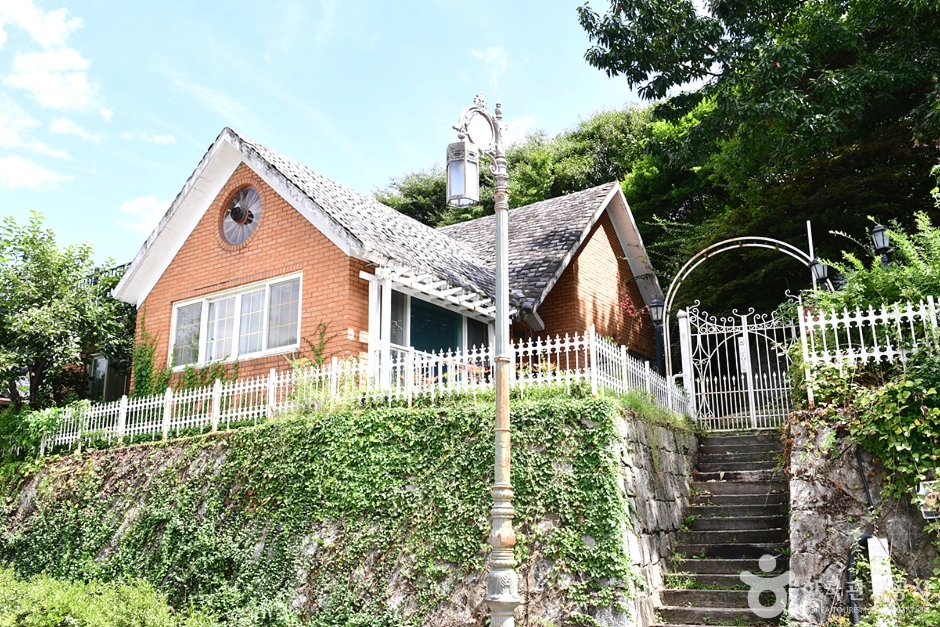
Maison 2521, prononcée « i-o-i-il » (이오이일)
633.3M 2025-08-12
5-19, rue Omokdae, Wansan-gu, Jeonju, province autonome spéciale de Jeonbuk (Gyodong)
2521 est un hébergement indépendant situé au cœur du village hanok de Jeonju. Il s’agit également de la maison du personnage principal Na Hee-do dans le drama Vingt-cinq, vingt-et-un. Lors de la réservation, le propriétaire peut installer des accessoires identiques à ceux utilisés dans la série.
Les clients peuvent profiter d’un barbecue dans la cour et admirer la vue panoramique du village hanok depuis la terrasse sur le toit. L’hébergement peut accueillir jusqu’à huit personnes.
 Français
 한국어
한국어 English
 日本語
日本語 中文(简体)
 Deutsch
 Español
 Русский


