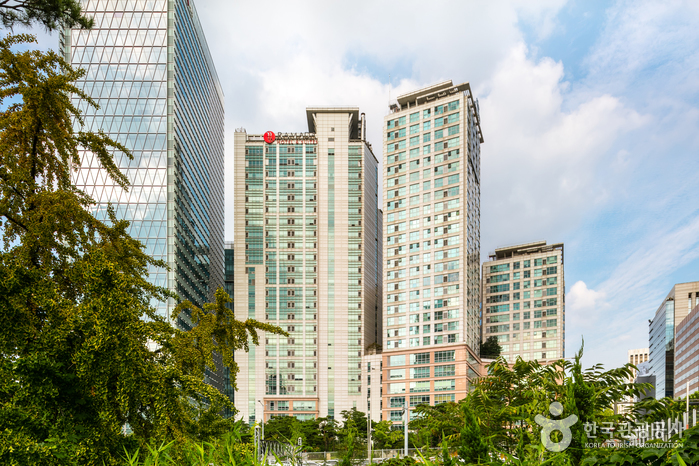
Ramada Hotel & Suites by Wyndham Seoul Namdaemun / 라마다 호텔앤스위트 서울남대문
2.1Km 2025-08-12
27, Chilpae-ro, Jung-gu, Seoul
Ramada Hotel & Suites by Wyndham Seoul Namdaemun is located in Sunhwa-dong, Jung-gu, at the center of Korea’s capital. Its location gives guests excellent access to Seoul’s major tourist sights, and some major sights like Namdaemun Market, the City Hall, Myeongdong, Gwanghwamun Gate, and Deoksugung Palace are reachable on foot. Seoul Station and City Hall Station are located nearby for good access to public transportation. The hotel is often used by international visitors to Seoul.
There are 244 rooms in total, from Superior Double and Twin to Deluxe Double and Twin, Triple, Premier Twin, Quad, Junior Suite Double, Corner Suite, Atrium Suite Family, etc. Facilities include a restaurant, a conference room, a cafe, an underground arcade, and a currency exchange kiosk. The business center offers copying, printing, scanning, and fax services. Up to 2 dogs can be brought into the room, but dogs carry a surcharge for cleaning per day and dog.
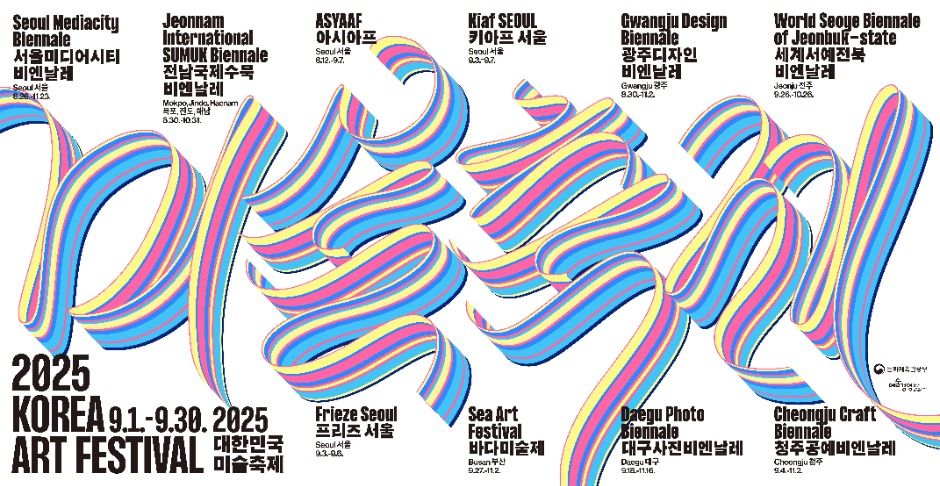
Festival de Arte de Corea (대한민국 미술축제)
2.2Km 2025-07-31
Daehak-ro 57, Jongno-gu, Seúl
070-7575-0980
El Festival de Arte de Corea es el festival de arte más grande del país y conecta las 12 principales ferias y bienales de arte que se celebran en todo el territorio nacional. La edición de 2025 se celebra durante todo el mes de septiembre e invita a los visitantes a disfrutar del mundo del arte.
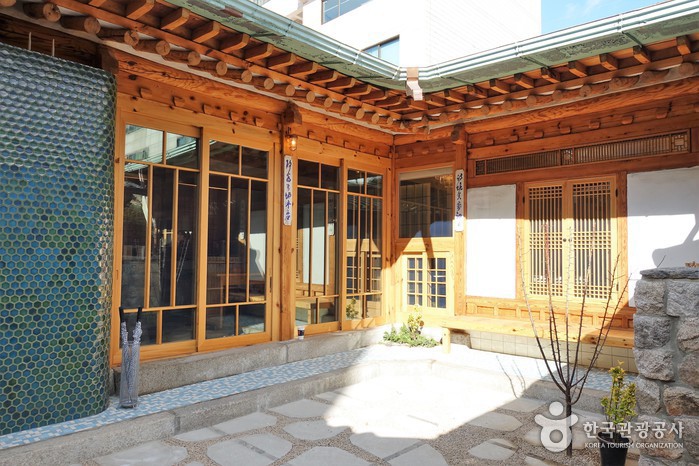
Hyehwa1938 / 혜화1938
2.3Km 2025-08-12
7, Sungkyunkwan-ro 16-gil, Jongno-gu, Seoul
Located in (no suggestions)-dong of Seoul, Hyehwa 1938 is a lodging facility which is based on the remodeling of an 80-year- old traditional Korean house. A traditional Korean house expert initially wanted to use it as an office but later decided to turn it into a guest house due to its large size. As a result, the unique beauty of traditional Korean house was revived while improving practicality. The Woojeong room and Sarang room are now resized to accommodate max 8 persons which used to be only max 4 in the past. Despite the remodeling, the aura and atmosphere of the traditional Korean house is well preserved. Inside the room, you can see that the chandelier of the rich house in the '30s are accompanied by modern furniture and electronics which maintain unique harmony. Open the windows to see sansuyu and maehwa along with other various seasonal trees with beautiful colors and also the space such as edges and sewers are well arranged to avoid any discomforts with your eyesight. The heart of architecture offers only two rooms for guests, and you are all welcome to enjoy the true beauty of Korea.
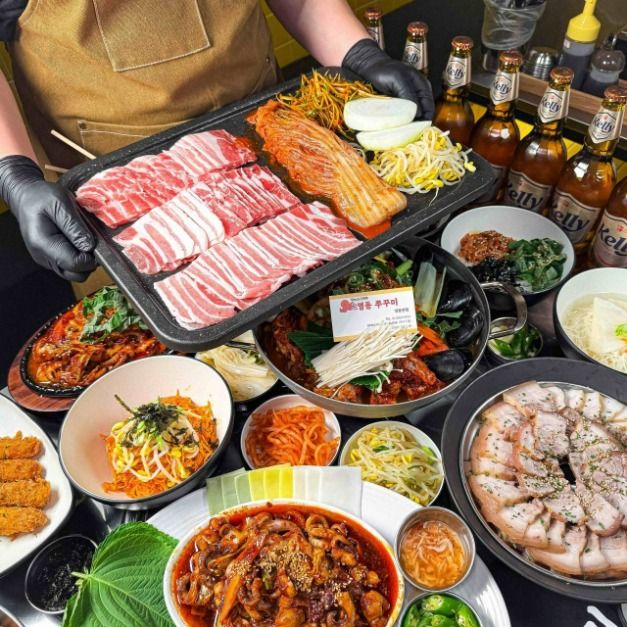
Myeongdong Jjukkumi (명동쭈꾸미)
2.3Km 2025-10-23
3-28, Toegye-ro 6-gil, Jung-gu, Seoul
Myeondong Jjukkumi is a jjukkumi (ocellerated octopus) restaurant located in Jung-gu, Seoul. It only takes about a 1-minute walk from Hoehyeon Station (Seoul Subway Line 4), Exit 2, a convenient location for both tourists and people who work in the area. Main menu items consist of jjukkumi and samgyeopsal (grilled pork belly), pork galbi (rib meat), bossam (cabbage wraps with pork), among other set menus. All dishes are cooked in the kitchen, and are known for their spicy kick and savory taste. The restaurant can accommodate group guests as it has a spacious hall as well as outdoor tables. Customers dining at the restaurant can help themselves to more side dishes at the self-service side dish bar and enjoy a hearty meal at a reasonable price.
Bokidang (복이당)
2.3Km 2025-09-16
3-28, Toegye-ro 6-gil, Jung-gu, Seoul
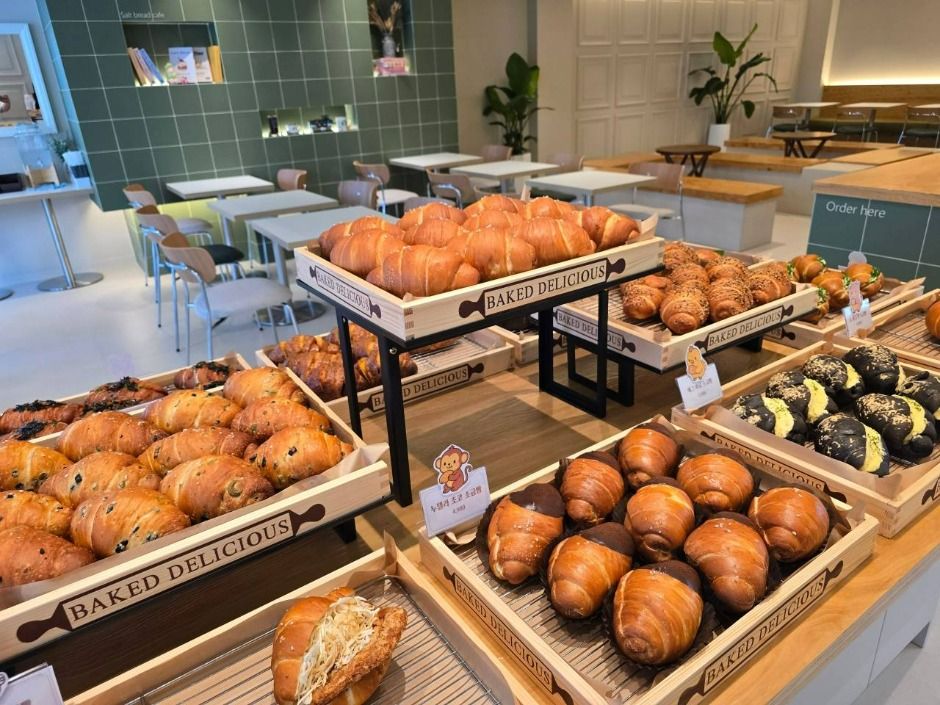
Bokidang is a handmade salt buns specialty bakery cafe located in Jung-gu, Seoul. It is conveniently located just a 30-second walk from Exit 2 of Hoehyeon Station, situated in an area with high foot traffic from office workers and tourists. Bokidang presents handmade salt bread and beverages made with carefully selected fresh ingredients, with the hope that "everyone who eats will be blessed." The signature menu features a lineup of salt breads inspired by the 12 zodiac animal characters, each embodying health, wishes, and small happiness in a single bite. The store has a clean and warm atmosphere with an indoor seating area and outdoor seating, accommodating group guests and offering takeout for added convenience.
Centro de Arte ARKO (아르코미술관)
2.3Km 2025-09-15
Dongsung-gil 3, Jongno-gu, Seúl.
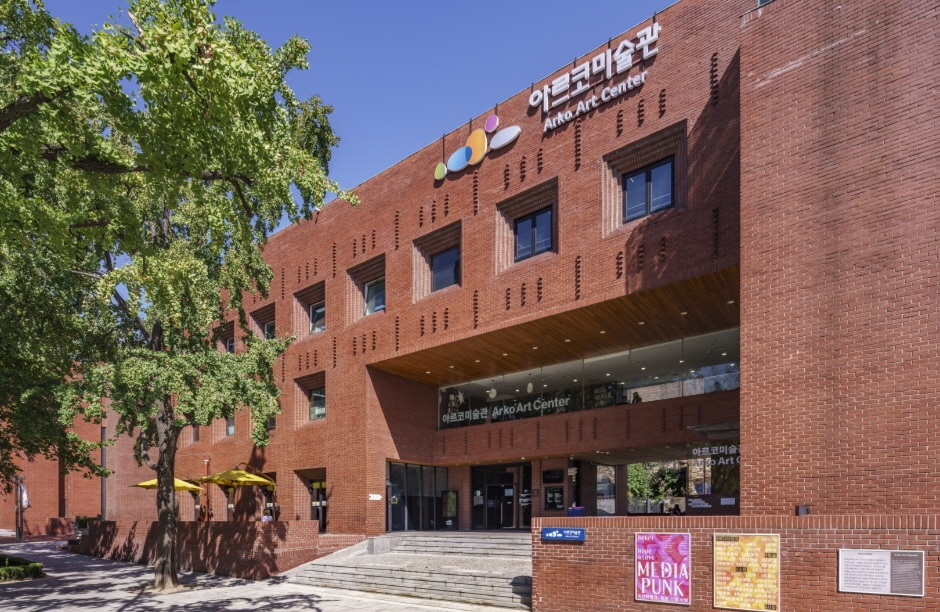
El Centro de Arte ARKO fue fundado en 1974 como Misulhoegwan en un edificio del antiguo Hospital Deoksu en Gwanhun-dong, Jongno-gu, Seúl, para ofrecer un espacio de exposiciones que resultaba muy necesario para artistas y grupos artísticos. En 1979, Misulhoegwan se mudó a su edificio actual, diseñado por el preeminente arquitecto coreano Kim Swoo-geun (1931-1986) y ubicado en el Parque Marronnier, el antiguo terreno de la Universidad Nacional de Seúl. Los dos edificios de ladrillo vecinos que albergan el Centro de Arte ARKO y el Teatro ARKO son los principales puntos de referencia del área de Daehangno.
A medida que más museos públicos y privados y galerías comerciales ingresaron a la escena artística en la década de 1990, Misulhoegwan pasó a curar y presentar sus propias exposiciones. Renombrado como Centro de Arte Marronnier en 2002, el Centro de Arte ARKO asumió un sistema de museo integral de arte y desempeñó un papel cada vez más destacado como organización de arte pública líder en cuanto al paradigma del arte contemporáneo. Cuando la Fundación para la Cultura y las Artes de Corea renació como Consejo de las Artes de Corea, el Centro de Arte Marronnier se convirtió en el Centro de Arte ARKO, con el nombre de la abreviatura de Consejo de las Artes de Corea en 2005.
El Centro de Arte ARKO se compromete a funcionar como una plataforma donde la investigación, la producción, las exposiciones y el intercambio de actividades creativas crezcan y se desarrollen en conexión entre sí, además de contar con una diversidad de programas que incluyen exposiciones temáticas que abordan la agenda social y programas públicos que promueven ampliamente diversos discursos en el mundo del arte.
Parque Marronnier (마로니에공원)
2.3Km 2021-07-07
Daehak-ro 104, Jongno-gu, Seúl.
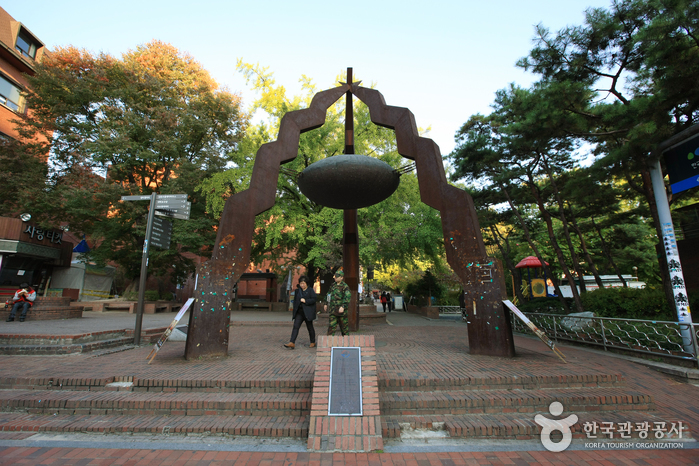
El parque Marronnier tiene en su centro un árbol “marronnier” (castaño de Indias –Aesculus-) simbólico, y en el área se congregan toda clase de centros de eventos culturales al aire libre, exhibiciones de escultura y centros de arte. El área comenzó a desarrollarse en 1975, cuando la Universidad Nacional de Seúl fue trasladada aquí, y unos 50 teatros pequeños y 500 cafés concentrados en el área hicieron a este lugar un sitio de reunión y relajación enormemente querido por los jóvenes y ancianos por igual. El parque se vuelve especialmente concurrido los fines de semana, cuando las multitudes se congregan para compartir los eventos culturales. Las bandas y los cantantes, así como los grupos de baile y los comediantes se reúnen y dan actuaciones in situ. Los adivinos y los artistas callejeros también se hallan aquí y le dicen su fortuna o le dibujan retratos. El parque tiene muchos árboles y bancos para sentarse y relajarse, convirtiéndolo en el lugar ideal para la relajación y los paseos pausados. El parque Marronnier es una parte de Daehangno, la famosa calle conocida como la “meca de las obras”. Además de las obras, aquí hay muchas actuaciones culturales y restaurantes interesantes y cafés que hacen de este lugar el destino habitual de reunión favorito de muchos jóvenes.

Teatro ARKO (아르코예술극장)
2.3Km 2025-09-15
Daehak-ro 8-gil 7, Jongno-gu, Seúl.
El Teatro ARKO fue inaugurado el 1 de abril de 1981 con el objetivo de desarrollar las arte escénicas, promover su popularidad y ofrecer oportunidades a las organizaciones artísticas y culturales con problemas económicos. Este teatro ha contribuido al progreso de las artes escénicas de Corea. Su aparición contribuó al nacimiento de otros teatros y juntos lograron que el barrio de Dongsung-dong se convirtiera en el corazón de las artes escénicas de Corea.
Iglesia Católica Yakhyeon de Seúl (서울 약현성당)
2.4Km 2023-02-22
Cheongpa-ro 447-1, Jung-gu, Seúl
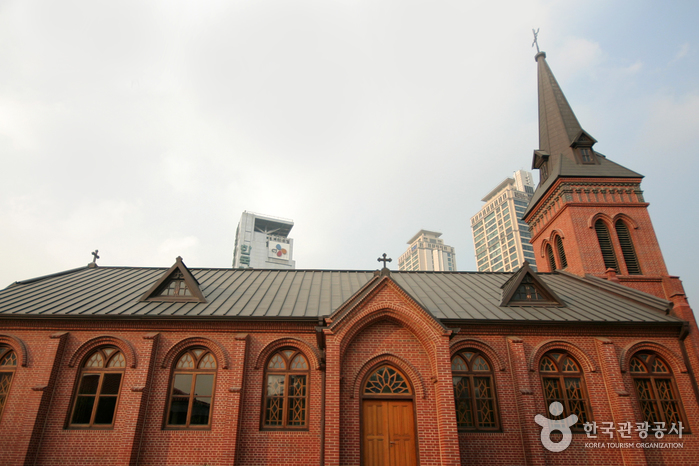
La Iglesia Católica Yakhyeon fue fundada como consecuencia de la libertad religiosa proclamada en el 23º año de reinado de Gojong (1866) y su subsiguiente incremento de la población católica. En 1891, el padre jefe de la Catedral Católica de Myeongdong, llamado Doucet, preparó un terreno en Hap-dong. El vicearzobispo Coste estuvo a cargo del diseño y construcción, y finalmente el edificio fue completado en 1892. El nombre de la iglesia proviene de “Yakjeonhyeon”, que significa colina de hierbas medicinales. Eso se debe a que el lugar donde la iglesia está situada era un cerro cubierto de plantas terapeúticas. Luego, “Yakjeonhyeon” fue acortado a “Yakhyeon” y así se denominaba a un área cercana a la cuesta entre Malli-dong y la Estación de Seúl. La Iglesia Católica Yakhyeon fue el primera iglesia de estilo occidental en Corea. Es la arquitectura gótica con la estructura cruciforme de 12 metros de ancho y 32 metros de largo. Asimismo posee ventanas arqueadas y una puerta ojival.
Suyeonsanbang (수연산방)
2.4Km 2024-07-19
8, Seongbuk-ro 26-gil, Seongbuk-gu, Seoul
Suyeonsanbang, a traditional Korean tea house located in Seongbuk-dong, was originally the house where the late Korean author Lee Tae-Jun wrote many of his books. Now, his estate has opened Suyeonsanbang’s doors to the public in the form of a charming and peaceful tea house. Famous for its savory tea, beautiful nature, and rich history, Suyeonsanbang has been covered by a variety of foreign media outlets like NHK (Japan), BBC (UK), French TV channels, and numerous Japanese magazines. To take a break during the summer heat, visitors come to Suyeonsanbang to try their patbingsu (shaved ice with red beans), one of its summer specialties. So come relax and be inspired in this traditional Hanok tea house.
 Español
 한국어
한국어 English
 日本語
日本語 中文(简体)
 Deutsch
 Français
 Русский


