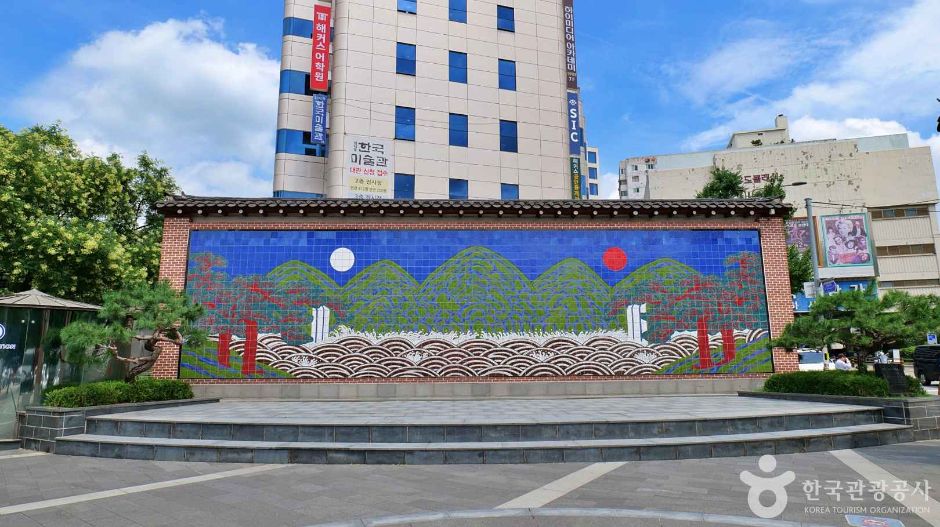
Barrio de Insa-dong (인사동)
11.8Km 2025-05-30
Insadong-gil 62, Jongno-gu, Seúl
El barrio de Insa-dong, situado en el corazón de la ciudad, es un lugar importante donde se intercambian artículos antiguos, pero valiosos. En la zona de Insa-dong hay una calle principal con un laberinto de callejuelas que se despliegan a cada lado. En aquellas callejuelas hay galerías, restaurantes tradicionales, casas de té tradicional y cafés. Las tiendas en Insa-dong son muy populares entre los grupos de todas las edades gracias al ambiente singular y único que ofrece cada una de ellas.
Las galerías de arte son el mismísimo latir del corazón de Insa-dong. En él hay un centenar de galerías donde se pueden contemplar todo tipo de ejemplares de las bellas artes de Corea, desde pinturas hasta esculturas. Entre las galerías de arte más famosas se encuentran la Galería Hakgojae, que funciona como el centro de arte folclórico; la Galería Gana, que promueve a muchos artistas de talentos prometedores, y el Centro de Arte Gana.
Las casas de té y los restaurantes complementan perfectamente las galerías de bellas artes. Al principio podrá resultar difícil hallarlos, pero si se toma el tiempo suficiente para recorrer las pequeñas calles serpenteantes, la “búsqueda” en sí puede llegar a ser divertida. En caso de que deseara elegir una sola casa de té de las cientas que hay aquí, Gwicheon podría llegar a ser el lugar ideal para conocer. La esposa del poeta Cheon Sang-byeong es su propietaria. El lugar no es muy grande, pero allí podrá ver fotos y libros de poetas famosos. El té de membrillo es el mejor de esta casa y es famoso por su fragancia.
Todos los domingos está prohibido el acceso de los coches a las calles del área de 10:00 a 22:00 por ordenanza municipal, de modo que el lugar se convierte en un espacio cultural. Precisamente este es el momento en el que los comercios se vuelcan fuera a exponer sus artículos. No solo las tiendas que están aquí sino también gente de todas partes viene aquí e instala puestos de comercio ambulante. De todos estos se pueden mencionar, como ejemplo, los vendedores de dulces coreanos y los adivinos ancianos.
También se desarrollan interpretaciones de obras tradicionales y exhibiciones. Insa-dong es especialmente popular entre los turistas extranjeros, pues aquí pueden ver y vivir directamente la experiencia de la cultura tradicional coreana, y también porque pueden adquirir piezas de bellas artes. En la calle podrá probar melcochas coreanas y el tradicional pajeon (tortilla coreana), y ver a numerosos extranjeros sumidos en las alegres festividades.

Imun Seolnongtang (이문설농탕)
11.8Km 2025-08-08
38-13, Ujeongguk-ro, Jongno-gu, Seoul
Imun Seolnongtang has been serving its hearty seolleongtang for over a hundred years since it first opened in 1907. Even its name has a long history: the word imun comes from Imun-gol, the now-obsolete name of the restaurant’s location, and seolnongtang, an old variation of the word seolleongtang. During the Japanese ocupation rule, the restaurant’s regular customers included Gijeong Son, the marathon gold-medalist at the 1936 Berlin Olympics. To make the rich seolleongtang broth, beef meat and bones are simmered for more than 15 hours. Try putting rice and minced green onion in your seolleongtang for a warm and tasty experience. Kkakttugi (diced radish kimchi), provided as a side dish, is also delicious.
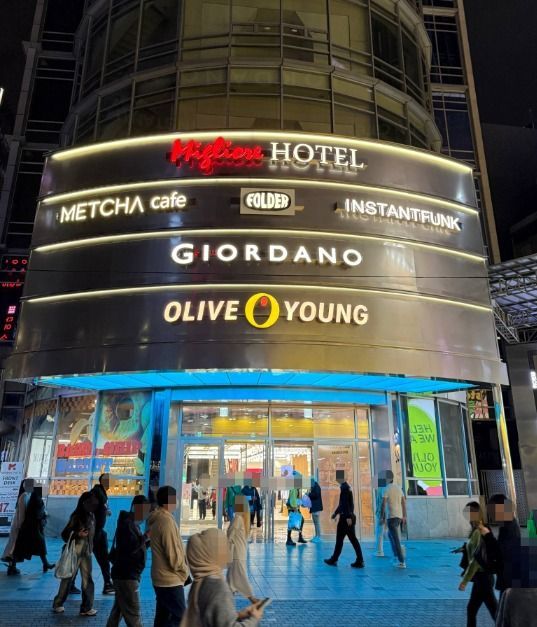
Migliore (Sucursal de Myeong-dong) (밀리오레 명동점)
11.8Km 2025-02-06
Toegye-ro 115, Jung-gu, Seúl.
El centro comercial Migliore de Myeong-dong reabrió sus puertas en agosto de 2024 tras unas tareas de remodelación. Está conectado directamente con la Estación de Myeongdong de la línea 4, en Seúl. El barrio atrae a una gran cantidad de compradores, especialmente jóvenes en sus 20. Hay gran disponibilidad de carteles indicativos para extranjeros en inglés, japonés y chino. El centro comercial se encuentra en los pisos 1 y 2 del edificio, mientras que desde el piso 3 hasta el 17 funciona un hotel.
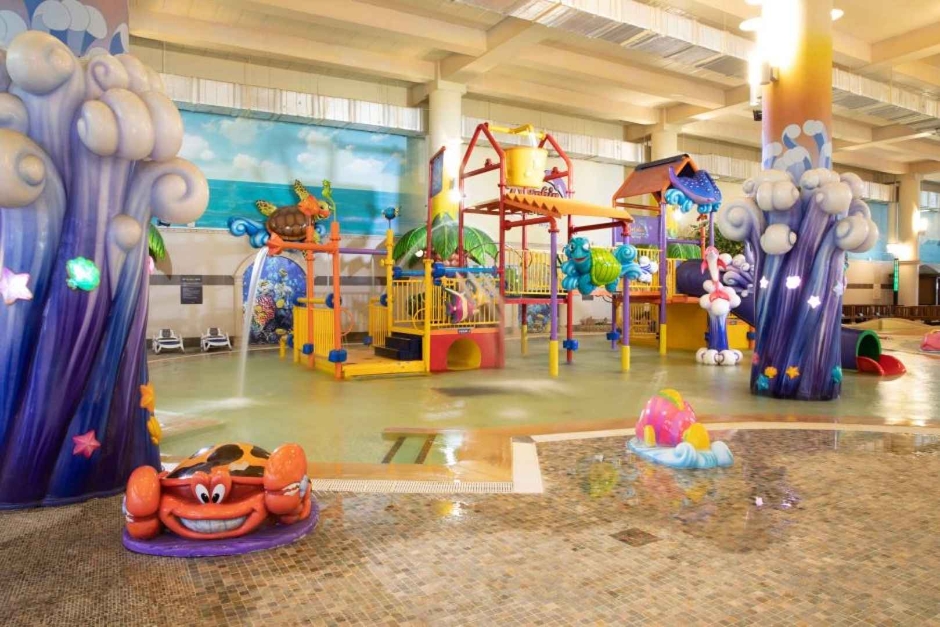
Woongjin Playdoci (웅진플레이도시)
11.8Km 2025-08-13
Jomaru-ro 2, Wonmi-gu, Bucheon-si, Gyeonggi-do
Localizado en la ciudad de Bucheon, provincia Gyeonggi-do, es una remodelación del antiguo Tiger World, que tuvo su reapertura el día 11 de diciembre de 2009. Siendo un espacio recreativo para las personas de todas las edades, consta con un parque acuático, estación de esquí, campo de golf, etc., entre otras instalaciones de ocio y de deporte. El parque acuático cubierto cuenta con el establecimiento de 7 toboganes de agua, variedad de piscinas con la instalación de hidromasajes, bar acuático, piscina de olas, piscina infantil, baño de pies con peces doctores, etc., entre otro tipo de piscinas temáticas, donde podrá relajarse y disfrutar del spa. La estación de esquí bajo techo tiene la forma de un arco, con las dimensiones de 270 m de longitud, pistas de 70 m de anchura, la instalación de un trasladador automático que facilita el movimiento, y, como produce nieve artificial 4 veces al día, es ideal para gozar del esquí, el snowboard y los trineos de nieve durante todo el año.
Museo de Artesanía de Seúl (SeMoCA) (서울공예박물관)
11.8Km 2025-05-28
Yulgok-ro 3-gil 4, Jongno-gu, Seúl
El Museo de Artesanía de Seúl (SeMoCA, por sus siglas en inglés) es el primer museo público de artesanía en Corea y abrió sus puertas en el barrio de Anguk-dong, Seúl, en julio de 2021. La inauguración se produjo tras la renovación de cinco edificios de la antigua escuela secundaria femenina Pungmoon. El SeMoCA estudia y comparte no solo obras, sino también información, registros y entornos relacionados con la artesanía, con el objetivo de convertirse en una plataforma dinámica para experimentar los valores técnicos, prácticos, artísticos y culturales de la artesanía.
El SeMoCA alberga una colección que abarca diversas artesanías y materiales artesanales que abarcan múltiples campos y épocas, desde lo tradicional hasta lo actual. También organiza exposiciones que presentan la historia de la artesanía, desde el arte tradicional hasta el contemporáneo, así como artesanías locales e infantiles, junto con programas que utilizan las instalaciones, los archivos, la biblioteca y el sistema de gestión de recursos del museo.
El sitio donde se encuentra el museo tiene profundas raíces históricas, ya que también es el solar del Palacio Secundario de Anguk, donde se construyó un palacio independiente como residencia real para el hijo del rey Sejong, el príncipe Yeongeung, y sirvió como sede de celebraciones reales, como la boda del rey Sunjong. Su ubicación, en el centro del distrito de Jongno-gu, es donde los maestros artesanos de la era Joseon producían y entregaban sus obras.
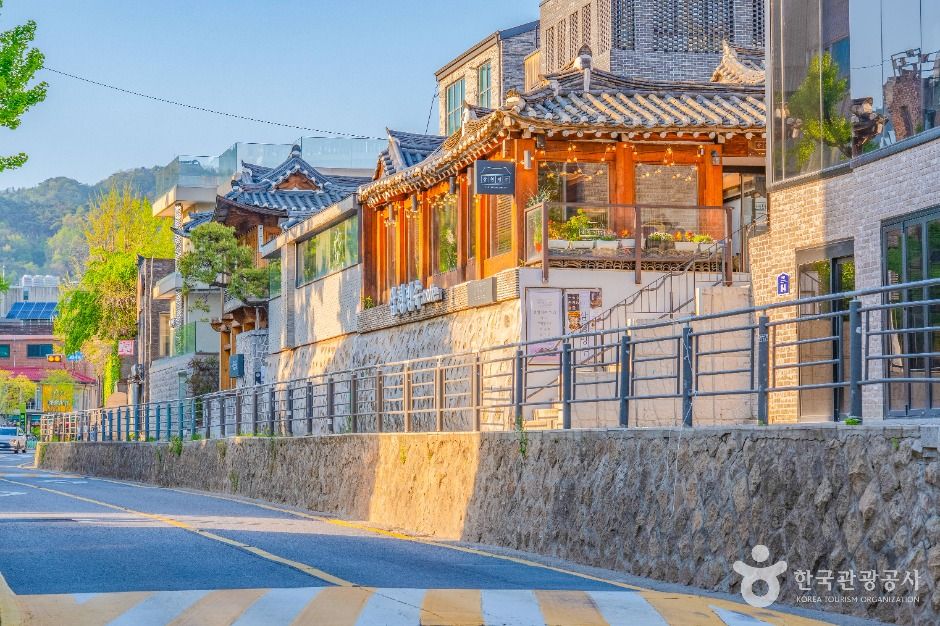
Calle Samcheongdong (삼청동거리)
11.8Km 2025-08-13
Samcheong-ro 156, Jongno-gu, Seúl.
El paseo Samcheongdong abarca desde el este del palacio Gyeongbokgung hasta el túnel Samcheong. El Parque Samcheong, ubicado al final del paseo Samcheongdong, es famoso por sus densos bosques y su hermoso paisaje. Es un lugar tranquilo e ideal para descansar en el centro de la ciudad. Además, las galerías y los cafés a ambos lados de Samcheongdong son muy concurridos por artistas.
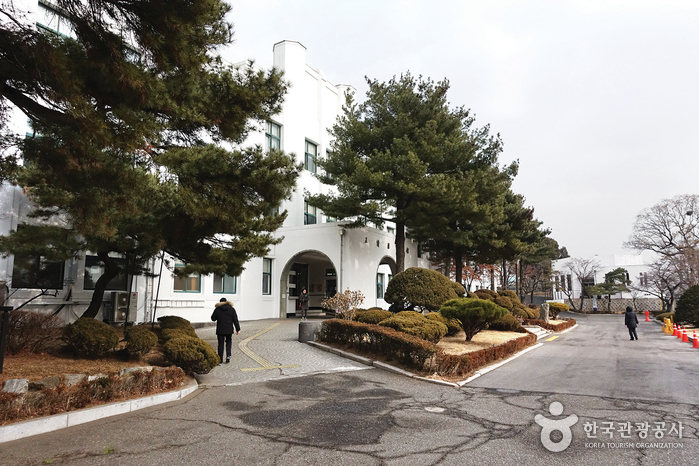
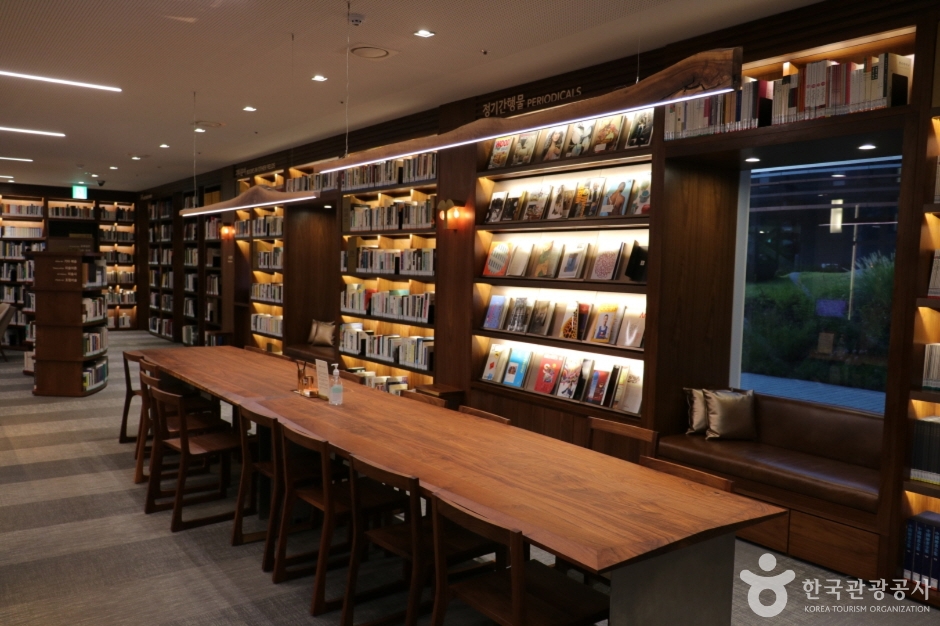
Biblioteca Jeongdok (서울특별시교육청 정독도서관)
11.8Km 2021-08-05
Bukchon-ro 5-gil 48, Jongno-gu, Seúl
La biblioteca fue fundada en el año 1977 en el antiguo Colegio Secundario Gyeonggi, ubicado en Bukchon de Jongno-gu, Seúl. Conserva aproximadamente 490.000 libros, 16.300 materiales no textuales, etc., y, en el edificio anexo podrá encontrarse con más de 12.000 materiales académicos. Su finalidad es contribuir en la educación y en el desarrollo cultural, ofreciendo información actualizada, fuentes de estudio y cultural a los ciudadanos de Seúl. Más allá de ofrecer el servicio de alquiler de textos y funcionar como un espacio de lectura, también realiza variedad de programas culturales; encuentro con autores, exposición fotográfica, club de lectura, teatro de marionetas, concierto musical, espectáculo de danzas, etc. La otra gran diversión de la biblioteca es la función de películas.
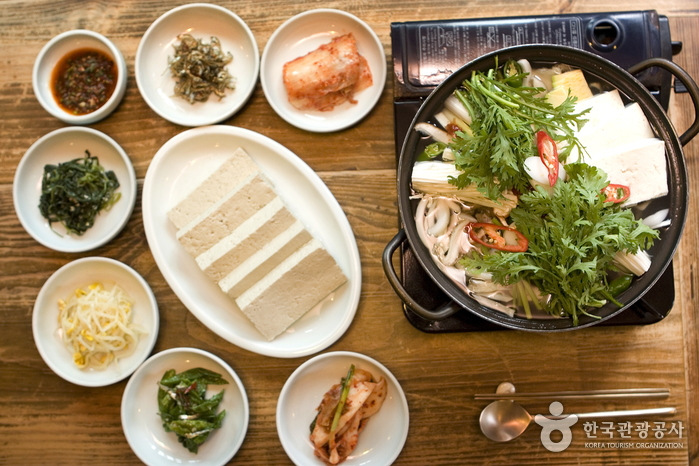
Onmaeul (온마을)
11.8Km 2025-07-18
127, Samcheong-ro, Jongno-gu, Seoul
A place that sells dishes made with beans, which are good for the health. This restaurant's signature menu is pureed soybean stew. This Korean dishes restaurant is located in Jongno-gu, Seoul.
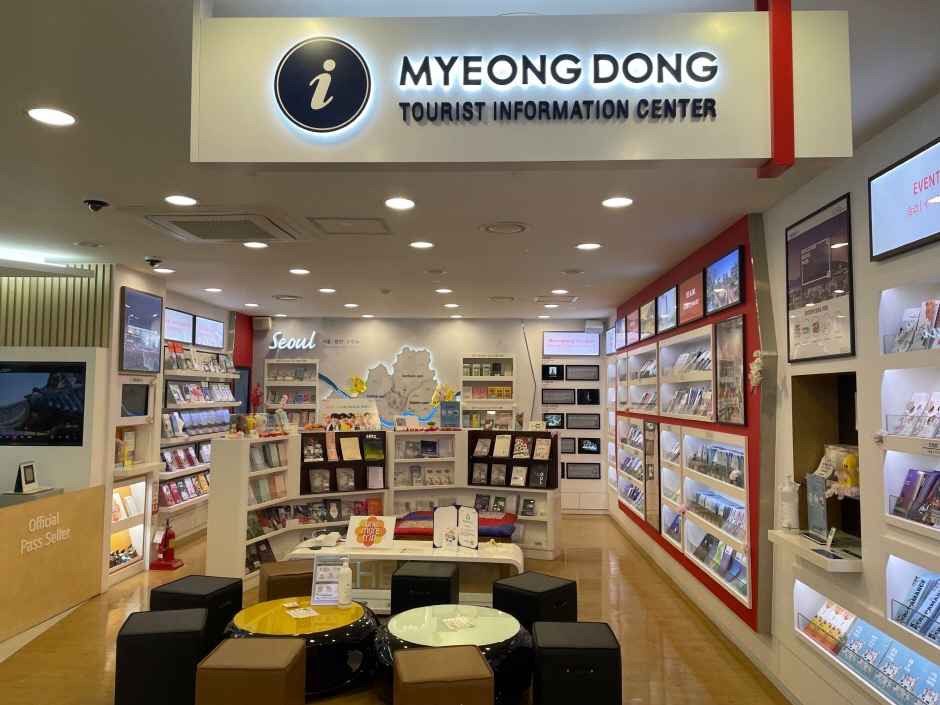
Centro de Información Turística de Myeong-dong (명동관광정보센터)
11.8Km 2023-01-16
Eulji-ro 66, Jung-gu, Seúl
El Centro de Información Turística de Myeong-dong ofrece servicio en inglés, chino y japonés. Asimismo, proporciona información sobre festivales, compras y conciertos en Seúl.
Sarangchae (사랑채)
11.9Km 2025-05-14
6, Insadong 16-gil, Jongno-gu, Seoul
Sarangchae is located in Insa-dong, one of the most famous neighborhoods visited by tourists. Majority of the restaurant's customers are foreigners, and they offer reasonably priced Korean dishes that are highly popular among foreign visitors.
 Español
 한국어
한국어 English
 日本語
日本語 中文(简体)
 Deutsch
 Français
 Русский


