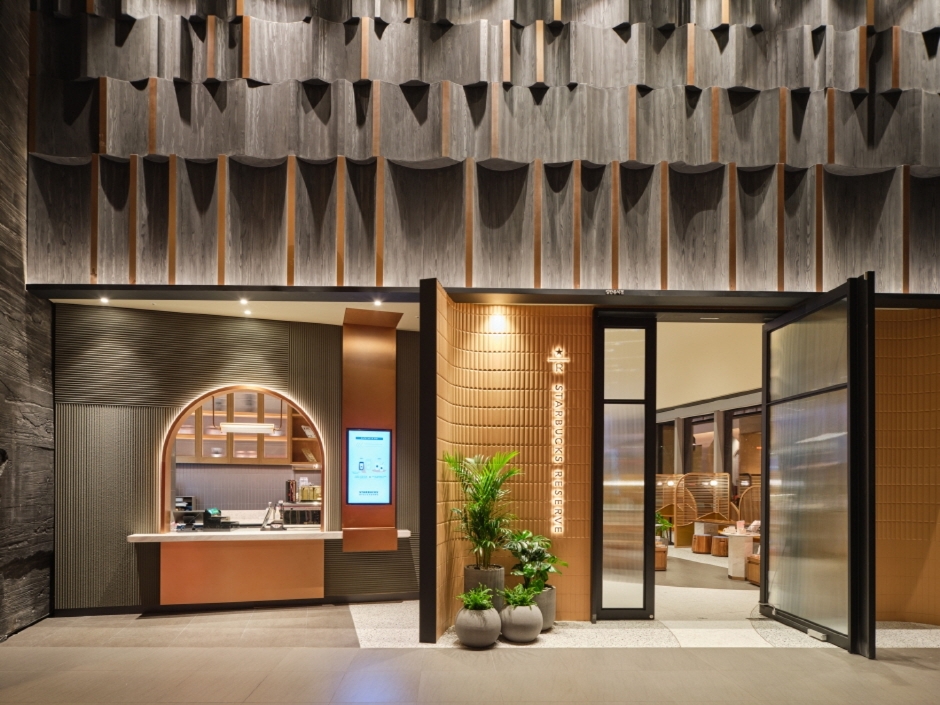
Starbucks - Byeoldabang (스타벅스 별다방)
11.7Km 2024-12-27
Toegye-ro 100, Jung-gu, Seúl
Su nombre, Byeoldabang, toma las palabras byeol ("estrella", en coreano) y dabang (un tipo de antigua taberna coreana, donde se solían consumir bebidas y charlar) se ubica en pleno centro urbano de Seúl y se abrió para celebrar el vigesimosegundo aniversario de la fundación de Starbucks Korea. Aquí se venden café de tipo reserva y alimentos elaborados bajo conceptos novedosos. Uno de sus principales atractivos es su entorno digital y sus vídeos creativos difundidos en el interior del local que atraen a numerosos visitantes. Así, se puede apreciar El viaje de la sirena, donde se ve el derrotero de una sirena que lleva el mensaje del café por el mar, durante el día y la noche.
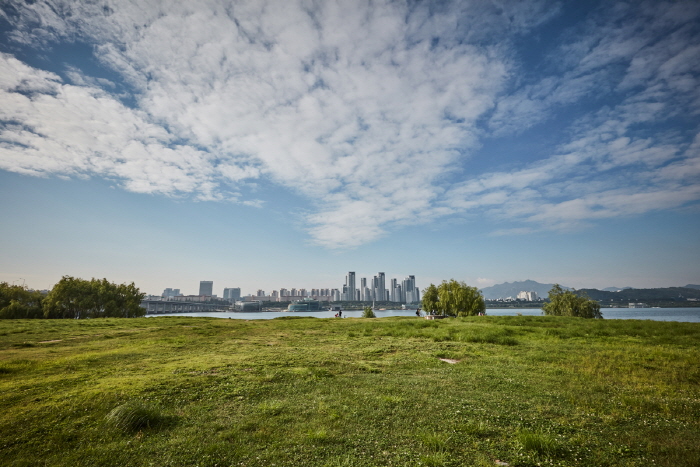
Parque Ichon del Río Hangang (이촌한강공원)
11.7Km 2021-07-27
Ichon-ro 72-gil 62, Yongsan-gu, Seúl.
Situado entre los puentes Jungnangcheongyo y Wonhyodaegyo, el Parque Ichon del Río Hangang es un lugar muy visitado por la gente por su hermoso paisaje y por ser un lugar ideal para hacer ejercicios o para dar un paseo tranquilo.
El parque cuenta con muchas instalaciones deportivas como la Plaza de la Juventud, campo de fútbol, tenis, gateball, pistas de patinaje en línea, etc. También hay programas de rafting en lancha de goma, muy popular entre los estudiantes y trabajadores de oficina, ya que son ideales para aliviar el estrés acumulado durante la semana.
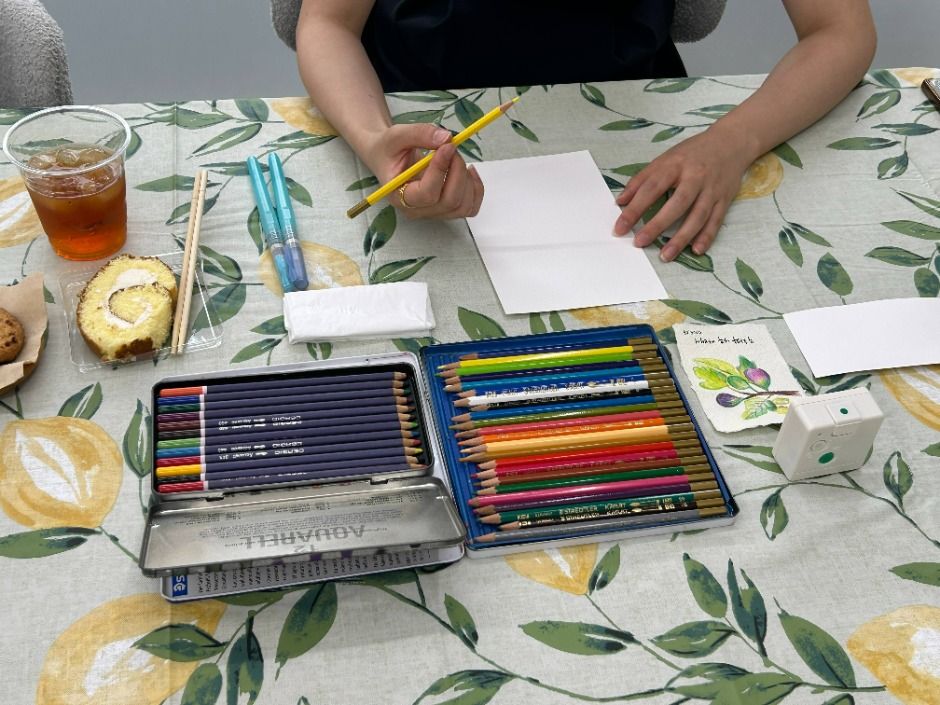
Arteaspoon (아티스푼)
11.7Km 2025-09-04
Sinheung-ro 36-gil 7, Yongsan-gu, Seúl
Ubicado en las Escaleras al Cielo de Huam-dong, del distrito de Yongsan-gu en Seúl, Arteaspoon ofrece programas culturales y artísticos basados en pintura, música, libros y cuentos. Dado que se encuentra al pie del monte Namsan, con vistas a Namsan Seoul Tower, es un ambiente ideal para programas que fomentan la expresión de emociones a través de los cinco sentidos, como chistes, conversaciones y autorreflexión. También hay programas específicos para extranjeros sobre la cultura y el arte de Corea.
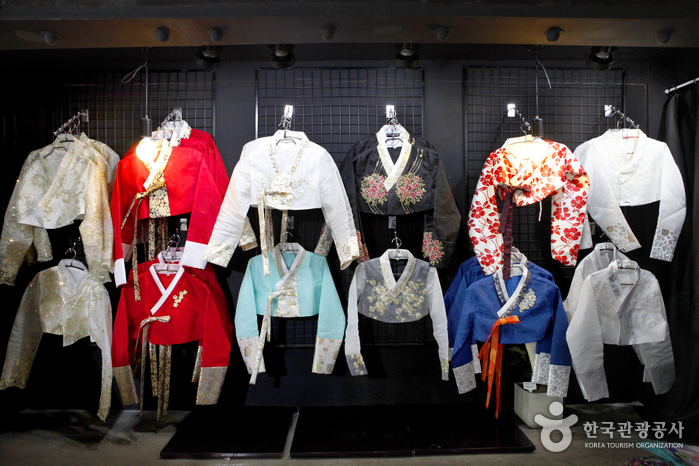
Hanboknam (한복남)
11.7Km 2025-07-11
Sajik-ro 133-5, Jongno-gu, Seúl
Hanboknam nace en Jeonju en el año 2012 para difundir la belleza del traje tradicional coreano: hanbok. En 2015 fue seleccionado como Empresa Creativa de Turismo por el Ministerio de Cultura, Deportes y Turismo de Corea. Al año siguiente, abrió las puertas de su tienda en Bukchon, Seúl. En este lugar, los turistas pueden encontrar todos los tipos de hanbok: desde el de los reyes hasta el de los pobres. Con solo elegir un hanbok, los personales te recomiendan el resto de los accesorios. En cuanto al horario del alquiler, disponen de 1 hora 30 minutos, 2 horas 30 minutos, 4 horas y un día entero.
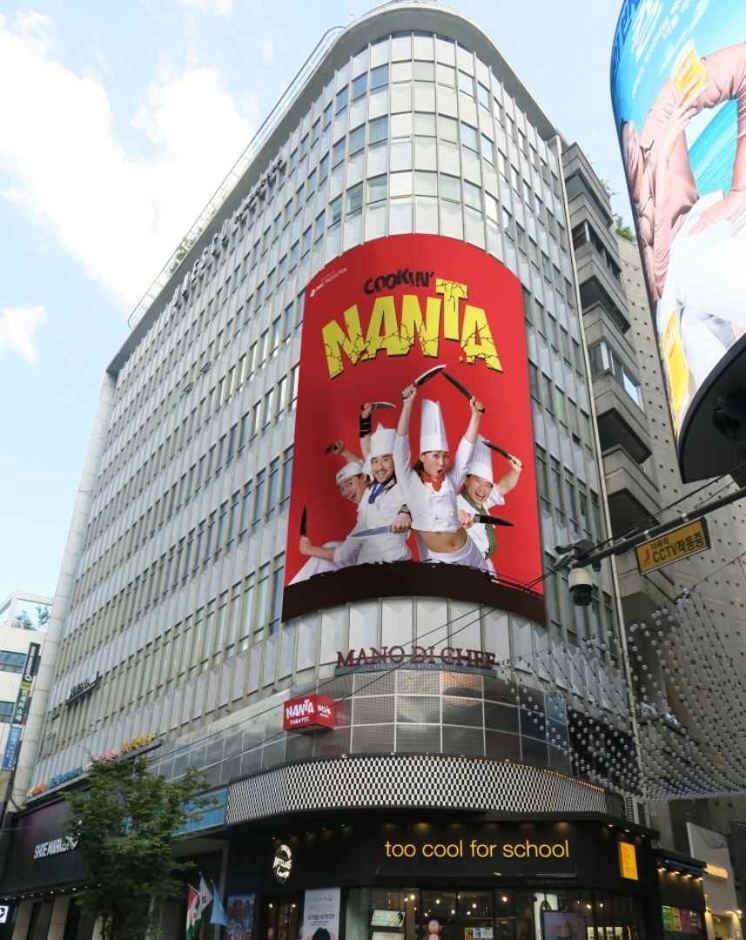
Teatro de NANTA en Myeong-dong (명동난타극장)
11.7Km 2025-07-17
Myeongdong-gil 26, Jung-gu, Seúl
La exitosa obra teatral NANTA tiene su propio teatro en el barrio céntrico de Myeong-dong, en Seúl. Se encuentra dentro del edificio de la Unesco, el antiguo Centro de Arte Myeong Dong. Tiene un total de 386 asientos, siendo la sala más grande de NANTA existente hasta el momento.
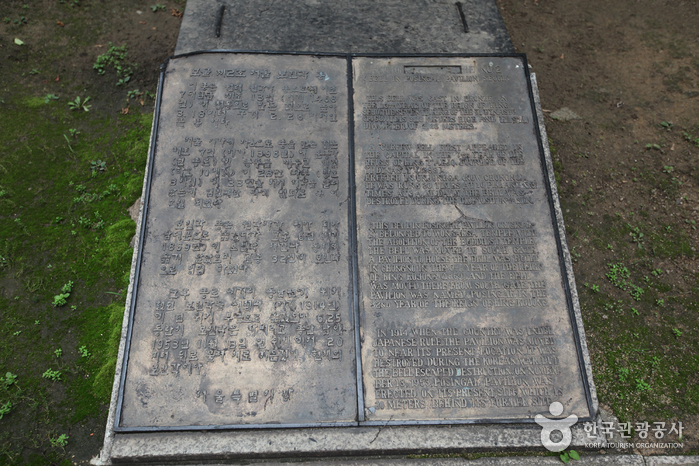
Campanario Bosingak (보신각 터)
11.7Km 2025-06-25
Jong-ro 54, Jongno-gu, Seúl
El campanario Bosingak es el lugar en donde se encontraba la campana que daba la señal de la hora, tanto para las áreas del interior y exterior de la muralla de la ciudad capital. Fue construido en el 13º año (1468) del reinado de Sejo de la época Joseon, y en aquel tiempo, se fundó también el templo Wongaksa, pero fue trasladado al sitio actual, durante el reinado de Gwanghaegun (1619). En la antigüedad, la campana se tocaba 33 veces a las 04:00, y 28 veces a las 22:00, y era utilizada para dar la señal de la hora, y como símbolo de la apertura y cierre del portón de la muralla. Es un patrimonio cultural de gran valor para los estudios académicos. Siendo el Tesoro, la pieza original se encuentra en el Museo Nacional de Corea.

Centro de Información de Estancias en Templos (템플스테이 홍보관)
11.8Km 2022-09-28
Ujeongguk-ro 56, Jongno-gu, Seúl
El centro es un complejo cultural de cinco plantas donde se encuentran la mayoría de oficinas responsables de las estancias en templos, centros de información, centros educativos, un restaurante de comida budista tradicional llamado Balwoo Gongyang, entre otros.
Paseos en Calesa Artee (아띠인력거)
11.8Km 2022-09-15
Bukchon-ro 5-gil 43, Jongno-gu, Seúl.
Reconocidos como los barrios más tradicionales de Seúl, Samcheong-dong y la Aldea Tradicional de Bukchon se destacan por las diversas atracciones que ofrecen a los turistas. En cada callejón se esconde algo interesante para ver. Sacar fotos de recuerdo es una manera de llevarse parte del encanto de estos barrios. En este entorno se realiza un programa de paseos en calesa que ofrece la empresa Artee. Existen diferentes rutas para elegir, y lo más interesante es la conversación que puede darse con el conductor, que hace comentarios divertidos en inglés sobre los lugares recorridos.
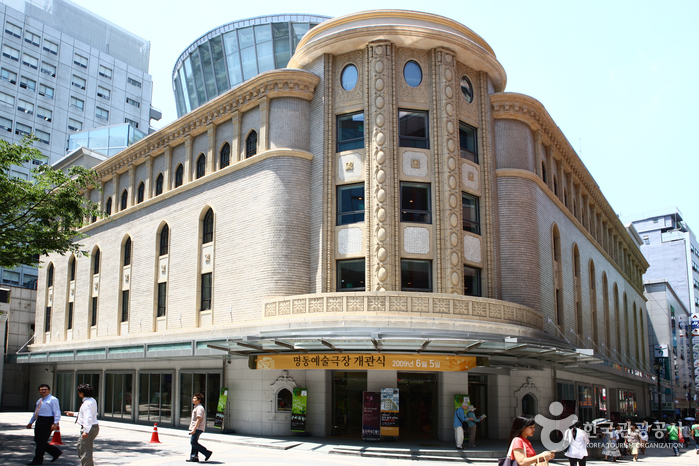
Teatro Myeongdong (명동예술극장)
11.8Km 2021-12-28
Myeongdong-gil 35, Jung-gu, Seúl.
Este lugar se inauguró, por primera vez, en el año 1934, con el nombre de “Teatro Nacional de Myeongdong”, y funcionó como cine, centro de espectáculos artísticos, etc., hasta el año 1973. Ejerció así un papel primordial en la industria cultural y artística de Corea. Sin embargo, cerró en 1975.
Recientemente, tras una remodelación, el teatro volvió a abrir sus puertas, destinado solo a obras teatrales. Su interior está diseñado de forma circular, y se ha disminuido la distancia del escenario a la platea. Se representarán: teatro tradicional, actuaciones experimentales, espectáculos no verbales y musicales.
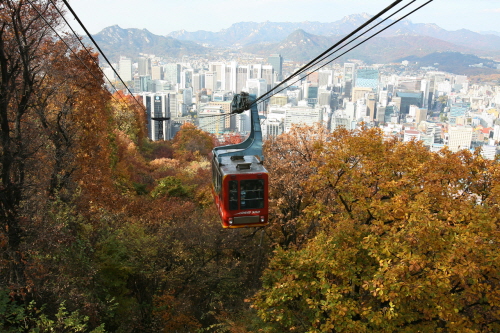
Teleférico del Monte Namsan (남산 케이블카)
11.8Km 2023-01-03
Sopa-ro 83, Jung-gu, Seúl.
El Teleférico del Monte Namsan es una instalación turística emblemática de la ciudad de Seúl, y durante más de 40 años ha estado ofreciendo el servicio tanto a los turistas nacionales como a los extranjeros. Ubicado en el monte Namsan, en el centro de Seúl, en las alturas podrá apreciar todo el paisaje natural del área. En particular, desde el 6 de diciembre de 2008 también se encuentran en funcionamiento los nuevos teleféricos, que poseen mayor capacidad, abarcando a 10 personas más, lo que permite que en cada recorrido puedan disfrutar del paisaje 48 personas. La otra gran diferencia es que posee un nuevo diseño más abierto, es decir, al estar cubierto con amplios ventanales, los pasajeros pueden apreciar mejor el panorama. Normalmente, el teleférico es utilizado por 50.000 pasajeros al mes, por lo tanto, si desea disfrutarlo tranquilamente, se le recomienda que lo visite durante el horario matutino, y otro consejo más: visitándolo de noche, podrá apreciar una vista nocturna espléndida de toda Seúl.
 Español
 한국어
한국어 English
 日本語
日本語 中文(简体)
 Deutsch
 Français
 Русский


