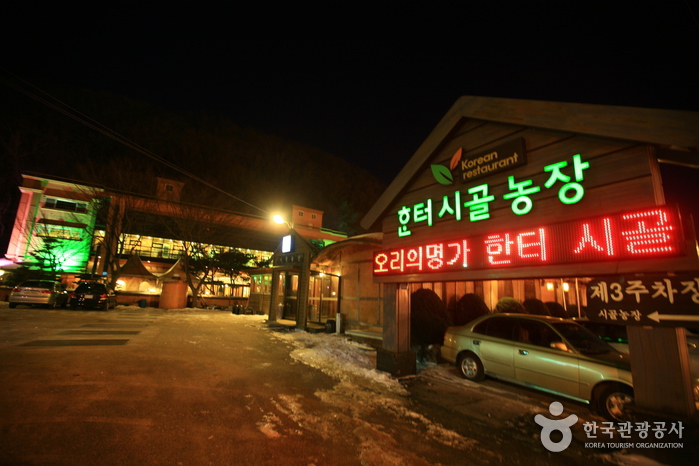
Sigol Nongjang Garden (시골농장가든)
2016-09-05
Hanteoro 690, Yangji-myeon, Cheoin-gu, Yongin-si, Gyeonggi-do.
Located at the entrance of Asiana Golf Club in Yongin, Sigol Nongjang Garden offers healthy duck delicacies in personalized dining rooms.
The excellent service staff, attired in traditional Korean garb, serves duck soup made with carefully selected medicinal herbs.
Furthermore, the restaurant also raises its own ducks for the dishes.
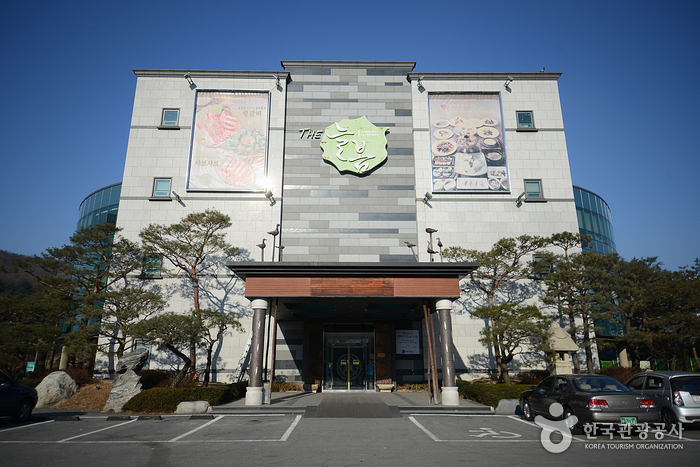
The Neulbom (더늘봄)
2020-01-09
1845, Geumgang-ro, Namyangju-si, Gyeonggi-do
+82-31-572-4447
The owner of The Neulbom is able to distinguish the quality of meat just by looking at the color, based on 20-years of experience in wholesale of livestock products. With this ability, the restaurant is able to offer the highest quality of meat as a strict rule to obtain soft and better taste.
Touist attractions Gwangneung Forest and Bears Town are located just 5 minutes and 15 minutes away respectively. Ildong Yuhwang Oncheon is also just 20 minutes away.
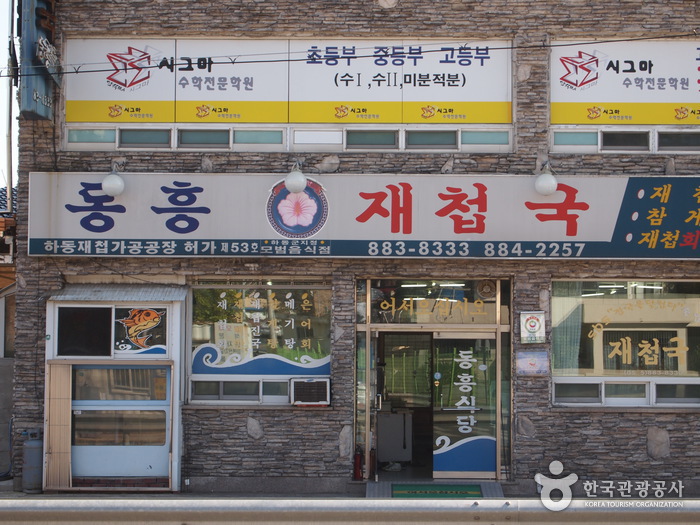
Dongheung Jaecheop Sikdang
2023-06-13
221-43 Gwangpyeong-ri, Hadong-eup, Hadong-gun, Gyeongsangnam-do
Dongheung Jaecheop Sikdang specializes in soup made of ‘jaecheop’, a kind of small shellfish and is located near Hadong Police Office.
Having ‘jaecheop’ soup is known to strengthen liver functions by relieving one’s fatigue.
The experienced owner prepares the soup only with the natural shells harvested from Seomjingang River nearby.
Seasoned with natural ‘bucho’ (duckweed), jaecheop soup has a sweet scent and a great taste.
Also, try Dongheung’s sweet and sour ‘jaecheop hoe’ (raw shellfish mixed with vegetables in sweet and sour hot sauce).
Dishes served like a family style meals.

Dadohae Gwangwang Hoe Center (다도해 관광회센타)
2016-09-05
Sebangnakjo-ro 277, Jisan-myeon, Jindo-gun, Jeollanam-do.
Located at the beach of Sebang Maeul Village of Jindo-gun, Dadohae Gwangwang Hoe Center offers not only great food but also a breathtaking view of the south coast and the stunning view of the sun setting.
Dadohae serves only the freshest fish, and their sweet and sour seaweed salad is quite famous.
Especially in the spring and fall, you may even get to taste ‘sebang jeonoe gui’, an authentic regional dish of grilled gizzard shad.
Also, the restaurant provides a fishing gear and home-stay.
Gangnaru Minmul Jangeo (강나루 민물장어)
2016-09-05
Hoban-ro 83-3, Mongtan-myeon, Muan-gun, Jeollanam-do.
With an excellent view of the Yeongsangang River and the surrounding plains, Gangnaru Minmul Gangeo also has a beautiful garden coordinated with natural rocks.
This restaurant has been a family business for two generations now, inheriting a special recipe.
Eel dishes marinated in a special soy sauce are deliciously grilled on charcoals.
Gangnaru Minmul was designated as a Traditional Local Food Restaurant by the provincial government.
Yeoyeojae (여여재)
2008-02-28
UN-ro 203, Nam-gu, Busan.
Located across from the sculpture park of the United Nations Memorial Park, this restaurant with a straw thatched roof, yellow soil covered walls, and door covered with bush clovers creates a typical traditional Korean rural home.
The restaurant mainly serves Chungcheong-do Province style food called ‘heot jesabap’ (food offered at ancestral memorial service).
This ‘heot jesabap’ includes 5 different types of ‘namul’ (vegetable and wild green salads), ‘jogi’ (grilled yellow corvina fish), ‘samsaekjeon’ (three colored pan-fried dish), and ‘tangguk’ (simmered soup).
‘Sungnyung’ (scorched rice tea) is interestingly served before the meal and they usually bring out ‘huin tteouk’ (white rice cake) after the meal.
It is a favorite spot for many foreign visitors because it is a place where you can indulge yourself in the true traditional Korean dining experience.
Bakdaegamdaek Sutbulgalbi (박대감댁 숯불갈비)
2016-09-05
Seohanam-ro 29, Hanam-si, Gyeonggi-do.
The restaurant’s traditional Korean style architecture, decorated with an earthy wooden style and rice paper covered antiques, x_heightens its reputation as a fine dining facility.
This famous Korean restaurant introduces healthy menus filled with oriental herbs like Chinese matrimony vines, hedysarum roots, and so on.
Bakdaegamdaek’s concerns for diner’s health and satisfaction are demonstrated in its choice for organic ingredients and carefully chosen refreshments like Sujeonggwa (ginger and cinnamon flavored drink) and seasonal fruits.
What is more amazing is its variety of side dishes (around 16) and such precious spices like green tea salt in your meals.
Bakdaegamdaek is a superb choice if you are both concerned with taste and health.
Hwajin Garden (화진가든)
2016-09-05
Anyang-ro 468, Manan-gu, Anyang-si, Gyeonggi-do.
Being a family business for 30 years, Hwajin Garden takes pride in its service and delicious dishes.
Although the outward appearance shows its age, it has been neatly kept inside, and a variety of oriental orchids produce an exotic aroma in the air.
An elaborately laid-out garden at the entrance and open kitchen appeal to guest and displays the attention paid to cleanliness.
Every morning, the owner purchases the ingredients to prepare the dishes.
Daega Jeosuji Garden (대가저수지가든)
2016-09-05
Deokseon2(i)-gil, Goseong-eup, Goseong-gun, Gyeongsangnam-do.
Located 2.5km away from Goseong-eup, Daega Jeosuji Reservoir is the second largest reservoir in Gyeongsangnam-do Province.
Near this setting, you will find a three-story restaurant called Daega Jeosuji Garden with an attractive little lawn where children can play.
The owner of 17 years experience in running a restaurant offers specially formulated seasonings, vegetables from an organic farm, and high quality beef.
At Daega Jeosuji Garden, you can taste excellent, charcoal-grilled meat at a reasonable price.
A great place for family gatherings.
Mauri (마우리)
2016-09-23
Cheonsong-ri 566-4, Buknae-myeon, Yeoju-gun, Gyeonggi.
As you enter the restaurant, you will find large windows with a silvery reflected view of the Hangang River. The serving staff provides excellent service with bright smiles.
 Español
 한국어
한국어 English
 日本語
日本語 中文(简体)
 Deutsch
 Français
 Русский


