Cheonmachong Tomb (Daereungwon Ancient Tombs) (천마총(대릉원))
6.7Km 2025-05-21
9 Gyerim-ro, Gyeongju-si, Gyeongsangbuk-do
+82-54-743-1925
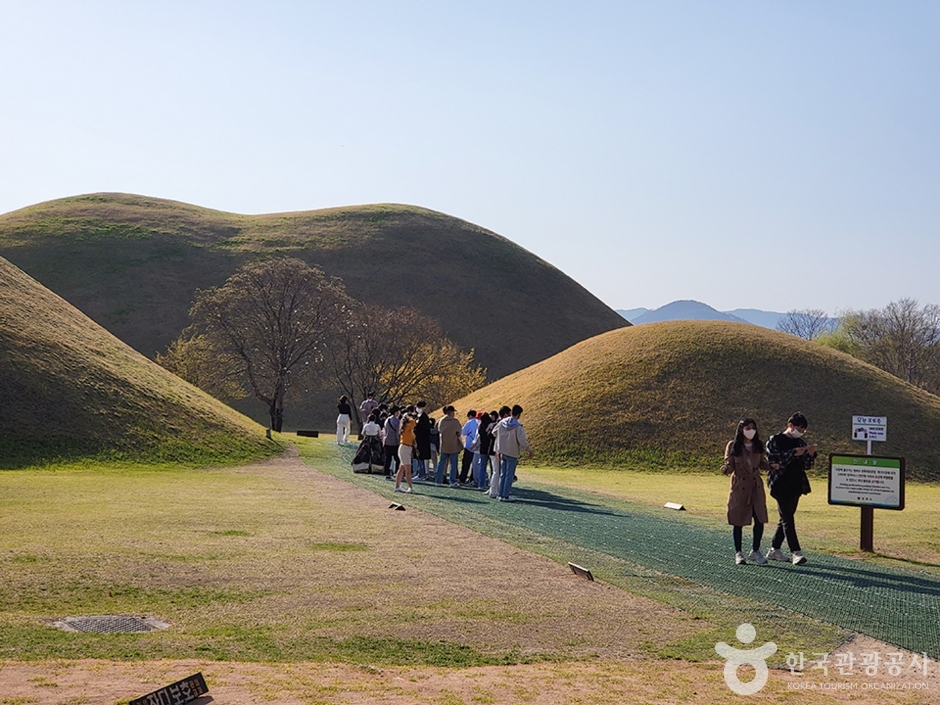
Daereungwon Ancient Tombs are one of the most well-known sights in Gyeongju, a history park home to 23 small and large ancient tombs. The area is dotted with tranquil trails among the tombs like the largest tomb in Hwangnam-dong, Hwangnamdaechong Tomb; Cheonmachong Tomb, the place where Cheonmado, a saddle flap painting, was excavated from; and the tomb of King Michu, nicknamed the “Tomb of the Bamboo Warrior.”
Cheonmachong Tomb, excavated in 1973, has a x_height of 12.7 meters and a diameter of 50 meters. Its excavation unearthed many artifacts, such as the famous Gold Crown from Cheonmachong Tomb. Its name comes from Cheonmado, a mudguard saddle flap with a painting of a heavenly horse. Cheonmachong Tomb is the only tomb in the Daereungwon Ancient Tombs to be opened to the public.
The tomb is thought to have been constructed between the late 5th century and early 6th century. Artifacts excavated from the tomb include a gold crown, gold cap, gold waist belt, gold diadem, and gilt-bronze shoes worn by the buried. The gold crown, in particular, is known as the largest and the most elaborate of all gold crowns unearthed in Korea. The artifacts themselves can be found in Gyeongju National Museum, so don’t miss the chance to see them in person.
Another must-visit site is the Daereungwon Magnolia Photo Area, a lone magnolia tree standing between the beautiful curves of ancient tombs.
Wadamjung (와담정)
6.7Km 2024-08-01
18 , Cheonwon 1-gil, Gyeongju-si, Gyeongsangbuk-do
+82-54-772-5400, +82-10-6571-3412
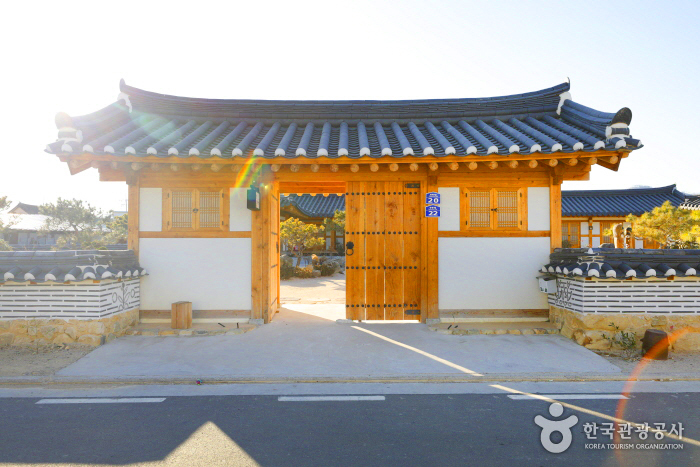
Wadamjeong in Cheonwon Village, Gyeongju, Gyeongsangbuk-do, is a hanok pension combining traditional style and atmosphere with modern convenience. All rooms have air-conditioning/heating and a bathroom with toilet. The stand-alone guestroom has its own kitchen, while other rooms have basic cooking facilities in a shared kitchen. In the spacious yard - decorated with traditional landscape scenes - visitors can try out traditional games such as Jegi (shuttlecoks) and Tuho (arrow-throwing). Historic sites such as Cheomseongdae and the Gyeongju Museum are all nearby.
Cheongjae Hanok (청재한옥)
6.7Km 2025-03-24
163 Bulguk-ro, Gyeongju-si, Gyeongsangbuk-do
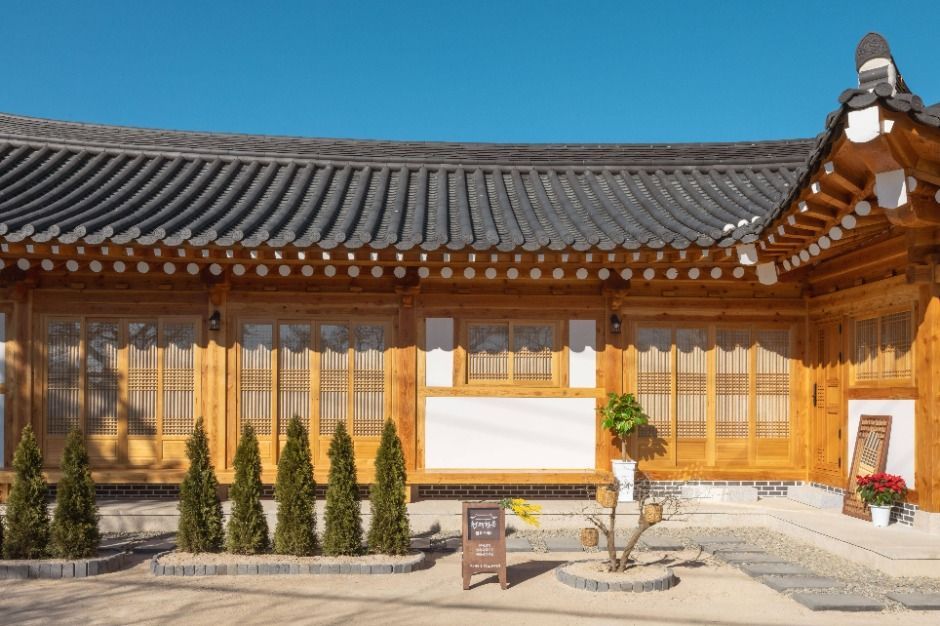
A cozy hanok accommodation in Gyeongju, Cheongjae Hanok is recommended to guests who seek to relax in a hanok nestled in a pine forest. Breakfast is offered upon advance request, and the building is equipped with a spacious parking space.
Gyeongju Hwangnidan Street (경주 황리단길)
6.8Km 2025-10-27
1080 Poseok-ro, Gyeongju-si, Gyeongsangbuk-do
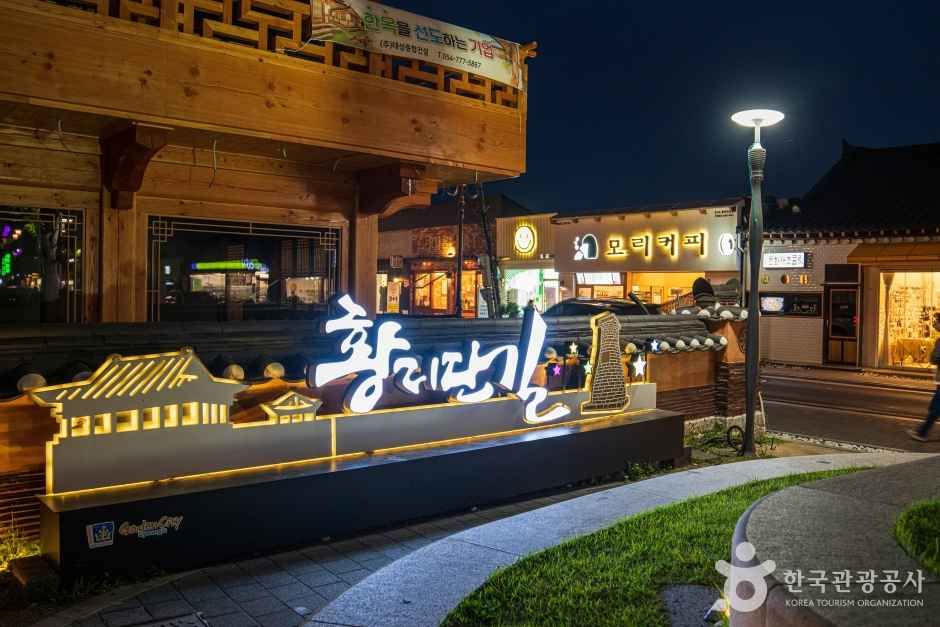
Hwangnidan Street was originally known as “Hwangnam Keungil” near Poseok-ro, Hwangnam-dong. Its name comes from the combination of Hwangnam-dong and Gyeongnidan Street in Itaewon, Seoul, meaning the “Gyeongnidan Street of Hwangnam-dong.” The street is home to numerous restaurants, cafes, photo studios, and shops housed in traditional hanok buildings, making it popular among the younger generations in Korea. The street also demonstrates newtro aesthetics due to the remaining old and worn buildings built during the 1960s and the '70s. Hwangnidan Street is near Cheomseongdae Observatory, Daereungwon Ancient Tombs, and other major tourist sites, allowing the street to become a popular Gyeongju attraction as well.
Daereungmyojji (대릉묘찌)
6.8Km 2024-04-08
1085 Poseok-ro, Gyeongju-si, Gyeongsangbuk-do
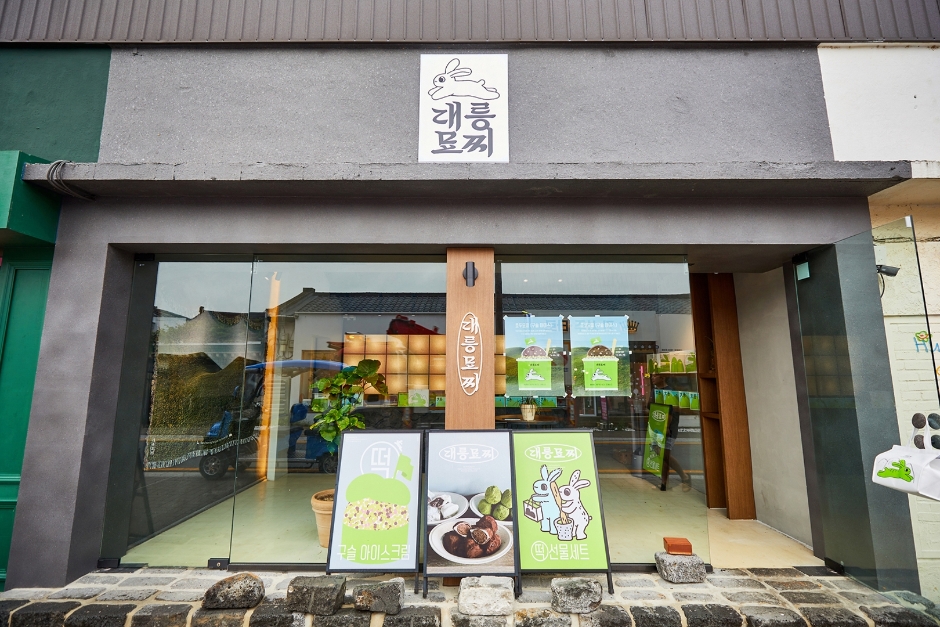
Try the unique combination of beaded ice cream and sweet rice cake, a traditional Korean dessert, at Daereungmyojji on Hwangridan Street near Daereungwon Ancient Tombs. The business offers take-out only, and there are no seats. Three menus are available: mugwort flavor sweet rice cake with pea filling, chocolate flavor sweet rice cake with filling made with Belgian dark chocolate, and sweet rice cake with red bean filling and crispy walnuts. Each serving of sweet rice cakes is cut into three or four pieces and served in a cup. In addition to being a unique dessert, the packaging has a cute rabbit drawing on it. The gift set contains eight pieces, perfect for people who want to enjoy a lot of desserts.
Gyeongju Hanbokpan (경주한복판)
6.8Km 2024-04-08
1077-2 Poseok-ro, Gyeongju-si, Gyeongsangbuk-do
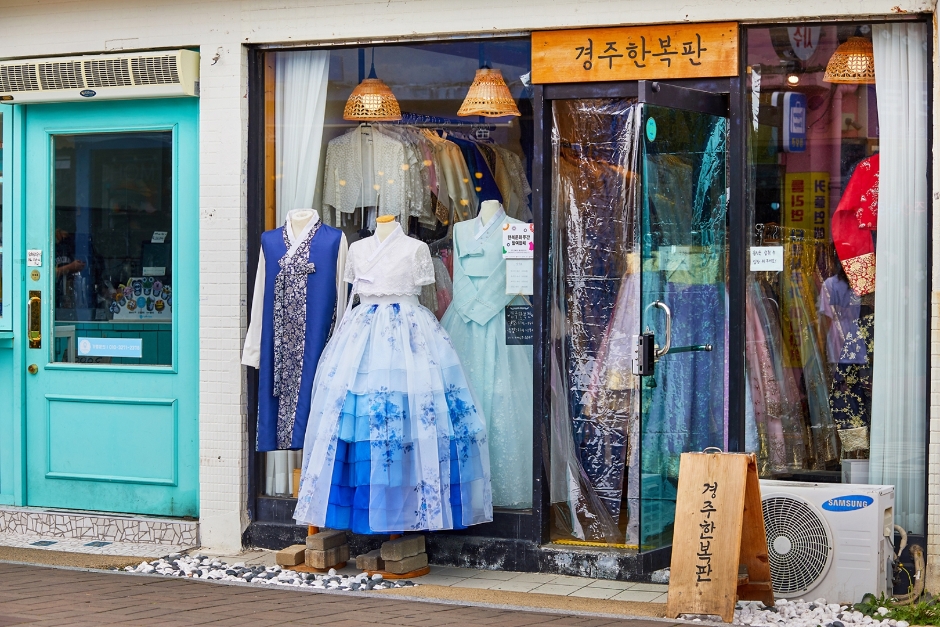
Gyeongju Hanbokpan is a hanbok rental store located in the middle of Hwangnidan Street. Hanbok attires are available in a variety of materials, colors, and seasons. There are many hanbok wears reflecting the latest trends, so they look good on anyone and are easy to wear. Besides changing clothes, the store owner also assists customers with hair accessories. There are many family customers as the store also offers hanbok for both men and children. Customers can also print the photos they took with their smartphone upon retrning the hanbok, making it an even more memorable experience.
Cheonggong (청공한옥)
6.8Km 2024-12-19
5-6 , Igu 2-gil, Gyeongju-si, Gyeongsangbuk-do
+82-10-9009-6022
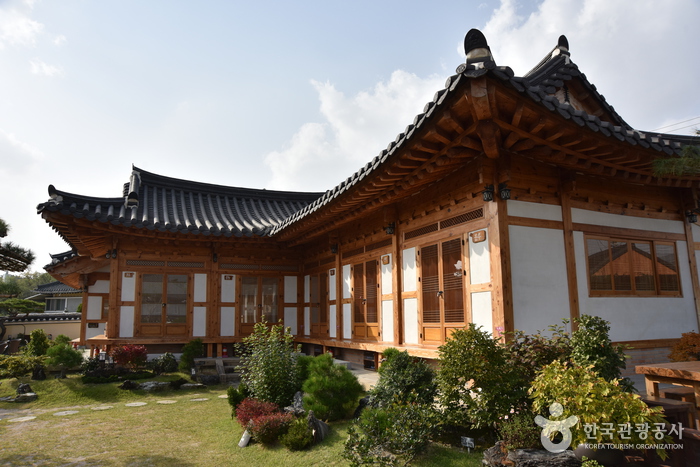
Cheonggong hanok stay is just 10-minutes’ walk from Gyeongju Bulguksa Station, on the Donghae Line, in Gyeongsangbuk-do. A traditional hanok built of timber and red clay bricks, this is a quiet and restful place. In the yard, visitors will find pine and other trees, garden plants and strangely-shaped rocks expressing harmony with each other, while beautiful flowers nestle in the field in front of the house. Each guestroom has a bathroom with toilet.

Cheonnyeonae Gyeongjuppang Chalborippang Chalboritteok (천년애 경주빵 찰보리빵 찰보리떡)
6.8Km 2025-03-24
67 Cheomseong-ro, Gyeongju-si, Gyeongsangbuk-do
Cheonnyeonae Gyeongjuppang Chalborippang Chalboritteok is located on Hwangnidan Street in Gyeongju. The building is designed in a hanok-style with an antique facade. The store's main products are chalboritteok and chalborippang, which are chewy barley rice cake and chewy barley bread, respectively. The store uses fresh barley that gets harvested every June and all products are made with barley. The chewy delicacies sold at this store have become a popular nutritious snack that represents Gyeongju.
Hwangnamguan (주식회사 황남관)
6.8Km 2024-12-19
1038 , Poseok-ro, Gyeongju-si, Gyeongsangbuk-do
+82-54-620-5000
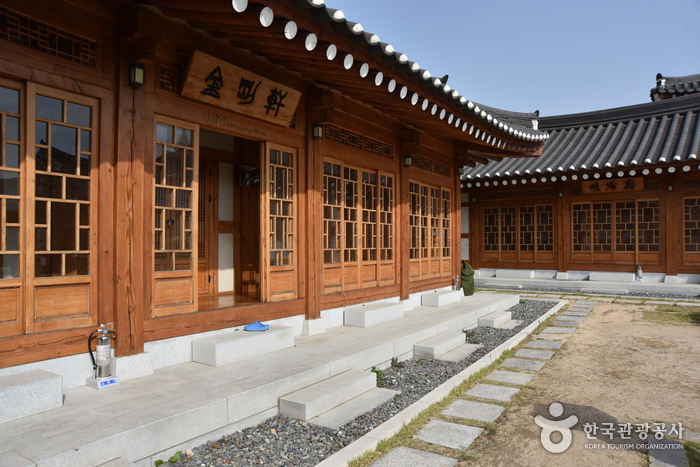
Hwangnamgwan in Gyeongju, Gyeongsangbuk-do, is a small hanok village consisting of four single-storey hanoks and two 2-storey hanoks. Each room is equipped with a bathroom and toilet, and the Numaru Suite also has a bathtub. Facilities include a meeting room, pizza restaurant and cafe. Hwangnamgwan guests are given discount coupons for the cafe, and 50% discounts are also available at local venues Spa Lux Jjimjilbang, Kids Café, and Sports Town bowling alley. There are traditional experience programmes, and famous tourist spots are a short walk away.
Sugyeongsa (수경사)
6.8Km 2024-04-08
25 Sajeong-ro 57beon-gil, Gyeongju-si, Gyeongsangbuk-do
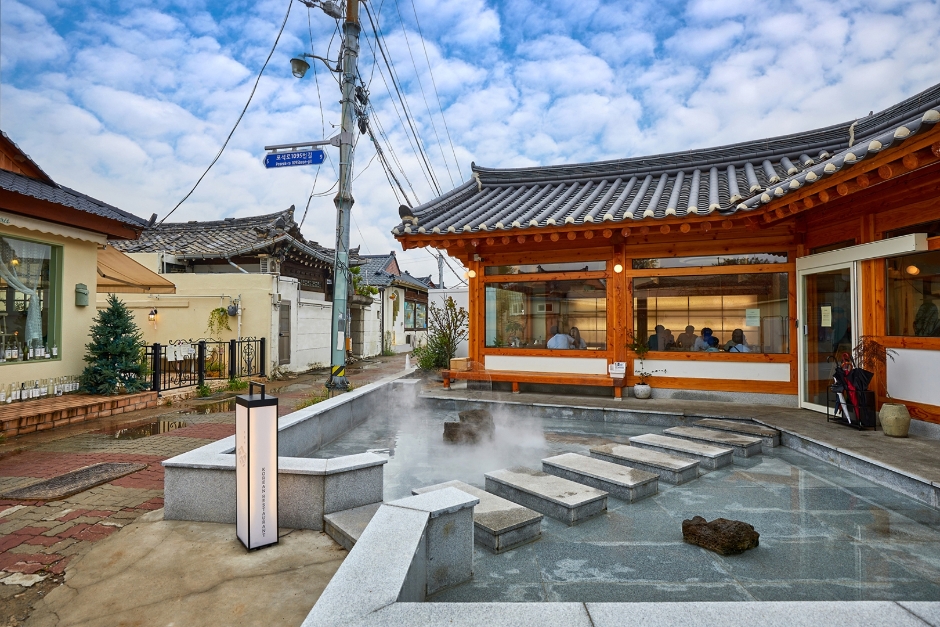
Sugyeongsa is a fusion Korean food restaurant renovated from a temple and a pond. The entrance is paved with marble and stone, creating a mysterious yet neat atmosphere, and the interior is simple, preserving the original form of a hanok and using white tones. The signature dish here is beef bulgogi with lotus leaf rice. The soy sauce-seasoned Gyeongju beef bulgogi, and lotus leaf rice will work up an appetite. The lotus leaf rice is a combination of rice and mixed grains wrapped in lotus leaves and steamed for an even healthier taste. Seasonal vegetables and side dishes are also provided. Also on the menu are Daereungwon deep-fried cheese, made with cheese rind, and beef brisket japchae pasta with seven kinds of vegetables, perilla seeds, and lotus root chips. A delicious meal can be enjoyed by anyone thanks to the restaurant's reinterpretation of traditional Korean food.
 English
 한국어
한국어 日本語
日本語 中文(简体)
 Deutsch
 Français
 Español
 Русский


