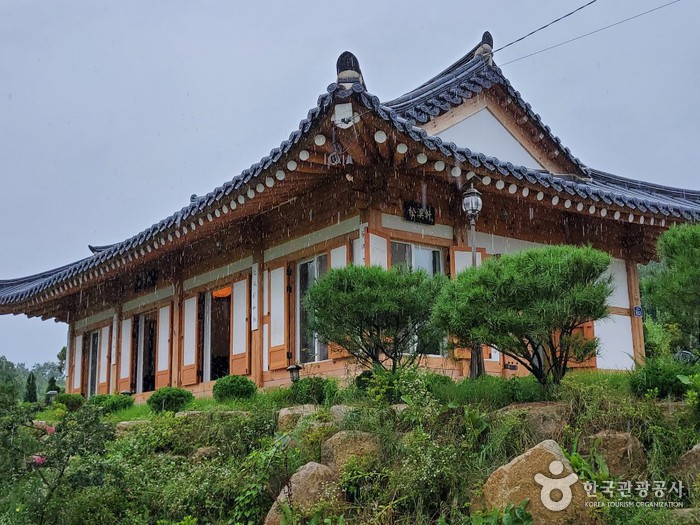
Songgyehyeon (송계헌)
15.8Km 2024-12-19
332 , Byeongsan-gil, Andong-si, Gyeongsangbuk-do
Song Gye-heon is a pinewood-built hanok in Andong, Gyeongsangbuk-do - not far from the famous Byeongsan Seowon Confucian school - which combines traditional hanok style with modern convenience. The hanok is rented out as a single unit, and is ideal for families or group travelers. There are 3 bedrooms, one with a bed and the other two Korean-style rooms, with ample living space. There’s a kitchen for guests’ use, and the owner is happy to guide you round the Andong area.
![Byeongsanseowon Confucian Academy [UNESCO World Heritage] (병산서원 [유네스코 세계유산])](http://tong.visitkorea.or.kr/cms/resource/63/2620863_image2_1.jpg)
Byeongsanseowon Confucian Academy [UNESCO World Heritage] (병산서원 [유네스코 세계유산])
16.2Km 2024-05-29
386 Byeongsan-gil, Andong-si, Gyeongsangbuk-do
Before it became a Confucian academy, Byeongsanseowon Confucian Academy was originally located in Pungsang-hyeon under the name Pungakseodang School, which was used as a educational institution since the Goryeo dynasty by a political party known as the Sarim Party. It was moved to its current location in Byeongsan by a well-respected Confucian scholar named Yu Seong-nyong, penname Seoae, in 1572, and renamed to Byeongsanseowon in 1614.
In 1863, Byeongsanseowon was recognized by the king to receive support as a private Confucian academy. The lecture hall and shrine were reconstructed in 1921 and 1937 respectively as part of preservation efforts made during the Japanese occupation. This academy is designated as a Historic Site, housing a collection of 1,000 documents and 3,000 books, including works by Yu Seong-nyong.
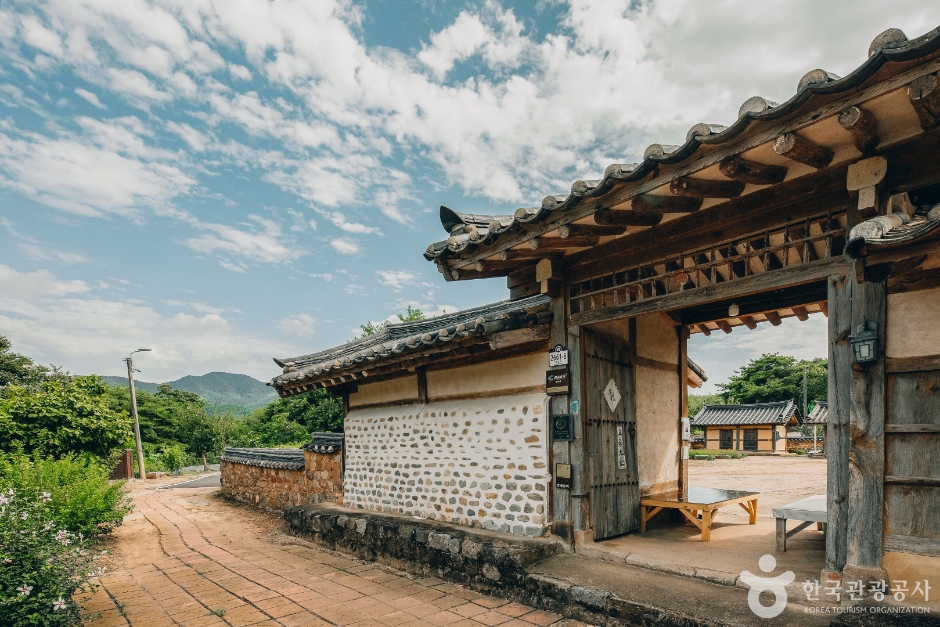
Jeongjae Head House (정재종택)
16.3Km 2024-12-20
2661-8 , Gyeongdong-ro, Andong-si, Gyeongsangbuk-do
Jeongjae Head House is the head house of Joseon scholar Jeongjae Ryu Chi-myeong, a colleague of the famous Toegye Lee Hwang. The house overlooks Imha Lake in Andong-si, Gyeongsangbuk-do, and is 300 years old. The long endurance of the stone foundations, roof tiles and wooden beams and porch gives the place a solid, calming feel. The house consists of a daemunchae (gate house) jeongchim (square-shaped building), haengnangchae (servants’ quarters), sadang or shrine, and a pavilion called Manujeong which houses a lecture hall but can also be used for lodging. Guests can learn how to brew songhwaju spirit and tarak fermented milk liquor, and listen to gayageum or folk song performances.

Yekki Village (예끼마을)
16.6Km 2024-05-30
14 Seonseong-gil, Dosan-myeon, Andong-si, Gyeongsangbuk-do
Yekki Village is an artistic village in Andong. The alleyways are decorated with colorful murals, the galleries feature work from local artists, and visitors can experience a hanok experience. The biggest charm of the village is the Sunseong Susang-gil Waterway, a floating path across the lake.
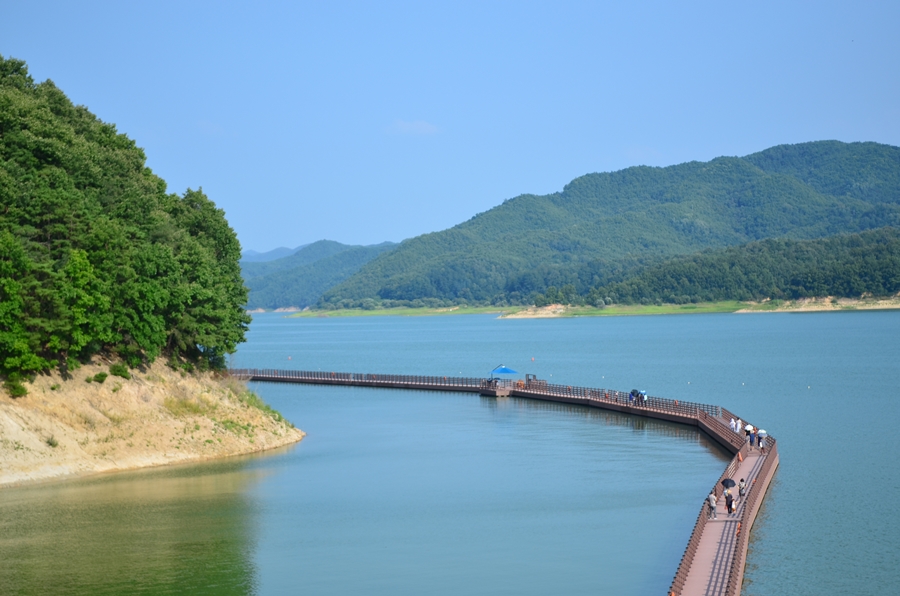
Sunseong Susang-gil Waterway (선성수상길)
16.6Km 2024-05-30
14 Seonseong-gil, Dosan-myeon, Andong-si, Gyeongsangbuk-do
Sunseong Susang-gil Waterway is a 1-kilometer-long floating pathway that connects Sunseonghyeon Culture Complex with Andong Lakeside Park. Because the pathway floats on the water, it rocks with each step one takes, creating the feeling of truly walking on water. At the halfway point of the waterway is an exhibition of black-and-white photos and materials from Yean Elementary School, lost to the formation of the lake following the construction of Andong Dam in 1974.
![Yangsodang[Korea Quality] / 양소당[한국관광 품질인증]](http://tong.visitkorea.or.kr/cms/resource/55/2803255_image2_1.jpg)
Yangsodang[Korea Quality] / 양소당[한국관광 품질인증]
16.6Km 2024-10-30
28 , Jangtaegol-gil, Andong-si, Gyeongsangbuk-do
Yangsodang is the head house of the Andong Kim Clan, which dates back 230 years and is located in Sosan Village in Andong, Gyeongsangbuk-do. Being a true hanok built by joining wood without nails, this house is a perfect place to take in the beauty of traditional Korean architecture. There are five guest rooms, including the Anchae Anbang (main room in the main building), a large ondol (underfloor heated) room across from the Anchae (main building), and a large Sarangchae (detached building) that has two rooms with a maru (wide wooden floor area); all of the rooms, except the small room, have either a daecheong maru (wooden-floored living room) or toenmaru (narrow wooden porch). In the yard east of Yangjo-dang, you can experience what it is like to live in a hanok, as well as participate in craft activities using Hanji (Korean paper).
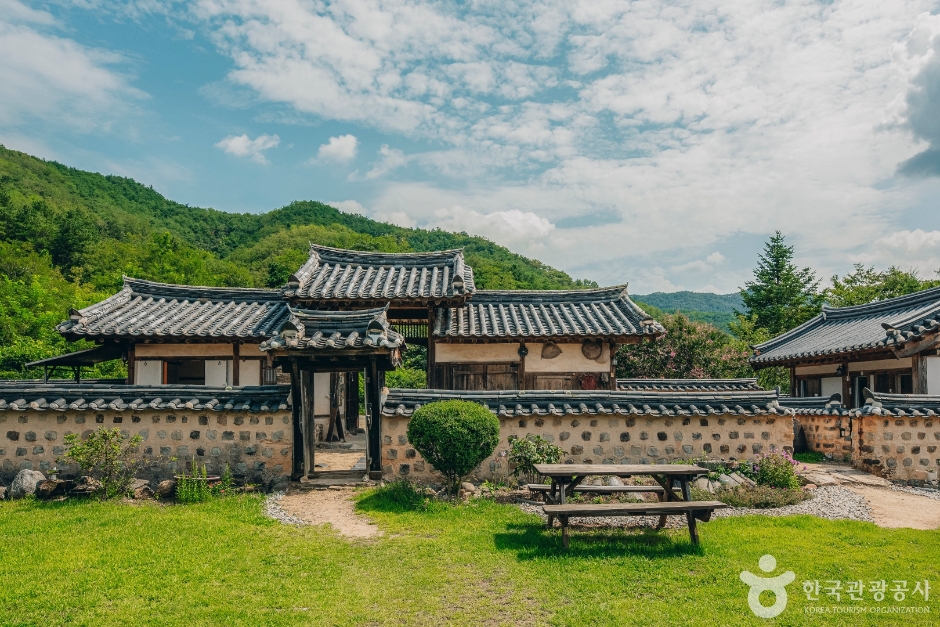
Suaedang (안동 수애당)
17.0Km 2024-12-20
1714-11 , Sugogyonggye-ro, Andong-si, Gyeongsangbuk-do
Suaedang House in Andong, Gyeongsangbuk-do, was built in 1939 by independence activist Soo Ae Yu Jin-geol, and is a Gyeongsangbuk-do cultural asset. The hipped-and-gabled pavilion and the ㄱ-shaped gobangchae (female servants’ quarters) face each other across the courtyard, and the house has a 10-metre lofty gate. Suaedang was moved to its current location in 1987 due to the construction of the Imha Dam. The room and Daecheongmaru are red clay-walled and natural painted. The view of the lake from Suaecang is very beautiful.
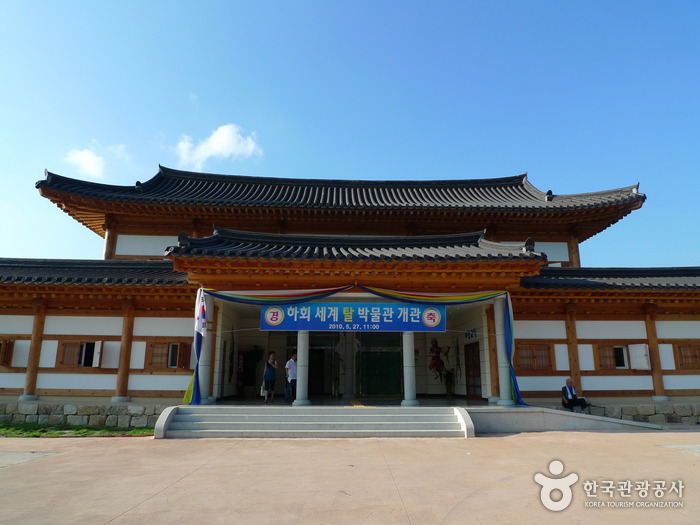
Hahoe Mask Museum (하회세계탈박물관)
18.3Km 2024-05-29
206 Jeonseo-ro, Pungcheon-myeon, Andong-si, Gyeongsangbuk-do
Hahoe Mask Museum is located in Andong Hahoe Village, a representative traditional Korean folk town that is the home of the Hahoe Mask (National Treasure) and the Byeolsin Gut Mask Dance (Important Intangible Cultural Property). The museum displays not only Hahoe masks, but also other traditional masks from all over the world.
The museum consists of five permanant exhibition halls and one special exhibition hall, housing a wide range of masks from all over the world along with Hahoe masks. The museum also offers activity programs such as wearing a mask, mask trick art, photo zone, and more.
Hahoe Byeolsingut Tallori (Mask Dance Drama of Hahoe) (하회별신굿탈놀이 상설공연)
18.7Km 2025-12-04
3-15, Hahoejongga-gil, Andong-si, Gyeongsangbuk-do
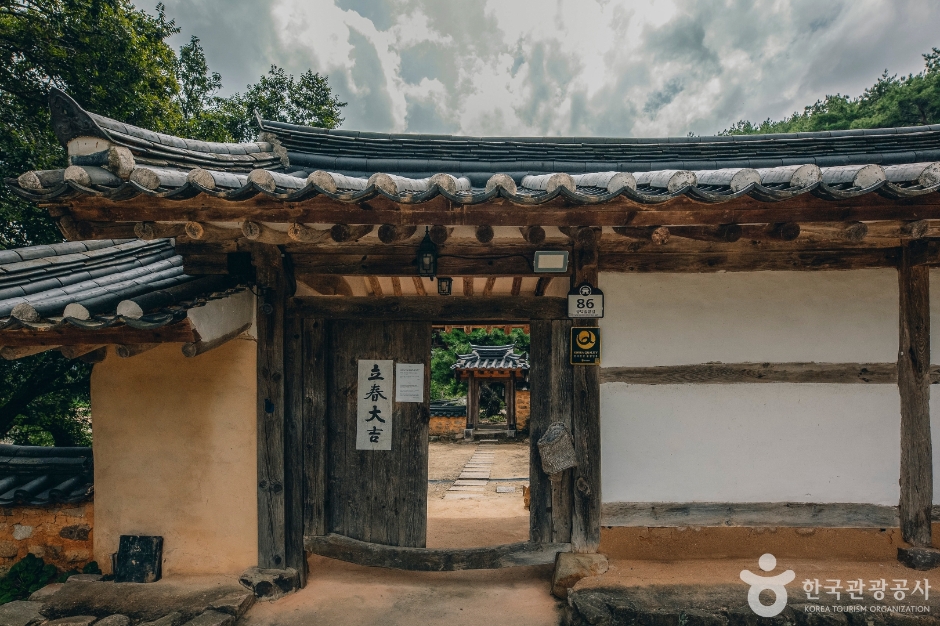
Okyeon pavilion (옥연정사)
19.2Km 2024-12-20
86 , Gwangdeoksolbat-gil, Andong-si, Gyeongsangbuk-do
Okyeonjeongsa Temple in Hahoe Village, Andong, Gyeongsangbuk-do, was built by Joseon scholar Seoae Ryu Seong-ryong for the purpose of living quietly with the help of his philosophy, after losing his house in Hahoe in a great flood of the Nakdong River. Wonrakjae is a detached house with a 460-year-old pine tree in the yard and a view of Hahoe Village in the background, while Sesimjae is the building Seoae used as a private school.
 English
 한국어
한국어 日本語
日本語 中文(简体)
 Deutsch
 Français
 Español
 Русский


