Geumgang Pedestrian Bridge (금강보행교)
17.5Km 2025-08-07
Sejong-ri, Sejong-si
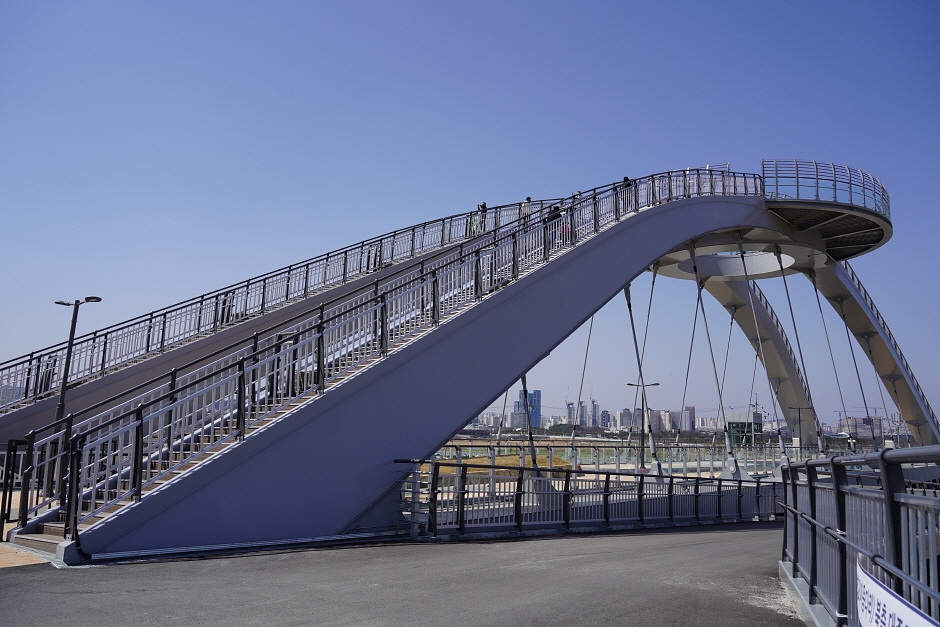
Geumgang Pedestrian Bridge, a landmark of Sejong-si, opened in March 2022. It is the first two-story bridge in Korea, and its futuristic design inspired by the concept of traveling through time contributes to beautifying the city's aesthetics. The upper part of the pedestrian bridge is equipped with a rest area, space for events and activities, and other convenience facilities, whereas the lower part is a bicycle-only road for safety and smoooth riding.
Garden of Sky (하늘물빛정원)
17.6Km 2024-06-03
156 Geomhan 1-gil, Chubu-myeon, Geumsan-gun, Chungcheongnam-do
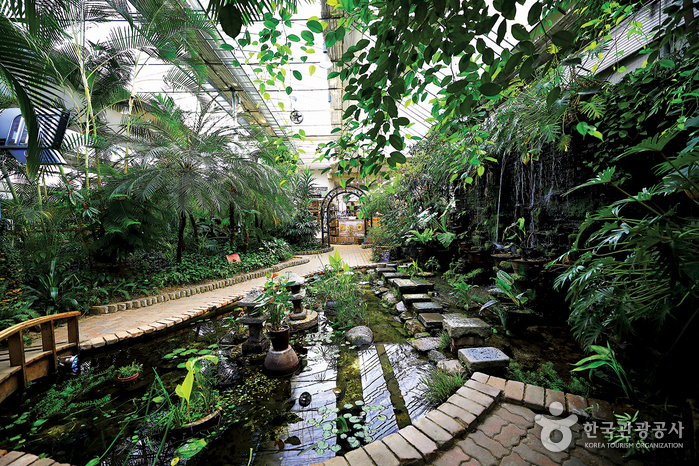
A garden filled with wild flowers, exotic plants, and rare trees, Garden of Sky is nestled by Jangsanhosu Pond located at the foothills of Meodeullyeong Pass. The garden also has a wide variety of facilities that cater to visitors' convenience and needs such as a jjimjilbang (Korean sauna), seminar rooms, restaurants, herbal souvenir shop, cafes local food stores, forests, and photo zones.
Baek il heon Head House (논산 백일헌 종택)
17.6Km 2024-08-05
45, Jugok-gil, Sangwol-myeon, Nonsan-si, Chungcheongnam-do
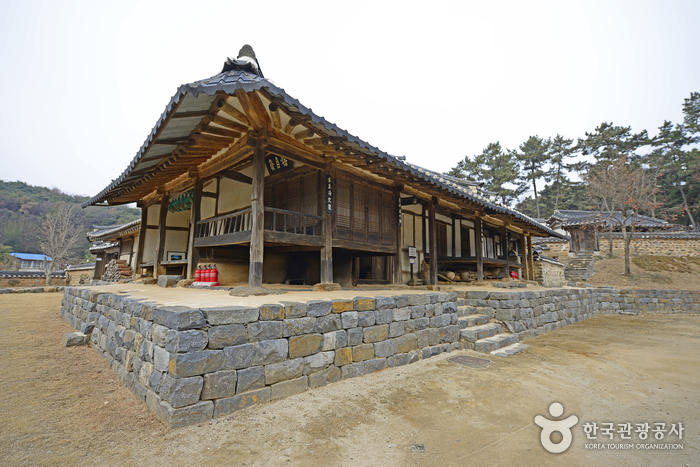
The Baegilheon Head House (National Folklore Cultural Heritage No. 273) is the house that was bestowed upon General Yi Sam by King Yeongjo in recognition of his achievement in suppressing the Yi In-jwa Rebellion in 1728. King Yeongjo also granted Yi Sam the posthumous name ‘Baegilheon’. The house is composed of the munganchae (gate quarters) situated next to a tall gate, the ‘ㄷ’-shaped anchae (women’s quarters), and the ‘ㄱ’-shaped sarangchae (men’s quarters), which are configured in an overall square layout. The accommodation includes the munganchae, the araet sarang with a numaru (upper floor), and the wit sarang and the geonneotbang, each of which has a large toenmaru (a narrow wooden porch running along the outside of the building). Notably, the geonneotbang, which is connected with the daecheong (wooden floor) and has a cozy courtyard surrounded by a mud wall, was the living space for the eldest son of the family and his wife for many generations. As the house has been designated as a National Folklore Cultural Heritage, cooking in the guestrooms is strictly prohibited. However, the house provides breakfast prepared by the daughter-in-law of the head house free of charge. The toilets and shower room are situated in the back yard.

Maninsan Recreational Forest (만인산 자연휴양림)
17.6Km 2023-02-09
106, Sannae-ro, Dong-gu, Daejeon
Maninsan Recreational Forest sits on the border between Daejeon and Geumsan-gun, Chungcheongnam-do, and is located approx. 17 kilometers away from Daejeon Station on National Route 17. It consists of Maninsan, the main peak, as well as Bongsuregol, Keunbaegol, and Jageunbaegol, and, because of its beautiful landscape, it even enshrined the figures of King Taejo and his princes during the Joseon Dynasty. Pure water constantly flows in the valleys and broadleaf trees form a thickly wooded forest. This recreational forest located close to the city has utilized natural ridges and is divided into the family recreation district, youth district, and picnic district to provide a pleasant resting area for citizens. Maninsan Service Area is a convenience facility of the recreational forest built with private capital in 1990 and, at the time of its construction, it utilized the natural valleys as they were without damaging any part of the forest. Decks were installed in the valleys, and the structure itself was built with one semi-underground floor and two ground floors. The main framework was made of reinforced concrete and wood was used as the primary material for construction. Also, a pond was created in front of the rest area to harmonize with the natural landscape. As a result, it is widely praised by experts as the most beautifully constructed rest area in Korea, and it is becoming a place that citizens frequently visit to relax. There are comfortable benches and resting spots situated throughout for visitors to relax while enjoying the views and, in particular, Manillugak is a symbolic recreational facility of Maninsan and a representative pavilion structure. It was built in the architectural style of Segeomjeong Pavilion located on Bugaksan in Seoul while employing reinforced concrete for the main framework. It applies a two-story, wooden tile roof to maintain as much beauty of Korean traditional architecture as possible with the consideration of maintenance.
BOK Art Center (비오케이아트센터)
18.2Km 2025-05-20
12, Gukchaegyeonguwon 3-ro, Sejong-si
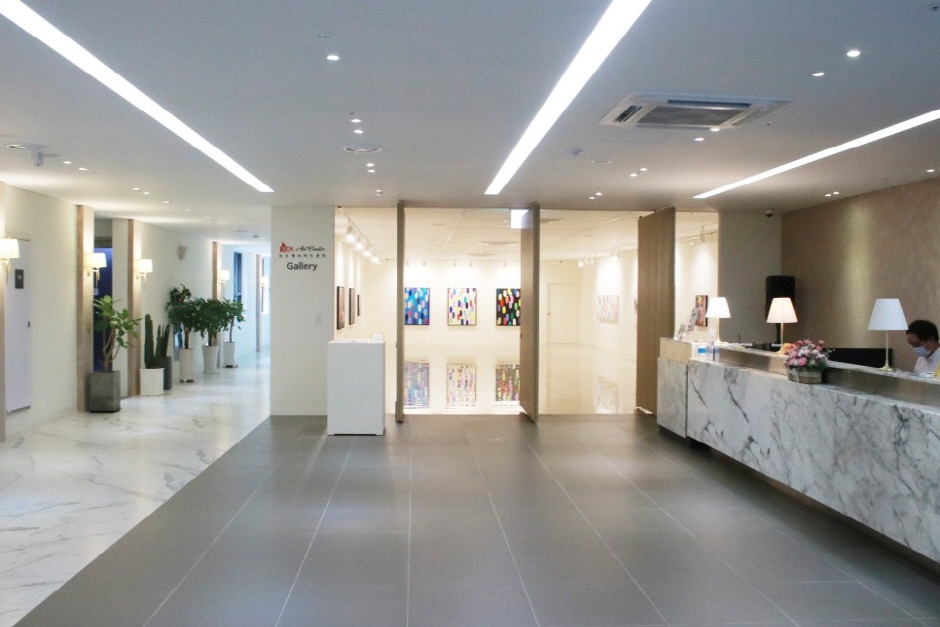
BOK Art Center is located in Bangok-dong, Sejong-si. It was opened in 2019 with the management philosophy of CEO I Gyu-sun, 'Let's create a happier living space.' The center is equipped with a performance hall where various performances are held, a gallery where various exhibitions are held, a hobby factory specialized for kidults, a Ccume Baking Class where you can enjoy baking, a bookstore, and a cafe.
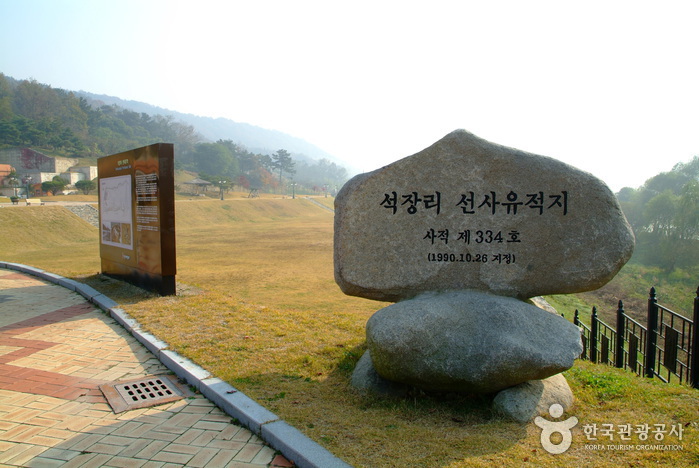
Archaeological Site in Seokjang-ri, Gongju (공주 석장리 유적)
18.6Km 2025-01-14
990, Geumbyeok-ro, Gongju-si, Chungcheongnam-do
The Archaeological Site in Seokjang-ri, Gongju is located approximately 6 kilometers out of the city of Gongju, on the northern banks of the Geumgang River. The site is one of Korea's representative relic sites of the Old Stone Age, and is designated Historic Site No. 334. The site was excavated 10 times between 1964 and 1974 by teams from Yonsei University Museum. The excavation of 27 layers of stratum produced relics proving people lived in the area through 11 cultural eras. The area was excavated again in 1990 and 1993, producing even more cultural artifacts and helping to create a clearer image of the people living in that time.
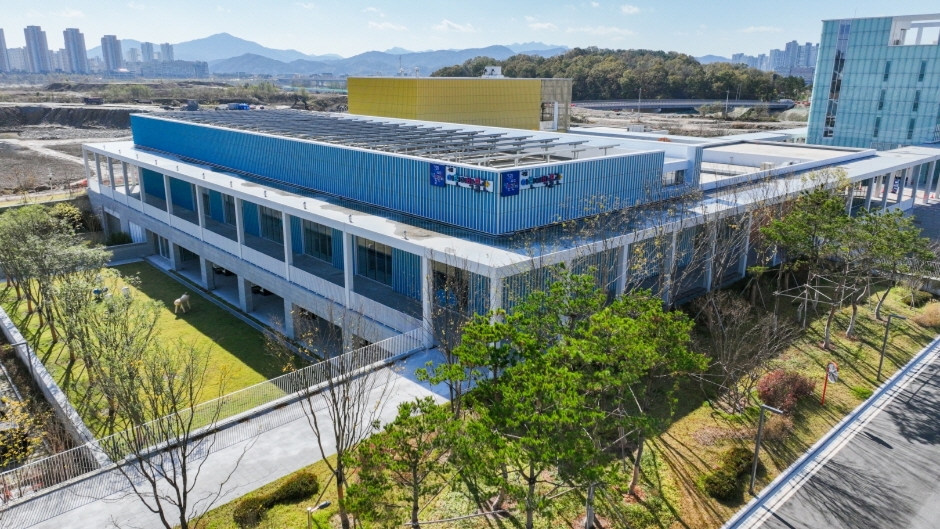
Children's Museum (국립어린이박물관)
18.6Km 2025-05-20
130 Eoulluri-ro, Sejong-si
The Children's Museum combines education and fun through interactive exhibition halls and a relaxing lounge area. Visitors can explore tools used by humans, enjoy tactile play in an artificial forest, navigate underground facilities, and design public buildings. They can also participate in activities like traditional Korean painting games using digital devices and space travel through media art. Additional programs include creating plant kits or pressed flower lamps, as well as science and art fusion workshops.
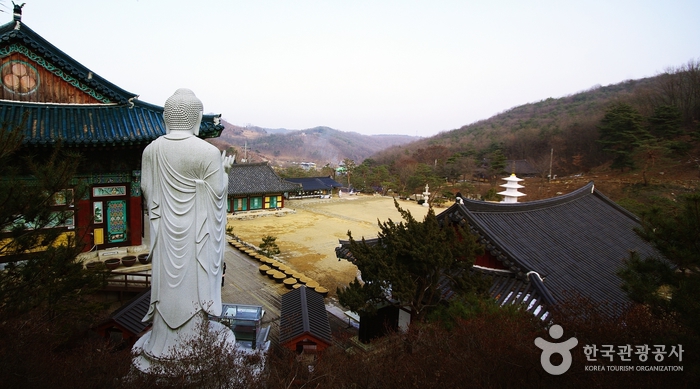
Yeongpyeongsa Temple (영평사)
18.7Km 2021-11-01
124, Yeongpyeongsa-gil, Sejong-si
A branch of Magoksa Temple, which is the 6th local temple of the Jogyejong Order, Yeongpyeongsa Temple has six traditional buildings and three small hermitages. Janggunsan Mountain, where the temple is located, is small but full of energy. According to Feng Shui, the mountain is a perfect location for a temple because it is shaped like a dragon curled along the Geumgang River. Yeongpyeongsa is a tranquil place that captures the purity of the temple’s Buddhist practice, with fresh air and clean water that offer a habitat for fireflies, crawfish, and black snails. On the way in, visitors are greeted by a multitude of wildflowers vying for their attention: the columbines and the prairie crocuses in spring, the white lotuses in summer, and the Siberian chrysanthemums in autumn.
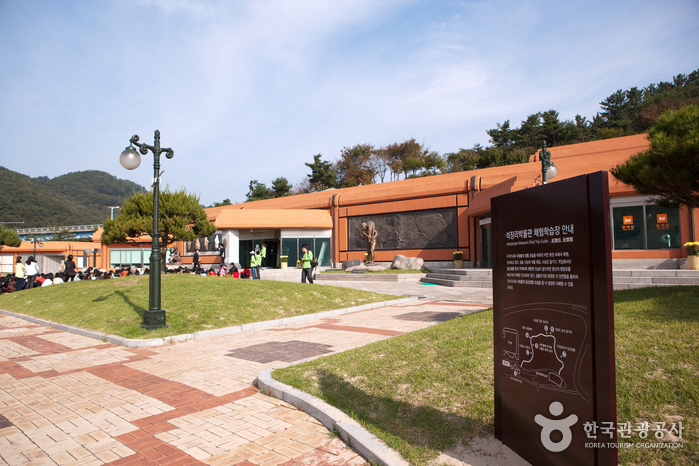
Seokjangni Museum (석장리박물관)
18.7Km 2025-01-14
990, Geumbyeok-ro, Gongju-si, Chungcheongnam-do
Located in Gongju, Chungcheongnam-do, Seokjangni Museum was established in September 2006 to preserve and introduce the culture of the Old Stone Age. There are a variety of exhibitions of relics excavated from the Seokjeong-ri area as well as educational programs available for visitors to learn more about the Paleolithic Period. The museum is divided into permanent exhibitions, planned exhibitions and outdoor exhibitions. Overall, visitors can understand the history better through the exhibition halls, prehistoric park, and the Archaeological Site in Seokjang-ri, Gongju.
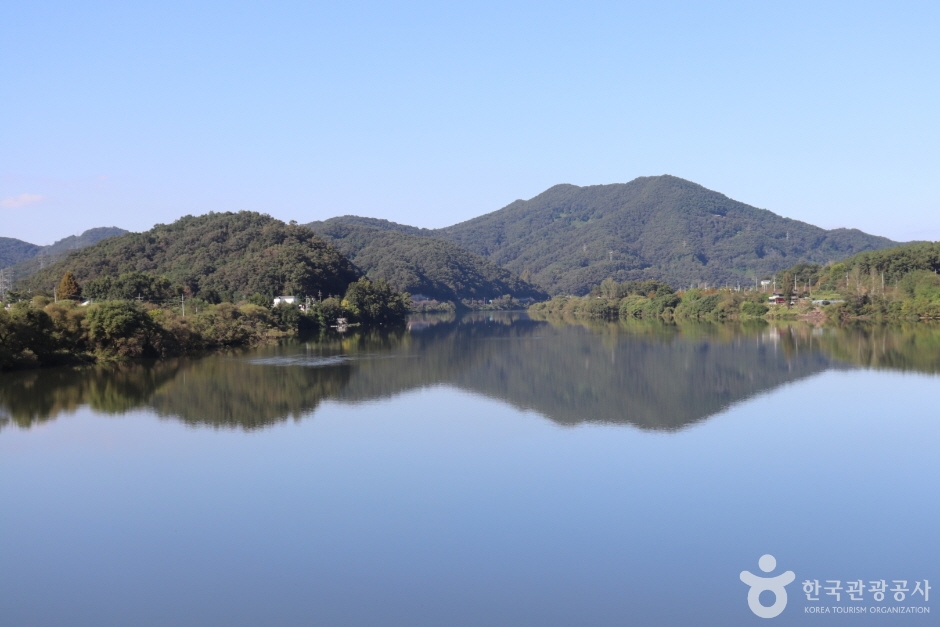
Red Leaf Willow Habitat (왕버드나무군락지)
19.1Km 2024-02-15
Miho-dong, Daedeok-gu, Daejeon
Red Leaf Willow Habitat is located near Daechung Dam and Geumgang Lohas Daecheong Park, along the Geumgang River. This area is ideal for photography, offering stunning views during sunrise and sunset, with sunlight and mist creating a picturesque scene. The decaying wood of the trees in the wetland area can even emit light on its own during the nighttime.
 English
 한국어
한국어 日本語
日本語 中文(简体)
 Deutsch
 Français
 Español
 Русский


