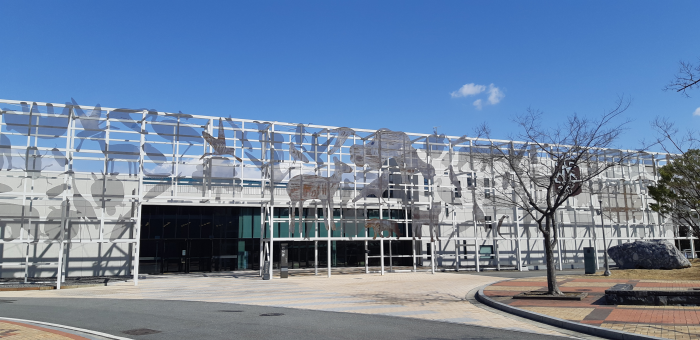
Daejeon Natural Heritage Center (천연기념물센터 (대전))
8.9Km 2025-01-14
927, Yudeung-ro, Seo-gu, Daejeon
+82-42-610-7610
The Natural Heritage Center was established to help visitors learn about the value and importance of natural heritages through exhibitions and education on the methodical study of natural heritages. Fossils of dinosaur eggs and footprints along with animal and plant specimens and many other natural heritages are on display. With the guide of professional researchers, young visitors can learn more about natural heritages through hands-on activities, video education and many other experiential programs that are only provided at the Natural Heritage Center.
The center is developing more exhibitions through academic exchanges with UNESCO and various international organizations specializing in natural heritages.

Geumnam Egret Habitat (금남 백로 서식지)
9.1Km 2025-05-20
45-13, Gamseong-gil, Geumnam-myeon, Sejong-si
+82-44-300-5833
The Egret Habitat in Gamgseong-ri covers a small mountain located in Yuseong-gu District. Existing since the Joseon dynasty era, the habitat is home to common herons and cattle egrets. Up to 5,000 birds have been observed at one time. The best time to visit the habitat and see the egrets is between April and May.
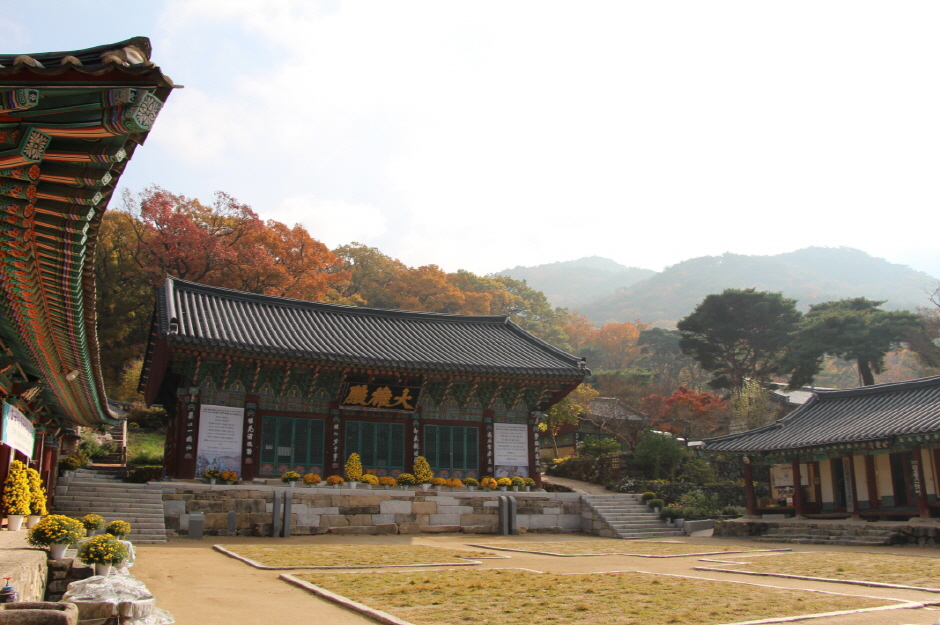
Gapsa Temple (갑사)
9.2Km 2021-12-17
567-3, Gapsa-ro, Gongju-si, Chungcheongnam-do
+82-41-857-8981
Gapsa Temple is located in the forested foothills of Gyeryongsan Mountain, 19 kilometers from Gongju and a three-hour walk from Donghaksa Temple. The temple is most beautiful during fall when surrounded by crimson foliage. Gapsa Temple was established by monk Adohwasang in 420, during the early Baekje Period. The temple's beauty allowed it to escape destruction many times, but it was ultimately burned down during the Imjin War (1592-1598). The current structures were built in 1604. Nearby attractions include Yongmunpokpo Falls, Sujeongbong Peak, and Cheonjinbotab Pagoda.
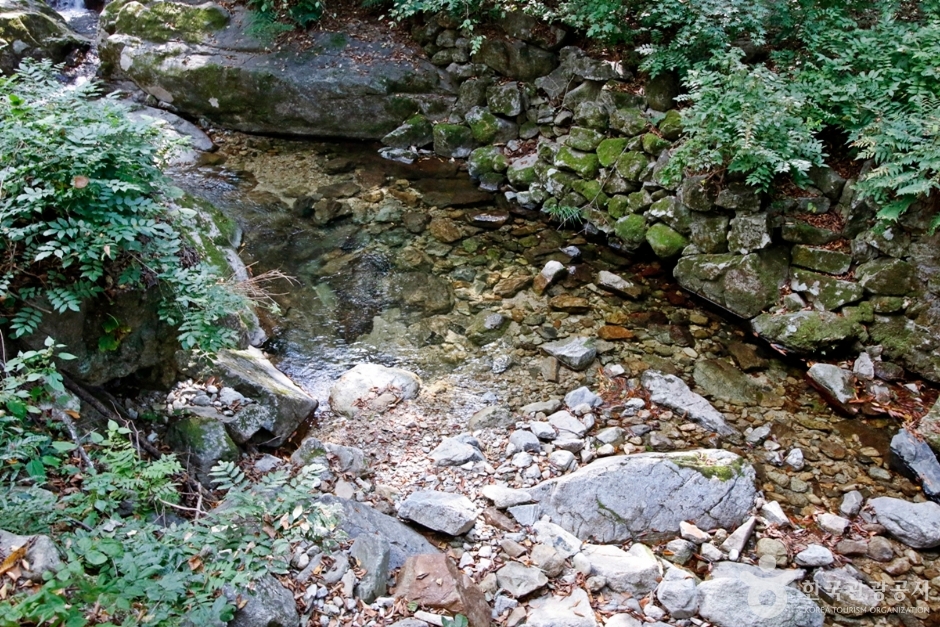
Gapsagyegok Valley (갑사계곡)
9.7Km 2024-02-21
519 Gapsa-ro, Gyeryong-myeon, Gongju-si, Chungcheongnam-do
Gapsagyegok Valley is a valley located on the northwest slope of Gyeryongsan Mountain in Gongju-si. With moderate temperatures even in summer, it is suitable as a recreational area, while the autumn foliage adds to its beauty. At the entrance lies Gapsa Temple, a Buddhist temple with various cultural assets, offering insights into Korean Buddhist culture. Within the valley, visitors can enjoy forest walks and view attractions such as the Yongmunpokpo Falls.
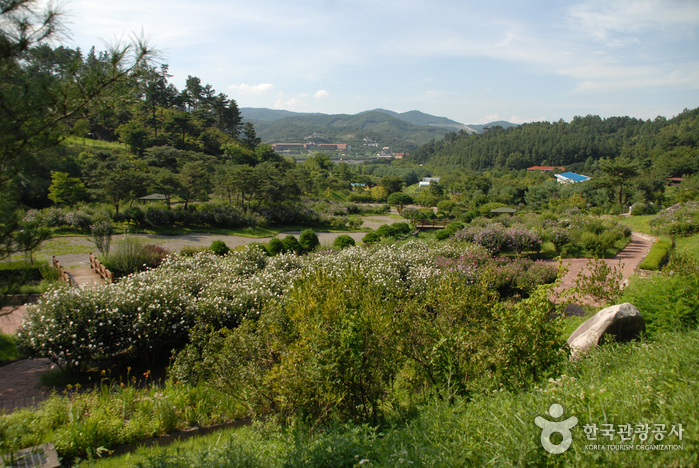
Geumgang Recreational Forest (Arboretum, Forest Museum) (금강자연휴양림(금강수목원,산림박물관))
9.9Km 2025-05-20
110, Sallimbangmulgwan-gil, Sejong-si
+82-41-635-7400
Along the river from Gongju toward Daejeon there is Geumgang River to the right. Following this river, there is a red arch-shaped bridge on the right called Bultigyo Bridge. Geumgang Recreational Forest, a large and well-organized forest, is located on the other side of this bridge. In the past, this remote village can only be reached by boat. In 1994, the Chungnam Forest Environment Research Institute moved to this area and designated the well-preserved dense forest as Geumgang Recreational Forest, and the Forest Museum opened in October 1997. Geumgang Recreational Forest is different from other recreational forests. Rather than a dense forest with a trail, this forest has a variety of attractions such as the Forest Museum, an arboretum, greenhouse, pond, and wildlife park scattered on well-maintained roads, giving the impression of a city park.
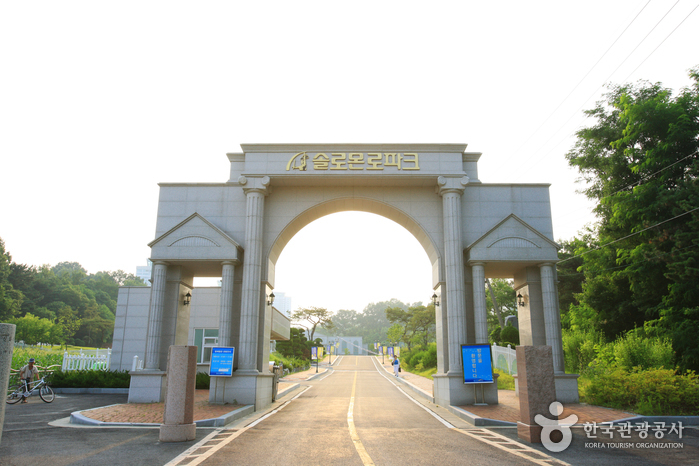
Solomon Law Park (솔로몬로파크)
9.9Km 2024-04-23
219-39 Expo-ro, Yuseong-gu, Daejeon
+82-42-323-8800
Solomon Law Park is a theme park operated by the Ministry of Justice, offering an experiential legal education. Visitors can learn about and experience the law in an easy and entertaining way. The Law Experience Center provides opportunities to experience legislation, investigation, courtrooms, and prisons. The park includes a Law Playground, as well as amenities like a leisure area and a convenience store.
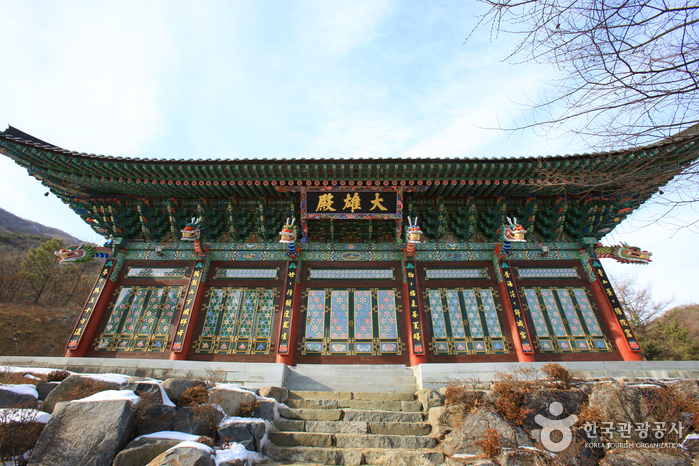
Gyeryong Musangsa Temple (무상사(계룡))
10.4Km 2023-04-13
129, Hyangjeoksan-gil, Gyeryong-si, Chungcheongnam-do
+82-42-841-6084
Musangsa Temple is an international Zen Temple exclusively for foreigners. The temple aims at promoting Korean Zen Buddhism among foreign monks and nuns while encouraging non-Buddhist priests and religious leaders to experience Zen. Twice a year (once in the summer and once in the winter) a 3-month program is held for foreign monks and nuns to come and practice Ganhwaseon, a type of Zen Buddhism. Travelers and other foreigners are also welcome to participate in shortened versions of the program, which are typically one week in length. During meditation/program periods, public visits are limited. The temple’s yearly schedule is divided into three sections with the last section providing various events and programs including weekend events and workshops. The temple also offers temple stay and other programs run in both Korean and English.
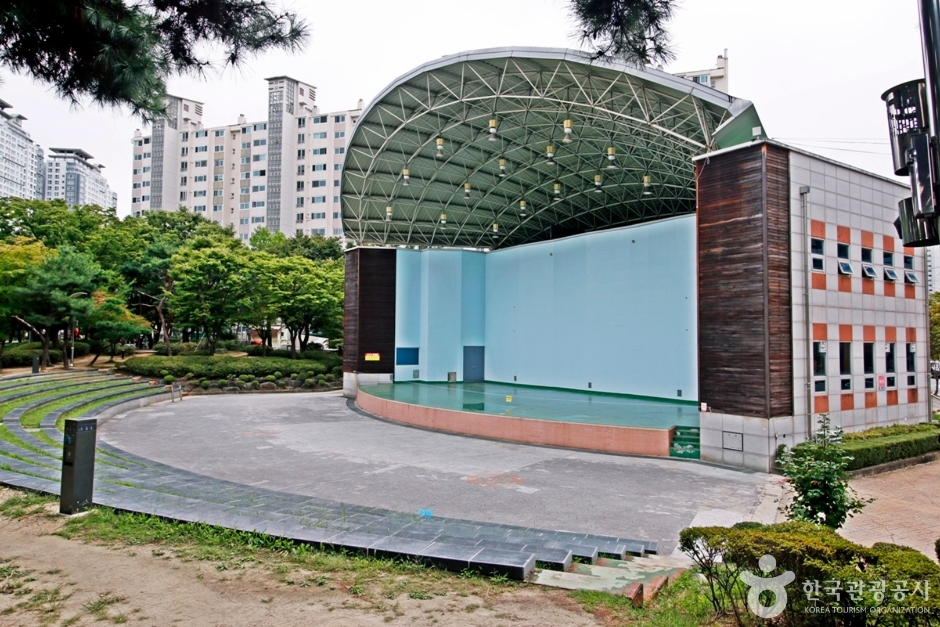
Seodaejeon Park (서대전공원)
11.7Km 2024-11-25
30 Gyeryong-ro 904beon-gil, Jung-gu, Daejeon
Seodaejeon Park is located at the site of a previous military base that closed in 1975. The site served as the venue for the 1993 Daejeon Expo, and was turned into the current park visitors see now at that time. The park features a large grassy field, outdoor performance stage, and more. The park serves as the venue for various festivals throughtout the year, including a Children's Day event and Kalguksu festival.
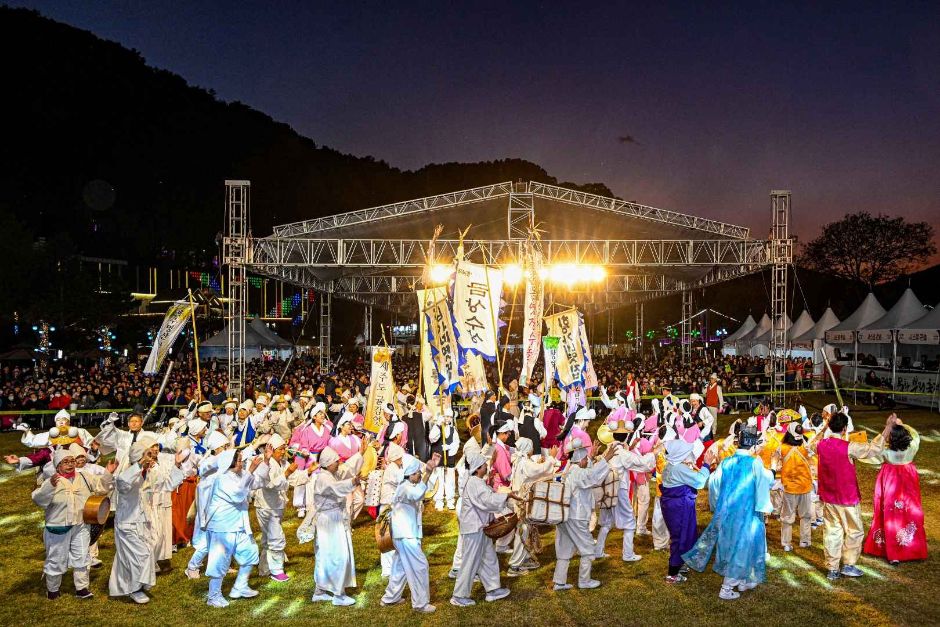
Hyo Culture Ppuri Festival (대전효문화뿌리축제)
11.8Km 2025-07-11
47 Ppurigongwon-ro, Jung-gu, Daejeon
+82-42-606-6290
Held at the nation’s only filial duty-themed park, the Ppuri Park, the Daejeon K-Hyo Festa is a traditional cultural event dedicated to finding the roots of the ancestry of unique family clans and learning traditional filial piety. The festival features various experiences related to surnames and filial duty, along with popular flea markets and food zones. In 2022, it received a Special Award at the Korea Festival Contents Awards.
Ppuri Park (뿌리공원)
12.1Km 2021-08-18
79, Ppurigongwon-ro, Jung-gu, Daejeon
+82-42-288-8310
Ppuri Park was created under the theme of filial piety, one of the overriding values of Korean society. Opened on November 1, 1997, the park occupies a plot of land measuring 109,091 m² and is filled with unique sculptures and art pieces that remind visitors of their family ties. Other main points of interest at Ppuri Park include the Deep-rooted Spring (symbolizing the 12 jisin/gods of the earth), a waterfront stage, grass square, observation deck, and recreational forest. Another must-visit attraction is the Samnam Memorial Tower, which represents the harmony and cooperation between the Honam and Yeongnam regions of Korea.
 English
 한국어
한국어 日本語
日本語 中文(简体)
 Deutsch
 Français
 Español
 Русский


