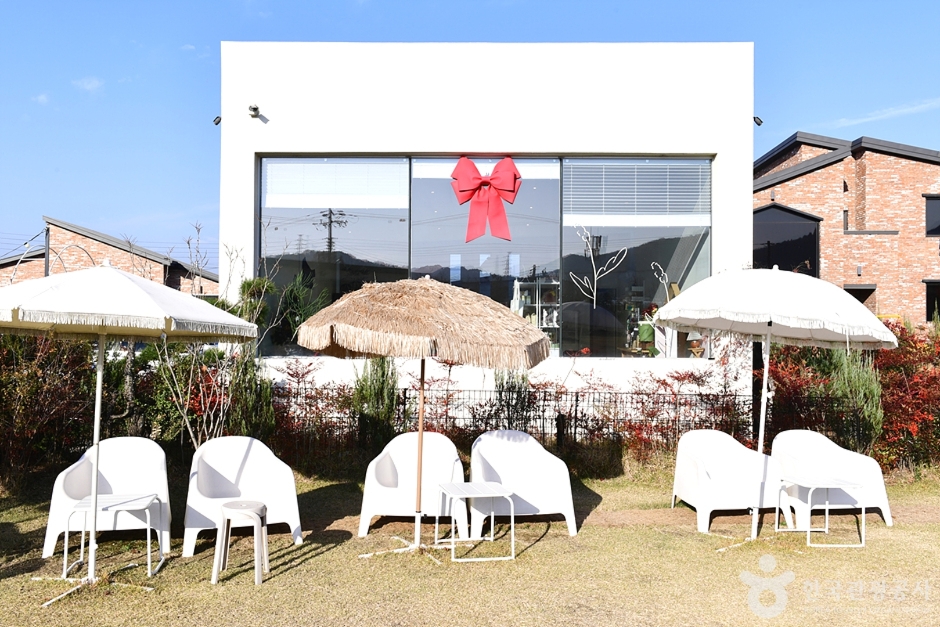
Muisahoe (무이사회)
5.6Km 2024-04-07
22-5 Sugok-gil, Deokjin-gu, Jeonju-si, Jeonbuk-do
Muisahoe, situated 20 minutes from the center of Jeonju, is a café designed with both dogs and their owners in mind. It boasts a spacious grassy outdoor area for dogs to play and a large indoor space for owners to relax. The café's standout drink is the Muisoop latte, a unique blend of milk cream and brown sugar. There's a weight limit for dogs, allowing entry only to those weighing 17 kilograms or less. However, customers without dogs are equally welcome to enjoy the café's offerings and atmosphere.
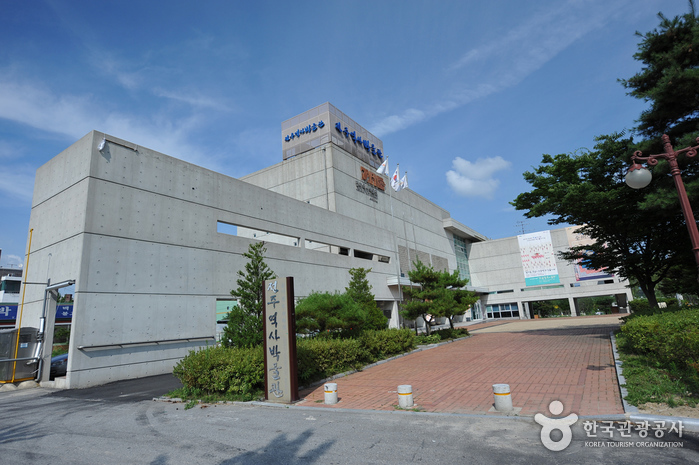
Jeonju Museum of History (전주역사박물관)
5.7Km 2024-04-06
259, Ssukgogae-ro, Wansan-gu, Jeonju-si, Jeonbuk-do
+82-63-228-6485
The Jeonju History Museum exhibits the long and fascinating history of Korea. The museum is divided into different exhibits, providing visitors with cultural history with emphasis on Jeonju history.
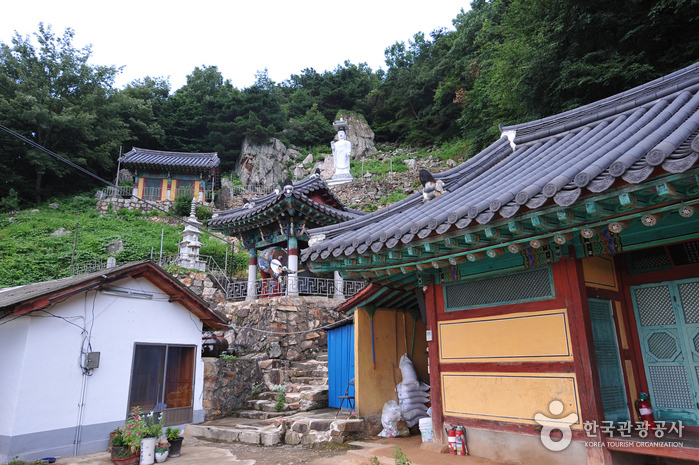
Jeonju Donggosa Temple (동고사 (전주))
5.9Km 2024-04-07
103-100, Naksujeong 2-gil, Wansan-gu, Jeonju-si, Jeonbuk-do
+82-63-288-1626
Donggosa Temple, located on Seungamsan Mountain in Jeonju, is a Buddhist temple of the Taego Order. The hike up to Donggosa Temple is a refreshing climb, and the temple provides a stunning panoramic view of downtown Jeonju. The temple buildings were constructed one after another along the mountain ridge, and stand in a row on either side of Daeungjeon Hall. The temple is modest and tastefully decorated with portraits of deceased great Buddhist monks and wooden Buddhist murals. The hiking trail to the right of Donggosa Temple leads to Chimyeongjasan Martyrs Ground, which is the graveyard of persecuted Catholics from the late Joseon dynasty.

Jeonju National Museum (국립전주박물관)
5.9Km 2024-04-07
249, Ssukgogae-ro, Wansan-gu, Jeonju-si, Jeonbuk-do
+82-63-223-5651
The Jeonju National Museum was established in 1990 as an institute for the research, preservation, and exhibition of Jeollabuk-do’s most prized cultural treasures. In November of 2002, a Social Educational Hall was opened as a creative educational space to provide visitors a place to experience traditional culture. The museum houses over 40,000 artifacts, a majority of which were excavated from the Jeollabuk-do area, and has on exhibit over 2,000 pieces spread throughout 4 exhibition halls and 1 outdoor exhibition hall. The museum also serves as a venue for numerous cultural activities and educational programs, providing visitors with the opportunity to gain a deeper understanding of Korea’s proud history.
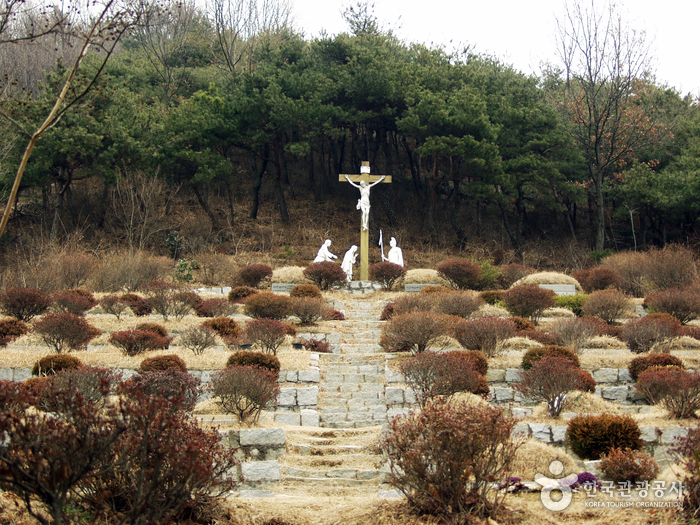
Chimyeongjasan Holy Ground (치명자산성지)
5.9Km 2024-04-07
89, Baramssoeneun-gil, Wansan-gu, Jeonju-si, Jeonbuk-do
+82-63-285-5755
Chimyeongjasan is a sacred site for those of the Catholic faith and a famous pilgrimage attraction in the southeastern region of Jeonju. Perched upon a steep ridge of Seungamsan Mountain behind Hanbyeokdang Pavilion, the area is the final resting place of well-known Catholic couple Yu Jung-cheol (John), Yi Sun-I (Rugalda), who vowed to remained virgins for all eternity. Situated upon the couple’s grave is “Miracle Rock,” a naturally formed rock that is said to be shaped like Jesus and the Virgin Mary. The site is also home to a 4-meter-high stone cross that can be seen from as far away as Hanbyeokdang Pavilion.
The 200-meter prayer hike named “The Golgotha Way of the Cross” is one of the most popular pilgrimage routes for Catholics visiting the mountain area. Leading up from the parking lot and Monmartre Square (rest place), the entire path to the summit is strewn with flowers, making the prayer walk an ideal place for a stroll and some quiet meditation.
Korea Expressway Corporation Arboretum (한국도로공사 전주수목원)
6.6Km 2025-07-22
462-45 Beonyeong-ro, Deokjin-gu, Jeonju-si, Jeonbuk-do
The Korea Expressway Corporation Arboretum is located in Jeonju and operated by Korea Expressway Corporation. The arboretum was opened to counterbalance the environmental damage caused by the construction of expressways. As such, the arboretum maintains and promotes the conservation of many beautiful flora from across the country.
Olive Young - Jeonju Pyeonghwa Branch [Tax Refund Shop] (올리브영 전주평화점)
6.7Km 2024-06-27
#106, 4680, Moak-ro, Wansan-gu, Jeonju-si, Jeonbuk-do
-
Taejogwan of the Royal Room (왕의지밀 태조관)
7.1Km 2024-12-23
5218-26 , Chunhyang-ro, Wansan-gu, Jeonju-si, Jeonbuk-do
+82-63-284-1004
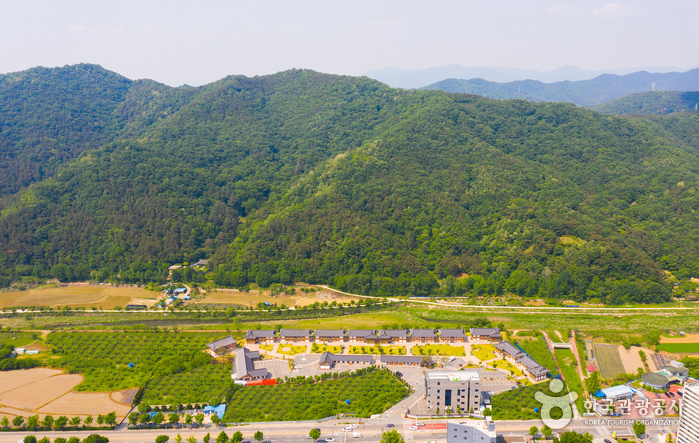
Located in Jeonju, Wangui Jimil Taejogwan (‘Royal Room of King Taejo’) in Jeonju, Jeollabuk-do, is a hanok hotel combining hanok style with modern facilities - one of a group of hotels named after Joseon kings. The hotel has four bedrooms. The Gold and Silver rooms are equipped with a king-size bed and a jacuzzi, have paintings and embroideries on the wall, and (in the case of Gold) exposed timbers. The scenery beyond the windows is calm and beautiful. The hotel offers a hanok cafe and a place for group gatherings. Gyeonggijeon Shrine, with its portrait of King Taejo, and Jeonju Hanok Village are nearby.
Taejonggwan of the Royal Room (왕의지밀 태종관)
7.1Km 2024-12-23
5218-24 , Chunhyang-ro, Wansan-gu, Jeonju-si, Jeonbuk-do
+82-63-284-1004
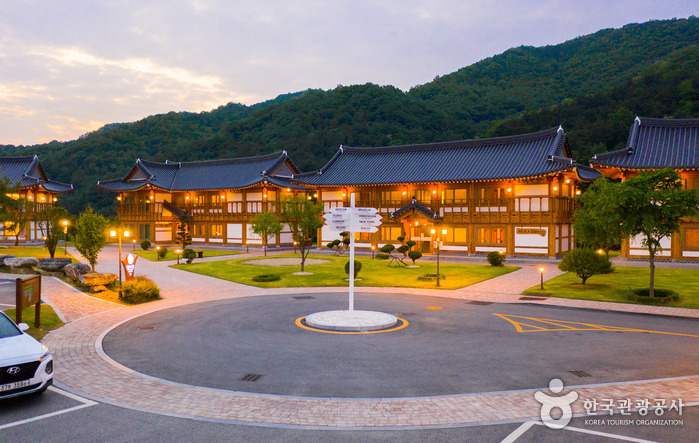
Wangui Jimil Taejonggwan (‘Royal Room of King Taejong’) in Jeonju, Jeollabuk-do, is a hotel that combines hanok style with the modern convenience - one of a group of hotels named after Joseon kings. There are a total of six rooms with exposed beams, paintings on the walls and traditional furniture, plus bathrooms and toilets; and the scenery beyond the large windows adds to the charm. Additional facilities include a hanok cafe, a restaurant and a convention center. Guests can reach anywhere in Jeonju Hanok Village in about 10 minutes by car.
Sejonggwan of the Royal Room (왕의지밀 세종관)
7.1Km 2024-12-23
5218-22 , Chunhyang-ro, Wansan-gu, Jeonju-si, Jeonbuk-do
+82-63-284-1004
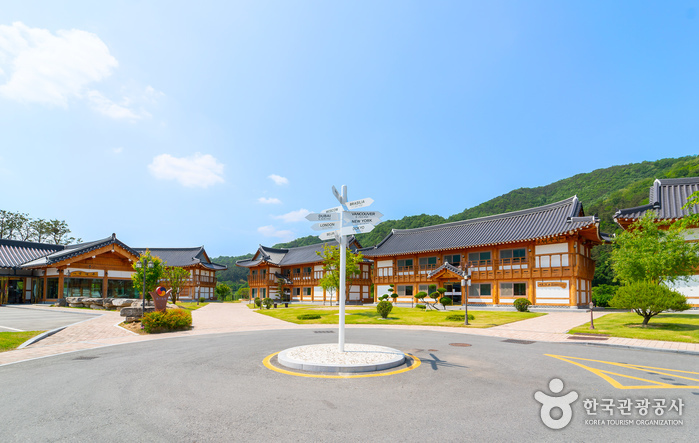
Wangui Jimil Sejonggwan (Royal Room of King Sejong) in Jeonju, Jeollabuk-do, is a hotel that combines hanok style with modern convenience - one of a group of hotels named after Joseon kings. There are eight guestrooms, divided into Gold and Silver class, and all equipped with bathrooms and toilets. Rooms have exposed beams and traditional furniture, and the scenic views and chirping of insects beyond the large windows add to the charm. Additional facilities include a hanok cafe, a restaurant, and a convention center. Guests can reach anywhere in Jeonju Hanok Village in about 10 minutes by car.
 English
 한국어
한국어 日本語
日本語 中文(简体)
 Deutsch
 Français
 Español
 Русский


