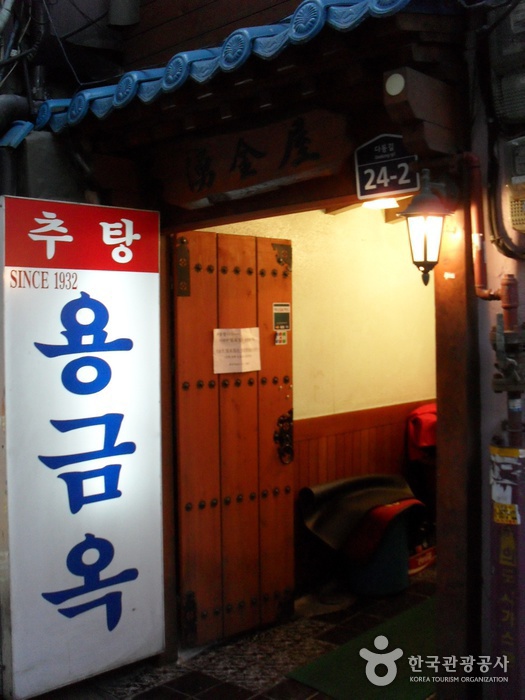
Yonggeumok (용금옥)
10.2Km 2024-03-13
24-2, Dadong-gil, Jung-gu, Seoul
+82-2-777-1689
Established in 1932, Yonggeumok specializes in Seoul-style chutang (loach soup), renowned for using whole loach in its preparation. This method distinguishes it from the more commonly known Namwon-style chutang, which involves grinding the loach. At Yonggeumok, guests can savor the tender and savory texture of the loach flesh in their chutang, offering a unique and authentic dining experience.
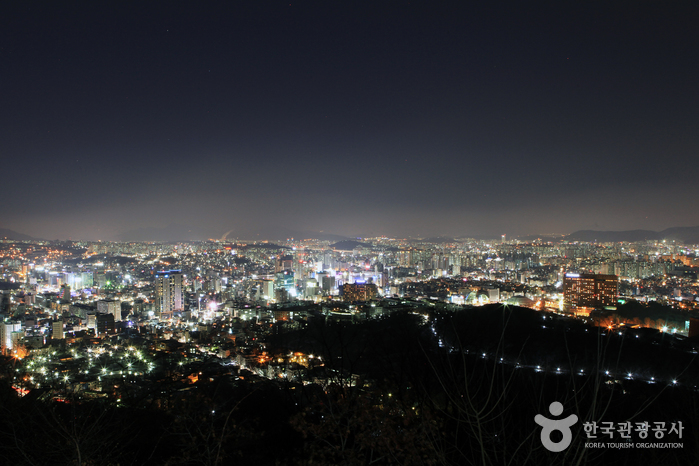
Seoul Namsan Park (남산공원(서울))
10.2Km 2024-03-18
231 Samil-daero, Jung-gu, Seoul
Namsan Mountain rises in the heart of Seoul at an altitude of 265 meters and has been a significant landmark since the Joseon dynasty (1392-1897), leaving behind several ruins. It was heavily damaged in the early 20th century, but was partially restored in 1968 with the creation of the park. Highlights include Namsan Tower and love locks left by numerous couples. Visitors can also easily reach the top by a cable car or bus.
![Daiso - Myeong-dong Station Branch [Tax Refund Shop] (다이소 명동역)](http://tong.visitkorea.or.kr/cms/resource/60/2878760_image2_1.jpg)
Daiso - Myeong-dong Station Branch [Tax Refund Shop] (다이소 명동역)
10.2Km 2024-04-22
B2F, 124, Singomae-ro, Giheung-gu, Yongin-si, Gyeonggi-do
-

Olive Young - Myeongdong Branch [Tax Refund Shop] (올리브영 명동점)
10.2Km 2024-06-26
14, Myeongdong 8-gil, Jung-gu, Seoul
-
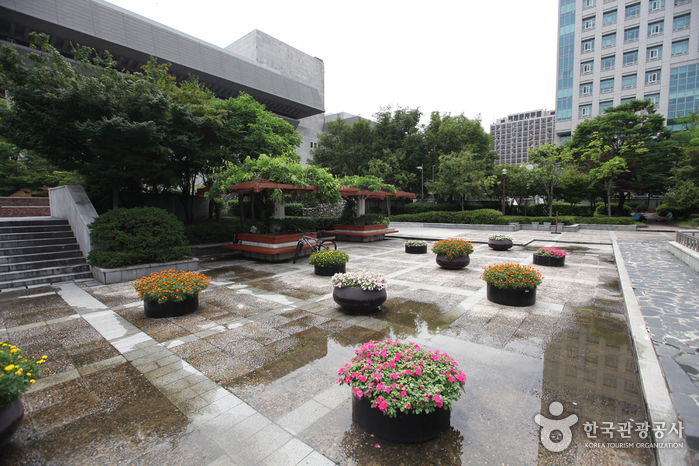
Sejong-ro Park (세종로공원)
10.2Km 2022-08-31
jiha 189, Sejong-daero, Jongno-gu, Seoul
+82-2-722-9598
Sejong-ro Park is located next to Sejong Center for the Performing Arts in central Seoul. Inside the park, there are wooden benches and shaded areas where people can sit and relax. Also available are water fountains, a round outdoor stage, and various sculptures. The lunch crowd from the nearby office buildings often come to the park during weekdays. On the weekends, the park is also used as a venue for outdoor weddings.
Seoul's anthem and the poem "Bulnori" by Ju Yo-han are written on a memorial stone that can be found inside the park.
![Converse - Myeong-dong Branch [Tax Refund Shop] (컨버스 명동점)](http://tong.visitkorea.or.kr/cms/resource/46/2878646_image2_1.jpg)
Converse - Myeong-dong Branch [Tax Refund Shop] (컨버스 명동점)
10.2Km 2024-06-27
16-1, Myeongdong 8-gil, Jung-gu, Seoul
-
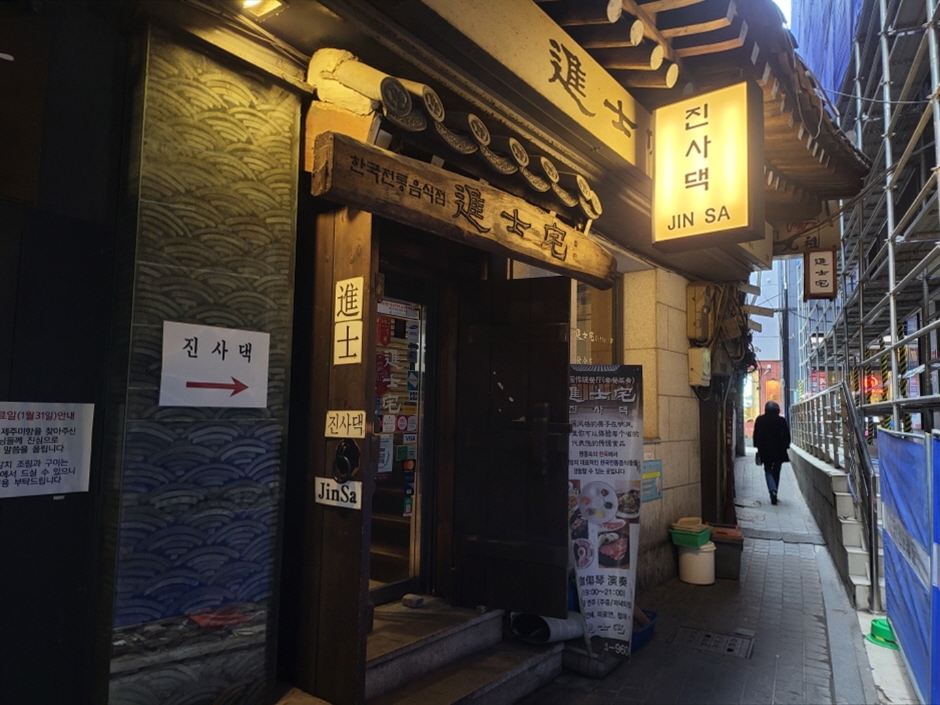
Jinsadaek (진사댁)
10.2Km 2024-03-15
30-1 Myeongdong-gil, Jung-gu, Seoul
+82-2-774-9605
Jinsadaek is a traditional Korean restaurant located near Myeongdong Cathedral. It specializes in serving high-end Korean table d'hote prepared with ingredients such as beef, abalone, fish, soybean paste, blue crabs, and japchae. Additionally, they offer specialties like bori gulbi jeongsik (barley-aged dried yellow croaker set menu), ganjang gejang jeongsik (soy sauce marinated crab set menu).
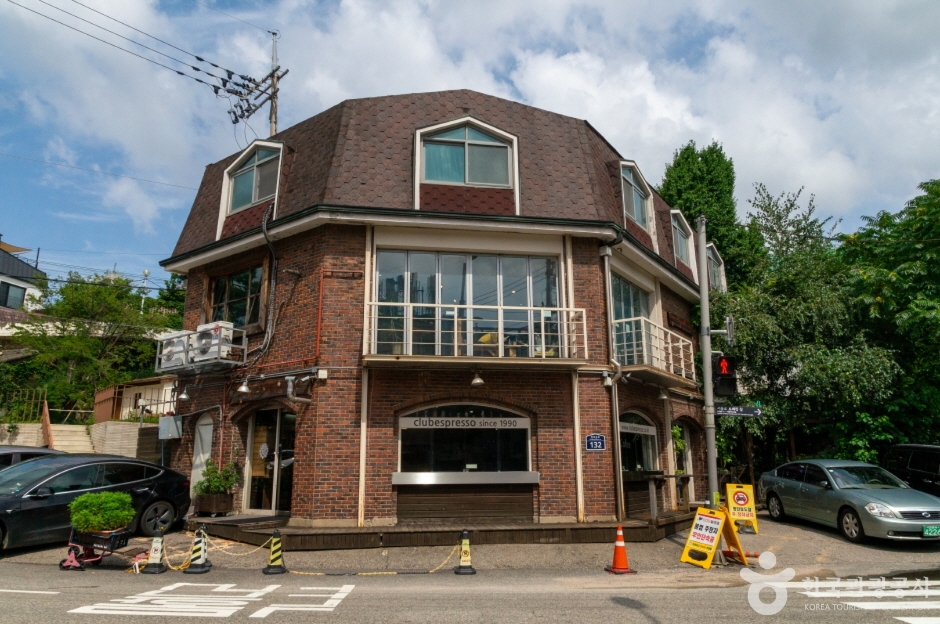
Club Espresso (클럽에스프레소)
10.2Km 2024-02-20
132 Changuimun-ro, Jongno-gu, Seoul
Club Espresso is a café that opened in 1990, constructed with red bricks. They roast their own coffee beans, offering a diverse coffee menu. The Moon Blend, a blend of Colombian, Brazilian, Ethiopian, and Guatemalan beans, is a favorite among regulars and is made with the coffee bean ratio favored by former President Moon Jae-in. Nearby attractions include the Yun Dongju Hill (Cheongun Park) and the Yun Dong-ju Literary Museum, dedicated to the poet beloved by Koreans.
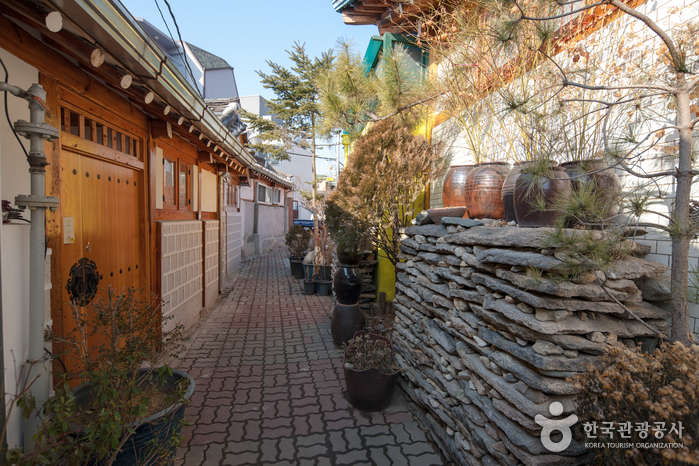
Seochon Village (서촌마을)
10.2Km 2024-12-02
45 Pirundae-ro, Jongno-gu, Seoul (Nuha-dong)
Seochon Village is the name given to the area to the west of Gyeongbokgung Palace. It is a historic village, home to old shops and hanok buildings that have stood the test of time. Korean traditions and contemporary sensibilities coexist within Seochon Village’s maze-like alleyways, creating the unique ambience that makes the district so beloved. One can find shops, guesthouses, cafés, and restaurants in the village.
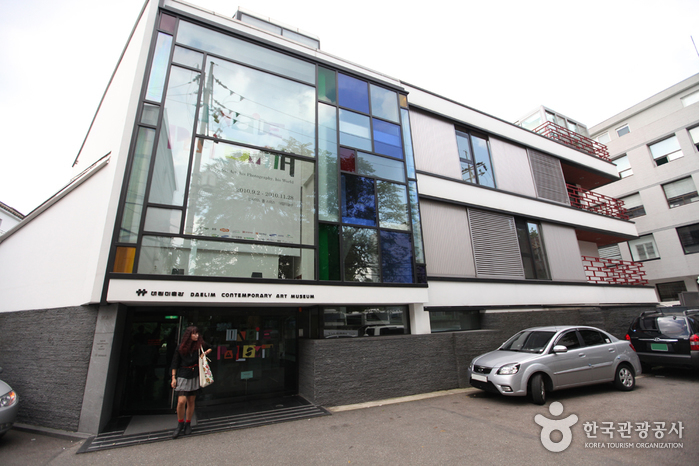
Daelim Museum (대림미술관)
10.2Km 2022-07-29
21, Jahamun-ro 4-gil, Jongno-gu, Seoul
+82-2-720-0667
The Daelim Museum, built by the Daelim Group, was first established in Daejeon in 1996 and later moved to Jongno, Seoul in 2002. The art gallery studies, analyzes, and presents modern art through the lens of photography and holds exhibitions centered around photo media.
The museum is located in the residential area of Tongui-dong, near the time-honored Gyeongbokgung Palace. The museum, which was designed by French architect, Vincent Cornu, and built by the Daelim Corporation, opened its door to the public in late May 2002.
On the first floor, there is a garden, parking lot, reception desk, storage area, and conference room. On the second and third floor are offices and exhibition hall approximately 595 m² in size, consisting of small and large rooms, a long gallery, and a special high-ceilinged exhibition space. On the fourth floor, there is a seminar room that can seat up to 120 guests and a balcony with a beautiful view. From the balcony of the seminar room, Visitors can also enjoy a wide open view of Inwangsan Mountain and Bukhansan Mountain. The stained glass panels (designed to reflect the beauty of traditional Korean wrapping cloth) and the scenic lounges on the 2nd and 3rd floors of the building add to the overall charm.
Above all else, the museum was designed with consideration of the photos, which are very sensitive to humidity, light, and temperature.
 English
 한국어
한국어 日本語
日本語 中文(简体)
 Deutsch
 Français
 Español
 Русский


