
The Museum of Medicine (서울대학교병원의학박물관)
9.3Km 2024-03-18
101 Daehak-ro, Jongno-gu, Seoul
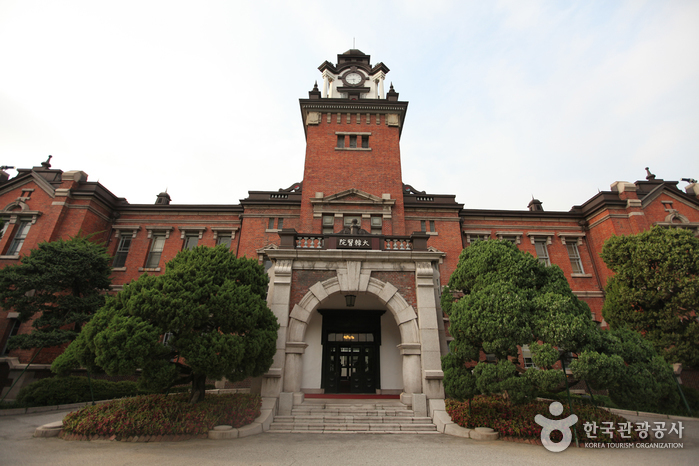
The Museum of Medicine is located in the building of the former Daehan Medical Center, the oldest modern hospital in Korea. It is a medical museum that provides a comprehensive view of the development of modern medicine in Korea, the history of medical devices, and the transformation of Seoul National University Hospital. Through permanent and special exhibitions, the museum showcases medical artifacts and documents related to the history of medicine.
![Aritaum - Kyung Hee Univ. Branch [Tax Refund Shop] (아리따움 경희대)](http://tong.visitkorea.or.kr/cms/resource/05/2889605_image2_1.jpg)
Aritaum - Kyung Hee Univ. Branch [Tax Refund Shop] (아리따움 경희대)
9.3Km 2024-04-18
1F, 22, Kyungheedae-ro, Dongdaemun-gu, Seoul
-
Seoul Daehan Hospital (서울 대한의원)
9.3Km 2021-12-23
101, Daehak-ro, Jongno-gu, Seoul
+82-2-2148-1842
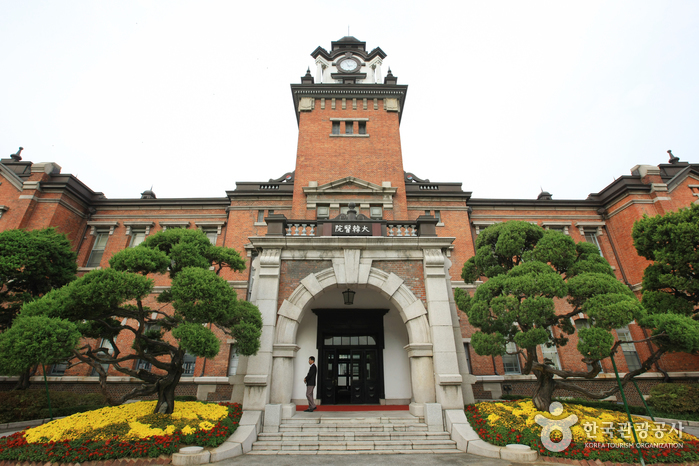
Daehanuiwon (Daehan Medical Center) is an antique two-story brick building within the grounds of Seoul National University Hospital. It was established under the direct administration of the Uijeongbu (State Council), combining the Gwangjewon (under the Home Ministry), Gyeongseong Medical School and the Korean Red Cross Hospital (under the Royal Household).
Built in the Madubong Hill area, this location where Hamchunwon, the outer garden of Changgyeonggung Palace, once stood in 1484 (15th year of King Seongjong), was also once the site of Gyeongmogung Palace, where King Jeongjo enshrined the mortuary tablet of his birth father Crown Prince Sado Seja in 1776 (the year King Jeongjo ascended to the throne).
These places that held importance for the royal family were destroyed as the Japanese built Gyeongseong Empire University in its place. In 1907, with the announcement of the plan to establish Daehan Medical Center, construction began on the main building, seven wards and affiliated buildings. Construction was completed in November 1908.
The Daehan Medical Center opened in Gwangjewon, but upon Japanese colonization in 1910, its name was changed to the Japanese Viceroyalty Hospital. In 1926, it was included as a part of Gyeongseongjeguk University to become a university hospital. Since the liberation of Korea in 1945, it has been a hospital affiliated with Seoul National University.
Bosingak Belfry (보신각 터)
9.3Km 2024-03-04
54, Jong-ro, Jongno-gu, Seoul
+82-2-2133-2641
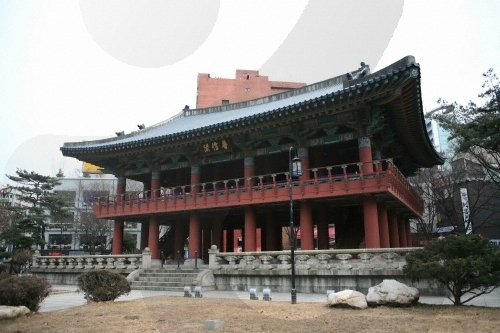
Bosingak Belfry is also known as Jonggak. It was the site in which a large bell, used to keep the time in Seoul, was found during the Joseon period (1392-1897). Bosingak Belfry was burned down during the Korean War (1950-1953) and was reconstructed in 1979. The original bell was moved to the Gyeongbokgung Palace, and a new bell was forged in 1985. At midnight, January 1, the bell at the Bosingak Belfry is rung to welcome the new year. Many people gather around the belfry to make a wish for their new year.
Tteok Museum (떡박물관)
9.3Km 2021-09-29
71, Donhwamun-ro, Jongno-gu, Seoul
+82-2-741-5447
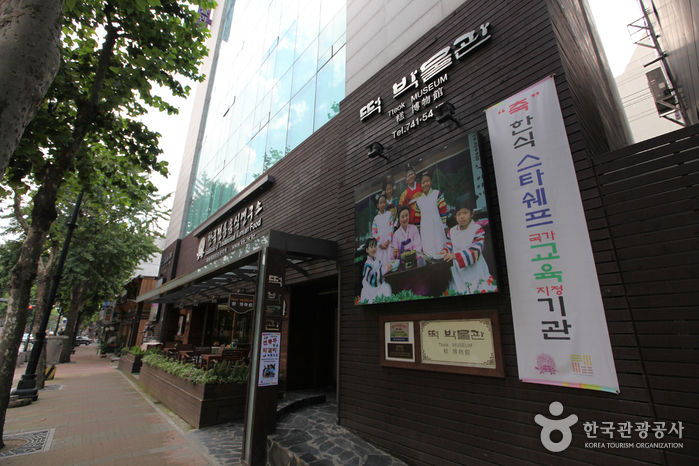
The Tteok Museum displays over 2,000 Korean kitchen utensils and tteok (rice cake) related items, arranged by various themes. The displayed utensils are handmade household necessities that are ingenuous, yet reveal the lifestyle of the working class. The elderly may relive fond childhood memories and the younger generation can experience the wisdom of ancestors through the rare kitchen utensils.
Manjok Ohyang Jokbal City Hall (만족오향족발 시청)
9.3Km 2024-03-12
134-7, Seosomun-ro, Jung-gu, Seoul
+82-2-753-4755
Located close to City Hall station, Manjok Ohyang Jokbal specializes in jokbal (braised pigs' feet). The restaurant has been recognized for its quality by being included in the 2023 Michelin Guide. It is recommended to try jaengban guksu (jumbo sized buckwheat noodles) and riceballs, which are perfect for pairing with pork feet. Deoksugung Palace, Seoul Plaza, and Namdaemun Gate are nearby, so visiting them will enrich one's cultural experience.
 English
 한국어
한국어 日本語
日本語 中文(简体)
 Deutsch
 Français
 Español
 Русский


