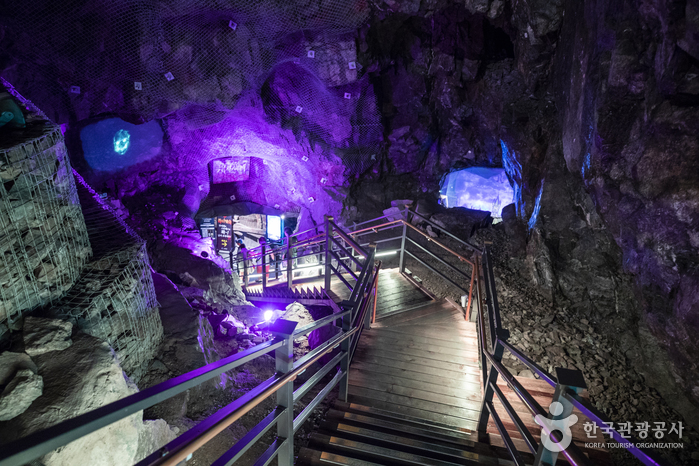
Gwangmyeong Cave (광명 동굴)
18.9Km 2025-10-27
142 Gahak-ro 85beon-gil, Gwangmyeong-si, Gyeonggi-do
Gwangmyeong Cave was developed in 1912 during the Japanese colonial period to exploit resources, including gold mines, and continued to be developed for industrial purposes after liberation. After the mine was closed in 1972, it was used as a salted seafood warehouse for about 40 years. Gwangmyeong City purchased the site, reorganized it, and made it available to the public. It is currently recognized as a modern industrial heritage site with high historical value, and is well known as a cave theme park in the metropolitan area. Along with the cave, colorful lights and sculptures create a spectacular sight. Aside from tasting and purchasing Korean wine at the Gwangmyeong Wine Cave, visitors can also see the largest media art piece in Korea at the Lascaux Exhibition Hall, enjoying a more diverse travel experience.

Seoul Today Dental Clinic (서울오늘치과의원)
18.9Km 2025-11-24
3rd Floor, 63 Dongsong-ro, Deogyang-gu, Goyang-si, Gyeonggi-do
Seoul Today Dental Clinic is a comprehensive dental care center known for its precision, speed, and patient-centered approach. The clinic operates an in-house dental laboratory, enabling same-day prosthetic fabrication for faster and more efficient treatments. With a team of six board-certified specialists, including graduates from Seoul National University, the clinic provides highly specialized and reliable dental care.
Its core services include implants, non-prep veneers, conscious sedation dentistry, orthodontics, and teeth whitening. The clinic is also experienced in treating foreign residents and U.S. military personnel, ensuring smooth communication and cultural understanding.
What sets Seoul Today Dental Clinic apart is its integration of advanced technology and personalized care—patients receive tailored treatment plans within a comfortable, modern environment. For those who fear dental procedures, conscious sedation offers a relaxed and pain-free experience.
Every aspect of Seoul Today Dental Clinic is designed to provide trustworthy, high-quality, and comfortable dental care that meets international standards.
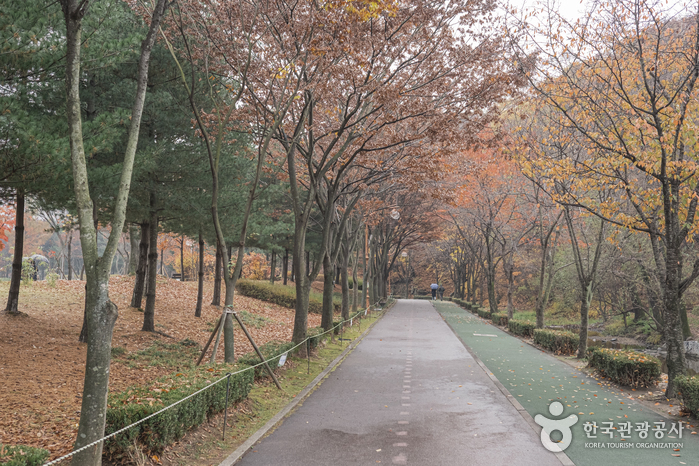
Yuldong Park (율동공원)
18.9Km 2021-11-30
145, Munjeong-ro, Bundang-gu, Seongnam-si, Gyeonggi-do
+82-31-702-8713
Yuldong Park is a large urban neighborhood park located in the Bundang area of Seongnam. Since its opening in 1999, the park has become a favorite weekend hangout, frequented by residents of Seongnam and Seoul. This well-equipped park has a 45-meter bungee jumping site, a large fountain and a 33-acre reservoir encircled by a 2.5 kilometer promenade/bike path. Other facilities include a 13 meter-high artificial rock climbing wall, badminton center, children’s playground, foot acupressure path, grass plaza, year-round flower garden, field of reeds and theater. The park is also a popular date course for couples at nighttime as there are many quiet cafes located near the reservoir.
Youus Tours (유어스투어)
19.1Km 2025-11-28
#912-913, Magok M-Signature, 20 Magokjungang 1-ro, Gangseo-gu, Seoul
We are a premier medical tourism agency, dedicated to providing private and seamless experiences. From airport to hotel and hospital, enjoy direct, comfortable transfers in our diverse fleet of luxury vehicles. We ensure a safe and relaxing journey, combining personalized medical services with a high-quality travel experience for your optimal health and well-being.
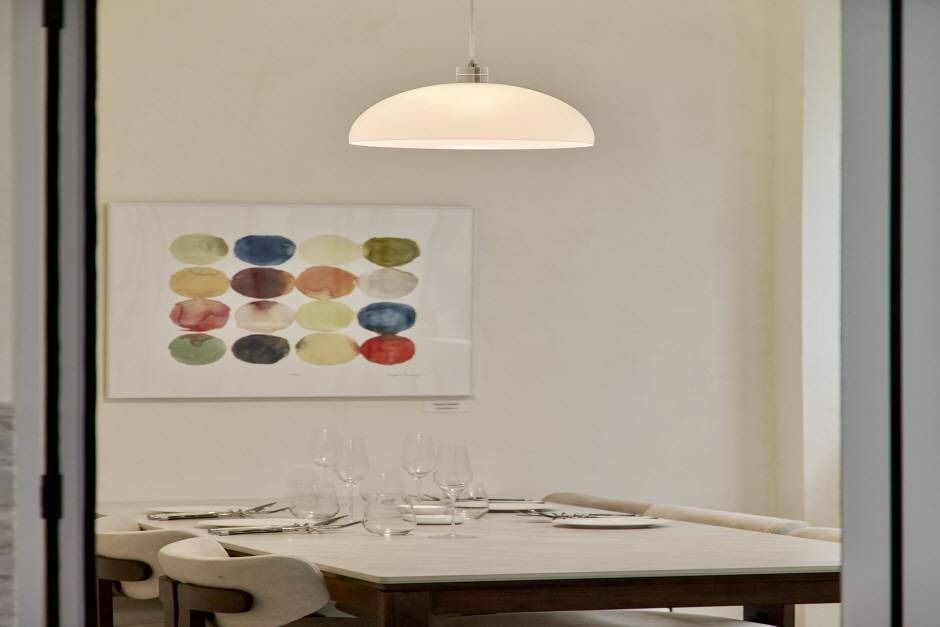
105405 Magok (105405 마곡)
19.2Km 2025-03-07
161-8 Magokjungang-ro, Gangseo-gu, Seoul
105405 Magok, a restaurant located in the Ganseo-gu district of Seoul, is famous for its charcoal grilled steak and its reinterpretation of side dishes, which is a significant part of Korean food culture. The steaks here are prepared through a meticulous process of wet-aging, seasoning, color development, confit, and charcoal grilling, with lunches served as course meals only.
Sweet Park (Lotte Children's Food Experience Center) (스위트파크(롯데어린이식품체험관))
19.2Km 2024-02-15
201 Magokjungang-ro, Gangseo-gu, Seoul
Sweet Park is a children's food experience center, an educational and entertainment space featuring Lotte's food products. The park is designed as a village themed around Lotte's food items. It offers various tour programs such as Hot Air Balloon Theater, Sweet Park Tours, Lotte R&D Center Experience Zone, and Xylitol Dental Health Education Zone.
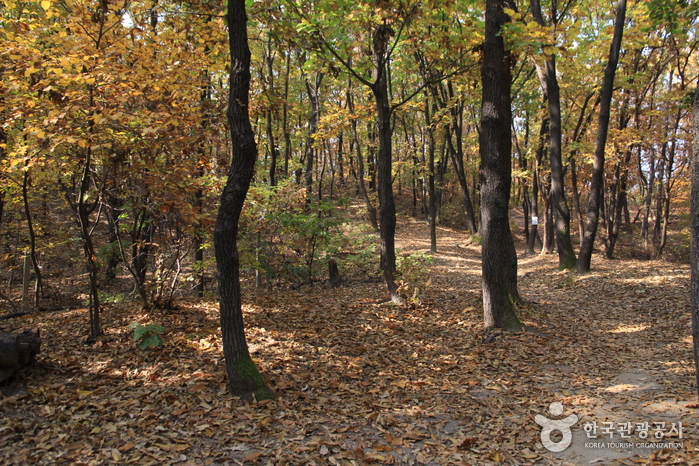
Dobongsan Mountain (도봉산)
19.3Km 2021-06-29
Dobong-dong, Dobong-gu, Seoul
+82-2-954-2566
Dobongsan Mountain, located in the northeastern section of Bukhansan National Park, is known for the magnificent rock formations of the main peak, Jaunbong Peak (740.2 m), as well as Manjangbong, Seoninbong, Jubong, Obong Peaks and Uiam Rock. Seoninbong Peak in particular has 37 hiking courses, including the famous Bakjwi (Bat) Course.
The mountain is also home to Cheonchuksa Temple, the oldest temple in the region, and several other temples including Mangwolsa and Hoeryongsa Temples, as well as a number of beautiful valleys such as Dobonggyegok, Songchugyegok, Obonggyegok and Yeongeocheongyegok Valleys. Dobongsan Mountain is easily accessible by public transportation, making it a popular attraction for people living in Seoul.
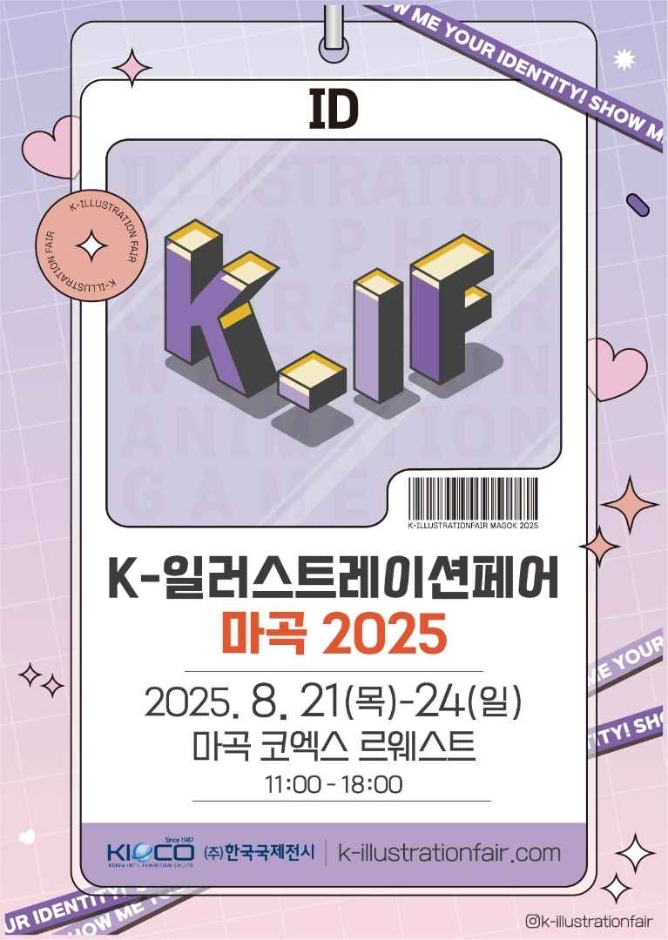
K-Illustration Fair Magok (K-일러스트레이션페어 마곡)
19.3Km 2025-07-11
143 Magokjungang-ro, Gangseo-gu, Seoul
+82-2-761-2512
The K-Illustration Fair will be held both online and offline, showing illustration in a multitude of media types, from film to music and fashion. Visitors can learn about the current trends in illustration business, as well as meet famous illustrators and their works.
Pureun Arboretum & Hang-dong Railroad (푸른수목원&항동철길)
19.3Km 2025-01-17
240 Yeondong-ro, Guro-gu, Seoul
Pureun Arboretum is a botanical garden boasting well-established ecological parks and scenic walking trails. It encompasses diverse themed gardens, including the Wildflower Garden, Hydrangea Garden, Conifer Garden, Broadleaf Tree Garden, Bulbous Plant Garden, Wetland Garden, and Rose Garden, complemented by an Visitor Center. The Forest Learning School, functioning as a greenhouse, showcases plants from various corners of the globe and hosts educational programs. Visitors can avail themselves of facilities like the book café, a café, and a library. Additionally, the arboretum is intersected by the abandoned railroad tracks of Hang-dong.
Mayfield Hotel Seoul (메이필드호텔 서울)
19.4Km 2025-10-23
94, Banghwa-daero, Gangseo-gu, Seoul
+82-2-2660-9200
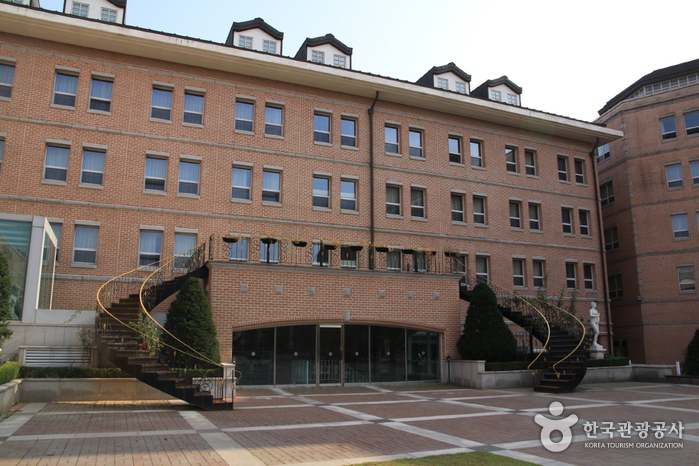
Surrounded by forests, Mayfield Hotel is the ideal place to enjoy unique seasonal views and unite with nature. It takes five minutes from Gimpo International Airport and 30 minutes from Incheon International Airport, boasting a proximity to both downtown and the airports. Mayfield Hotel staff members are dedicated to providing the best services with the utmost care. It is a premium hotel where guests experience the joys of comfortable and relaxed travels while creating valuable memories. Mayfield Hotel is located next to the traditional Korean restaurant Nakwon, which serves premium Korean cuisine. The hotel spans an area of approximately 105,785.60 square meters, and has six floors and a basement level. The hotel consists of eight separate buildings, including the main hotel wing, which houses an elegant lounge; a Western restaurant; a traditional Korean restaurant; and an outdoor plaza lounge. There is a banquet wing with a hall that can accommodate international conferences, plus various events and banquets. Small and medium-sized banquet halls suitable for weddings and receptions are available as well. The hotel wing has 202 spacious and cozy guest rooms, including suites and traditional Korean-style ondol rooms that guests can choose from depending on their preference. Notably, the hotel boasts top-tier facilities, such as a state-of-the-art fitness club and a botanical garden, showcasing the hotel's exceptional features.
 English
 한국어
한국어 日本語
日本語 中文(简体)
 Deutsch
 Français
 Español
 Русский


