![Hwa-un [Korea Quality]화운[한국관광 품질인증]](http://tong.visitkorea.or.kr/cms/resource/29/2948829_image2_1.jpg)
Hwa-un [Korea Quality]화운[한국관광 품질인증]
2.9Km 2025-05-20
42 , Bukchon-ro 11da-gil, Jongno-gu, Seoul
+82-507-1373-2457
Hwa-un is a friendly hanok stay in Samcheong-dong, Jongno, Seoul, which is rented out as a single house. The house is high on a hill, giving superb views of Bugaksan Mountain, Inwangsan Mountain, Cheongwadae (Blue House), and Samcheong-dong Road.
There’s a beam projector for watching movies, and a jacuzzi for relieving fatigue.

La:ppland [Tax Refund Shop] (라플란드)
2.9Km 2024-04-16
Bldg. Ga. 1F, 83, Samcheong-ro, Jongno-gu, Seoul
-
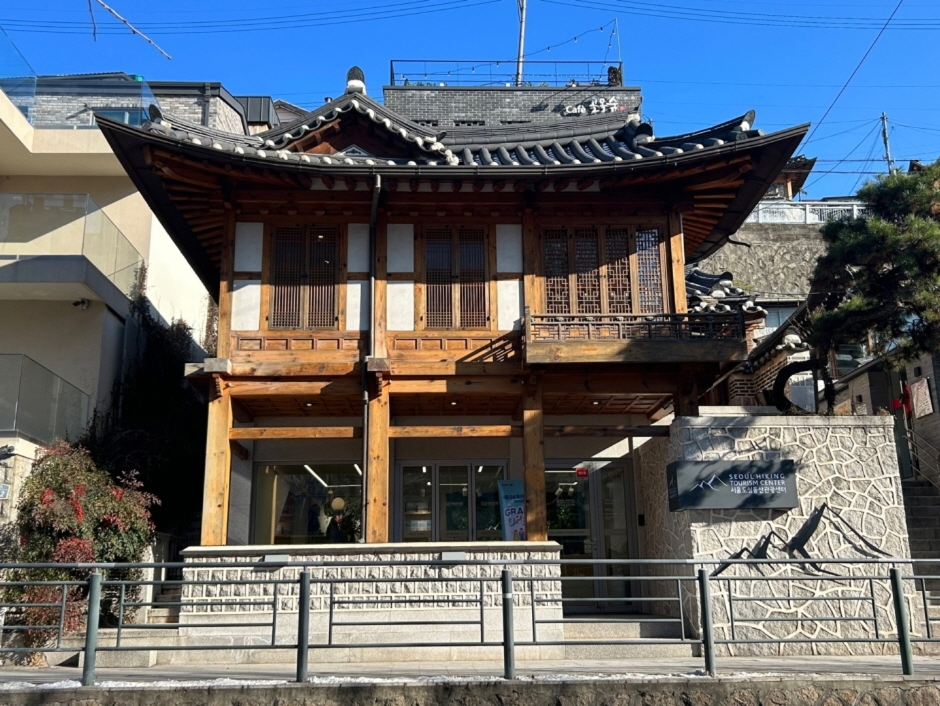
Seoul Hiking Tourism Center - Bugaksan Branch (서울도심등산관광센터(북악산))
2.9Km 2024-03-05
88 Samcheong-ro, Jongno-gu, Seoul
The Bugaksan branch of Seoul Hiking Tourism Center is located on Samcheong-dong Culture Street and provides various services to hikers. It provides hiking course guidance and information (available in Korean, English, Chinese, and Japanese) about the mountains of Seoul, including Bukhansan, Bugaksan, and Inwangsan Mountains, as well as promotional materials such as Seoul hiking tourism guidebooks and maps. Also, it operates hiking tour programs with various themes every week for foreigners and offers hiking gear rental services such as hiking boots, hiking attire, trekking poles, gloves, and crampons for foreigners. (Koreans accompanied by foreigners can also rent the gear.) In addition, there is a storage locker and lounge for visitors, so they can pack up and rest before hiking.
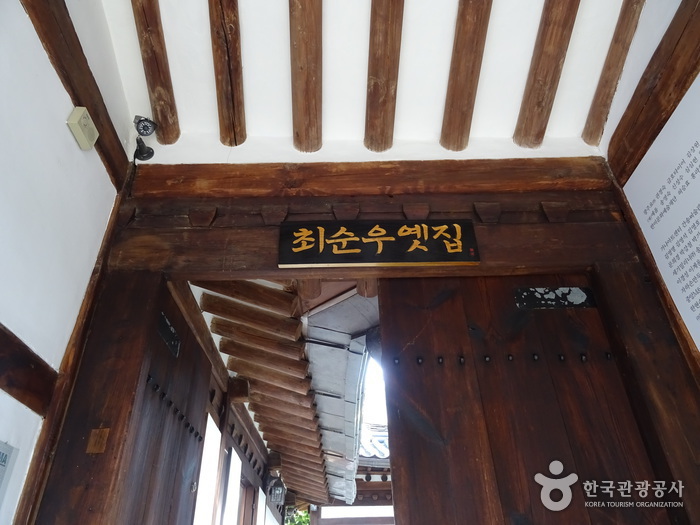
Choi Sunu House (최순우 옛집)
2.9Km 2021-12-21
9, Seongbuk-ro 15-gil, Seongbuk-gu, Seoul
+82-2-3675-3401
The Choi Sunu House is the old residence of Hyegok Choi Sunu (1916-1984), who lived in this house from 1976 until the day he passed away. The house is designated as Korea’s Registered Cultural Property. Choi Sunu was a leading art historian who served as the director of the National Museum of Korea. He devoted his life to rediscovering the beauty of Korean art and made many academic accomplishments in the areas of Korean ceramics, traditional woodcraft, and the history of painting.
The house has been open to the public as the Hyegok Choi Sunu Memorial Hall since 2004. The memorial hall displays Choi Sunu’s relics as a permanent exhibition and holds special exhibitions in the fall as well as cultural programs every spring and fall.
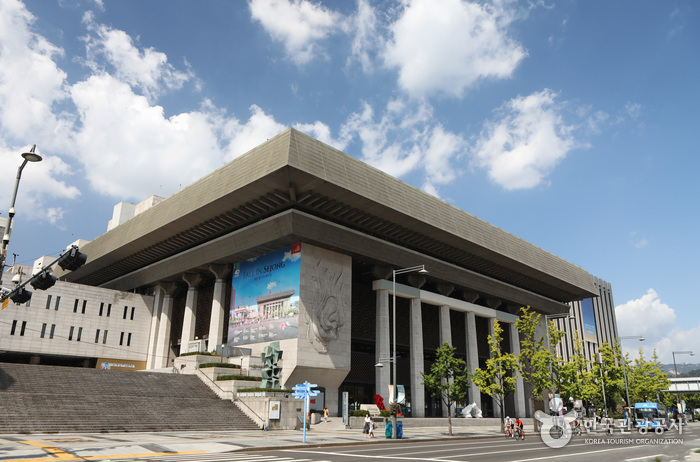
Sejong Center (세종문화회관)
2.9Km 2023-06-14
175, Sejong-daero, Jongno-gu, Seoul
+82-2-399-1000
Sejong Center, officially known as Sejong Center for the Performing Arts, opened on July 1, 1999 to provide citizens with a cultural art space. Having completed a grand remodeling project in 2007, Sejong Center offers customer-friendly programs aimed at improving the quality of art performances in a comfortable resting area. Comprising the Grand Theater of Sejong Center, Sejong M Theater, Sejong Chamber Hall, Exhibition Hall, and other subsidiary facilities, Sejong Center is a multicultural art center.
Various genres of performances including traditional, classic, and crossover have taken place in the center, giving many opportunities for cultural nostalgia.
* Opened April 14, 1978
![New Kaist Eyewear [Tax Refund Shop] (뉴카이스트안경원)](http://tong.visitkorea.or.kr/cms/resource/81/2878581_image2_1.jpg)
New Kaist Eyewear [Tax Refund Shop] (뉴카이스트안경원)
2.9Km 2024-04-22
12-2, Namdaemunsijang 4-gil, Jung-gu, Seoul
-
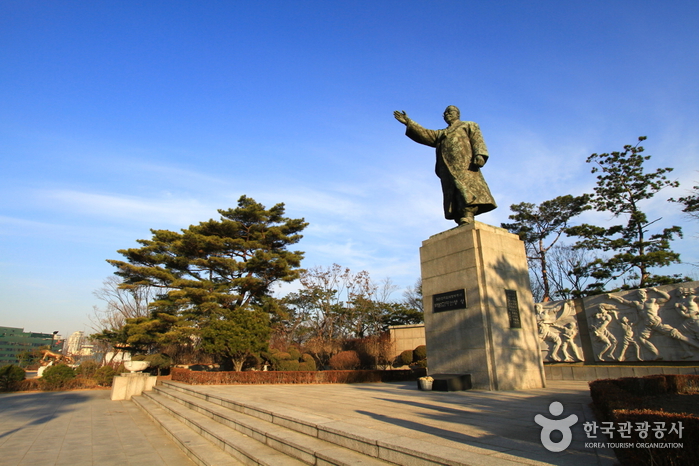
Baekbeom Kim Koo Statue (Baekbeom Plaza) (백범김구선생상(백범 광장))
2.9Km 2025-10-23
Hoehyeon-dong, Jung-gu, Seoul
Baekbeom Kim Koo Statue is located in Baekbeom Plaza in Namsan Park, Seoul. Erected in August 1969, the statue stands at a x_height of 10 meters. It commemorates the patriotic spirit of Kim Koo, who was both an independence activist and a politician in South Korea. During the Japanese colonial period, he actively participated in anti-Japanese movements, and after liberation, he played a leading role in the establishment of the government of the Republic of Korea.
Manjok Ohyang Jokbal City Hall (만족오향족발 시청)
2.9Km 2024-03-12
134-7, Seosomun-ro, Jung-gu, Seoul
+82-2-753-4755
Located close to City Hall station, Manjok Ohyang Jokbal specializes in jokbal (braised pigs' feet). The restaurant has been recognized for its quality by being included in the 2023 Michelin Guide. It is recommended to try jaengban guksu (jumbo sized buckwheat noodles) and riceballs, which are perfect for pairing with pork feet. Deoksugung Palace, Seoul Plaza, and Namdaemun Gate are nearby, so visiting them will enrich one's cultural experience.
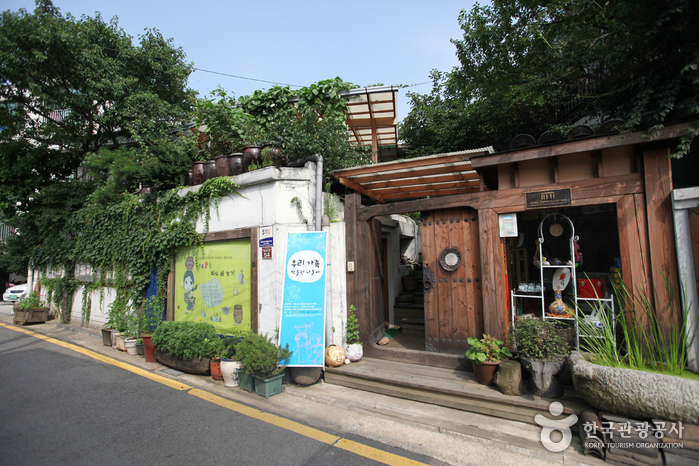
Bukchon Museum (북촌생활사박물관)
2.9Km 2022-08-30
90, Bukchon-ro 5na-gil, Jongno-gu, Seoul
+82-2-736-3957
The Bukchon Museum displays items that have been collected from Bukchon, a historical village that was once home to the nation’s nobility. The museum was founded to observe urban development that took place in the recent decades through collected and preserved veryday household items that were used by Bukchon residents. Visitors are even allowed to touch items on display to better be able to imagine life in Korea before industrialization.
![Namsi Glasses [Tax Refund Shop] (남시안경)](http://tong.visitkorea.or.kr/cms/resource/21/3314721_image2_1.jpg)
 English
 한국어
한국어 日本語
日本語 中文(简体)
 Deutsch
 Français
 Español
 Русский


