
Itaewon Special Tourist Zone (이태원 관광특구)
3.4Km 2024-11-27
196 Itaewon-ro, Yongsan-gu, Seoul
Itaewon was the first special tourist zone in Seoul, designated in 1997. It is a multicultural place where over 20,000 foreigners live and is widely recognized by international visitors.
The name Itaewon started to spread worldwide in the 1980s when Korea hosted the 1986 Seoul Asian Games and the 1988 Seoul Olympic Games, as well as many international conferences. Since then, Itaewon has become a popular travel destination. Clothes and accessories with unique designs, and leather products in particular are famous. This is a go-to place for both shopping and entertainment. The street is crowded with shops selling clothes and bags, as well as hotels, restaurants, entertainment facilities and travel agencies. With about 2,000 shops and stores lining every street, visitors can experience a multicultural atmosphere. Also famous in the district is Antique Furniture Street where more than 100 shops selling furniture and antiques stretch from Hamilton Hotel toward Bogwang-ro.
Travelers can taste authentic cuisine and experience culture from around the globe on World Food Street where there are 40 restaurants operated by foreigners. Since the late 1990s, an increase in the number of tourists from Southeast Asia and the Middle East has transformed the streets from being US Army-oriented into culturally diverse. Various performances and events are held in the area. In particular, Itaewon Global Village Festival, held every October, is a famous festival. Tourists can pay in US dollars, Japanese yen, or another currency freely. In addition, visitors can use various languages like English, Japanese, and Chinese with the sellers.
Kervan Turkish Restaurant (케르반레스토랑)
3.4Km 2025-03-15
192 Itaewon-ro, Yongsan-gu, Seoul
Kervan is a Turkish restaurant located in Itaewon, offering authentic kebab, pidé, and Turkish desserts. It faithfully recreates the Turkish culture and food through its interior, decorated with traditional tiles, and dishes prepared by a chef from Türkiye. Main menus include Chicken steak, Rich pidé, and Chicken shish kebab.
Kangbuk Samsung Hospital (강북삼성병원)
3.4Km 2025-10-23
29 Saemunan-ro, Jongno-gu, Seoul
Established in 1968, Kangbuk Samsung Hospital has over 50 years of history and is taking a new leap forward with a vision for its centennial year.
Through partnerships with renowned institutions, such as Johns Hopkins Hospital in the United States and the BBDC in Canada, the hospital delivers advanced medical services while leading the public health arena. It is also committed to systematic research and the development of ICT-integrated digital healthcare, which will be the foundation for future medicine. With an excellent infrastructure that includes clinics and specialized centers (e.g., the Diabetes Center, Breast and Thyroid Cancer Center, Digestive Cancer Center, Musculoskeletal Disease Center, and Prostate Center), Kangbuk Samsung Hospital provides top-quality medical services focused on providing patients with satisfactory treatments.
Gyeonghuigung Palace (경희궁)
3.5Km 2024-07-09
45 Saemunan-ro, Jongno-gu, Seoul
Gyeonghuigung Palace, a designated Historic Site, was originally called the large palace by Saemun Gate, or the Western Palace, for its location within the city. It was not until the eighth year of Gwanghaegun (1616) that the palace was used as a royal residence for the king, changing the name to Gyeongdeokgung Palace. The name later changed again to the current Gyeonghuigung Palace in 1760. The palace grounds included many halls but they were mostly all burned down in a fire in 1829. After the Japanese occupation began, all remaining buildings on the site were torn down and the palace grounds were turned into Gyeongseong Middle School (now Seoul High School). The school moved to Gangnam area in 1987, afterwhich the previous location was turned into a park. The palace grounds currently hold Seoul Museum of Art and walking paths, as well as a restoration of Heunghwamun Gate, the main gate of the palace, and Sungjeongjeon Hall, the main hall, completed in November 1994.
STAY dayoff (스테이 데이 오프)
3.5Km 2024-12-23
6 , Jahamun-ro 1da-gil, Jongno-gu, Seoul
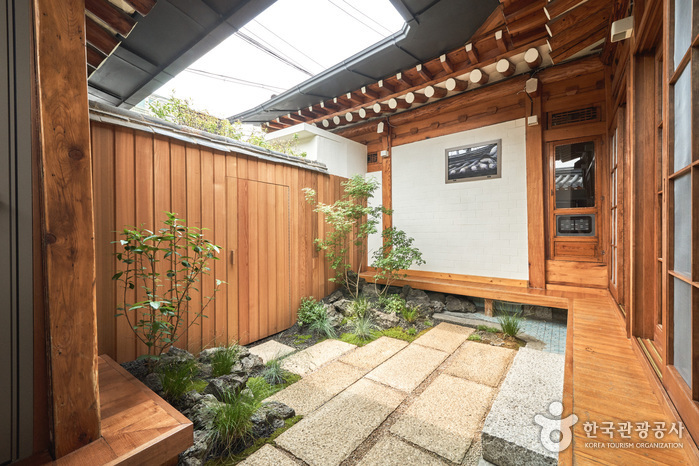
Stay Day Off is a hanok stay just off Jahamun-no - known locally as ‘Food Street’ - in Seochon Village to the west of Gyeongbokgung Palace in Seoul. It’s a 5-minute walk from Gyeongbokgung Station on Subway Line 3, so transport access is good. The main building comprises two bedrooms with queen-size bed, a living room and kitchen, and two bathrooms. The annex building is rather special: it has a bath and sauna behind a window wall with a fine view of the hanok garden. There’s a 10% discount for guests staying more than two nights during the week.
Seoul Hanok Stay (JNP Stay) (서울한옥스테이(jnpstay))
3.5Km 2024-10-30
7-28 , Jahamun-ro 1na-gil, Jongno-gu, Seoul
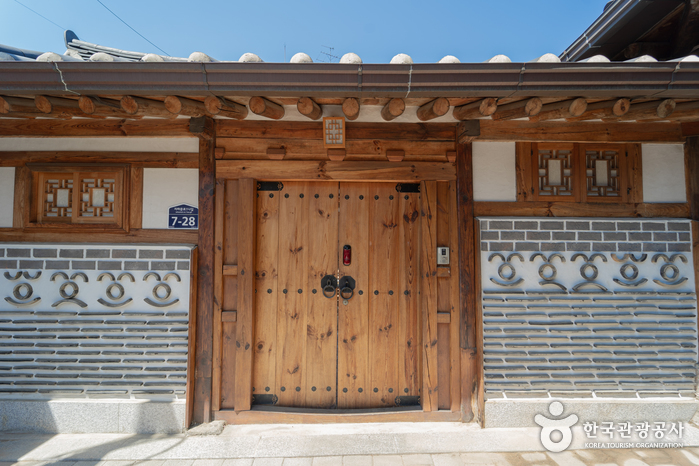
Seoul Hanok Stay (JNP Stay) is a private hanok stay located 3 minutes' walking distance from Gyeongbokgung Station. You can play traditional Korean games such as jejichagi (hacky sack), yut nori (board game), and tuho (arrow-throwing) in the yard, and cooking barbecue adds to the charm of the hanok. From the yard, you can enjoy the sky view, feel the gentle breeze, and observe raindrops falling from the eaves.
Seoul Gyeonggyojang House (서울 경교장)
3.5Km 2021-09-15
29, Saemunan-ro, Jongno-gu, Seoul
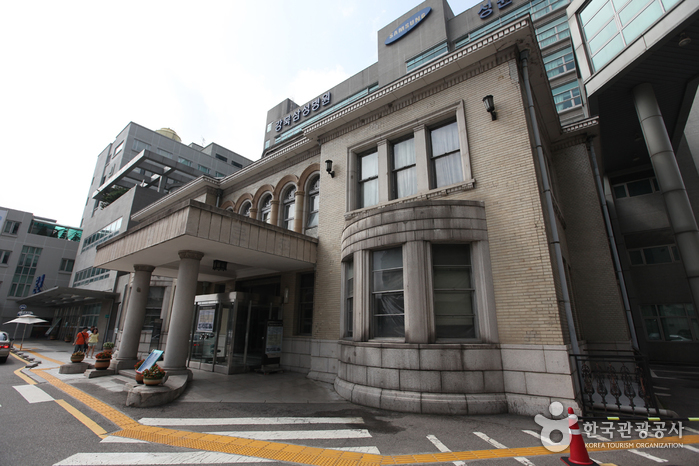
Gyeonggyojang House, a designated Historic Site, was the location of the provisional government and the place where Baekbeom Kim Koo passed away. Seoul reproduced the historical site, Gyeonggyojang House, to use the area as an educational site. Also, the house exhibits the history of the provisional government in order to see the history more clearly.
Restoration work included the demolition of the interior that was changed when the building was turned into a hospital facility and embassy after Kim Koo passed away in 1949. During the work, the remaining parts were maintained with the utmost care. Reconstructed parts were based on the building's floor plan written in Chosun and Architecture (8th edition in 1938). Visitors can see various contents related to the Korean Provisional Government history through relics, video, and information searching corners.
Bukjeong Village (북정마을)
3.5Km 2024-02-15
132-3 Seongbuk-ro 23-gil, Seongbuk-gu, Seoul
Bukjeong Village, situated along the slopes of Seongbuk-dong, offers a glimpse into Korea's old alleyways. The village expanded as refugees from the Korean War (1950–1953) and people from various regions settled, building houses under the collapsed walls of Hanyang doseong (Seoul City Wall). Presently, the village is home to young artists, and the broad street in front of the village bus stop hosts various community events.
Seongbuk-dong–Bukchon Hanok Village Course (성북동고택북촌산책길)
3.6Km 2025-11-06
68, Seonjam-ro 5-gil, Seongbuk-gu, Seoul
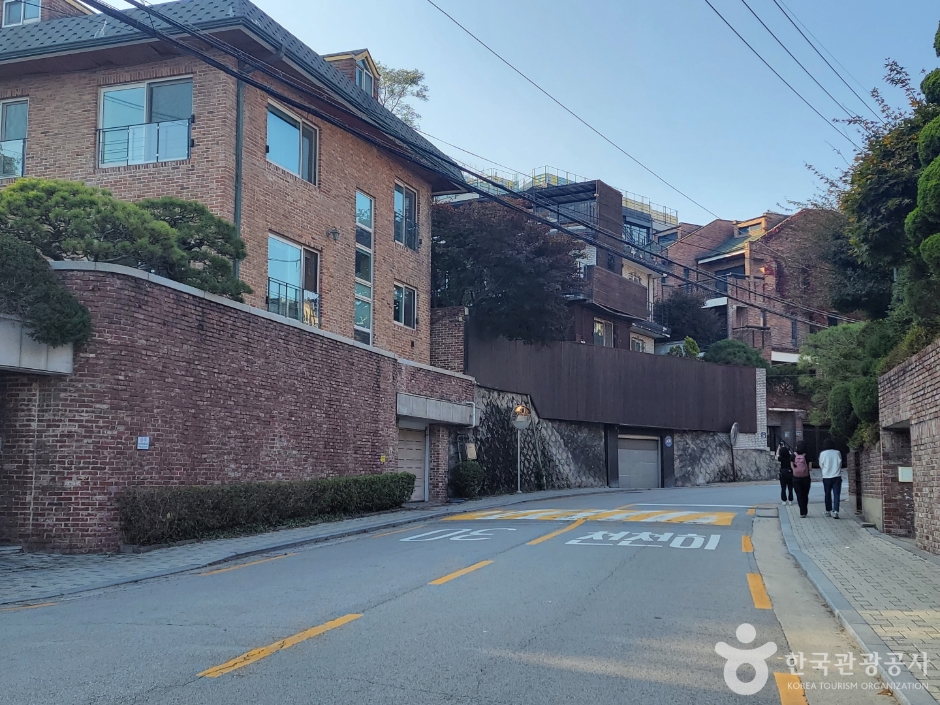
The Seongbuk-dong–Bukchon Hanok Village Course is a nostalgic path connecting famous old houses in Seongbuk-dong and Bukchon Hanok Village, divided by the old city walls. Along the way, you'll find historic sites like Gilsangsa Temple, Jeongbeopsa Temple, Han Yong-un’s Simujang House, and novelist Lee Tae-jun's House. The trail also features charming cultural spots, such as the traditional tea house Sooyeon Sanbang and the Seongbuk Museum of Art.
◎ Travel information to meet Hallyu’s charm - "Parasite"
The scene in the alley where Ki-woo visited Mr. Park's house in a wealthy neighborhood for expensive tutoring was filmed in a residential area in Seongbuk-dong. Seongbuk-dong, an old wealthy village, has luxury mansions lined up in. There are many pretty cafés and galleries here and there, so it's good to take a leisurely look around. Mr. Park's house was a filming set, which was demolished after filming.
Sooyeon Sanbang (수연산방)
3.6Km 2025-10-23
8 Seongbuk-ro 26-gil, Seongbuk-gu, Seoul
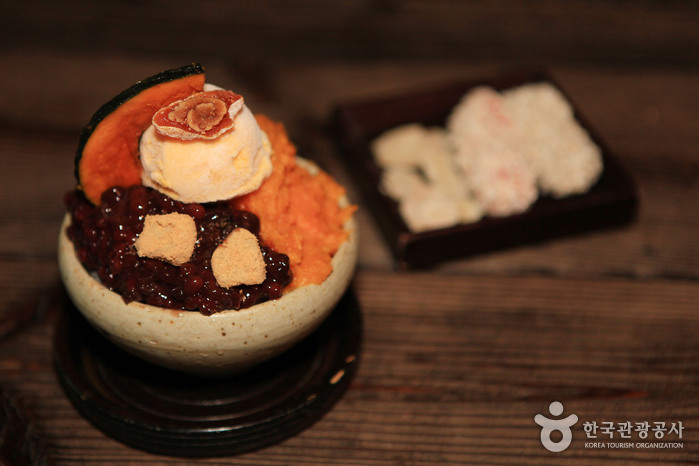
Sooyeon Sanbang is a traditional tea house located in Seongbuk-dong. It was originally built during the Japanese colonial period and was the hanok of the literary figure Lee Taejun. Today, it is operated as a tea house by the writer's granddaughter. The name Sooyeon Sanbang means "a house where literati gather in the mountains." Visitors can enjoy traditional teas such as daechucha (jujube tea) and ssanghwacha (medicinal herb tea), along with snacks like injeolmi (bean-powder-coated rice cake).
 English
 한국어
한국어 日本語
日本語 中文(简体)
 Deutsch
 Français
 Español
 Русский


