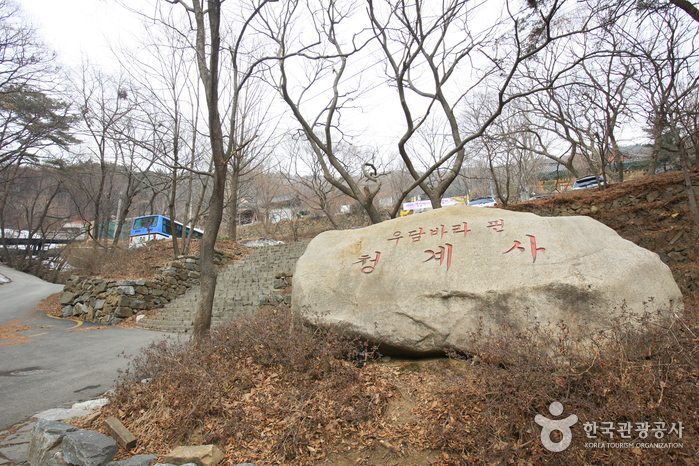
Gyeonggi Cheonggyesa Temple (청계사(경기))
16.4Km 2021-11-23
475, Cheonggye-ro, Uiwang-si, Gyeonggi-do
+82-31-345-2533
Cheonggyesa Temple is a Buddhist temple near Baegunhosu Lake that became well-known as the site of udumbara flower, a rarity that blooms on Buddhist statues. Built during the Silla Kingdom, the temple offers many sights, including the Cheonggyesa Temple Monument, Geungnakjeon Hall, the bell tower, Samseonggak Shrine, Ksitigarbha Hall, and Gamnoji Pond. Among the many things to see, visitors should not miss a glimpse of the Bronze Bell of Cheonggyesa Temple and the Wood Printing Block in Cheonggyesa Temple. Created in the 27th year of the reign of King Sukjong (1701) of the Joseon dynasty, the Bronze Bell has been designated as a national treasure, and is adorned with elaborate patterns.
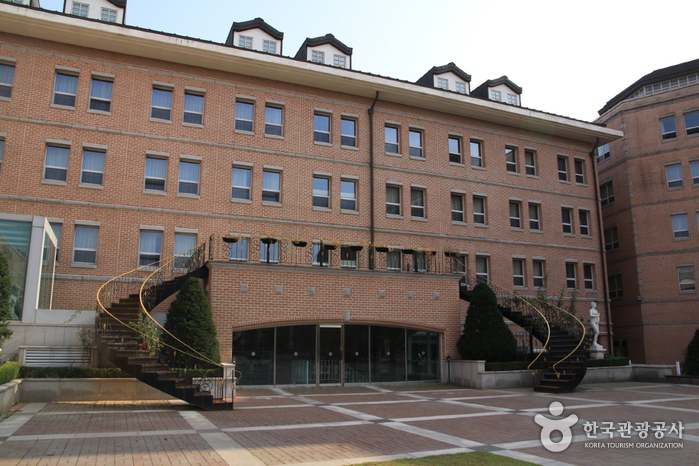
Mayfield Hotel Seoul (메이필드호텔 서울)
16.4Km 2025-10-23
94, Banghwa-daero, Gangseo-gu, Seoul
+82-2-2660-9200
Surrounded by forests, Mayfield Hotel is the ideal place to enjoy unique seasonal views and unite with nature. It takes five minutes from Gimpo International Airport and 30 minutes from Incheon International Airport, boasting a proximity to both downtown and the airports. Mayfield Hotel staff members are dedicated to providing the best services with the utmost care. It is a premium hotel where guests experience the joys of comfortable and relaxed travels while creating valuable memories. Mayfield Hotel is located next to the traditional Korean restaurant Nakwon, which serves premium Korean cuisine. The hotel spans an area of approximately 105,785.60 square meters, and has six floors and a basement level. The hotel consists of eight separate buildings, including the main hotel wing, which houses an elegant lounge; a Western restaurant; a traditional Korean restaurant; and an outdoor plaza lounge. There is a banquet wing with a hall that can accommodate international conferences, plus various events and banquets. Small and medium-sized banquet halls suitable for weddings and receptions are available as well. The hotel wing has 202 spacious and cozy guest rooms, including suites and traditional Korean-style ondol rooms that guests can choose from depending on their preference. Notably, the hotel boasts top-tier facilities, such as a state-of-the-art fitness club and a botanical garden, showcasing the hotel's exceptional features.
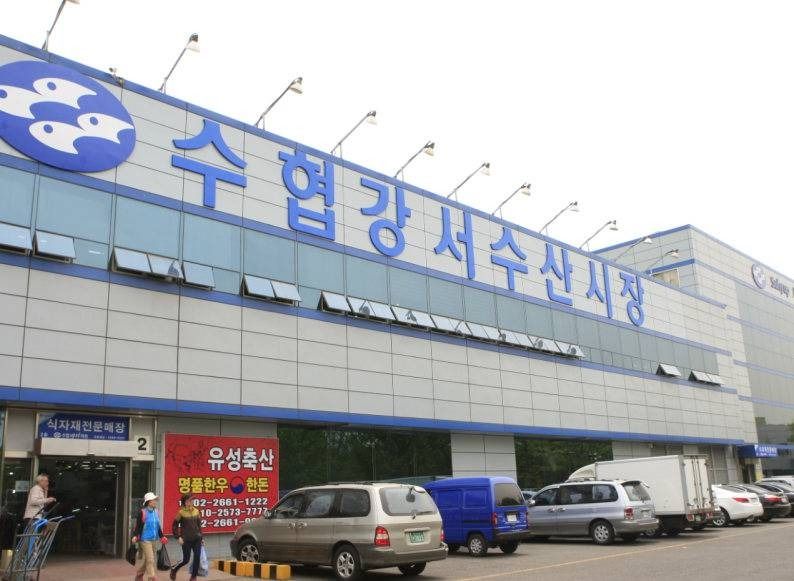
Suhyup Gangseo Seafood Wholesale Market (수협 강서수산시장)
16.5Km 2025-09-15
130 Gangseodomaesijang-ro, Gangseo-gu, Seoul
As Seoul's largest seafood market in the southwestern region, Suhyup Gangseo Seafood Wholesale Market supplies seafood from all over the country at stable prices through auctions every morning. It sells a variety of seafood, including live fish, fish, shellfish, crustaceans, dried fish, and fermented fish products in fresh condition. Consumers can enjoy the seafood they purchase directly from the market at the specialized restaurant area on the second floor, which offers a wide range of seafood dishes and a diverse menu. The spacious and comfortable area is also suitable for family gatherings or company dinners.
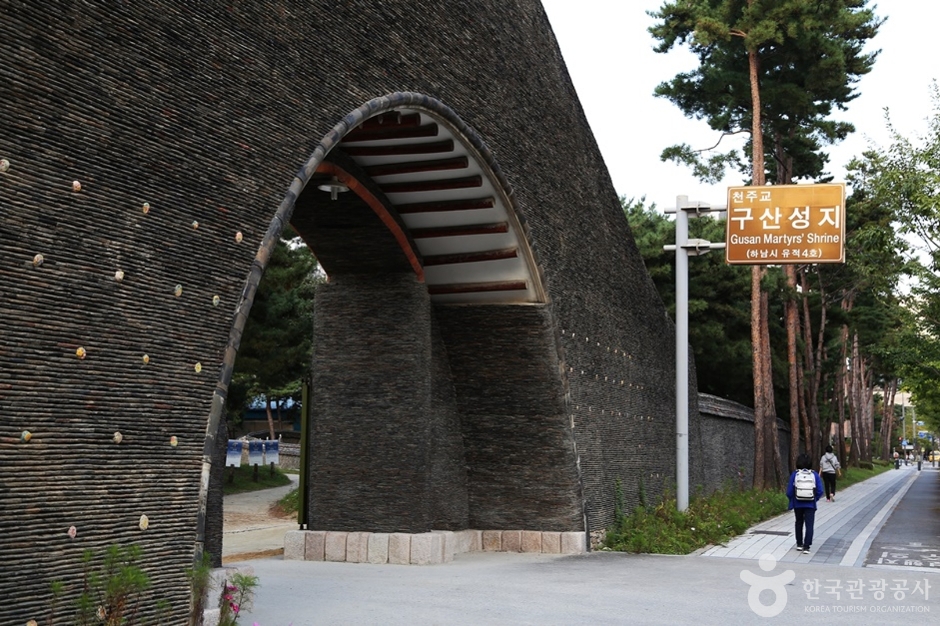
Gusan Martyrs' Shrine (구산성지)
16.6Km 2024-02-08
387-16 Mangwol-dong, Hanam-si, Gyeonggi-do
Gusan Martyrs' Shrine, located in Gusan Village, named for its turtle-shaped mountain, is a Catholic holy site. It houses the graves of nine martyrs, including Kim Seongwoo Antonio. The history of the martyrs, their persecution, and their lives, imbued with a spirit of martyrdom, attract Catholic pilgrims to the site. The area's picturesque landscaping also makes it a favored location for TV drama, commercial, and film productions.
Gwanaksan Ecological Park (관악산 생태공원)
16.7Km 2021-06-03
Seongsu-dong, Gwanak-gu, Seoul
+82-2-879-6563
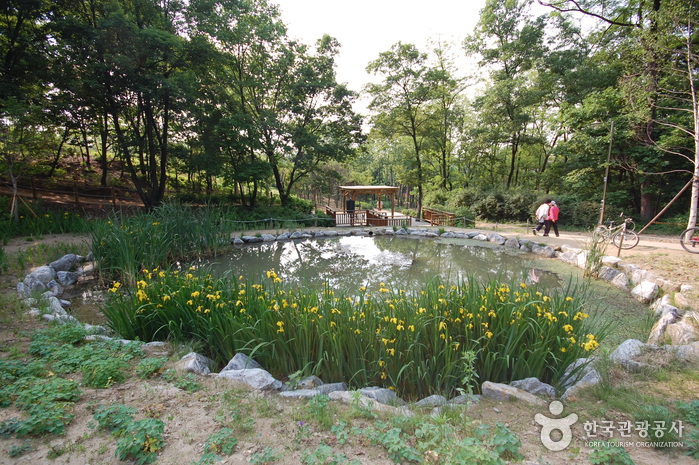
Opened in December of 2007, Gwanaksan Ecological Park is located on a 76,521 m² plot of land. The park is divided into two sections: Eco Forest, a forest of broad-leaved trees, and Eco Pond, a habitat of aquatic animals. There is also an arboretum that provides space for relaxation and ecology experience.
Sinchon Gisa Sikdang (신촌기사식당)
16.8Km 2025-09-15
408 Banghwa-daero, Gangseo-gu, Seoul
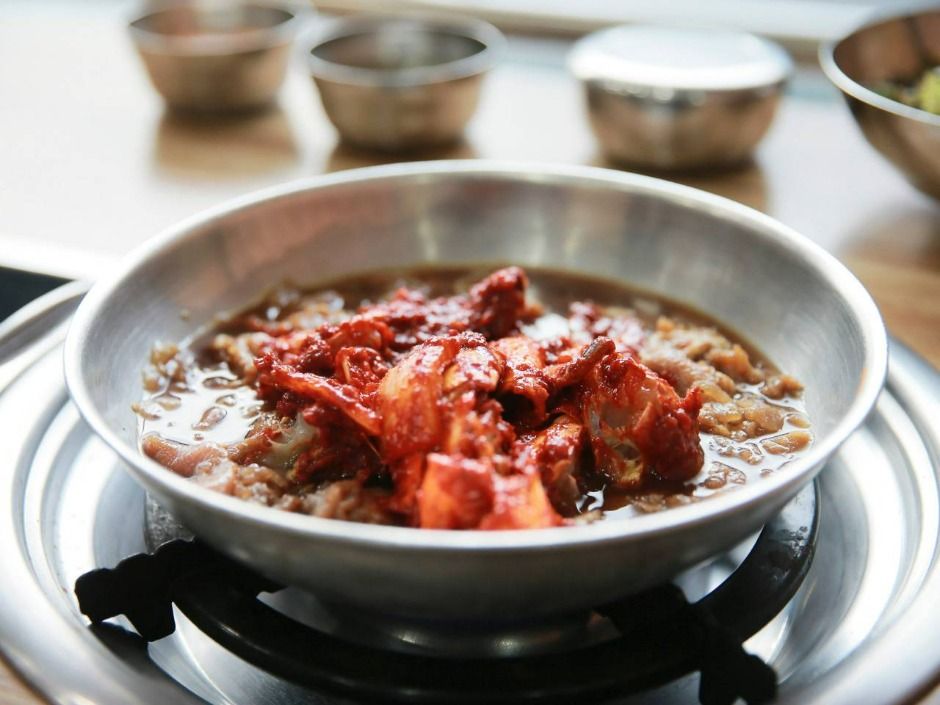
Sinchon Gisa Sikdang is a long-established restaurant with a long tradition, known for its generous portions and flavor, gaining word-of-mouth popularity and being featured in various television shows. In 2021, it was certified as a Long-standing Small Business by the Ministry of SMEs and Startups and the Small Enterprise and Market Service. The restaurant's representative menu is Bulkkot Baekban, which consists of dwaejibulbaek (pork bulgogi) and yangnyeom gejang (spicy marinated crab), ideal for two to three people. It's a great place to experience the authentic taste of a traditional restaurant with dishes like pork bulgogi and kimchi stew with fresh meat.
![Goyang West Three Royal Tombs (The tomb of Queen Janggyeong) [UNESCO World Heritage] (고양 서삼릉(장경왕후) [유네스코 세계문화유산])](http://tong.visitkorea.or.kr/cms/resource/85/1150385_image2_1.jpg)
Goyang West Three Royal Tombs (The tomb of Queen Janggyeong) [UNESCO World Heritage] (고양 서삼릉(장경왕후) [유네스코 세계문화유산])
16.9Km 2024-02-07
233-126 Seosamneung-gil, Deogyang-gu, Goyang-si, Gyeonggi-do
+82-31-962-6009
Goyang West Three Royal Tombs is a significant historical site comprising three major royal burial grounds in the western area. Huireung Royal Tomb is dedicated to Queen Janggyeong (1491-1515), the consort of King Jungjong during the Joseon dynasty. Hyoreung Royal Tomb is the resting place of King Injong (1515-1545) and his queen, Inseong. Yereung Royal Tomb holds the remains of King Cheoljong (1831-1864) and his queen, Cheorin. This area is home to numerous tombs and relics belonging to various members of the Joseon royal family.
Banghwa-dong Gyodong Jjamppong (방화동 교동짬뽕)
16.9Km 2025-10-23
21 Geumnanghwa-ro 24na-gil, Gangseo-gu, Seoul
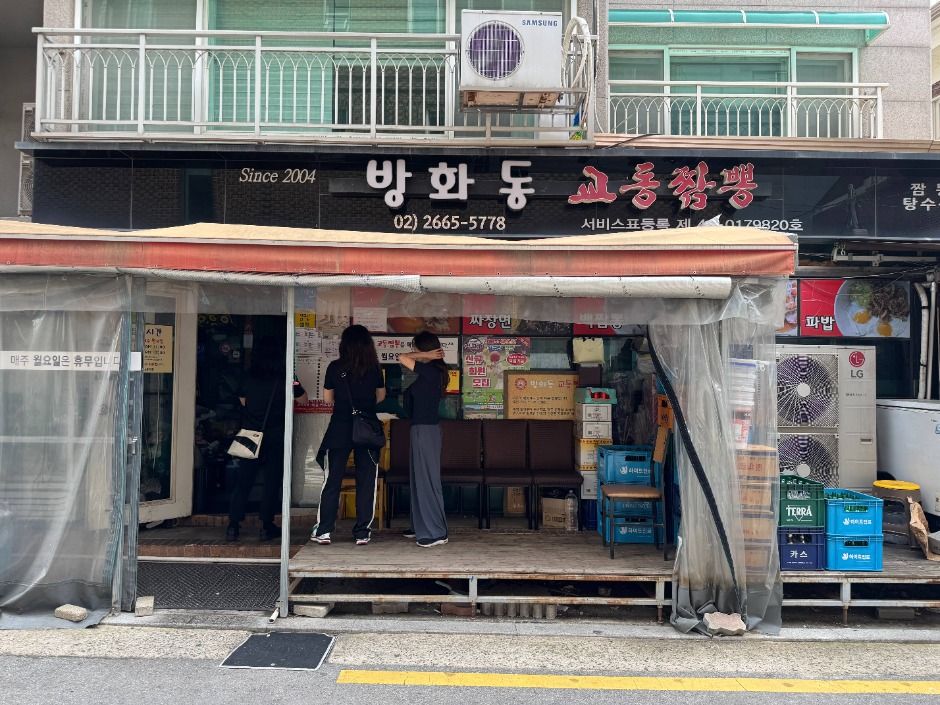
Located in Gangseo-gu, Seoul, Banghwa-dong Gyodong Jjamppong is a Chinese restaurant that serves mildly spicy jjamppong that everyone can enjoy. It also serves several other original menu items that appeal to children's preferences, making it a great place for families to eat out. The sweet and sour pork is crispy on the outside, soft on the inside, and full of flavor. The handmade dumplings are made everyday, carefully prepared with fresh ingredients and care. The restaurant sees a steady stream of local customers as well as travelers due to it's proximity to Gimpo Airport.
Kkwonggogae Park (꿩고개공원)
16.9Km 2025-10-23
San 100beonji, Banghwa-dong, Gangseo-gu, Seoul
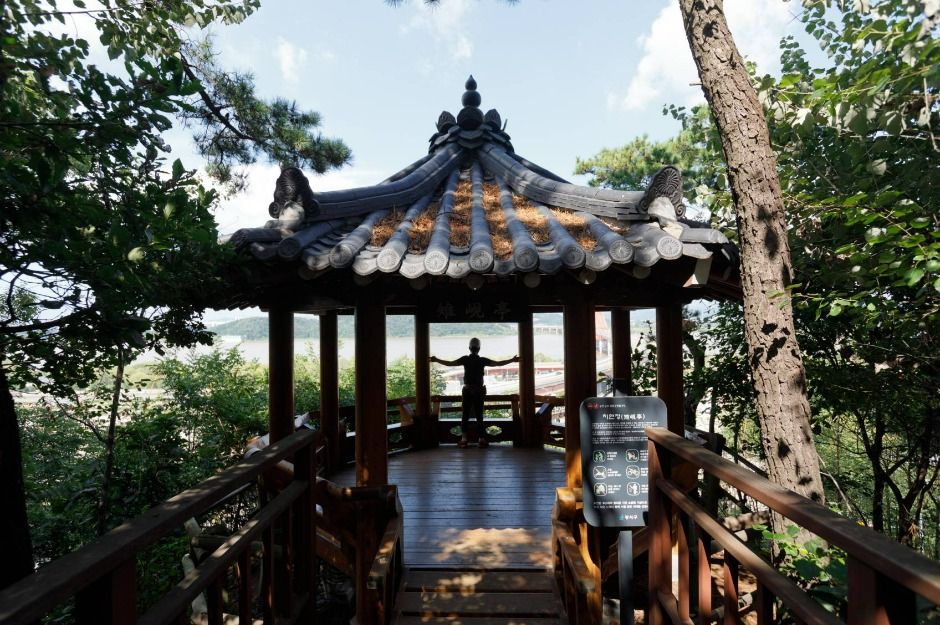
Kkwonggogae Park is an ecological forest where nature is preserved, located along the Hangang River, and has an excellent natural environment. Whereas the nearby Banghwa Community Park was founded for public service, Kkwonggogae Park was founded to preserve the existing habitats and ecosystems while serving as a passageway for small animals. Within the park is Chihyeonjeong Pavilion, Gangseo area's representative attraction for taking in the city nightscape. The hill's name, which can literally be translated as "Pheasant Hill Park," comes from the fact that this hill was a frequent pheasant hunting spot in the past. The park is located near Gagseo Dulle Trail Course No. 2.
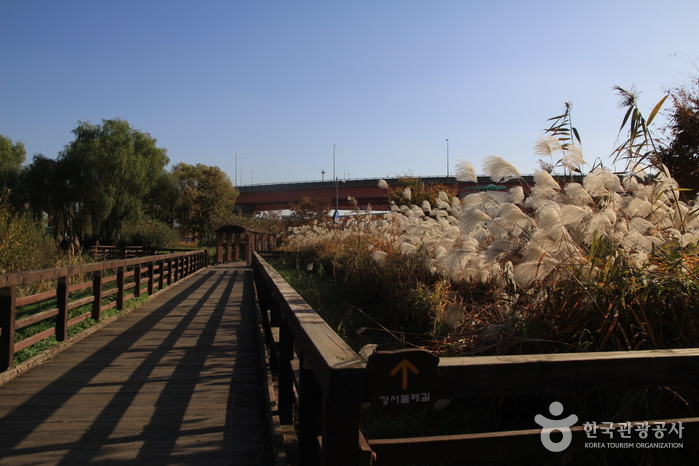
Gangseo Marsh Ecological Park (강서습지생태공원)
16.9Km 2021-06-22
279-23, Yangcheon-ro 27-gil, Gangseo-gu, Seoul
+82-2-3780-0621
The Gangseo Marsh Ecological Park is an eco-park located on the Hangang River between the southern side of Banghwadaegyo Bridge and southern side of Haengjudaegyo Bridge. Established in July 2007, the park is partly comprised of low wetlands, freshwater lakes, and various aquatic plants. Eco-trails wind around the park through reed areas, around willow trees, and past the migratory bird observation. At the park, visitors can watch and learn about a variety of migratory birds during summer and winter or join one of the park’s organized eco-education programs.
 English
 한국어
한국어 日本語
日本語 中文(简体)
 Deutsch
 Français
 Español
 Русский


