
Seodaemun Independence Park (서대문독립공원)
3.1Km 2022-12-15
251, Tongil-ro, Seodaemun-gu, Seoul
+82-2-3140-8305
Seodaemun Independence Park was built on the former Seoul Detention Camp. It was used to imprison thousands of Korean independence activists until the liberation from the Japanese occupation on August 15, 1945, as well as the political prisoners during the political turmoil in the 1960s. When the prison was moved to Uiwang-si, Gyeonggi-do in November 1987, the area was restored and turned into a memorial park in August 15, 1992 to honor the sacrifices of the martyrs. The park preserves seven prison buildings, an execution ground, underground women’s prison, and the March 1st Movement Monument that has been moved from Tapgol Park in Jongno.
One of the most significant monuments of the Seodaemun Independence Park is Dongnimmun Gate (Independence Gate), which has been designated a Historic Site. Nearby is Dongnipgwan (Independence Hall), originally called Mohwagwan, which was used to greet Chinese envoys during the Joseon dynasty. Today, the hall enshrines 2,327 tablets inscribed with the names of Koreans who died for the cause of national independence. Standing right next to Dongnimmun Gate are the remnants of Yeongeunmun Gate, another Historic Site. Other sights inside the park include the Patriotic Martyr Monument, Declaration of Independence Monument, and Statue of Dr. Seo Jae-pil, who was an independence activist and publisher of Korea’s first independent newspaper. The main highlight of the park is the Seodaemun Prison History Hall, a former prison building that was renovated into a history museum.
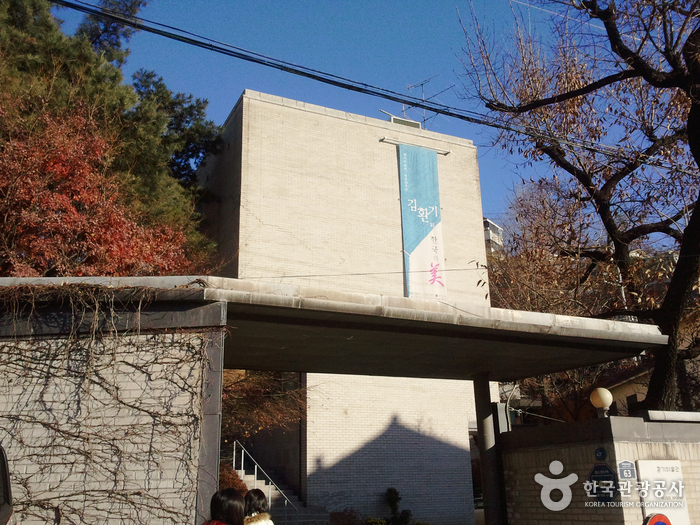
Whanki Art Museum (환기미술관)
3.1Km 2024-03-04
63, Jahamun-ro 40-gil, Jongno-gu, Seoul
+82-2-391-7701
Whanki Art Museum exhibits the works of Kim Whanki (1913-1974), the pioneer of Korean abstract art. Kim was inspired by traditional features such as Korean mountains and streams, the sky, moons and clouds, the white porcelain and traditional patterns, and worked to express them in abstract forms through points, lines, and surfaces. The main collection features nearly 300 works by Kim. One can also find an art shop and a café.
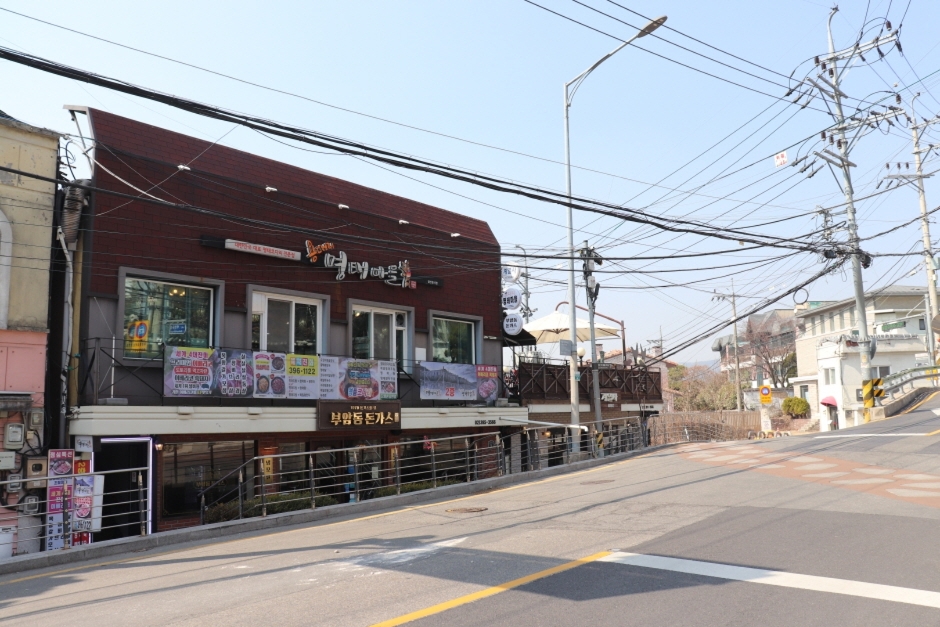
Buam-dong (부암동)
3.1Km 2024-03-15
Buam-dong, Jongno-gu, Seoul
+82-2-2148-1807
Buam-dong is a village located north of Gyeongbokgung Palace. It is designated as a development-restricted zone due to its proximity to the Cheong Wa Dae, preserving the old neighborhood's appearance. There are numerous bakeries, cafés, restaurants, and small galleries housed in renovated traditional houses, making it a delightful place for a leisurely stroll. The nearby hiking trails connected to Bugaksan Mountain offer a tranquil journey through the forest, ideal for those seeking a peaceful retreat.
![CheongKwanJang - Sinseol-dong Branch [Tax Refund Shop] (정관장 신설동점)](http://tong.visitkorea.or.kr/cms/resource/38/3313538_image2_1.jpg)
CheongKwanJang - Sinseol-dong Branch [Tax Refund Shop] (정관장 신설동점)
3.1Km 2024-06-27
9, Wangsan-ro, Dongdaemun-gu, Seoul
-
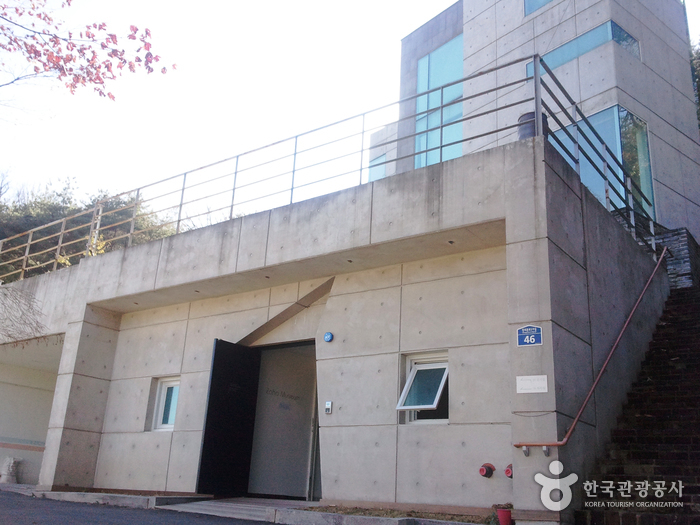
Zaha Museum (자하미술관)
3.1Km 2021-03-09
46, Changuimun-ro 5ga-gil, Jongno-gu, Seoul
+82-2-395-3222
Located in Buam-dong, Jongno-gu, Zaha Museum is the highest art gallery in Seoul. Reaching
the museum involves a bit of an uphill walk, but the breathtaking scenery that includes Bugaksan Mountain and Inwangsan Mountain makes it worth the effort.
Opened on March 1, 2008, the two-story museum exhibits experimental works of young artists. There are two exhibition halls and a small garden on the second floor with a great view of the mountains.
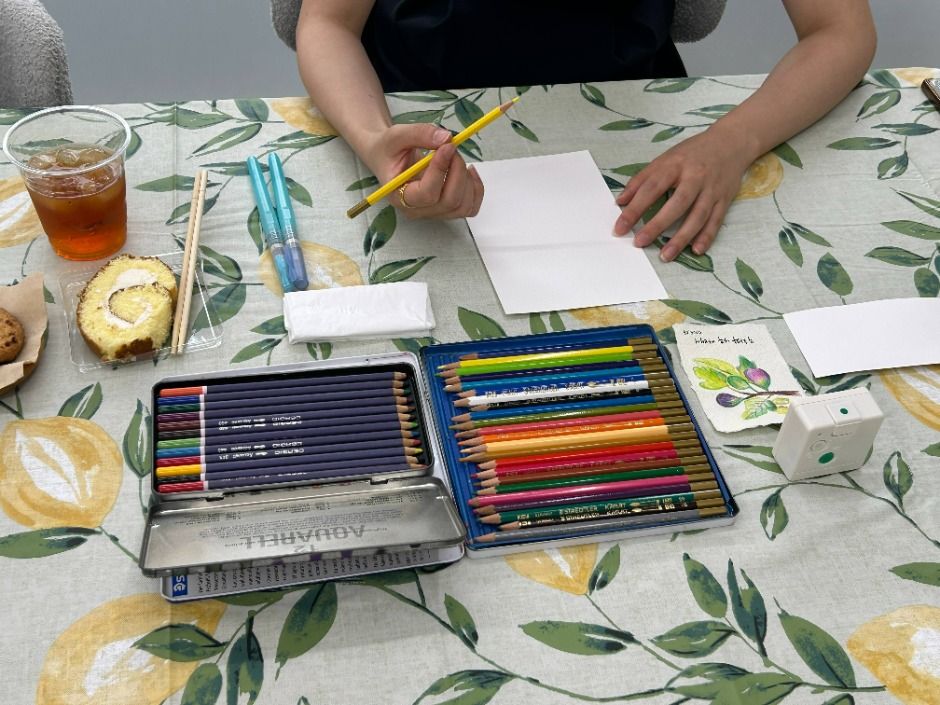
ARTEASPOON (아티스푼)
3.1Km 2025-10-23
7 Sinheung-ro 36-gil, Yongsan-gu, Seoul
ARTEASPOON operates cultural arts programs centered on paintings, music, and books. It also has a program related to exploring one's feelings and mind, and offers a special program for foreigners for learning Korean culture and art. Located in Huam-dong at the foothills of Namsan Mountain, it's an ideal place to immerse in art and inspirations.
National Memorial of Korean Provisional Government (국립대한민국임시정부기념관)
3.2Km 2023-01-16
279-24, Tongil-ro, Seodaemun-gu, Seoul
The National Memorial of Korean Provisional Government was established to shine a light on the proud history of the Korean Provisional Government's independence and the spirit of a democratic republic and to pass it on to future generations. The four-story memorial building with three underground floors houses three permanent exhibits, one special exhibit, Larchiveum, Symbol Plaza, storage, multi-purpose hall, and rooftop garden over a total area of 3,656 square meters, a total floor area of 9,703 square meters and a total exhibition space of 2,240 square meters. The permanent exhibits consist of a series of historic events from the March 1st Movement, which served as a turning point for the formation of the Provisional Government, to the foundation of the Korean Government that succeeded the mantle of the provisional government, while the special exhibit on the 1st floor currently hosts a special opening exhibition under the title of 『The Return of the Provisional Government of the Republic of Korea』. Moreover, a symbolic wall installation under the theme of "Waves of History" is displayed in the outdoor plaza on the 1st floor of the memorial expressing the Provisional Government’s desire for independence and the dynamics of the past, present, and future of Korea.
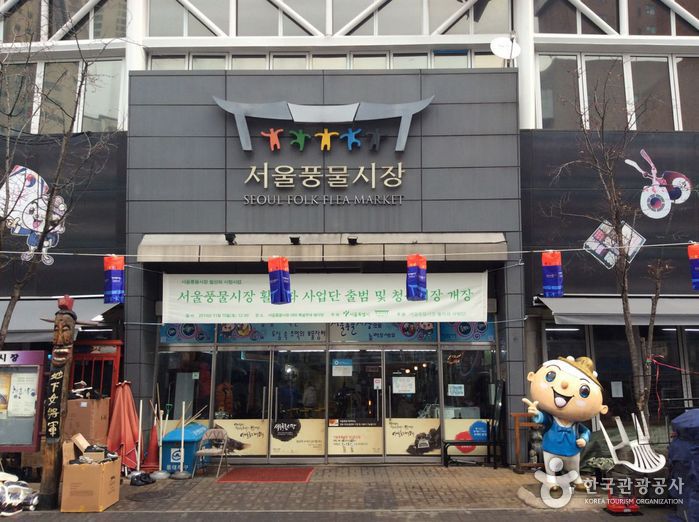
Seoul Folk Flea Market - Traditional Arts & Crafts Studio (서울풍물시장 전통문화체험관)
3.2Km 2021-08-12
21, Cheonho-daero 4-gil, Dongdaemun-gu, Seoul
+82-2-2232-3368
The Traditional Arts & Crafts Studio in Seoul Folk Flea Market was created to give both locals and international visitors a chance to experience the traditional arts of Korea first-hand. For international visitors, programs serve as a brief introduction to some of the finer points of Korean art. For many Koreans, the studio’s programs are ways to relive childhood memories or experience traditional culture as a family.
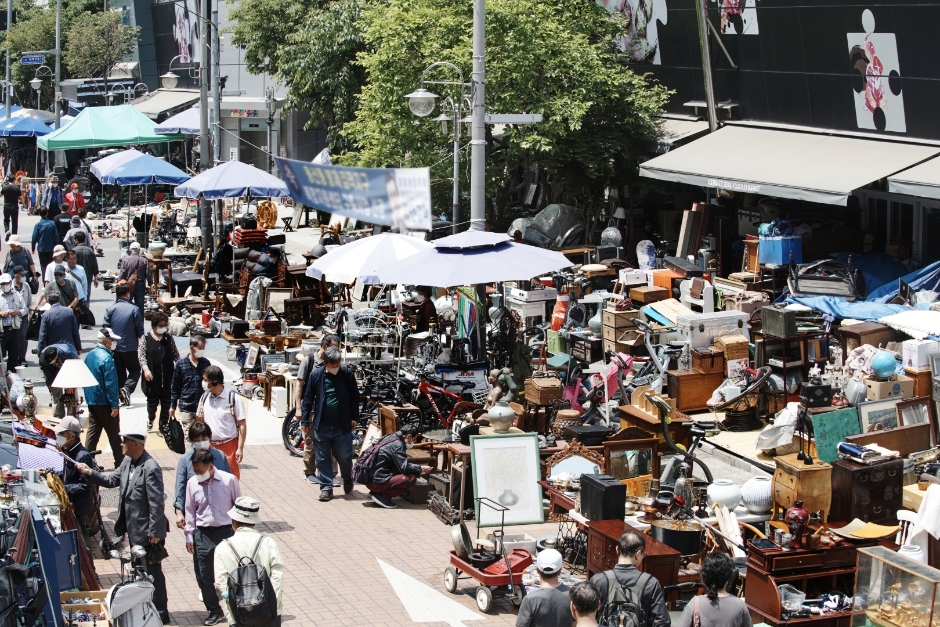
Seoul Folk Flea Market (서울 풍물시장)
3.2Km 2025-04-11
21 Cheonho-daero 4-gil, Dongdaemun-gu, Seoul
+82-2-2232-3367
The Seoul Folk Flea Market is located around Cheonggyecheon Stream's Hwanghakgyo Bridge and Sinseol-dong Station and is on its way to becoming a famous tourist attraction along with the already famous Cheonggyeocheon Stream. The Seoul Folk Flea Market is one of the major folk flea markets preserving the culture of the traditional Korean marketplace and drawing in visitors with a range of folk items that embody the unique charm of Korea. Folk items include everyday items, souvenirs, traditional goods and even traditional foods, allowing visitors to enjoy shopping and eating all under the same roof.
The Seoul Folk Flea Market originated from the flea market in Hwanghak-dong where many street shops and vendors gathered around Cheonggyecheon Stream before it was restored and modernized into its current state. The market was relocated to the Dongdaemun History & Culture Park (Formerly Dongdaemun Stadium) while the Cheonggyecheon Stream was undergoing restorations, and was moved back to Cheonggyecheon Stream sometime later. Seoul City aims to market Seoul Folk Flea Market as a new shopping spot at its current location, the former site of Sungin Girls' Middle School on Cheonggyeo 8-ga Street, near Cheonggyeocheon Stream to develop the Korean representative folk flea market-related tourism industry.
The main items of the Seoul Folk Flea Market include a diverse range of folk items, traditional crafts, local specialties and fashion items. You may also enjoy a range of foods and snacks including traditional Korean food and fusion cuisine from all over the world. What is special about the market is that you can find rare goods and authentic traditional items that cannot be found at other markets. The market atmosphere is a mix of old, revered traditions and modern aspects, providing visitors with a great shopping experience. The Seoul Folk Flea Market is truly a traditional flea market well worth visiting.
Maria Fertility Hospital (마리아병원)
3.2Km 2025-10-23
20 Cheonho-daero, Dongdaemun-gu, Seoul
In 1967, Maria Obstetrics and Gynecology opened where the Maria Fertility Hospital (Sinseol-dong, Dongdaemun-gu, Seoul) sits today, leading to the creation of the Maria Medical Foundation. At the time, the doctor willingly visited patients' houses with an old house-call bag even in the early mornings, no matter where a patient lived. This founding spirit became the root of the hospital's principles and commitment to its services.
Maria Fertility Hospital ranks number one in in-vitro fertilization cases, accounting for approximately 30% of the total cases among fertility hospitals. The hospital opened branches so that patients can conveniently experience the medical know-how of Maria Fertility Hospital no matter where they live across the country. The branches provide optimum diagnosis of problems through close collaborations among the branches.
The hospital has become a globally renowned fertility center, going beyond its unrivaled number-one position in fertility medicine in Korea. The hospital is dedicated to finding the best solution through research, and helping infertile patients realize their dreams of having a baby to create a healthy and happy family.
Maria Fertility Hospital is moving forward with the philosophy and heritage it inherited from the Maria Medical Foundation.
 English
 한국어
한국어 日本語
日本語 中文(简体)
 Deutsch
 Français
 Español
 Русский


