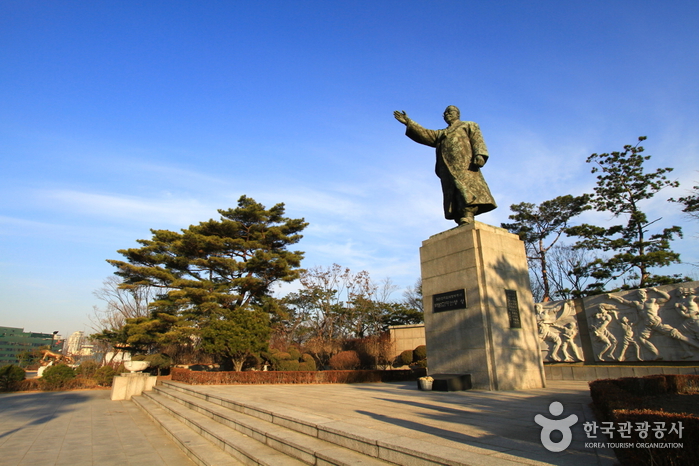
Baekbeom Kim Koo Statue (Baekbeom Plaza) (백범김구선생상(백범 광장))
2.8Km 2025-10-23
Hoehyeon-dong, Jung-gu, Seoul
Baekbeom Kim Koo Statue is located in Baekbeom Plaza in Namsan Park, Seoul. Erected in August 1969, the statue stands at a x_height of 10 meters. It commemorates the patriotic spirit of Kim Koo, who was both an independence activist and a politician in South Korea. During the Japanese colonial period, he actively participated in anti-Japanese movements, and after liberation, he played a leading role in the establishment of the government of the Republic of Korea.
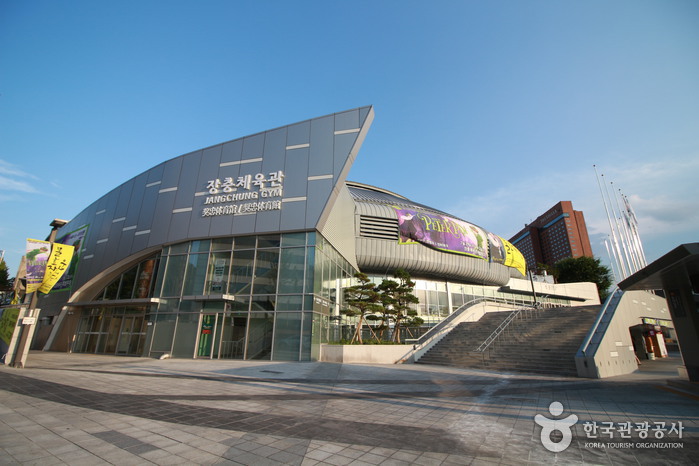
Jangchung Gymnasium (장충체육관)
2.9Km 2024-03-12
241, Dongho-ro, Jung-gu, Seoul
+82-2-2128-2800
Jangchung Gymnasium is Korea's first domed gymnasium and opened in 1963. It was renovated in 2015 to become what it is today. It is famous for hosting the Korean Professional Volleyball League during the winter months. The gymnasium also boasts a variety of athletic competitions, cultural performances, and events. Nearby are Jangchungdan Park, Jangchung-dong Jokbal Street, and Dongdaemun Historical and Cultural Park, which are all worth exploring.
Hwanghak-dong Flea Market (Dokkaebi Market / Manmul Market) (황학동 벼룩시장 (도깨비시장/만물시장))
2.9Km 2025-04-11
11-7 Majang-ro 5-gil, Jung-gu, Seoul
Hwanghak-dong Flea Market was named after the way how merchants travel from one place to another all over the country, as if like fleas hopping around from one spot to another, to collect rare and valuable items. This market was once a haven of antiques and collectibles, but with the formation of old-fashioned art street in 1983 in Janganpyeong, many classic art shops had moved out, leaving only used item and general goods stores. Now, visitors can find stores selling antiques, used furniture, electronics, clocks, jewelry, musical instruments, camera, and machinery – pretty much anything one can name. Hwanghak-dong Flea Market is also referred to as Dokkaebbi Market, to describe how even the most rundown items become just like new, as if like the work of a dokkaebi (Korean folk goblin).
![Olive Young - Sindang Station Branch [Tax Refund Shop] (올리브영 신당역)](http://tong.visitkorea.or.kr/cms/resource/35/2878735_image2_1.jpg)
Olive Young - Sindang Station Branch [Tax Refund Shop] (올리브영 신당역)
2.9Km 2024-04-18
258, Dasan-ro, Jung-gu, Seoul
-

Olive Young - Sungshin Women's University Station Branch [Tax Refund Shop] (올리브영 성신여대입구역점)
2.9Km 2024-06-27
9, Arirang-ro, Seongbuk-gu, Seoul
-
![Angyeong Seonsaengnim - Jongno Branch [Tax Refund Shop] (안경선생님 종로)](http://tong.visitkorea.or.kr/cms/resource/90/2878190_image2_1.jpg)
Angyeong Seonsaengnim - Jongno Branch [Tax Refund Shop] (안경선생님 종로)
2.9Km 2024-04-18
1F, 393-1, Jong-ro, Jongno-gu, Seoul
-
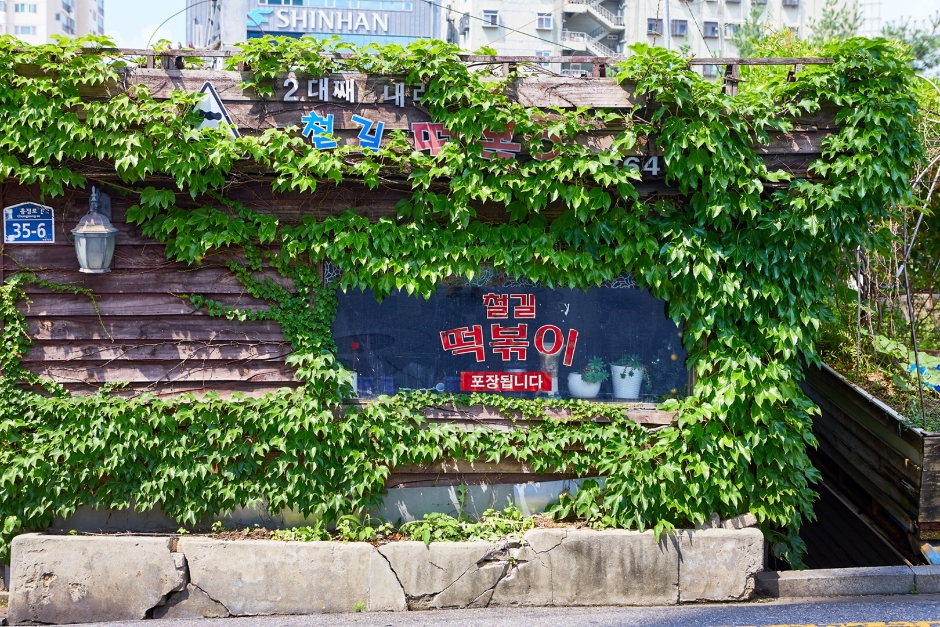
Cheolgil Tteokbokki (철길떡볶이)
2.9Km 2024-03-18
35-6 Chungjeong-ro, Seodaemun-gu, Seoul
Cheolgil Tteokbokki is a famous pilgrimage site for tteokbokki lovers. As the name suggests, it is located next to the railroad (“cheolgil” in Korean) near Chungjeongno Station. There is a wide variety of Korean dishes available, from tteokbokki that will bring back childhood memories to gimbap, deep-fried dishes, and sundae. As the name suggests, it is located next to the railroad near Chungjeongno Station. The restaurant has been in operation for two generations while maintaining its original appearance. The old signboard and exterior have a nostalgic feeling. Unlike tteokbokki in soup, which is currently popular, this tteokbokki with chewy rice cakes is coated well with thick spicy sauce. It's very delicious when mixed with the restaurant’s deep-fried foods. Visitors are recommended to take the seat outdoors to enjoy the view of the railroad tracks while eating.
Seodaemun Independence Park (서대문독립공원)
2.9Km 2022-12-15
251, Tongil-ro, Seodaemun-gu, Seoul
+82-2-3140-8305
Seodaemun Independence Park was built on the former Seoul Detention Camp. It was used to imprison thousands of Korean independence activists until the liberation from the Japanese occupation on August 15, 1945, as well as the political prisoners during the political turmoil in the 1960s. When the prison was moved to Uiwang-si, Gyeonggi-do in November 1987, the area was restored and turned into a memorial park in August 15, 1992 to honor the sacrifices of the martyrs. The park preserves seven prison buildings, an execution ground, underground women’s prison, and the March 1st Movement Monument that has been moved from Tapgol Park in Jongno.
One of the most significant monuments of the Seodaemun Independence Park is Dongnimmun Gate (Independence Gate), which has been designated a Historic Site. Nearby is Dongnipgwan (Independence Hall), originally called Mohwagwan, which was used to greet Chinese envoys during the Joseon dynasty. Today, the hall enshrines 2,327 tablets inscribed with the names of Koreans who died for the cause of national independence. Standing right next to Dongnimmun Gate are the remnants of Yeongeunmun Gate, another Historic Site. Other sights inside the park include the Patriotic Martyr Monument, Declaration of Independence Monument, and Statue of Dr. Seo Jae-pil, who was an independence activist and publisher of Korea’s first independent newspaper. The main highlight of the park is the Seodaemun Prison History Hall, a former prison building that was renovated into a history museum.
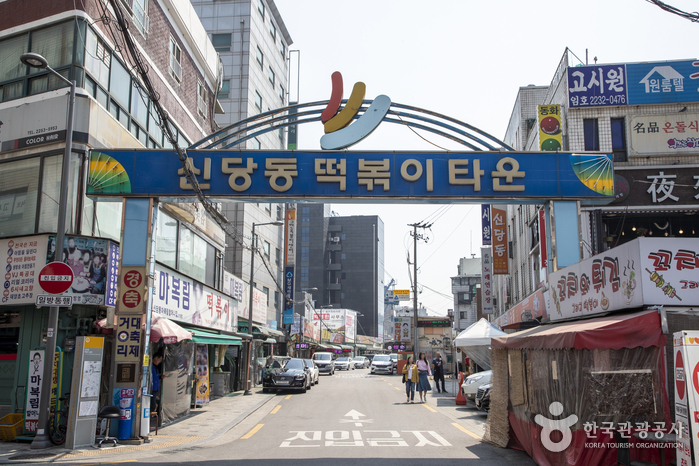
Sindang-dong Tteokbokki Town (신당동떡볶이골목)
2.9Km 2022-10-25
10-18, Dasan-ro 33-gil, Jung-gu, Seoul
+82-2-2236-9135
Sindang-dongTteokbokki Town started in the late '70s, although the alley did not become famous until the '80s. At that time, each restaurant had its own DJ booth, with the image of the "cool DJ" who played the music becoming a symbol of Sindang-dong Tteokbokki Town. In addition, this period also marked the prime time of high school baseball where students would crowd the streets on days when Duksoo Commercial High School and Sunrin Commercial High School (now Sunrin Internet High School) played against one another. Although these high school students have aged, they continue to visit the area, reliving their youth and continuing to indulge in the specialty tteokbokki.
However, some claim the history of this alley began in the 1950s. The owner of Mabongnim Halmeoni Tteokbokki restaurant says tteokbokki was being sold as early as 1953 as the area used to be home to Donga Theater and she sold tteokbokki, corn and potatoes to those visiting the theater. At first, tteokbokki was simply made with gochujang (red chili paste) but as time went by, cooks decided the dish could be more than just a snack. By adding ingredients like eggs, cellophane noodles, fish cakes, instant noodles and more recently squid, prawn and cheese, tteokbokki can be made more delicious and turns this beloved snack into a full meal.

I Love Sindangdong Tteokbokki (아이러브신당동떡볶이)
2.9Km 2024-03-07
50, Toegye-ro 76-gil, Jung-gu, Seoul
+82-2-2232-7872
Situated in Sindang-dong Tteokbokki Town, I Love Sindangdong Tteokbokki is a famous tteokbokki restaurant. Tteokbokki is a typical Korean street food, consisting of rice cakes made with flour or rice flour and stir-fried in red chili paste. The rice cakes are simmered in a broth with seasonings, along with fish cakes, vegetables, boiled eggs, mandu, and other ingredients. The best thing is that the dish can be customized with various ingredients such as cheese, ramyeon noodles, chewy noodles, and ham. Leftover broth can be fried with rice for a satisfying meal.
 English
 한국어
한국어 日本語
日本語 中文(简体)
 Deutsch
 Français
 Español
 Русский


