
Anxin International Medical Co,.Ltd (안심국제 주식회사)
4.9Km 2025-10-23
(#3532), 41 Nonhyeon-ro 151-gil, Gangnam-gu, Seoul
Established in 2016, Anxin International Medical has been dedicated to attracting international patients since its inception. Over the past eight years, we have grown into a specialized medical tourism company with extensive experience. The company holds international travel agency permits, certified coordinators, and cosmetologist licenses, having served over 1,000 tourists during this time. Anxin International Medical offers a comprehensive range of services, including Korean medical consulting, interpretation, appointment scheduling, caregiving, airport pickups, and guided tours. The company has strong partnerships with numerous reputable Korean plastic surgery clinics, dermatology centers, health checkup clinics, dental clinics, hair transplant centers, obstetrics and gynecology clinics, and general hospitals. We remains committed to our founding principle: providing a "safe and reliable journey in Korea".
Sooyeon Sanbang (수연산방)
4.9Km 2025-10-23
8 Seongbuk-ro 26-gil, Seongbuk-gu, Seoul
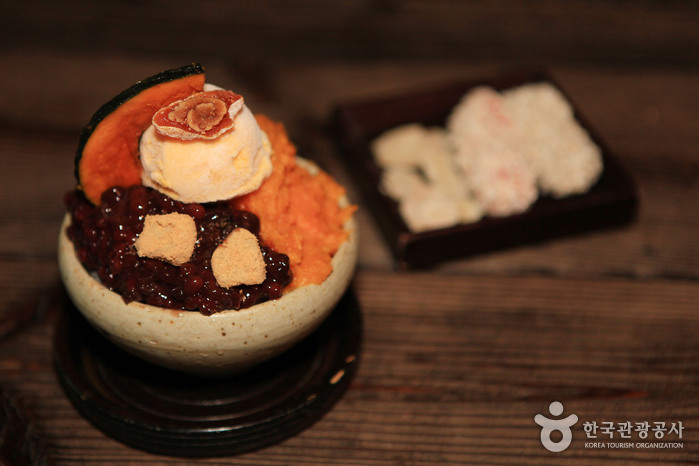
Sooyeon Sanbang is a traditional tea house located in Seongbuk-dong. It was originally built during the Japanese colonial period and was the hanok of the literary figure Lee Taejun. Today, it is operated as a tea house by the writer's granddaughter. The name Sooyeon Sanbang means "a house where literati gather in the mountains." Visitors can enjoy traditional teas such as daechucha (jujube tea) and ssanghwacha (medicinal herb tea), along with snacks like injeolmi (bean-powder-coated rice cake).
Dr. Kim's Stem Cell Clinic (김현수내과의원)
4.9Km 2025-11-26
(7th Floor, Ssangbong Building), 874 Eonju-ro, Gangnam-gu, Seoul
As the only stem cell therapy hospital in Korea, we continue to treat patients with Cellgram®, the world's first stem cell drug. We have established a collaboration system for stem cell therapy with major hospitals in Korea including Severance Hospital, Asan Medical Center, and Samsung Medical Center. In November 2023, we were designated by the Ministry of Health and Welfare as an Advanced Regenerative Medicine Organization, and continued our stem cell research.
Dr. Kim’s Stem Cell Clinic has a wealth of technology and experience in the treatment of various diseases using adult stem cells.
Dr. Kim Hyun Soo, a specialist with 32-year practice experience, uses autologous stem cells to treat conditions such as heart disease, cirrhosis, multiple sclerosis, spinal cord injury, and stroke.
BIOFACE CLINIC (비오페이스의원)
4.9Km 2025-11-21
10th Floor, Human Tower, 605 Gangnam-daero, Seocho-gu, Seoul
BIOFACE Clinic is a dermatology clinic located in Sinsa, Seoul.
We specialize in non-surgical anti-aging treatments such as skin tightening, lifting, body contouring, and skin boosters.
Our medical team provides personalized care based on extensive clinical experience and advanced equipment.
Signature treatments include Ultherapy, InMode, Onda, Potenza, Rejuran, and Stem Cell Boosters.
BIOFACE Clinic offers professional consultation and systematic aftercare for both local and international patients.
Riz Laser Center (리즈산부인과)
4.9Km 2025-10-23
(3th-4th Floors, Gyeongseo Building), 127 Dosan-daero, Gangnam-gu, Seoul
We are the first hospital to use lasers in female genital plastic surgery, naming it "Laser Vaginoplasty" and introducing it to the Korean obstetrics and gynecology community.
Our practice encompasses a wide range of procedures, including vaginoplasty, labiaplasty, vaginal tightening, hymenorrhaphy, and treatments of gynecologic disorders and sexually transmitted diseases, and cancer.
As a surgery center with equipment tailored to various needs of customers, we pride ourselves on our state-of-the-art surgical system, which cannot be found in other Korean obstetrics and gynecology clinics. In addition, we have an advanced network system to provide expert medical care to patients at all centers in the Riz’ obstetrics and gynecology network through our attending and referred systems for laser female plastic surgery.

Banpo Bridge Rainbow Fountain (반포대교 달빛무지개분수)
4.9Km 2025-10-23
647 Banpo-dong, Seocho-gu, Seoul
The Rainbow Fountain plunges 20 meters into the water on both side of Banpo Bridge over the Hangang River. When the sun goes down, 200 lights illuminate the fountain as it sends out dancing, rainbow-colored jets of water in the air in synchronization with music. The fountain boasts spectacular views from the hills, the Hangang River observation deck, and the moon-shaped Moonlight Square. Banpo Bridge Rainbow Fountain operates every day from April to October, four to six times a day for 20 minutes.
Evita Clinic (에비타흉부외과의원)
4.9Km 2025-10-23
(5th Floor, Burda Moon Building), 815 Nonhyeon-ro, Gangnam-gu, Seoul
In 2009, Evita Clinic launched healthcare services combining cosmetic procedures and surgeries with traditional thoracic surgery.
With the number of English-speaking patients gradually increasing, all staff members have come to speak English as a common language. We are evolving into a multinational clinic committed to raising awareness of Korea's advanced medical technology across the world.
Our director is a board-certified cardiothoracic expert with extensive experience of treating heart, vascular, and pulmonary diseases, thoracic deformities, and other severe illnesses at a university hospital. Building on the experience, His private practice, established in 2008, combines more than a decade of experience in dexterously suturing micro vessels with cosmetic and reconstructive surgery, perfecting his skills even further.
Deesse Plastic Surgery (청담여신성형외과의원)
4.9Km 2025-10-29
(14th-15th Floors, Nonhyeon-dong), 108 Dosan-daero, Gangnam-gu, Seoul
Deesse Plastic Surgery provides the highest level of medical care in Korea in the fields of lip plastic surgery, rhinoplasty, facial bone contouring, face-lift, and eyelid surgery. Many foreign patients are visiting us after hearing about our reputation. In order to provide high-quality medical services to foreign patients, we have interpretation coordinators available for Japanese, Chinese, Thai, and other languages on site. Also, we constantly strive to improve the quality of medical services to ensure the best experience for international patients. As a result, the hospital is rapidly gaining recognition by people around the world interested in receiving plastic surgery in Korea, and the results have been remarkable and foreign customers who visited our hospital showed high satisfaction. Our efforts have been rewarded in 2023 as we were designated by the Ministry of Justice for excellent medical tourism.
Trinity Women's Clinic (트리니티여성의원)
4.9Km 2025-10-23
3F, 108 Dosan-daero, Gangnam-gu, Seoul
Trinity Women’s Clinic provides the best medical service for women suffering from health issues unique to women, such as vaginitis, fibroids, and menopause.
The clinic aims to enhance patients’ quality of life through accurate and safe treatments. It aspires to become a reliable clinic that treats both women's minds and bodies. The clinic focuses on women's health and uterine treatments. At the same time, it guarantees optimum outcomes realized through its proven facilities, equipment, and safe medical environment.
Through continuous technological development and acquiring new medical knowledge, Trinity Women’s Clinic offers innovative treatments, including HIFU procedures, to improve patient health.
Ruby Plastic Surgery Clinic (루비성형외과의원)
4.9Km 2025-10-23
9th-10th Floors, Lex Tower, 108 Dosan-daero, Gangnam-gu, Seoul
Ruby Plastic Surgery, located at Sinsa Station in Gangnam, is a premium medical institution where board-certified specialists in plastic surgery and dermatology collaborate to provide personalized beauty solutions. We offer a comprehensive range of treatments including eyes, nose, facelift, facial contouring, body contouring, body lift, skin lifting, and skin rejuvenation. With extensive experience in serving international patients, we ensure safety, state-of-the-art equipment, and a systematic post-care program. Prioritizing patient satisfaction and natural results, we deliver medical services at a truly global standard.
 English
 한국어
한국어 日本語
日本語 中文(简体)
 Deutsch
 Français
 Español
 Русский


