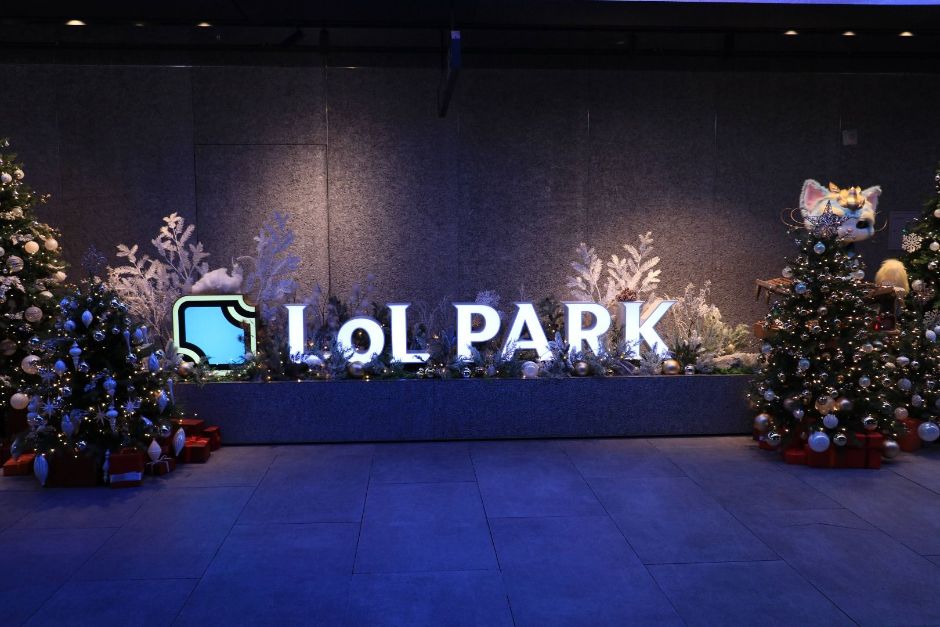
LoL Park (롤파크)
1.3Km 2025-11-04
33 Jong-ro, Jongno-gu, Seoul
Lol Park is the venue where the largest-scale League of Legends competition in South Korea, LCK (League of Legends Champions Korea), is held. It serves as a space for various esports events and activities, featuring spectator seating, LCK Arena (lounge), Riot Store (merchandise shop), PC rooms, and café.
![Olive Young - Jonggak Branch [Tax Refund Shop] (올리브영 종각)](http://tong.visitkorea.or.kr/cms/resource/24/2878224_image2_1.jpg)
Olive Young - Jonggak Branch [Tax Refund Shop] (올리브영 종각)
1.3Km 2024-04-18
45, Sungkyunkwan-ro 6-gil, Jongno-gu, Seoul
-

Olive Young - Jongno Branch [Tax Refund Shop] (올리브영 종로점)
1.4Km 2024-06-27
1F, 78, Jong-ro, Jongno-gu, Seoul
-
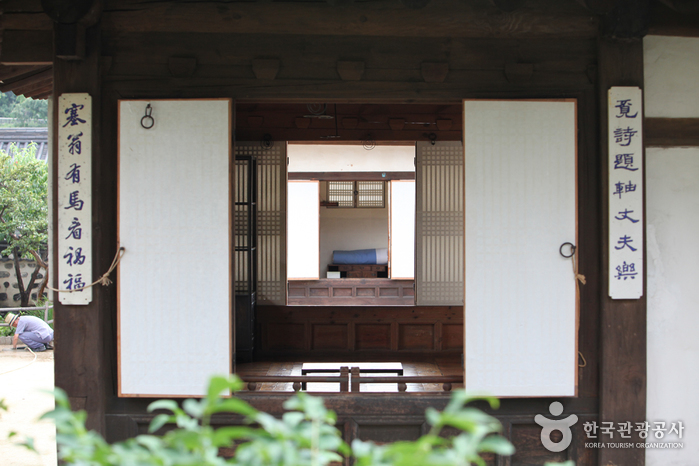
Haepungbuwongun Yun Taekyeong's Jaesil (해풍부원군윤택영댁재실)
1.4Km 2021-11-10
28, Toegye-ro 34-gil, Jung-gu, Seoul
+82-2-3396-5882
Haepungbuwongun Yun Taekyeong's Jaesil is a shrine house built by the father-in-law of King Sunjong of Joseon dynasty in 1906 when his daughter was proclaimed the crowned princess of Joseon and entered Changdeokgung Palace to later become Queen Sunjeong. Red pine trees salvaged from the demolition of Gyeongungung Palace were used to construct the house. It was originally located in Jegi-dong, Dongdaemun-gu, but was later restored and moved to its present location. The shrine of the house that was destroyed in 1960 was also restored.
Because the house is more of a shrine rather than residential living quarters, it has many unique features. For example, unlike other houses, it has the anchae (women’s quarters) located across from sarangbang (men’s quarters) with daecheong (living room) positioned between them.
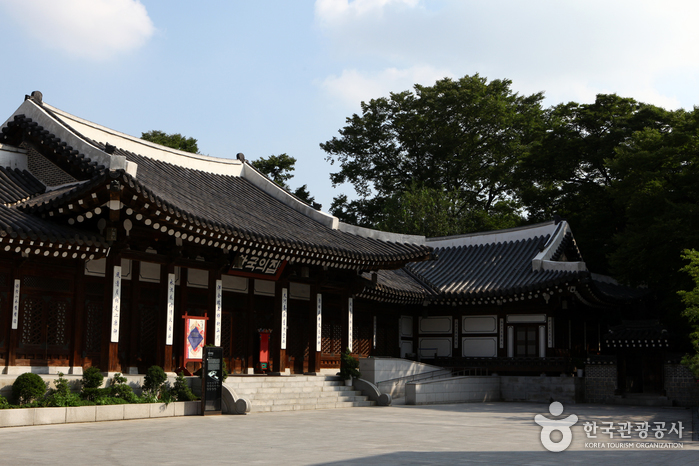
Korea House (한국의집)
1.4Km 2025-10-23
10, Toegye-ro 36-gil, Jung-gu, Seoul
The Korea House was opened in 1981. It is a traditional Korean building that introduces the culture and lifestyle of Koreans, where you can experience traditional architecture and a classical atmosphere. The building was built in the style of the Joseon Dynasty's Jagyeong-jeon building at the Gyeongbok Palace. It is the only building built in the traditional architectural style. You will feel its antiquity as you enter the building.
It is divided into the Haerin-gwan (a space for people to get acquainted with each other), the Traditional Theater, and three annex buildings (Munhyang-ru, Nokeum-jeong and Cheongwu-jeong). At Haerin-gwan, you can enjoy traditional music at Garak-dang and try traditional food at Sohwa-dang. In the square of Garak-dang you can view a traditional wedding (on the weekends) or people playing folk games. Also, at the Traditional Theater, about 156 seats are available, and in the afternoons Human Cultural Assets or members of the National Center for Korean Traditional Performing Arts and the National Corps members present traditional music and dances. Sinayui, Salpuri, Pansori, the Drum Dance and the Bongsan Mask Dance are the most popular programs for foreigners. The programs are all explained in English and Japanese.
In the Cultural Gift Shop you can view various crafts made by traditional craftsmen. It is always open and the crafts are for sale as well. There are pottery, ceramics, golden crafts, knots and embroidery etc; approximately 500 pieces of artwork made by craftsmen from 20 different fields. Next to the House of Korea is the Namsan-gol Hanok Village where visitors can explore traditional houses.
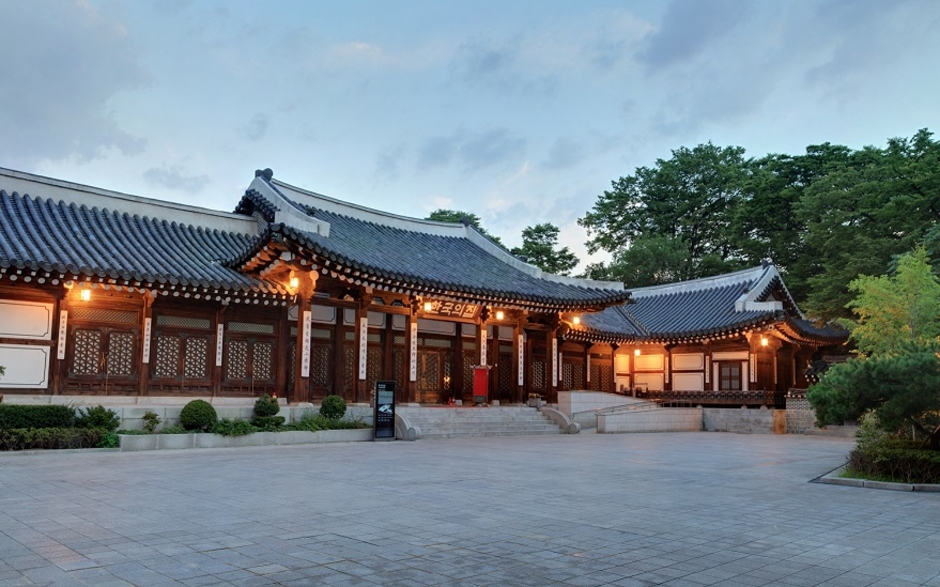
Korea House (한국의집)
1.4Km 2024-03-05
10 Toegye-ro 36-gil, Jung-gu, Seoul
+82-2-2266-9101
Located in the center of Seoul, Korea House is a must-visit tourism spot as a high-end cultural complex offering Hanjeongsik (Korean table d'hote), traditional refreshments, traditional performance arts, and traditional weddings, allowing visitors to feel the beauty of Korean culture and the taste of Korea. Guests can also enjoy the elegant beauty of hanok.
Kangbuk Samsung Hospital (강북삼성병원)
1.4Km 2025-10-23
29 Saemunan-ro, Jongno-gu, Seoul
Established in 1968, Kangbuk Samsung Hospital has over 50 years of history and is taking a new leap forward with a vision for its centennial year.
Through partnerships with renowned institutions, such as Johns Hopkins Hospital in the United States and the BBDC in Canada, the hospital delivers advanced medical services while leading the public health arena. It is also committed to systematic research and the development of ICT-integrated digital healthcare, which will be the foundation for future medicine. With an excellent infrastructure that includes clinics and specialized centers (e.g., the Diabetes Center, Breast and Thyroid Cancer Center, Digestive Cancer Center, Musculoskeletal Disease Center, and Prostate Center), Kangbuk Samsung Hospital provides top-quality medical services focused on providing patients with satisfactory treatments.
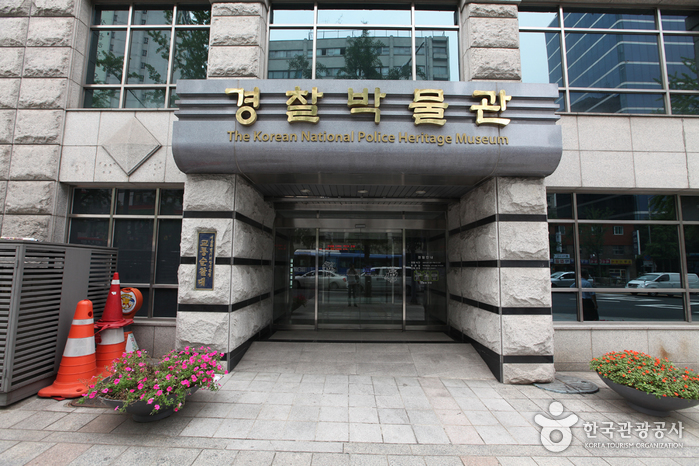
Korean National Police Heritage Museum (경찰박물관)
1.4Km 2021-12-21
41, Saemunan-ro, Jongno-gu, Seoul
+82-2-3150-3681
The police museum opened on October 14, 2005 to give a better understanding of the job of the police and to offer a formal education to children who wish to become police officers in the future. The history hall of the museum is designed for visitors to learn about the history of Korean police at a glance, exhibiting information on the police force from the Joseon dynasty up until current times.
Visitors to the museum can pretend to be police officers by touching actual equipment and learning about an officer's daily tasks. Visitors can also get in patrol cars, wear a police uniform, experience shooting a gun through a simulation, and learn self-defense martial arts and arrest techniques. Visitors can also go to the museum jail.
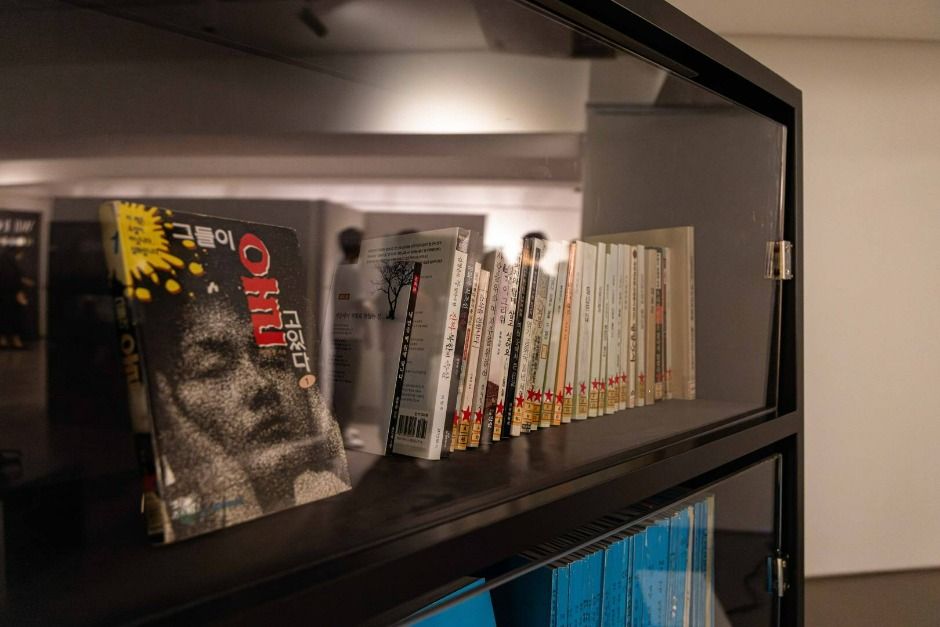
NKDB North Korean Human Rights Exhibition Hall (북한인권전시실)
1.4Km 2025-11-13
393 Samil-daero, Jongno-gu, Seoul
The NKDB North Korean Human Rights Exhibition Hall is a permanent exhibition space dedicated to North Korean human rights. Although it is a small space, it resonates deeply and serves as a "dark tourism" site that records and testifies to the ongoing reality of human rights violations in North Korea. The North Korean Human Rights Information Center (NKDB), which operates this exhibition hall, is the organization that collects and archives the most extensive records of human rights concerning North Korean residents in the world. The testimonies and records presented here represent a living history, a story unfolding in the present, unavailable elsewhere. Through donated North Korean artifacts, including these records, visitors can glimpse the present-day North Korea and encounter artwork by North Korean defectors.
 English
 한국어
한국어 日本語
日本語 中文(简体)
 Deutsch
 Français
 Español
 Русский


