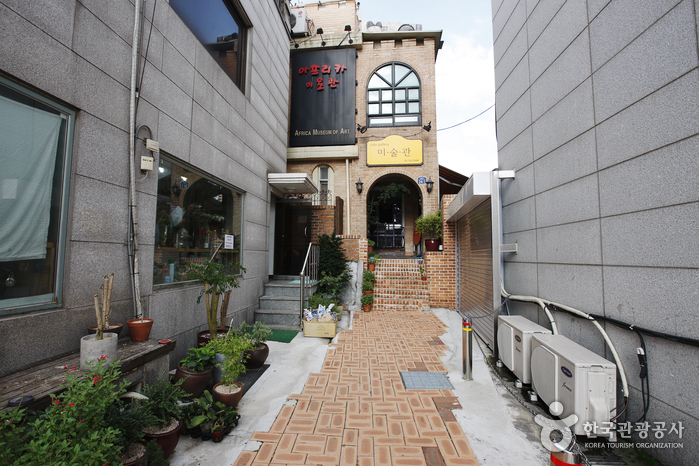
Africa Museum of Art (아프리카미술관)
1.5Km 2022-10-26
24-1, Samcheong-ro, Jongno-gu, Seoul
+82-2-730-2430
The Africa Museum of Art was established with the purpose of hosting various art festivals and providing the grounds for researching various art themes. A major principle of the gallery is to promote works of art that actively attempt to explore the human mind.
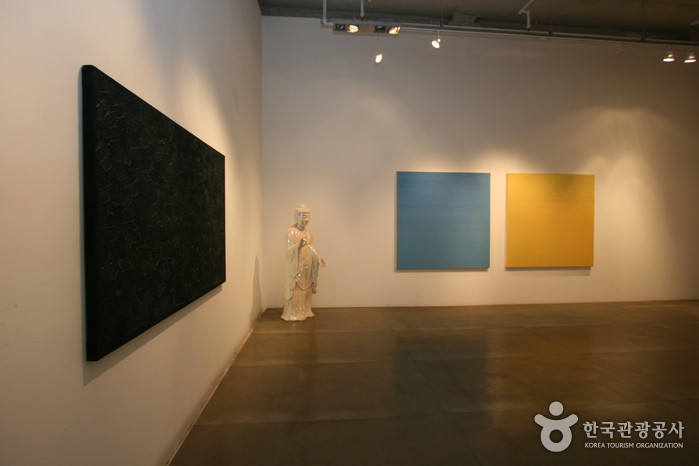
Gallery Simon (갤러리 시몬)
1.5Km 2022-09-15
20, Jahamun-ro 6-gil, Jongno-gu, Seoul
+82-2-720-3031
Since its opening in April, 1994, Gallery Simon has continued to focus on promoting the beauty of modern art. Exhibitions include works from experienced artists as well as the works of budding artists, both from Korea and abroad. Select artists, referred to collectively as "Simon's Friends," have exhibitions annually. The changing collections allow the museum and featured artists to constantly strive for improvement and follow the changes in art over time.
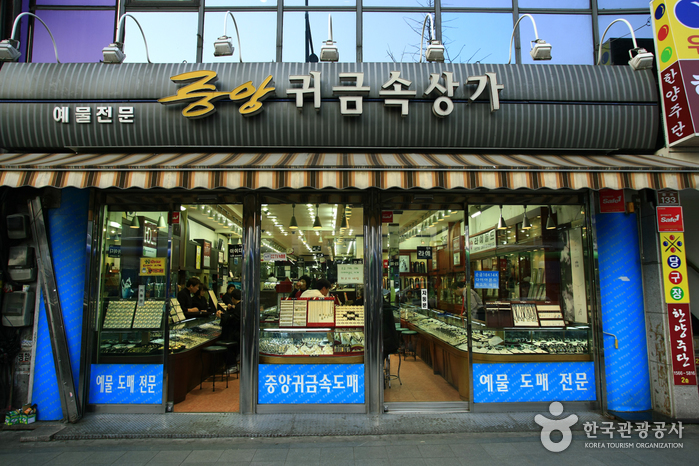
Jongno 3(sam)-ga Jewelry District (종로3가 귀금속 전문상가)
1.5Km 2025-06-30
Jongno3-ga, Jongno-gu, Seoul-si
There is an enormous selection of wholesalers and retail jewelry stores in this district, spread throughout Jongno 3(sam)-ga and 4(sa)-ga. The glittering showcases here are especially popular amongst young people and foreign tourists looking to find fine jewelry at affordable prices. Stores in the jewelry district have a selection of designs that are extraordinarily diverse and prices that are 20 to 40% lower than at other jewelry outlets in Korea.

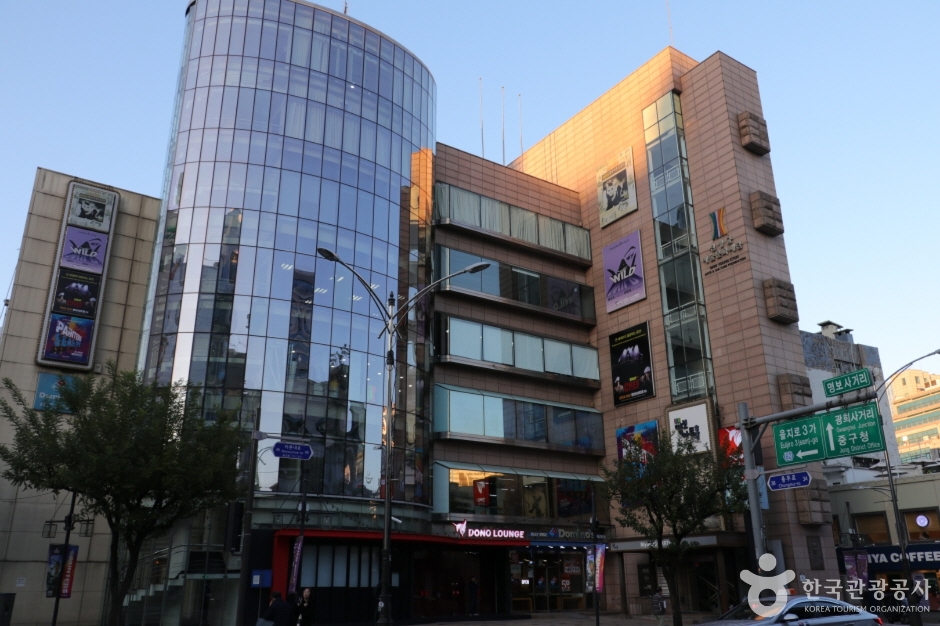
Myungbo Art Hall (명보아트홀)
1.5Km 2025-04-15
47 Mareunnae-ro, Jung-gu, Seoul
Located in Euljiro 3(sam)-ga, the heart of Seoul, Myungbo Art Hall is a cultural complex that consists of a professional theatre hall. Renovated from Myungbo Theater in 2009, Myungbo Art Hall is equipped with state-of-the-arts lighting and sound equipment that guarantees high-quality theatre experience for the audience. In addition, the hall also has comfortable seats along with other amenities for the audience's convenience. Myungbo Art Hall aims to globalize Korean performance culture by creating a variety of content that incorporate Korean theatre with tourism. This area is also where the house of Admiral Yi Sun-sin was located, which is honored with a memorial plaque listing his accomplishments.
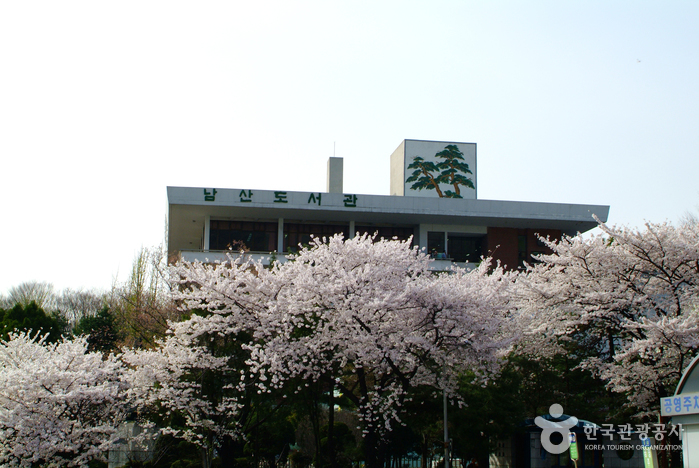
Namsan Library (서울특별시교육청 남산도서관)
1.5Km 2021-07-07
109, Sowol-ro, Yongsan-gu, Seoul
+82-2-754-7338
Namsan Library opened as Kyeongseong Prefectural Library in 1922 as a public library in Myeong-dong, Jung-gu, Seoul. The library was moved to the current site in 1964 with a newly built building and its name changed to Namsan Library in 1965. This concrete building was built in 1964 and was designed by architect Lee Haeseong. It was designated as Seoul Future Heritage in 2013, credited for its preservation value.
It is comprised of 19 rooms and educational areas including the Humanity and Social Science Hall, Nature Science Hall, Language and Literature Hall, Electronic Information Room and more. Since opening, the library has collected nearly 500,000 books, 16,000 non-book materials, 700 continuing resources, and other special materials like old books, oriental books (including Japanese books), and more. Namsan Library also operates a reading treatment program unique to this library that began in 2005. The program includes remodeling of reading consultation room, training for people in charge of reading treatment, workshops, programs for individuals and groups. Also, various exhibitions, lectures, shows, cultural classes and other events are available all year long to enhance lifelong education.
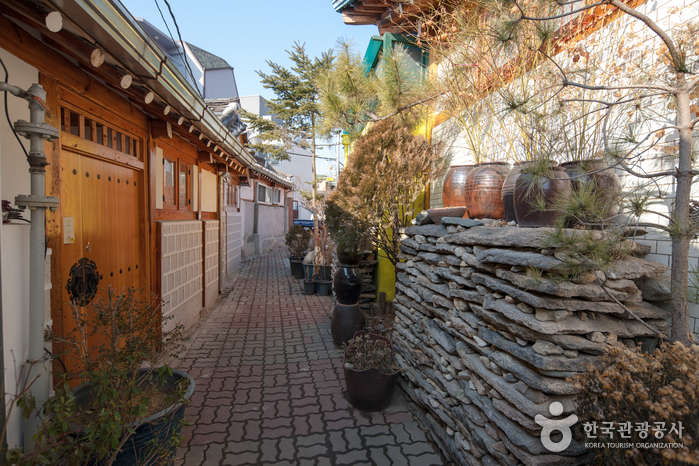
Seochon Village (서촌마을)
1.5Km 2024-12-02
45 Pirundae-ro, Jongno-gu, Seoul (Nuha-dong)
Seochon Village is the name given to the area to the west of Gyeongbokgung Palace. It is a historic village, home to old shops and hanok buildings that have stood the test of time. Korean traditions and contemporary sensibilities coexist within Seochon Village’s maze-like alleyways, creating the unique ambience that makes the district so beloved. One can find shops, guesthouses, cafés, and restaurants in the village.
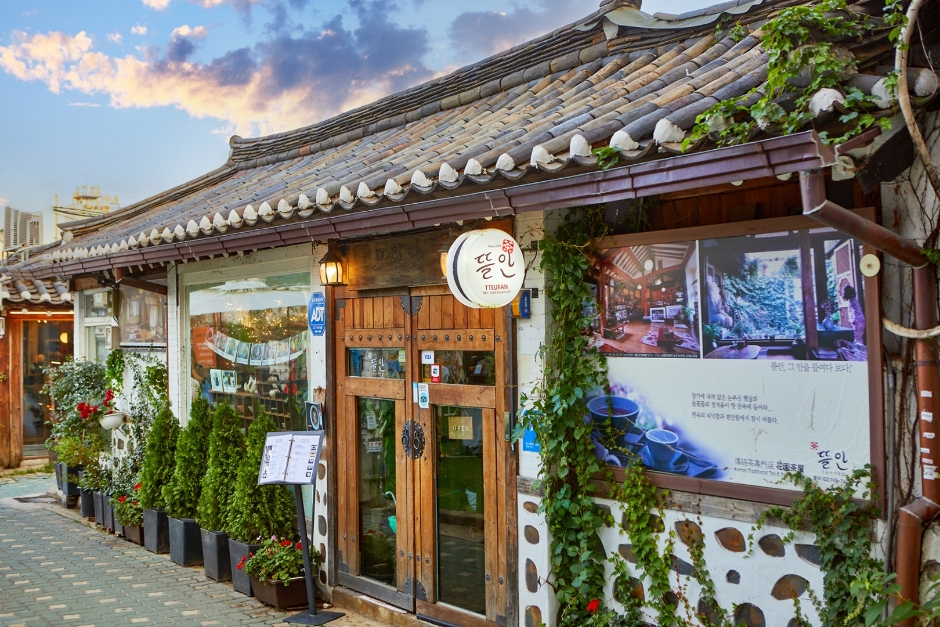
Tteulan Teahouse (뜰안)
1.5Km 2024-12-10
Tteulan Teahouse is a cafe that really allows one to feel the tradition and flair of Korea. Tteulan has two entrances: one facing the wide alley and the other facing the smaller one. The smaller entrance is decorated like a garden, so it feels as if one is stepping into a land of fairy-tales. The café has a floor seating tables with traditional items like gadari soban (a table with legs that curve like a dog's legs), and jogakbo (a textile woven from several pieces of scrap cloth), all of which add to the traditional Korean aesthetic. The menu features ssanghwacha (medicinal herb tea known to help the immune system), a favorite among middle-aged and elderly Koreans; omija tea (omija is a tart berry that grows in East Asia known to be good for lung and bronchial health and boosts immunity); citrus tea (usually made with yuzu which is rich in vitamin C and said to help mitigate fatigue); and pour-over coffee. Traditional desserts include mugwort rice cake (rice cake with mugwort added for herbal flavor, best enjoyed with malt syrup), pumpkin rice cake, and roasted grain powder (a nutritious beverage made with a variety of powdered grain). It can be hard to find seating in the afternoon, so visitors are advised to avoid these hours if they seek to enjoy their drink in peace.
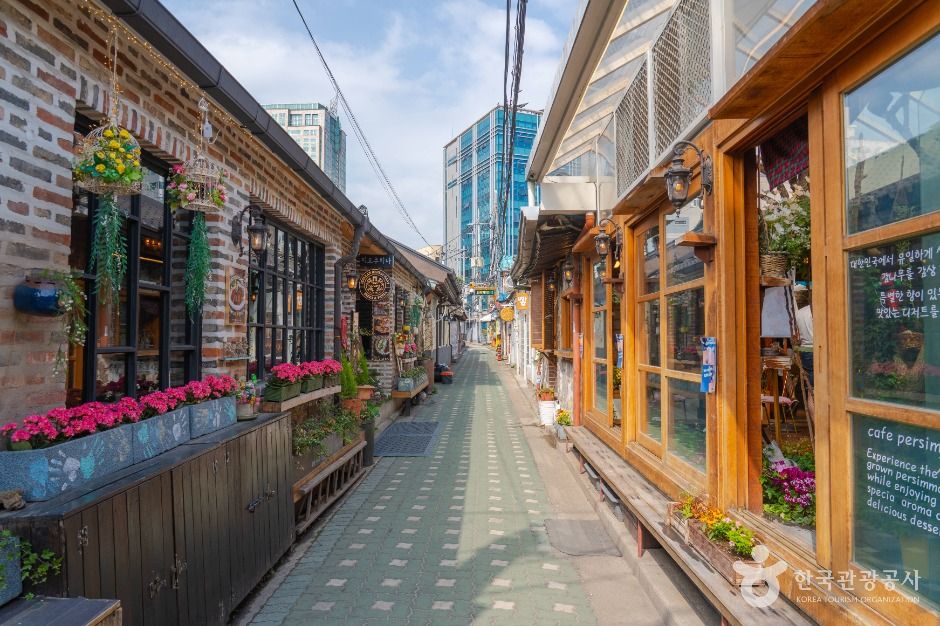
Ikseon-dong Hanok Street (익선동 한옥거리)
1.5Km 2025-10-27
Ikseon-dong, Jongno-gu, Seoul
Ikseon-dong is a place where the harmony of alleys and hanok houses exudes beautiful charm and is a must-visit spot for tourists of all ages and genders. It is also an area that connects the younger and older generations.
 English
 한국어
한국어 日本語
日本語 中文(简体)
 Deutsch
 Français
 Español
 Русский


