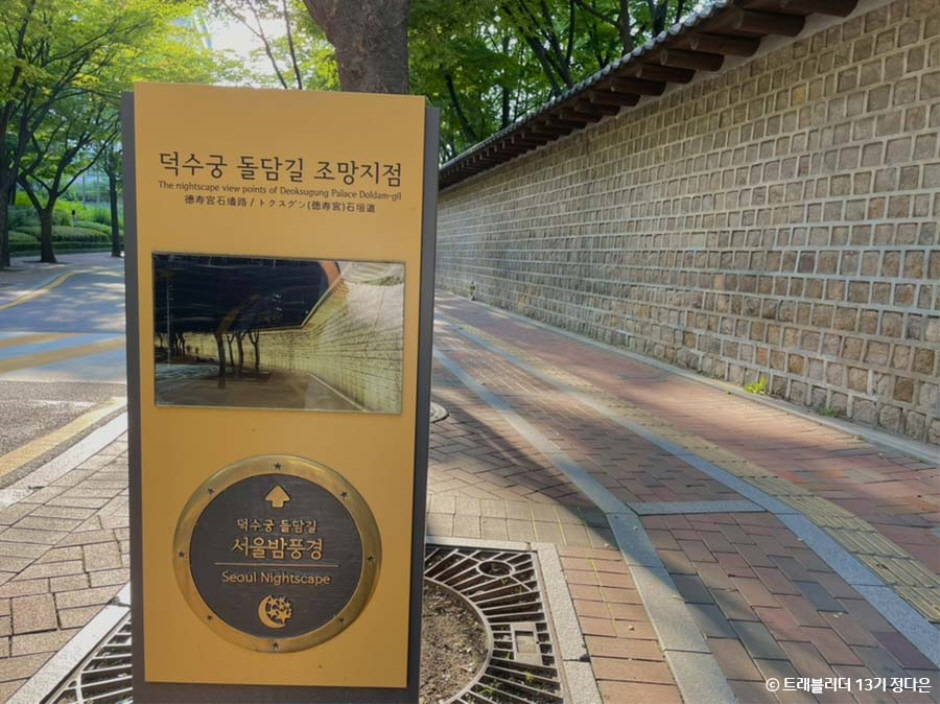
Jeongdong-gil Road (정동길)
744.4M 2024-06-19
2-1 Jeongdong-gil, Jung-gu, Seoul
Jeongdong-gil Road is one of Seoul's most famous walking paths, stretching from the intersection in front of Jeongdong Church to Saemunan-gil Road. The street holds importance in Korea's modern history, with the surroundings serving as a living museum of this. During the Joseon dynasty, the area developed into a residental space for distant members of the royal family, with a palace and royal tombs in the area. In 1999, the pedestrian walking area was expanded by turning the two-way road into a one-way road. Since then, the road has earned many awards and honors.
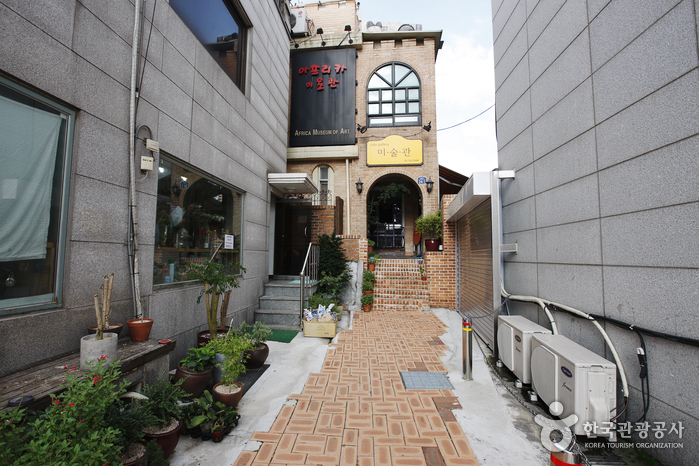
Africa Museum of Art (아프리카미술관)
745.5M 2022-10-26
24-1, Samcheong-ro, Jongno-gu, Seoul
+82-2-730-2430
The Africa Museum of Art was established with the purpose of hosting various art festivals and providing the grounds for researching various art themes. A major principle of the gallery is to promote works of art that actively attempt to explore the human mind.
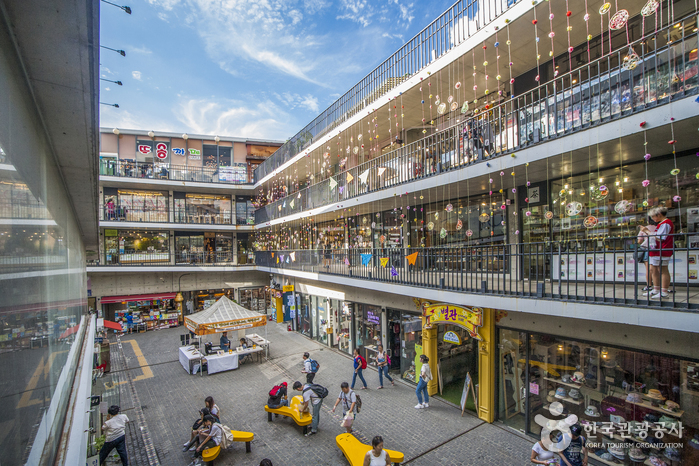
Insa-dong (인사동)
750.9M 2024-05-17
62, Insadong-gil, Jongno-gu, Seoul
+82-2-734-0222
Insa-dong, located in the heart of the city, is an important place where old but precious traditional goods are on display. There is one main road in Insa-dong with alleys on each side. Within these alleys are galleries, traditional restaurants, teahouses, and cafes.
The galleries are the heartbeat of Insa-dong. There are about 100 galleries in the area offering every example of traditional Korean fine art from paintings to sculptures. The most famous galleries are Hakgojae Gallery, which functions as the center of folk art, Gana Art Gallery, which promotes many promising artists, and Gana Art Center.
The teahouses and restaurants are the perfect complement to the galleries. They are hidden deep within the twisting alleyways, making it feel like a treasure hunt. The shops in Insa-dong are very popular among all age groups, because each one is unique.
Every Saturday from 14:00 to 22:00 and Sunday from 10:00 to 22:00, the main street is blocked to vehicular traffic and it becomes a cultural space. Stores set up booths outside and Korean candy merchants and fortune teller stalls can easily be found; there are traditional performances and exhibits as well. Insa-dong is especially popular among international tourists. This is where they can experience and see traditional Korean culture first-hand, and also purchase pieces of fine art.
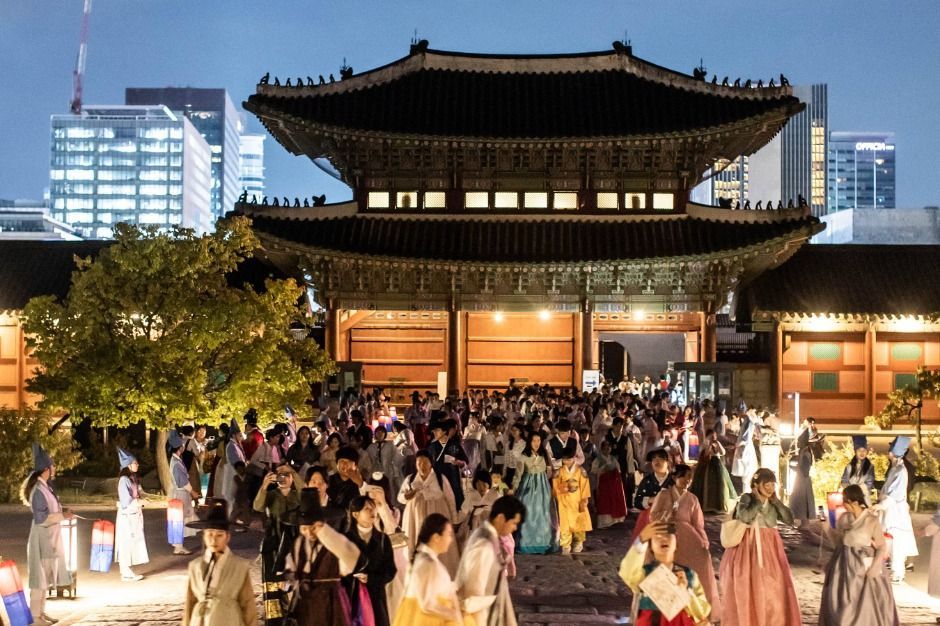
K-Royal Culture Festival (궁중문화축전)
754.8M 2025-07-29
161 Sajik-ro, Jongno-gu, Seoul
+82-1522-2295
The K-Royal Culture Festival is held at the five Royal Palaces and Jongmyo Shrine. The festival first began in 2014 and provides visitors with first-hand knowledge of these important cultural heritages through unique performances, exhibitions, experiences and programs. The festival expanded in 2021 to be hosted twice a year, in spring and in fall.
Songhyeon Green Plaza (열린송현 녹지광장)
754.9M 2025-11-11
Songhyeon-dong, Jongno-gu, Seoul
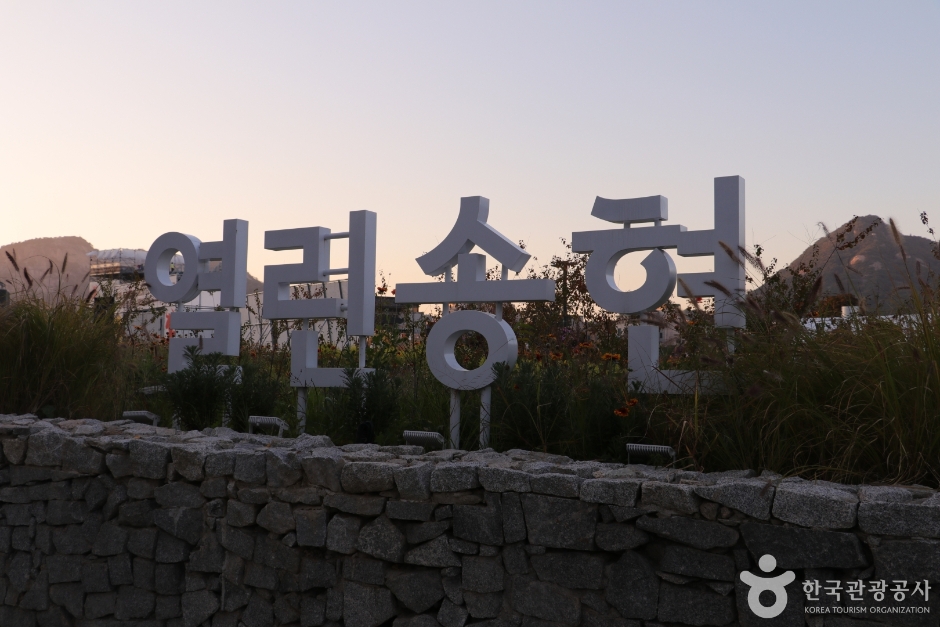
Songhyeon Green Plaza, located between Gyeongbokgung Palace and Jongno, is a space for culture and rest. The site was formerly used as housing for Shiksan Bank during Japanese rule. After Korea’s liberation, it served as a residence for the US Embassy and military personnel. Later in 1997, it was returned to the Korean government but remained unused for years. In 2022, the ownership was transferred to the Korean House and Land Corporation and then to the Seoul Metropolitan Government, which redeveloped it into a green plaza and opened it to the public. Upon entering the plaza, visitors are greeted by a spacious lawn adorned with flowers during the blooming season. The plaza is connected to the nearby tourist attractions through shortcuts cutting through it, including Cheong Wa Dae (Blue House), Gwanghwamun Plaza, Insa-dong, and Bukchon Hanok Village.
Seoul Museum of Craft Art (SeMoCA) (서울공예박물관)
770.4M 2025-06-19
4 Yulgok-ro 3-gil, Jongno-gu, Seoul
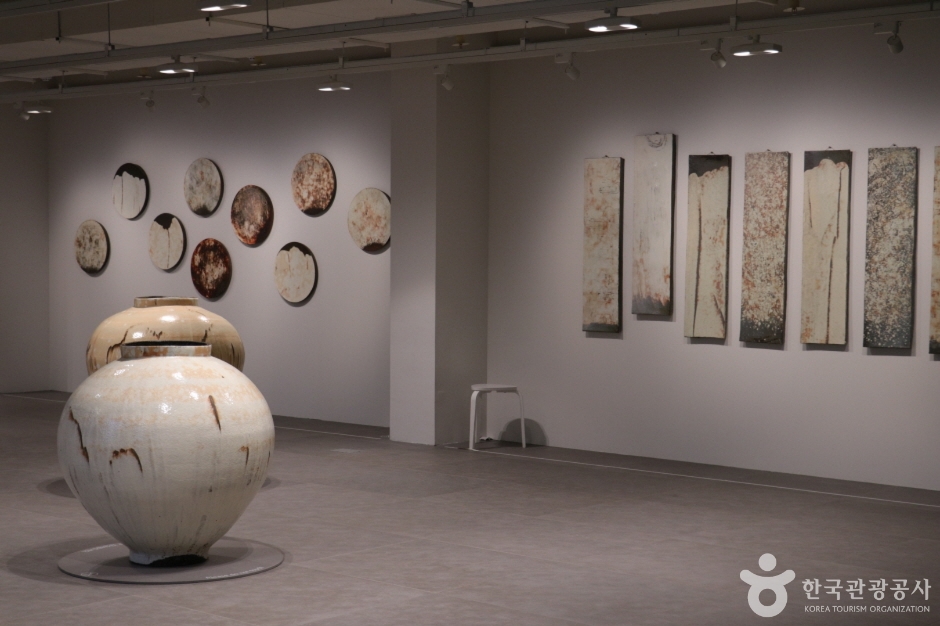
The Seoul Museum of Craft Art (SeMoCA), the first public museum of craft art in Korea, opened its doors in Anguk-dong, Jongno-gu, in July 2021 after renovating five buildings of the former Pungmoon Girls’ High School. SeMoCA studies and shares not only works, but also information, records, people, and environment related to craft art with the goal of becoming a dynamic platform for experiencing the technical, practical, artistic, and cultural values of craft.
SeMoCA holds a collection that comprises various crafts and craft materials covering multiple fields and eras from the traditional to the present. SeMoCA also holds exhibitions that feature the history of craft from traditional to contemporary art as well as local and children’s crafts, along with programs that utilize the museum’s craft installations, craft archives, craft library, and craft resource management system.
The site of the museum has deep historical roots as it is also the Andong Secondary Palace Site, where a detached palace was constructed as a royal residence for King Sejong’s son Prince Yeongeung, and served as a venue for royal celebrations, such as the wedding of King Sunjong. The site is also at the center of Jongno-gu, where Joseon-era master artisans (“gyeonggongjang”) of the royal palace produced and delivered craft works.
Deoksugung Palace's Daehanmun Gate (덕수궁 대한문)
773.8M 2025-01-13
99 Sejong-daero, Jung-gu, Seoul
+82-2-771-9951
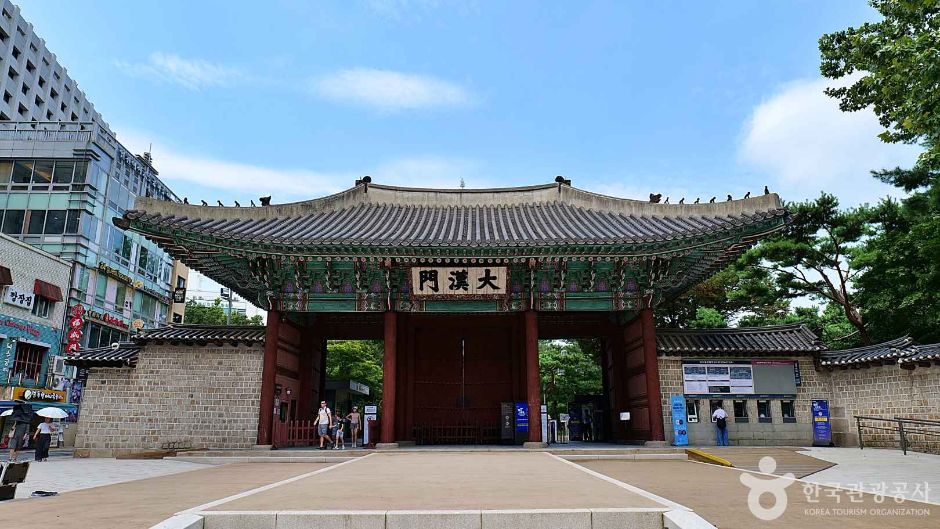
Located near City Hall station, Daehanmun Gate is the main gate of Deoksugung Palace, one of the princiapl five palaces of Joseon dynasty. The name "Daehan" means wish for eternal prosperity of the Korean Empire. In front of the gate, the Palace Royal Guard Changing Ceremony is held twice daily, along with the reproduction of costumes and style throughout the year.
Jeongdong Culture Night (정동야행)
773.8M 2025-05-20
99 Sejong-daero, Jung-gu, Seoul
+82-2-3396-4625
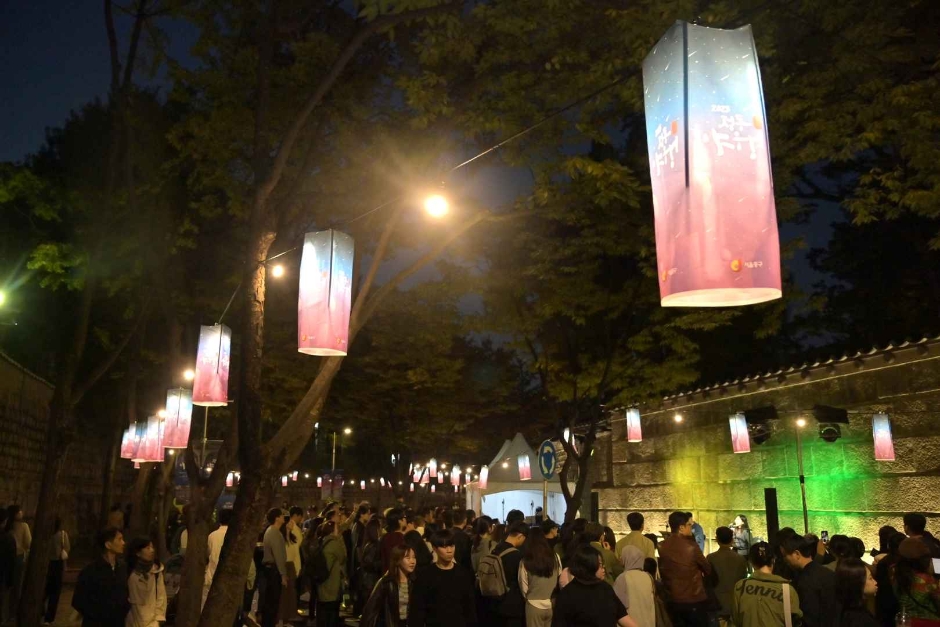
Jeongdong Culture Night is dedicated to promoting the history and culture of Jeongdong, a neighborhood in Jung-gu, Seoul. The festival programs allow participants to understand how the history is connected to today's culture and offers an opportunity to view Jeongdong's cultural facilities in a different perspective.
Deoksugung Palace Royal Guard Changing Ceremony (덕수궁 왕궁수문장교대의식)
779.1M 2025-07-11
99, Sejong-daero, Jung-gu, Seoul
• 1330 Travel Hotline: +82-2-1330 (Korean, English, Japanese, Chinese) • For more info: +82-2-737-6444
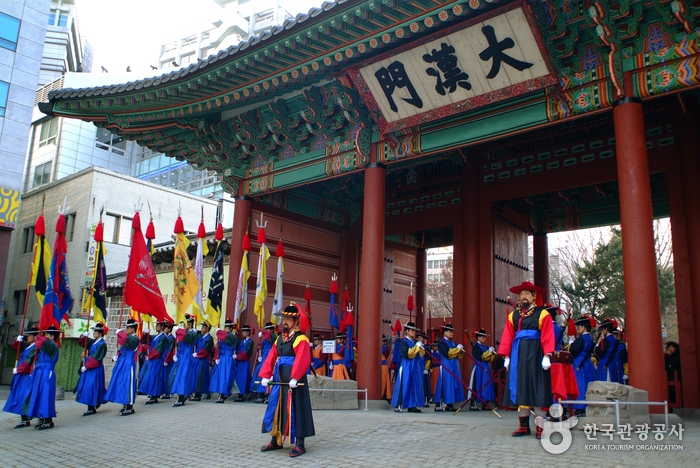
Deoksugung Palace has held a guard changing ceremony since 1996 after thorough historical research by leading historians. The ceremony, which is held in front of Daehanmun Gate of Deoksugung Palace, is a tradition similar to the Changing of the Guards at Buckingham Palace and offers a rare opportunity to experience royal culture. The royal gate is opened and closed at pre-determined times, and the gatekeepers in charge of guard duty and patrols hold a shift ceremony three times a day.
The Royal Guard Changing Ceremony is a highly recommended event for tourists. It is held three times a day, with each ceremony following the same procedure and lasts for forty minutes to an hour, and the ceremony is free of charge. There are no ceremonies on Mondays as well as on severely cold or hot days.
As the ceremony begins, the changing of the guards commences replete with traditional musical instruments, and exchanges a password for verification. An eight-minute guard ceremony ensues, followed by a seven-minute change ceremony, and finally a patrol that completes the ceremony. The procedure takes a dramatic turn when 18 guards in six official positions beat a drum and bellow some orders.
The Royal Guard Changing Ceremony is a great opportunity to experience a rare traditional scene. The guards’ splendid costumes, with their brilliant primary colors, are a pleasure to view. Once the ceremony is over, visitors can take pictures with the gatekeepers.
Matthew Chang Anguk (메튜장 안국)
787.0M 2025-07-14
33 Yulgok-ro, Jongno-gu, Seoul
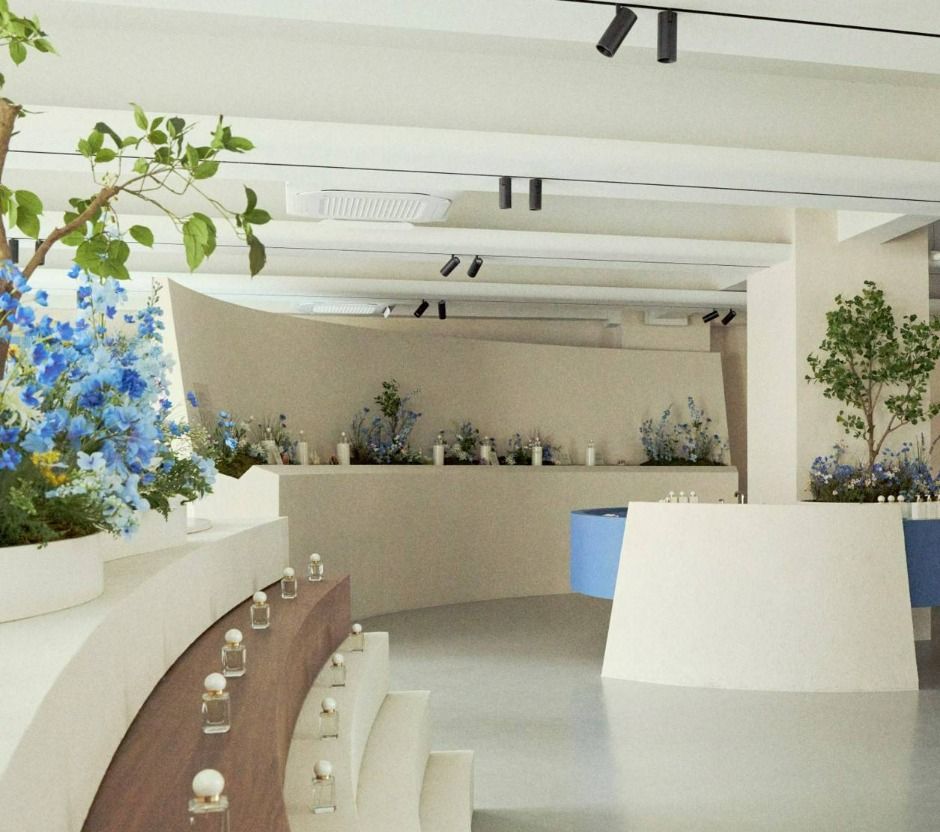
Matthew Chang Anguk flagship store uses the whole space to bring the brand's philosophy to life through fragrance. Located in Anguk, the heart of Korea's tradition and aesthetics, the store's tranquil atmosphere sets the mood for visitors to try on and experiment with the brand's carefully selected perfume collection. The staff provides assistance in recommending the perfect scent according to visitor's preference, mood, and nostalgia. The store also has a section dedicated to body care products, such as hand wash and body lotion.
 English
 한국어
한국어 日本語
日本語 中文(简体)
 Deutsch
 Français
 Español
 Русский


