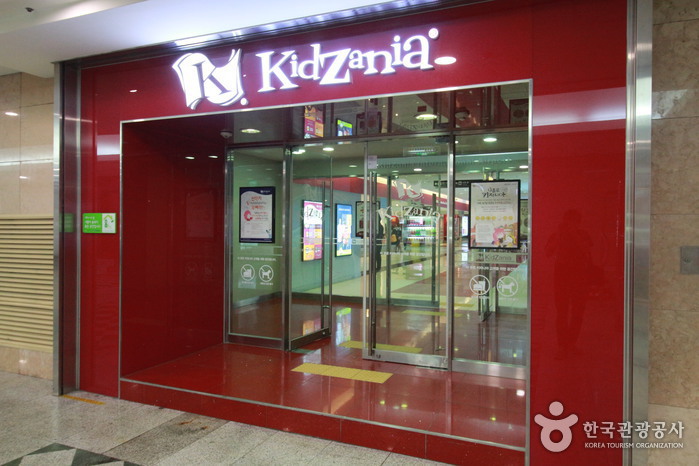
KidZania Seoul (키자니아 서울)
13.7Km 2024-03-13
240, Olympic-ro, Songpa-gu, Seoul
KidZania is a theme park organized around the idea of vocational experience for children. It is home to a variety of facilities where one can experience different career paths, all located on a scale model of a city. Visitors can learn what it is like to work as a firefighter, doctor, cook, member of the police force, reporter, and more.

National Women's History Exhibition Hall (국립여성사전시관)
13.7Km 2021-09-23
50, Hwajung-ro 104beon-gil, Deogyang-gu, Goyang-si, Gyeonggi-do
The National Women’s History Exhibition Hall opened on December 9, 2002 in Daebang-dong, Seoul, but was moved to its current location in Goyang, Gyeonggi-do on September 1, 2014. The hall uses both traditional display techniques as well as creative media art to showcase the history and culture of women in Korea. The exhibition hall aims to give women their rightful place in Korean history, in addition to enhancing women’s sense of pride and expand gender equality through various activities, including public education programs and special exhibitions.
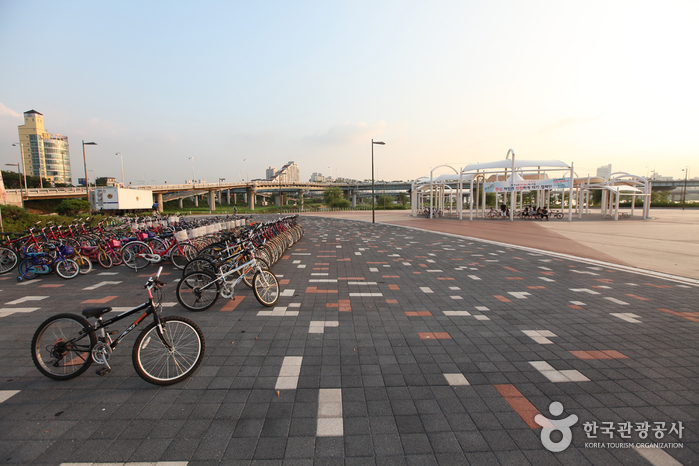
Gwangnaru Hangang Park (광나루한강공원)
13.7Km 2021-12-25
83-66, Seonsa-ro, Gangdong-gu, Seoul
Hangang Citizen's Park, composed of 12 areas including Jamsil, Ttukseom and Jamwon, is an eco-friendly park providing areas for sports and leisure. The park is equipped with various cultural and recreational facilities and also has an ecological park. Gwangnaru Hangang Park formed naturally through rich silt that flowed in from the upper Hangang River that was then filled with reeds, creating an ideal habitat for groups of migratory birds.
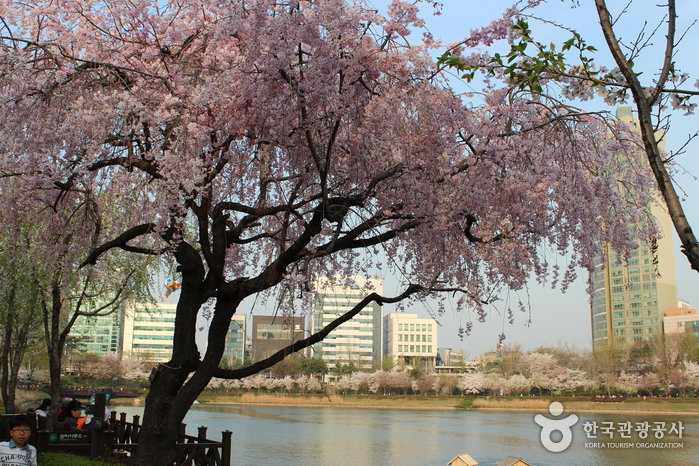
Songpa Naru Park (Seokchonhosu Lake) (송파나루공원 (석촌호수))
13.8Km 2025-10-23
136 Samhaksa-ro, Songpa-gu, Seoul
Songpa Naru Park, also commonly referred to as Seokchonhosu Lake, is a citizen park in Seoul with a jogging course and walking trails. It has two lakes with Songpa-daero Boulevard running in between. Originally, a branch of the Hangang River ran through the site, forming one large lake, but the lake was divided into two with the construction of Songpa-daero Boulevard. The total size of the two lakes is 217,850 ㎡, and they hold about 737 tons of water. The depth of the lakes is 4-5 meters.

Lotte World Tower & Mall (롯데월드타워&롯데월드몰)
13.9Km 2024-11-28
300 Olympic-ro, Songpa-gu, Seoul
Lotte World Tower was designed with a conceptual motif inspired by Korean ceramics and writing brushes. With 123 floors total, the tower is the fifth tallest building in the world, standing at 555 meters. The tower contains galleries, cafés, and a luxury hotel, in addition to a skywalk and an observation deck. It is one of the best spots to appreciate the breathtaking view of Seoul's vibrant city lights.
Lotte World Mall, located next to the tower, features Avenuel, a complex of luxury department stores. The multi-leveled mall draws in many visitors as one of the top shopping attractions in Seoul, with a variety of domestic and foreign brands. The mall also offers a wide-range of entertainment facilities, such as a movie theater, aquarium, concert hall, and more.
Bicena (비채나)
13.9Km 2025-05-20
81F, 300 , Olympic-ro, Songpa-gu, Seoul
Bicena provides tasty Korean cuisine available only in Korea in a refined interior.
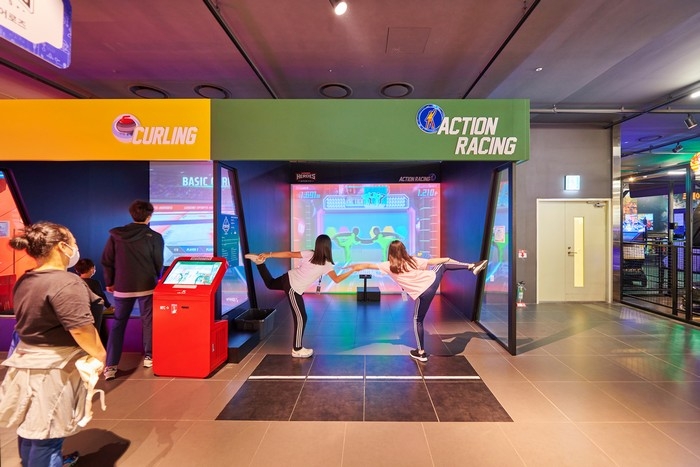
Legend Heroes Jamsil Lotte World Mall (레전드히어로즈 잠실롯데월드몰점)
13.9Km 2025-11-06
3F, Lotte World Mall, 300 Olympic-ro, Songpa-gu, Seoul
A screen theme park full of exciting games
It is a screen theme park where Girls' Generation's Yoona and Sooyoung enjoyed indoor activities in 'Sosi Tam Tam'. There are 10 sports and games, including baseball, soccer, archery, shooting, racing games, and climbing. When the game starts, everyone concentrates on the game with a greater sense of immersion than imagined. After making a reservation for the game you want, when your turn comes, you tag the card within 60 seconds, which shortens the waiting time, making it convenient to use.
Chuncheonok (춘천옥)
13.9Km 2024-10-15
19 Digital-ro 12-gil, Geumcheon-gu, Seoul
Chuncheonok is a Korean restaurant located near Gocheok Skydome. The signature menu is memil makguksu (buckwheat noodles). Served with a sweet sauce, the bibim makguksu (spicy buckwheat noodles) features a refreshing broth poured generously over the noodles, preventing them from becoming soggy. With a lower buckwheat content, the noodles have a smooth texture. It pairs well with tender and odorless bossam (napa wraps with pork). Nearby attractions include Gureumsan Forest Park, Boramae Park, and Anyangcheon Stream.
BGN Eye Clinic (밝은눈안과의원)
13.9Km 2025-10-23
(11th Floor), 300 Olympic-ro, Songpa-gu, Seoul
Since its foundation in 2000, BGN Eye Clinic has been playing a leading role in the field of vision correction. We offer a variety of vision correction surgeries using the latest medical technology and equipment, such as LASIK, LASEK, and intraocular lens implants, with emphasis on personalized care for each patient. We provide world-class healthcare through ceaseless research and investment in healthy vision for our patients. We strive to help our patients feel safe and comfortable with our warm-hearted and friendly services, providing high-quality care in a pleasant environment.
BGN is positioning itself as a trusted healthcare organization with a patient-centered approach.
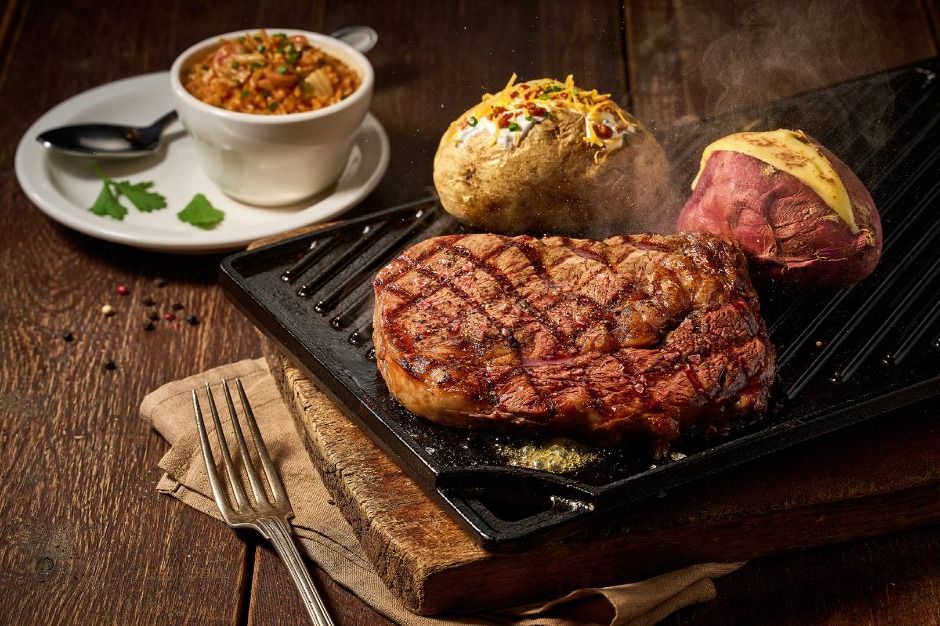
Carols Main Branch (캐롤스 본점)
13.9Km 2025-12-02
서울특별시 송파구 올림픽로 300 (신천동)
Located in Songpa-gu, Carols is a family restaurant that recreates traditional American meals, complete with a cozy, family-friendly atmosphere. For the older generation, it offers authentic American flavors and the comfort of a family restaurant that they remember visiting with their parents as children. For the younger generation, it offers a retro family restaurant experience that they have never felt before. The menu is full of family favorites like baby back ribs, Monte Cristo, spaghetti, burgers, steaks, and sweet parfaits for dessert, as well as a kids' meal for the little ones, so there's something for everyone.
 English
 한국어
한국어 日本語
日本語 中文(简体)
 Deutsch
 Français
 Español
 Русский


