
DL Plastic Surgery (디엘성형외과의원)
8.5Km 2025-10-23
(4th Floor, Peyto Plaza), 563 Gangnam-daero, Seocho-gu, Seoul
DL Plastic Surgery is a premier clinic specializing in advanced procedures such as facial contouring and rhinoplasty. Our highly skilled medical team, with over ten years of experience, is dedicated to delivering the results you desire. We carefully plan and customize each surgery, ensuring that the overall harmony and balance of your face are maintained.
Your confidence and satisfaction are our top priorities. To reinforce this, we’ve implemented a surgical liability guarantee system, providing you with added trust and peace of mind regarding your results. We remain at the forefront of innovation through ongoing academic engagement and the latest research.
Note Plastic Surgery (노트성형외과의원)
8.5Km 2025-10-23
(12th-15th Floors, Peyto Plaza Building), 563 Gangnam-daero, Seocho-gu, Seoul
Note Plastic Surgery opened in Nonhyeon Station, between Gangnam Station and Sinsa Station in Seoul, in August 2019, and has just passed 4 years and is now celebrating its 5th year.
In July 2024, the Breast & Body Contouring Center and Facial Contouring Center were expanded and reopened.
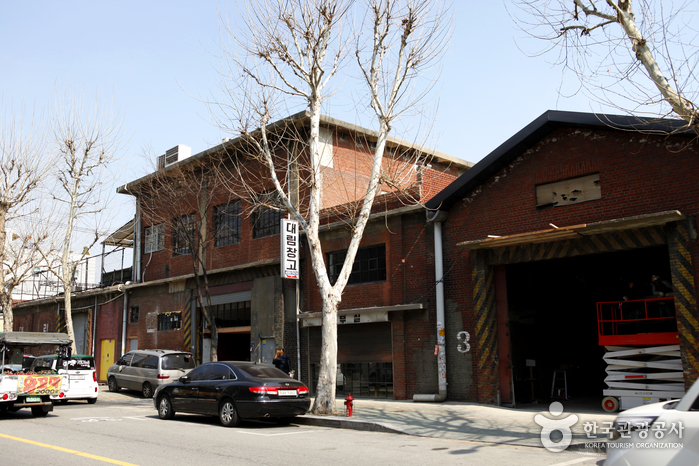
Daelim Changgo Gallery (성수동 대림창고 갤러리)
8.5Km 2025-03-18
78 Seongsui-ro, Seongdong-gu, Seoul
Daelim Changgo Gallery, which is a landmark in Seongsu-dong, is a red-brick building that was once used as a rice mill in the 1970s. It is now a cafe and art gellery that preserves as much of the original rice mill atmosphere as possible so it exudes fascinatingly vintage vibes, widely loved by young couples.
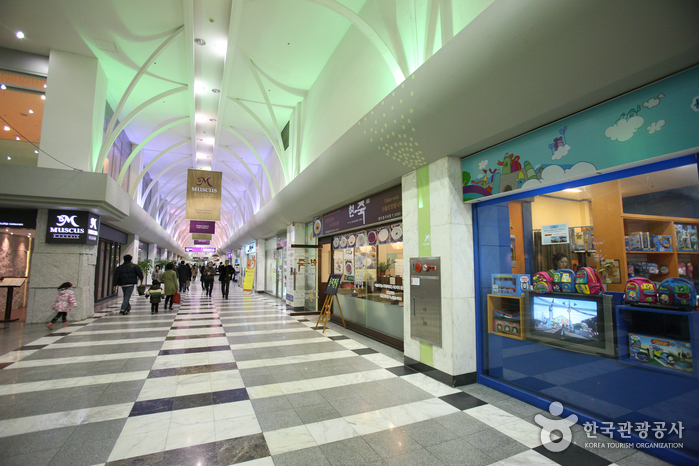
Central City (센트럴시티)
8.5Km 2025-03-28
176, Sinbanpo-ro, Seocho-gu, Seoul
Connected to the Express Bus Terminal Station, Central City is a large lifestyle cultural complex. With in the City are a department store, movie theater, bus terminal, hotel, and shopping malls. Especially, Familie Station & Garden is home to beauty salons, restaurants and coffe shops that are famous and unique. One can also explore attractions such as the Express Bus Terminal Underground Shopping Mall and Banpo Wholesale Flower Market, enriching the experience of the area.
CMC Confidence (씨엠씨 컨피던스)
8.5Km 2025-10-23
#207, Ra-dong, 14 Eonju-ro 148-gil, Gangnam-gu, Seoul
CMC Confidence combines medicine and tours to offer optimized services. It provides special tour services beyond simple medical services. Instead of simply attracting patients, CMC Confidence provides topping tours where patients can experience treatments while traveling with family and friends. The patient's next medical visit becomes an opportunity for joyful travels, rather than treatments. CMC Confidence offers customers new experiences through specialized services in the Gangnam area of Seoul.
Minish Dental Hospital (미니쉬치과병원)
8.5Km 2025-10-23
728 Eonju-ro, Gangnam-gu, 728 Eonju-ro, Gangnam-gu, Seoul
Minish Dental Hospital opened in 2007 under the name Today Dental. In December 2018, it became a hospital-grade medical institution after passing the Ministry of Health and Welfare's strict assessments for facilities, medical quality, etc. The hospital has 13 dental specialists with abundant clinical experience, who prioritize no harm, no pain, and no excessive treatments.
Since 2009, Minish Dental Hospital has secured 150,000 clinical cases. Approximately 500 patients who are entertainers, businessmen, or celebrities have visited the hospital.
Designated by the Ministry of Health and Welfare as a medical institution for international patients, Minish Dental Hospital has transformed itself into an excellent medical institution attracting foreign patients from various countries, such as the US, Japan, China, and the Middle East.
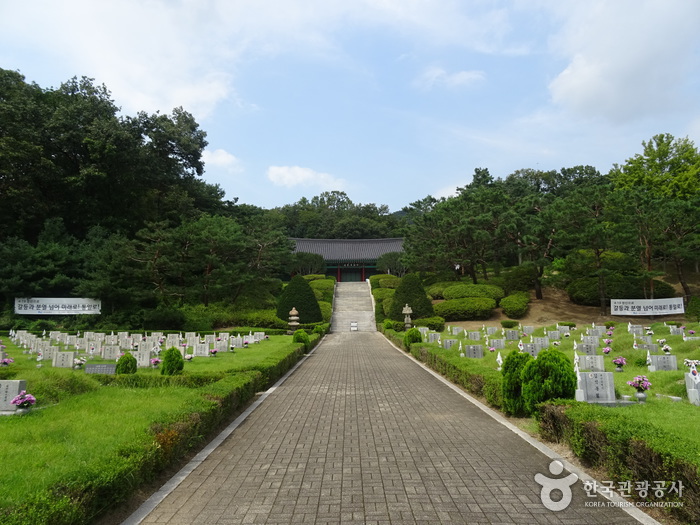
April 19th National Cemetery (국립4.19민주묘지)
8.5Km 2023-01-02
17, 4.19-ro 8-gil, Gangbuk-gu, Seoul
Located at the foot of Bukhansan Mountain, the April 19th National Cemetery was established in memory of the 224 people who lost their lives during the 4.19 Revolution in 1960. The cemetery features a memorial hall and a traditional wooden structure that houses the grave of the historic figure Yu Yeongbong.
At the cemetery is a pond surrounded by sculptures such as "Symbolic Door," "Roots of Democracy," and "Sparks of Justice" and a memorial tower bearing an inscription for the brave patriots who lost their lives during the revolution. Groves of pine, juniper, yew, and maple trees and the well-kept hiking path add a natural charm to the overwhelming ambiance of peace and serenity. Many people visit to see the spring blossoms in May, and throughout the year to take in the glorious scene of the sunset over Bukhansan Mountain.
Leaders Dermatology Clinic CheongdamDosandaero (리더스피부과의원 청담도산대로점)
8.6Km 2025-10-23
4th-5th Floors, S&S TOWER, 409 Dosan-daero (Cheongdam-dong), Gangnam-gu, Seoul
Founded in 2001 by board-certified dermatologists from Seoul National University College of Medicine, Leaders Dermatology has grown into a trusted network of over 12 clinics across Korea and internationally, with a team of more than 20 dermatologists and 150 medical professionals.
Our doctors are actively involved in global academic circles delivering lectures at renowned conferences and seminars and are dedicated to raising the bar for dermatological care. With a systematic, patient-centered approach, our mission is to become the No.1 dermatology clinic in customer satisfaction through excellence in service and results.
SHINE BEAUTY MEDICAL (해우광해외무역)
8.6Km 2025-10-23
#510, MV Tower, 55 Gangnam-daero 132-gil, Gangnam-gu, Seoul
This International Medical Agency Company has been engaged in international patient attraction since 2015, focusing on South Korea and Vietnam (Hanoi and Ho Chi Minh City). The representative has experience at Konkuk University Hospital/ International Medical Center and currently serves as an expert advisor for the Ministry of Health and Welfare and the Korea Health Industry Development Institute in the fields of overseas medical expansion and international patient attraction. In addition, the institution is designated as an official international patient attraction partner of Gangnam District, Seoul, and collaborates with a wide range of medical institutions—including plastic surgery clinics, dermatology clinics, urology clinics, dental clinics, ophthalmology clinics, and Korean traditional medicine hospitals—to support both international patient attraction and overseas medical expansion.
Amore Seongsu (아모레 성수)
8.6Km 2024-01-05
7 Achasan-ro 11-gil, Seongdong-gu, Seoul
Amore Seongsu is an experiential store presented by the cosmetics brand Amorepacific Corporation. The building was renovated from an old car repair shop and presents a unique vibe. Visitors can test products on their skin and purchase products from over 30 brands released by Amorepacific Corporation. Recommended items include the Puzzlewood Hand Cream and Vegan Brush, made using a vegan recipe and a certified-vegan. A pop-up store is operated every month in collaboration with brands from various fields worldwide, providing trendy and extraordinary experiences such as exhibitions and product testing.
 English
 한국어
한국어 日本語
日本語 中文(简体)
 Deutsch
 Français
 Español
 Русский


