
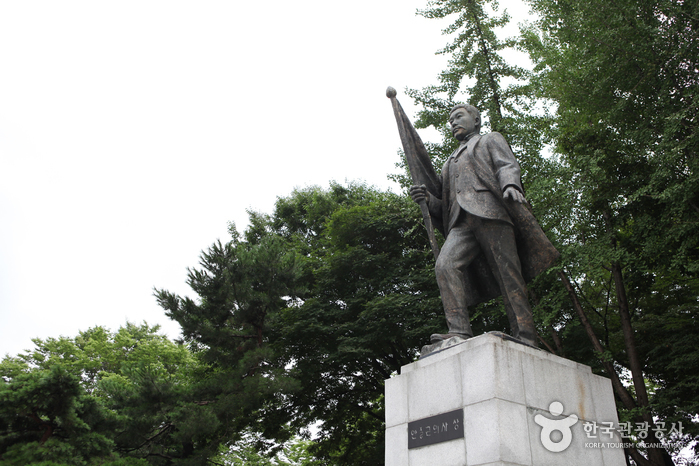
Ahn Junggeun Memorial Museum (안중근의사기념관)
2.9Km 2024-03-06
91, Sowol-ro, Jung-gu, Seoul
82-2-3789-1016
The Ahn Junggeun Memorial Museum honors the memory of Ahn Junggeun (1879-1910), an independence activist and soldier who advocated for Korean independence and peace in Asia. He fought against the Japanese to defend the Korean Empire (1897-1910). He was executed in 1910 for assassinating Hirobumi Ito, the Japanese who led the invasion of Korea in 1909, in Harbin, China.
Daehakro Arts Theater (대학로예술극장)
2.9Km 2021-07-05
17, Daehak-ro 10-gil, Jongno-gu, Seoul
+82-2-3668-0007
Daehakro Arts Theater is a venue for performing arts that is comprised of a main hall and small hall. The main hall fills the first and second floors and has a proscenium stage with seating arranged in fan-shape. In an effort to present a more contemporary theater experience, the seats here are placed closer to the stage than those of a standard theater, allowing the audience to experience performances more vividly.
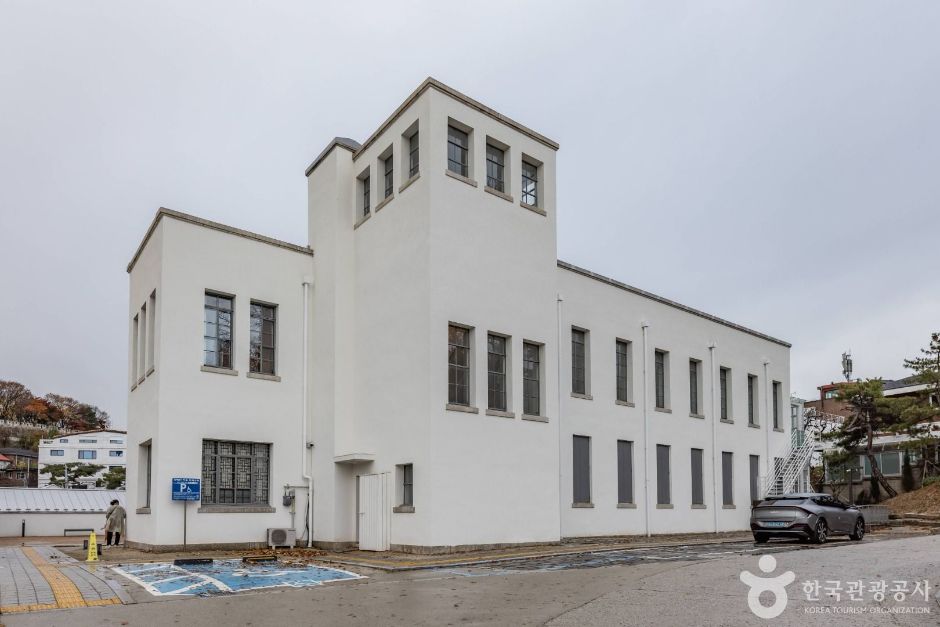
Kansong Art Museum (간송미술관(서울 보화각))
2.9Km 2025-06-30
102-11 Seongbuk-ro, Seongbuk-gu, Seoul
Kansong Art Museum was the first private art museum in Korea, opened as Bohwagak in 1938 by Kansong Jeon Hyeong-pil. The name was changed to the current Kansong Art Museum in 1966. Bohwagak was designated as National Registered Cultural Heritage No. 768 on December 30, 2019. Jeon Hyeong-pil dedicated his life to preserving and researching Korea’s representative relics that were devaluated and purposefully obliterated during the Japanese colonial era, as well as to acknowledging their cultural excellence and beauty. The museum houses 11 national treasures and 24 treasures.
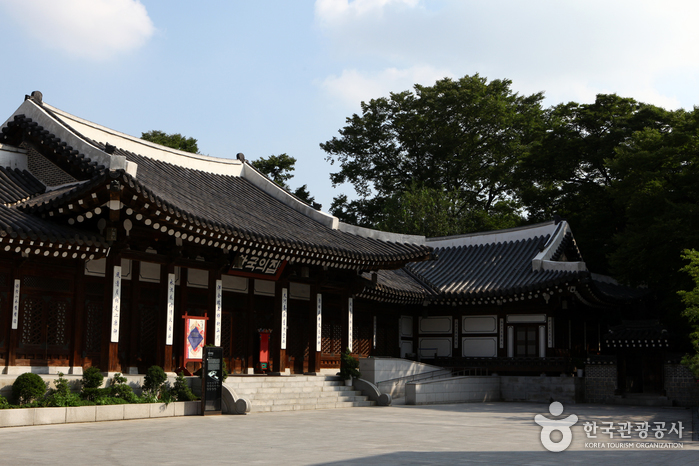
Korea House (한국의집)
2.9Km 2025-10-23
10, Toegye-ro 36-gil, Jung-gu, Seoul
The Korea House was opened in 1981. It is a traditional Korean building that introduces the culture and lifestyle of Koreans, where you can experience traditional architecture and a classical atmosphere. The building was built in the style of the Joseon Dynasty's Jagyeong-jeon building at the Gyeongbok Palace. It is the only building built in the traditional architectural style. You will feel its antiquity as you enter the building.
It is divided into the Haerin-gwan (a space for people to get acquainted with each other), the Traditional Theater, and three annex buildings (Munhyang-ru, Nokeum-jeong and Cheongwu-jeong). At Haerin-gwan, you can enjoy traditional music at Garak-dang and try traditional food at Sohwa-dang. In the square of Garak-dang you can view a traditional wedding (on the weekends) or people playing folk games. Also, at the Traditional Theater, about 156 seats are available, and in the afternoons Human Cultural Assets or members of the National Center for Korean Traditional Performing Arts and the National Corps members present traditional music and dances. Sinayui, Salpuri, Pansori, the Drum Dance and the Bongsan Mask Dance are the most popular programs for foreigners. The programs are all explained in English and Japanese.
In the Cultural Gift Shop you can view various crafts made by traditional craftsmen. It is always open and the crafts are for sale as well. There are pottery, ceramics, golden crafts, knots and embroidery etc; approximately 500 pieces of artwork made by craftsmen from 20 different fields. Next to the House of Korea is the Namsan-gol Hanok Village where visitors can explore traditional houses.
 English
 한국어
한국어 日本語
日本語 中文(简体)
 Deutsch
 Français
 Español
 Русский


