
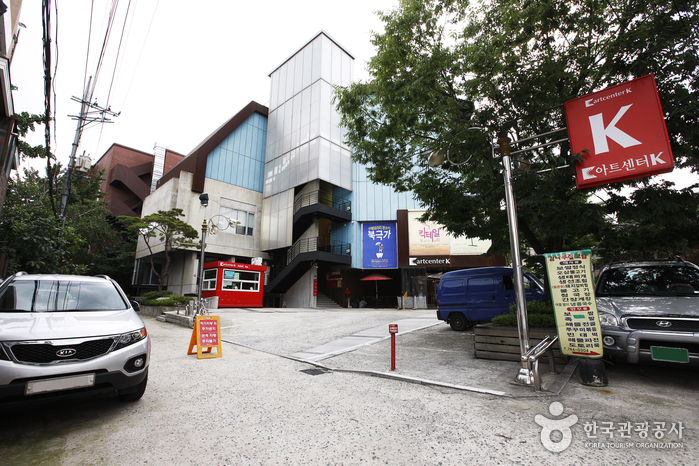
Art Center K (아트센터 K)
3.1Km 2022-09-08
101, Dongsung-gil, Jongno-gu, Seoul
Art Center K (formerly Wonder Space) opened in February 2012, offers art programs in Daehangno, a neighborhood of youth, romance and culture. It also supports artists through creative activities, exchanges, and trainings, while serving as a performing art hall where people can participate in artistic and creative activities.
Art Center K's three theaters feature unique stages and audience spaces: Donggeurami (Circular) Theater, Semo (Triangle) Theater, and Nemo (Square) Theater. One stage hosts fun and educational open-run performances for children, while the other two theaters offer popular plays, musicals, concerts, and other cultural events.
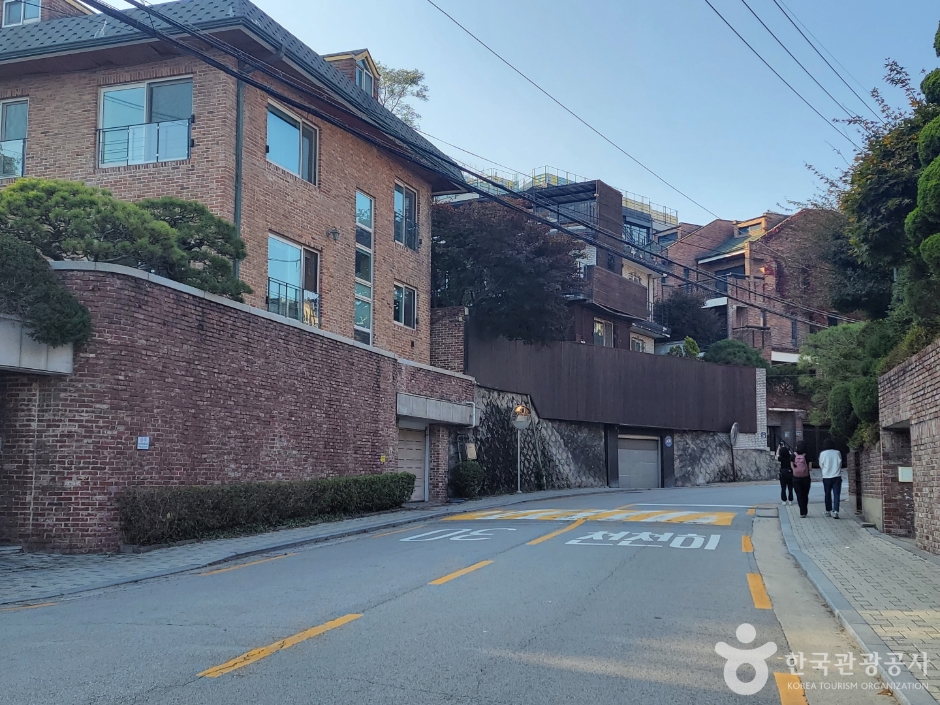
Seongbuk-dong–Bukchon Hanok Village Course (성북동고택북촌산책길)
3.2Km 2025-11-06
68, Seonjam-ro 5-gil, Seongbuk-gu, Seoul
The Seongbuk-dong–Bukchon Hanok Village Course is a nostalgic path connecting famous old houses in Seongbuk-dong and Bukchon Hanok Village, divided by the old city walls. Along the way, you'll find historic sites like Gilsangsa Temple, Jeongbeopsa Temple, Han Yong-un’s Simujang House, and novelist Lee Tae-jun's House. The trail also features charming cultural spots, such as the traditional tea house Sooyeon Sanbang and the Seongbuk Museum of Art.
◎ Travel information to meet Hallyu’s charm - "Parasite"
The scene in the alley where Ki-woo visited Mr. Park's house in a wealthy neighborhood for expensive tutoring was filmed in a residential area in Seongbuk-dong. Seongbuk-dong, an old wealthy village, has luxury mansions lined up in. There are many pretty cafés and galleries here and there, so it's good to take a leisurely look around. Mr. Park's house was a filming set, which was demolished after filming.
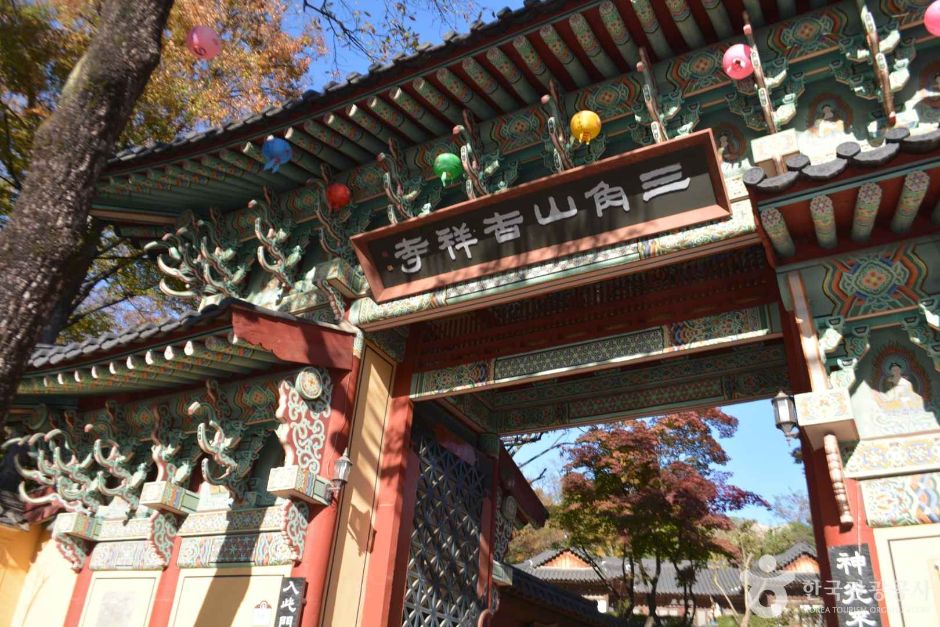
Gilsangsa Temple (Seoul) (길상사(서울))
3.2Km 2025-06-17
68 Seonjam-ro 5-gil, Seongbuk-gu, Seoul
+82-2-3672-5945
Gilsangsa Temple is a prominent temple located in Seongbuk-dong, Seoul. The name Gilsangsa means "a favorable and auspicious temple." Visitors can experience temple, participate in Buddhist practices, and even enjoy Templestay programs on weekends. In fall, visitors can admire red spider lilies and wildflowers, immersing themselves in the beauty of nature and finding inner peace.
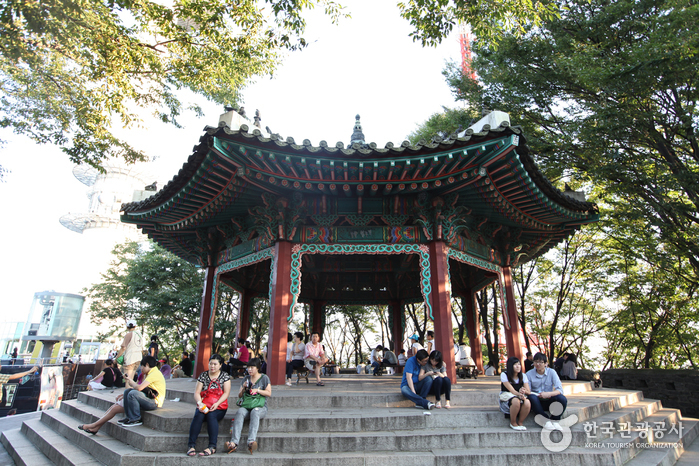
Namsan Octagonal Pavilion (남산 팔각정)
3.2Km 2021-06-19
105, Namsangongwon-gil, Yongsan-gu, Seoul
+82-2-3783-5900
Originally known as Unamjeong Pavilion, the pavilion was built in 1959 to commemorate Rhee Syngman. It was demolished by the 4.19 movement in 1960 and was rebuilt on November 11, 1968. This pavilion now sits atop Namsan Mountain, with views covering the entirety of Seoul below. As it is a prime spot to view the first sunrise of the year, the annual sunrise festival takes place every New Year's Day.
 English
 한국어
한국어 日本語
日本語 中文(简体)
 Deutsch
 Français
 Español
 Русский


