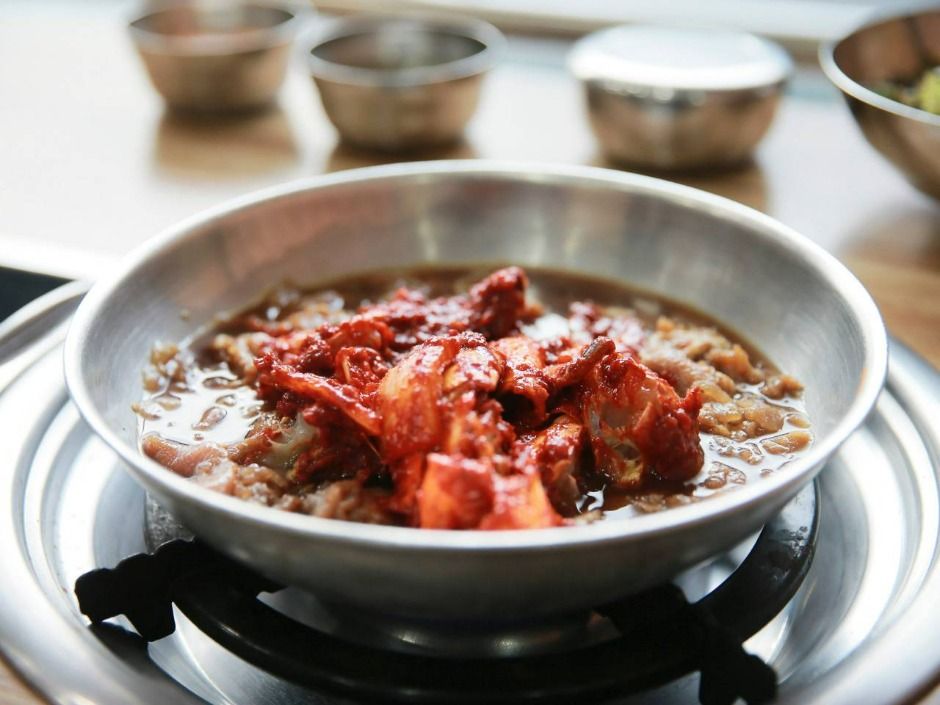
Sinchon Gisa Sikdang (신촌기사식당)
14.2Km 2025-09-15
408 Banghwa-daero, Gangseo-gu, Seoul
Sinchon Gisa Sikdang is a long-established restaurant with a long tradition, known for its generous portions and flavor, gaining word-of-mouth popularity and being featured in various television shows. In 2021, it was certified as a Long-standing Small Business by the Ministry of SMEs and Startups and the Small Enterprise and Market Service. The restaurant's representative menu is Bulkkot Baekban, which consists of dwaejibulbaek (pork bulgogi) and yangnyeom gejang (spicy marinated crab), ideal for two to three people. It's a great place to experience the authentic taste of a traditional restaurant with dishes like pork bulgogi and kimchi stew with fresh meat.
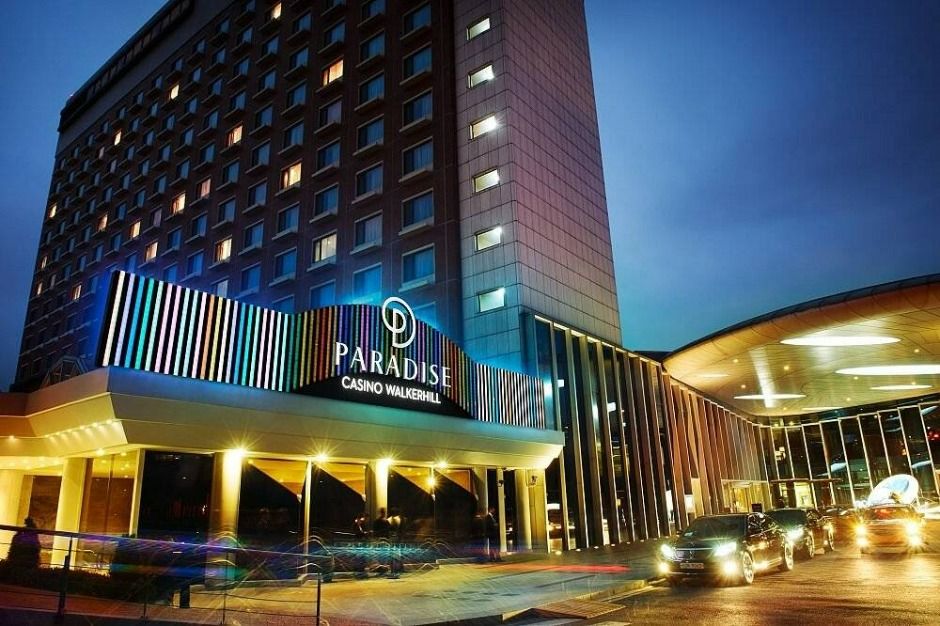
Paradise Casino Walker Hill (파라다이스 카지노 워커힐)
14.2Km 2025-05-16
177, Walkerhill-ro, Gwangjin-gu, Seoul
Paradise Casino Walker Hill is a foreigner-exclusive casino operating inside Walker Hill Hotel, from where guests can enjoy a fine view of the Hangang River nearby. The casino is open 24 hours a day, all year round, and offers baccarat, blackjack, roulette, and tai-sai tables among others, and a variety of slot machines as well. The game tables are run by expert dealers, and staff members are fluent in many languages to serve the customers’ needs.
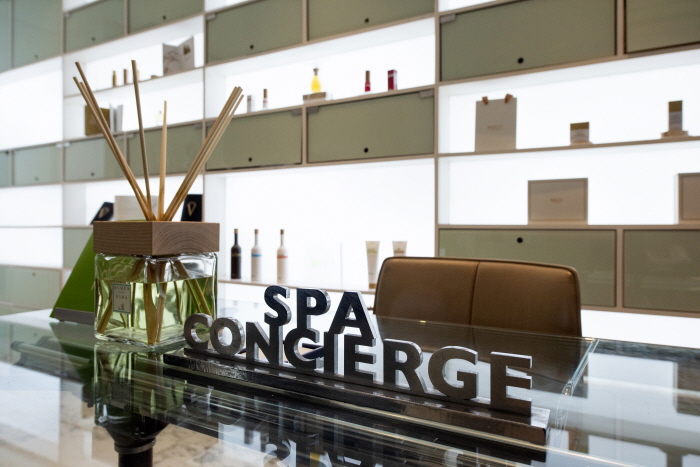
Vista Walkerhill Seoul, Wellness Club (비스타 워커힐 서울, 웰니스클럽)
14.2Km 2025-10-23
177, Walkerhill-ro, Gwangjin-gu, Seoul
Vista Walkerhill Seoul is nestled in Achasan Mountain like a cloud overlooking the Hangang River. It offers beautiful natural sceneries that cannot be found in downtown. A combination of high technology and nature adds vitality while allowing guests to relax surrounded by nature. A new space where humans, nature, and the future coexist. Vista Walkerhill Seoul leads a sustainable and luxurious culture through differentiated and creative lifestyle experiences.

Grand Walkerhill Riverpark (Outdoor swimming pool) (그랜드 워커힐 리버파크 수영장(야외수영장))
14.2Km 2022-12-21
177, Walkerhill-ro, Gwangjin-gu, Seoul
Grand Walker Hill Riverpark is a swimming pool using water comprised of alkali ingredients such as sodium and potassium from underground granite. Since it opened in 1994, the Riverpark is one of Seoul's most popular summer getaways to enjoy swimming. Located by the Hangang River and Achasan Mountain, it provides fresh air as well as the beautiful nature scenery. People can use any of the various facilities, including the main pool, lazy river, swimming pool for children, pool-side restaurant offering special summer lunch, and sun tanning beds.
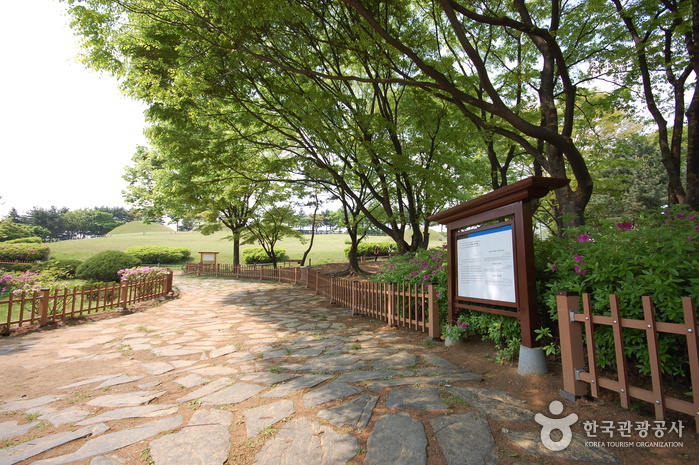
Seoul Bangidong Ancient Tombs (서울 방이동 고분군)
14.2Km 2022-12-29
219, Ogeum-ro, Songpa-gu, Seoul
The ancient tombs in Bangi-dong were discovered during the land readjustment project of Jamsil-jigu District in 1975. A total of eight ancient tombs were excavated until 1976, and the site was restored into a park in 1983. The Bangi-dong area was originally a low line of hills with an altitude of 30-50 meters above sea level, but it has been made into flatland for urban development purposes. Tomb numbers 1 to 6 lie on the same hill, while tomb no. 7 and 8 are located on another hill a short distance away.
All eight tombs have circular burial mounds. The insides of the a tomb feature a square or rectangular-shaped burial chamber with earthen ground and stone walls, and a passage leading from the tomb entrance to the chamber. However, details of the burial chambers vary by tomb. Most of the tombs had been robbed before the investigation, but a few relics such as plates and pots have been excavated. At the time of excavation, the relics were presumed to have come from the Baekje dynasty (18 BC-660 AD), but it is now estimated that they date back to the Unified Silla Period (676-935 AD).
Banghwa-dong Gyodong Jjamppong (방화동 교동짬뽕)
14.3Km 2025-10-23
21 Geumnanghwa-ro 24na-gil, Gangseo-gu, Seoul
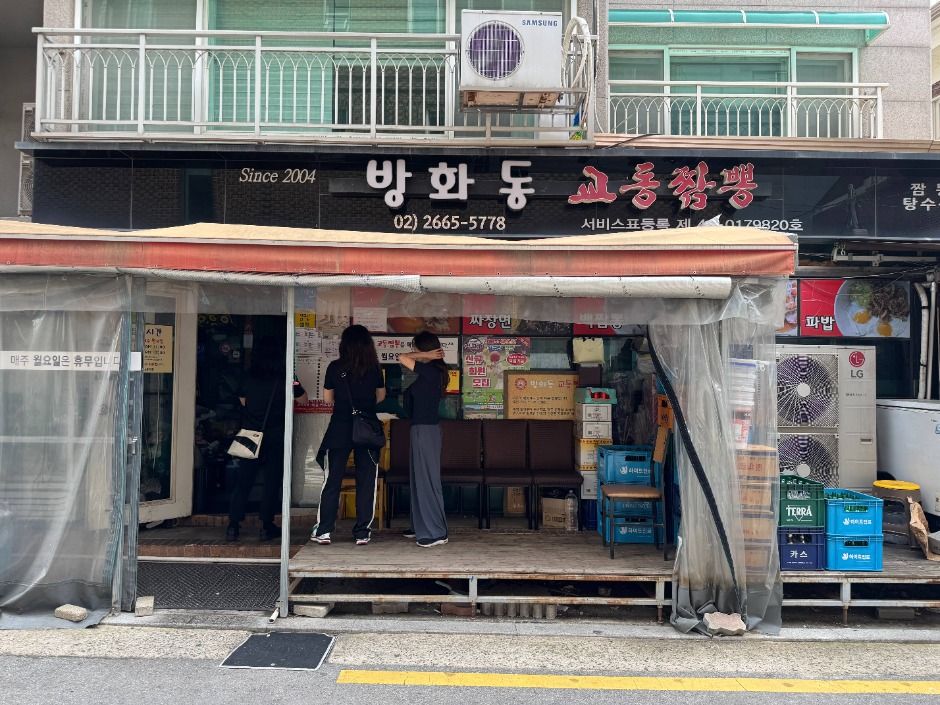
Located in Gangseo-gu, Seoul, Banghwa-dong Gyodong Jjamppong is a Chinese restaurant that serves mildly spicy jjamppong that everyone can enjoy. It also serves several other original menu items that appeal to children's preferences, making it a great place for families to eat out. The sweet and sour pork is crispy on the outside, soft on the inside, and full of flavor. The handmade dumplings are made everyday, carefully prepared with fresh ingredients and care. The restaurant sees a steady stream of local customers as well as travelers due to it's proximity to Gimpo Airport.
Bucheon Bow Museum (부천활박물관)
14.3Km 2021-12-23
482, Sosa-ro, Bucheon-si, Gyeonggi-do
Reflected by the outstanding performance of Korean archers at recent Olympic games, Koreans have an esteemed reputation for their skills in archery and craftsmanship. But this undoubted skill has historical precedent, as bows were an important weapon of war throughout Korean history. The Bucheon Bow Museum was established to show visitors the spirit of Korean archery, and demonstrate its ancestral traditions of bowyer craftsmanship. The museum houses traditional bows (gukgung), which are considered prized cultural pieces, and have been made by a Bucheon family, which has fostered a lineage of bowyers across five generations. In addition, the museum exhibits various pieces and articles related to archery.
Kkwonggogae Park (꿩고개공원)
14.4Km 2025-10-23
San 100beonji, Banghwa-dong, Gangseo-gu, Seoul
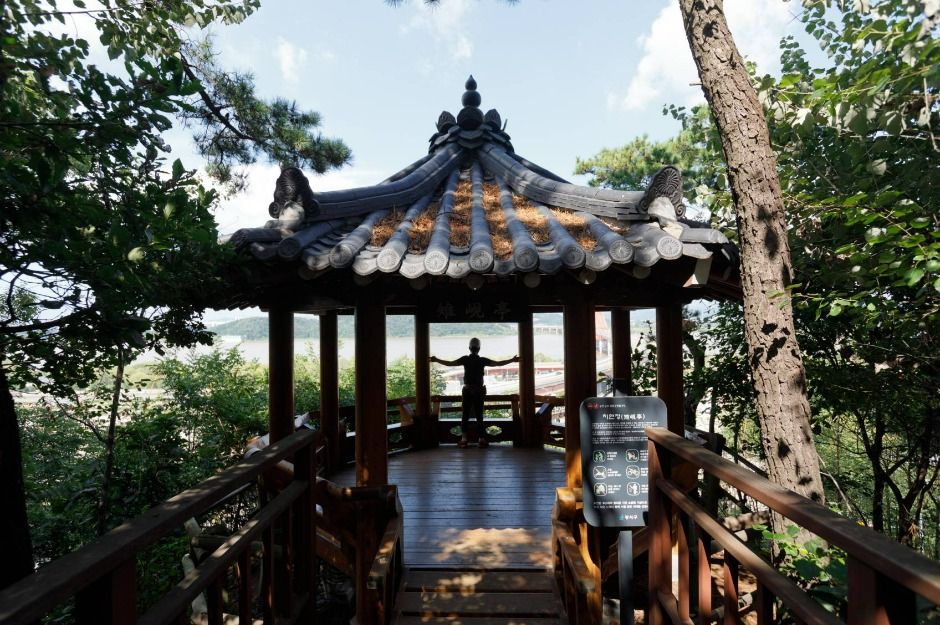
Kkwonggogae Park is an ecological forest where nature is preserved, located along the Hangang River, and has an excellent natural environment. Whereas the nearby Banghwa Community Park was founded for public service, Kkwonggogae Park was founded to preserve the existing habitats and ecosystems while serving as a passageway for small animals. Within the park is Chihyeonjeong Pavilion, Gangseo area's representative attraction for taking in the city nightscape. The hill's name, which can literally be translated as "Pheasant Hill Park," comes from the fact that this hill was a frequent pheasant hunting spot in the past. The park is located near Gagseo Dulle Trail Course No. 2.

Olympic Park (올림픽공원)
14.6Km 2023-10-19
424 Olympic-ro, Songpa-gu, Seoul
Olympic Park is an impressive leisure facility in which historic remains from the Baekje era share space with modern, state-of-the-art sports stadiums, an eco-friendly forest, and spacious grass fields. The legacy of the 1988 Seoul Olympics, the park not only houses the country’s largest sports arena, but has also become a place where Seoul residents come to relax and unwind.
Spread across approximately 1.45 million square meters, Olympic Park encompasses the land that was once Mongchontoseong Fortress and Mongchonhaeja (manmade lake) from the early Baekje period. The park is divided into several zones, including a leisure sports park, a cultural art park, an eco-park, and the History Experience Park dedicated to the area’s rich historic heritage.
Because Olympic Park is so large and takes over three hours to explore, visitors are advised to familiarize themselves with entrances and exits and travel routes before they start. To further save time, visitors can ride the Road Train (“Hodori Train”) located next to Peace Square.
Pungnap-dong Toseong Fortress (서울 풍납동 토성)
14.6Km 2025-01-10
Pungnap-dong, Songpa-gu, Seoul
Onjo, the progenitor of Kingdom Baekje, first settled in Wiryeseong Hanam. But exact location is still unknown. One thing for sure, however, is that Pungnaptoseong Fortress, Mongchontoseong Fortress, Bangidong Ancient Tombs of Baekje, Seokchondong Stone Mound Tomb of Early Baekje are the remains of Baekje. Pungnaptoseong Fortress faces Hangang River to its west and connects to Mongchontoseong Fortress to the south. To the northwest faces Achasanseong Fortress over Hangang River and far to the southeast is Namhansanseong Fortress.
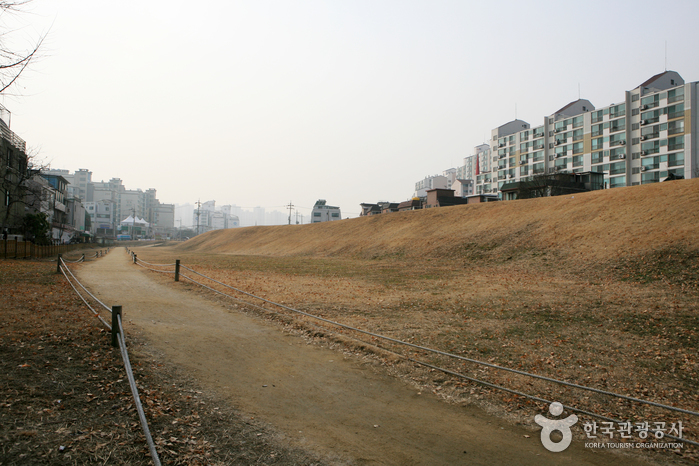
Pungnaptoseong Fortress, located at the south end of Cheonhodaegyo Bridge over Hangang River, is one of the remains of Early Baekje. Originally, the fortress was 4km in circumference, but due to massive overflowing of Hangang River during flood season in 1925, most of the fortress was lost and only 2.7km of it remains. To the east of the fortress are 4 vestiges of the fortress gates. The remains from the prehistoric era through the Samguk (Three States) era have been unearthed, indicating that this place was a residential area well before the Baekje Era. Through vigorous excavation, some people suggest that there used to be a palace located here during the Baekje Era.
 English
 한국어
한국어 日本語
日本語 中文(简体)
 Deutsch
 Français
 Español
 Русский


