![Olive Young - Sangdo Station Branch [Tax Refund Shop] (올리브영 상도역)](http://tong.visitkorea.or.kr/cms/resource/23/2880023_image2_1.jpg)
Olive Young - Sangdo Station Branch [Tax Refund Shop] (올리브영 상도역)
5.6Km 2024-04-18
257, Yangnyeong-ro, Dongjak-gu, Seoul
-
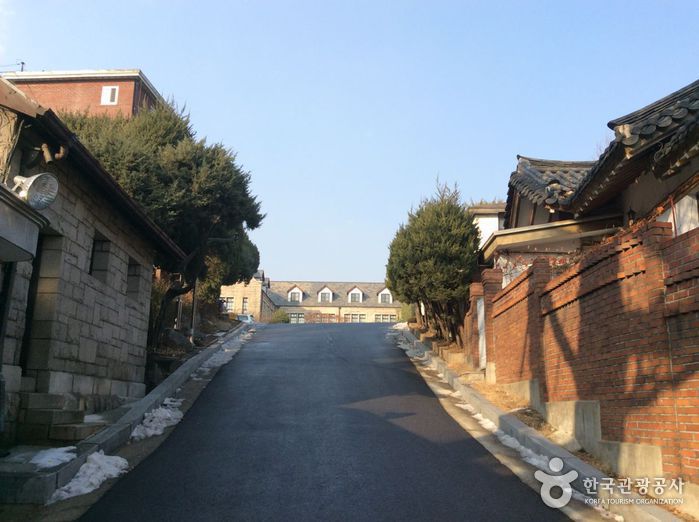
Choong Ang High School (중앙고등학교)
5.6Km 2025-10-23
164 Changdeokgung-gil, Jongno-gu, Seoul
+82-2-742-1321
Choong Ang High School is located in Jong-ro near Samcheongdong-gil. It was built to educate the public at the beginning of the 20th century. The school’s main building was reconstructed in 1937 after the original two-story brick house was destroyed in 1934. The main building situated in front of the main gate is a two-story H-shaped granite stone building in Gothic style, with a four-story tower in the middle.
The school holds historical significance because it was designed by Park Dong Jin, one of Korea's first modern architects and the designer of Korea University’s main building, library, and the Chosun Ilbo Newspaper Company building. The main building of Choong Ang High School is designated as Historic Site No. 281. Many national leaders were educated at the gothic building during the grim period when Korea was trying to escape Japanese colonial rule.
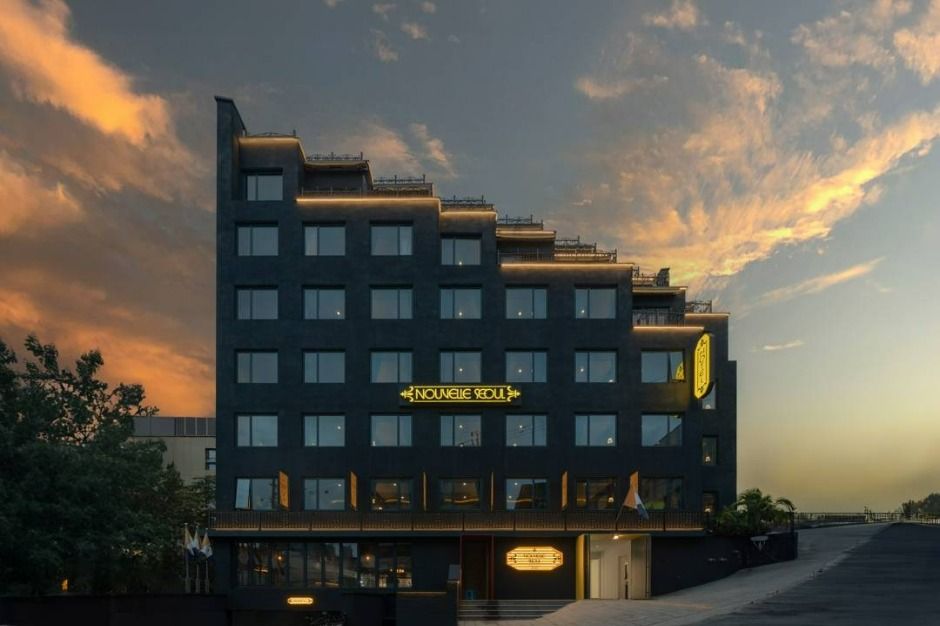
The Hyoosik Nouvelle Seoul Itaewon (더휴식 누베르 서울 이태원점)
5.6Km 2025-04-08
11 Usadan-ro 14-gil, Yongsan-gu, Seoul
The Hyoosik Nouvelle Seoul Itaewon aims to rediscover Seoul through creativity and inspiration. The overall design of the hotel is inspired by French avant-garde, using a variety of objects and props to create an artistic and stylish atmosphere. The hotel has Collection T room type, a twin bedroom; Collection D room type, a double bedroom; and Collection S room type, a single bedroom. On the first floor of the hotel is a guest lobby and a pasta restaurant. The hotel's parking lot is limited in space, and therefore guests are advised to use a nearby public parking lot.

Leeum, Samsung Museum of Art (삼성미술관 리움)
5.7Km 2022-12-15
60-16, Itaewon-ro 55-gil, Yongsan-gu, Seoul
+82-2-2014-6901
Leeum, Samsung Museum of Art, exhibits traditional and modern art works by Korean and international artists. The museum itself is just as fascinating as the art works on display, since the museum's three buildings were designed by internationally renowned architects Mario Botta, Jean Nouvel, and Rem Koolhaas.
MUSEUM 1 houses traditional Korean art, such as calligraphy, paintings, ceramic arts, and metal craftwork, while MUSEUM 2 displays modern and contemporary art by both Korean and international artists.
![Olive Young - Mullae Branch [Tax Refund Shop] (올리브영 문래)](http://tong.visitkorea.or.kr/cms/resource/28/3314428_image2_1.jpg)
Olive Young - Mullae Branch [Tax Refund Shop] (올리브영 문래)
5.7Km 2024-06-27
63, Seonyu-ro, Yeongdeungpo-gu, Seoul
-
Samcheong Park (삼청공원)
5.7Km 2024-03-18
44, Insadong-gil, Jongno-gu, Seoul
+82-2-2148-4150
Samcheong Park is a park that blooms in cherry blossoms in spring and fall colors in fall near Gyeongbokgung Palace. The park is home to a forest library and a café, and visitors can follow the trails to find acupressure trails, exercise equipment, badminton court, tennis court, playground, and a convenience store. The area surrounding the park is home to many galleries and restaurants, so it is a popular destination for walking among the people of Seoul.
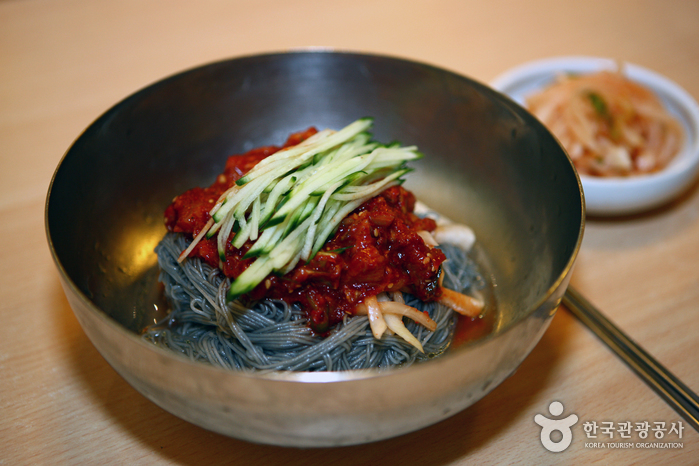
Ojang-dong Hamheung Naengmyeon (오장동 함흥냉면)
5.7Km 2024-02-22
108 Mareunnae-ro, Jung-gu, Seoul
Ojang-dong Hamheung Naengmyeon originated when grandma Han Hyesun, who migrated from Hamgyeongnam-do to Seoul during the Korean War, began selling Hamheung-style "nongma guksu (starch noodles)," eventually naming it Hamheung naengmyeon (Hamheung cold buckwheat noodles). Its signature dish, bibim naengmyeon (spicy buckwheat noodles), features chewy noodles infused with a tangy-sweet seasoning, showcasing the expertise behind its preparation. Alongside the flavorful broth served as a base, the menu also includes variations like hoe naengmyeon (cold buckwheat noodles with raw fish), mul laengmyeon (cold buckwheat noodles), suyuk (boiled pork slices) and mandu.
Woo Lae Oak (우래옥)
5.7Km 2024-03-07
62-29 Changgyeonggung-ro, Jung-gu, Seoul
+82-2-2265-0151
Woo Lae Oak is a Pyeongyang naengmyeon (Pyeongyang cold buckwheat noodles) restaurant established in 1949. Its signature dish is the Pyeongyang naengmyeon, known for their clean and light broth. Alongside the onmyeon (warm noodles), they also serve bulgogi, which complements the warm broth perfectly. The restaurant is renowned to the extent that customers often line up to dine, and it was selected for the Michelin Guide 2023.
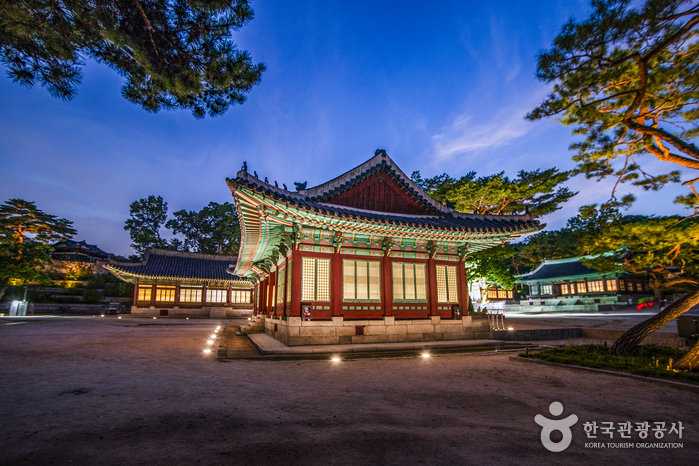
Changgyeonggung Palace (창경궁)
5.7Km 2024-10-31
185 Changgyeonggung-ro, Jongno-gu, Seoul
+82-2-762-4868
Located in the heart of Seoul, Changgyeonggung Palace was originally built as Suganggung Palace by the 4th ruler of the Joseon dynasty, King Sejong (r.1418-1450), for his retiring father, King Taejong. It often served as residential quarters for queens and concubines. During the reign of King Seongjong (r.1469-1494), the palace was renovated and renamed to Changgyeonggung Palace. It later became a park with a zoo and a botanical garden during Japanese colonial rule. The palace grounds remained this way until 1983 when restoration of its old grace was completed.
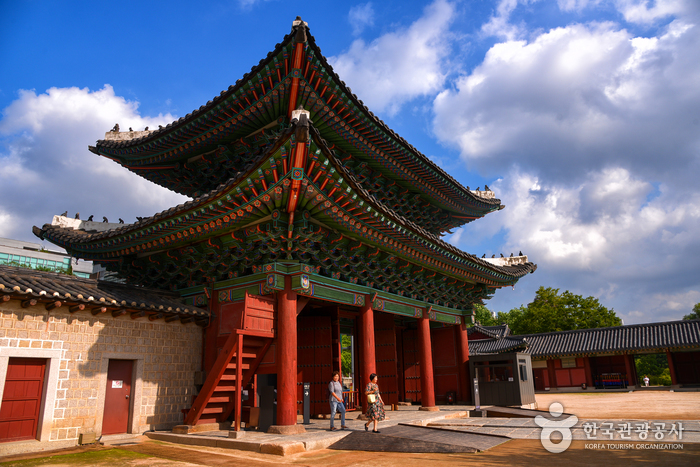
Changgyeonggung Palace Honghwamun Gate (창경궁 홍화문)
5.7Km 2021-05-27
99, Yulgok-ro, Jongno-gu, Seoul
+82-2-762-4868
Honghwamun Gate is the main gate of Changgyeonggung Palace. It has three opening gates in the front and two to the side with a sophisticated locking mechanism.
 English
 한국어
한국어 日本語
日本語 中文(简体)
 Deutsch
 Français
 Español
 Русский


