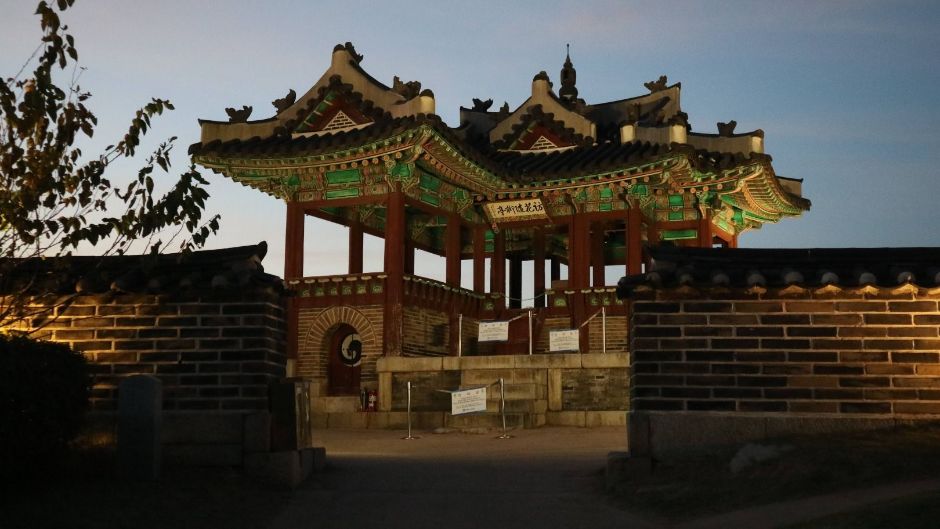
Banghwasuryujeong Pavilion (방화수류정(동북각루))
14.9Km 2025-05-22
44-6 Suwoncheon-ro 392beon-gil, Paldal-gu, Suwon-si, Gyeonggi-do
+82-31-228-4672
Banghwasuryujeong Pavilion, officially called Dongbukgangnu Pavilion, was built in 1794 during the construction of Suwon Hwaseong Fortress. It sits atop a hill east of Hwahongmun Gate and offers beautiful views of the surrounding scenery. For this reason, the pavilion received the nickname Banghwasuryujeong, meaning a pavilion where one can "find flowers and stroll among willow trees." The pavilion was once damaged due to flooding and reconstructed in 1848, followed by continuous recovery and preservation efforts. In 2011, the pavilion was designated as Treasure No. 1709. Banghwasuryujeong Pavilion is evaluated as one of the most original architectures in Hwaseong for its unique composition and roof design that offer a different look depending on the viewer's angle. Known to be the spot where King Jeongjo would stop by to rest on his way to Hwaseong Fortress, the pavilion offers a bird's-eye-view of Yeonmudae Post to the east and Janganmun Gate to the west with Paldalsan Mountain in the background.
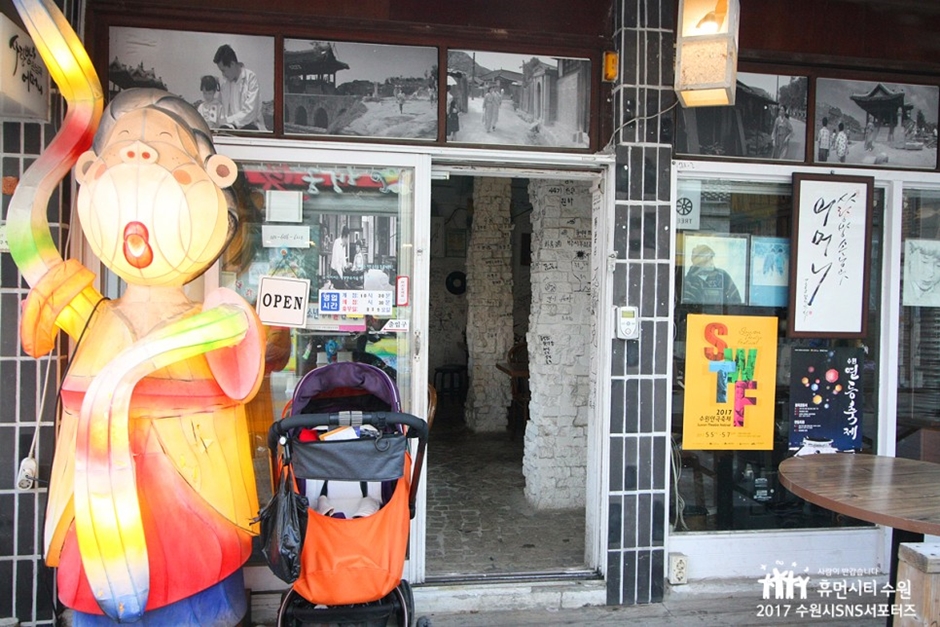
Nammun Rodeo Market (남문로데오시장)
15.0Km 2025-05-21
88 Haenggung-ro, Paldal-gu, Suwon-si, Gyeonggi-do
Nammun Rodeo Market is a popular spot among youngsters and couples for its unique cafes and Saturday Market, which bring art and culture together. There is a variety of cafes, jewelry shops, noraebang (karaoke rooms), and other stores, making it a great place to visit with the family or on a date.
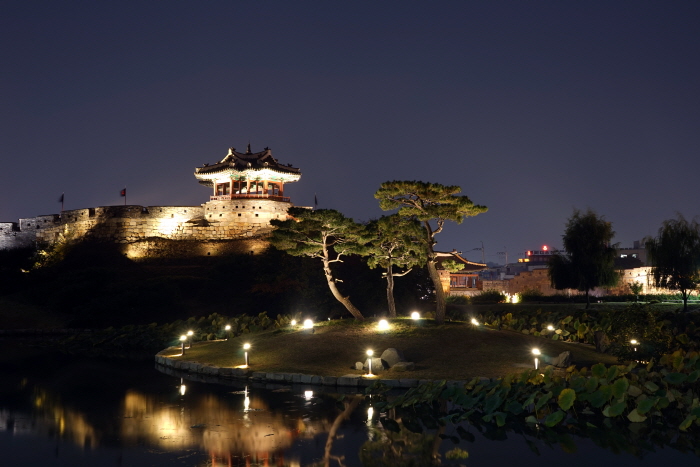
Suwon Hwaseong Special Tourist Zone (수원화성 관광특구)
15.0Km 2025-10-24
780 Jeongjo-ro, Paldal-gu, Suwon-si, Gyeonggi-do
Hwaseong Fortress, Suwon, was built by King Jeongjo, the 22nd ruler of the Joseon dynasty, when he moved the tomb of his father, Crown Prince Sado, to Hwasan Mountain in Suwon. Because of its high historical and cultural value, it was designated as a UNESCO World Heritage Site in 1997. In 2016, the Hwaseong Fortress area, ranging from Paldalsan Mountain to Jangan Park, Yeonmudae Command Post, and Paldalmun Market, was designated as a special tourist zone, establishing itself as a representative tourist destination in Suwon visited by many tourists.
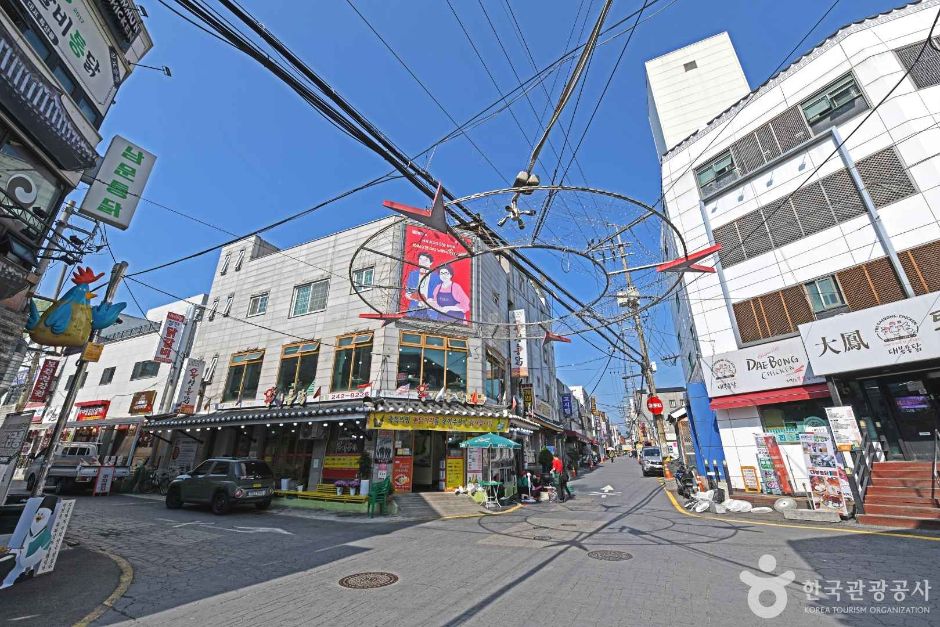
Suwon Chicken Street (수원통닭거리)
15.0Km 2025-05-22
16 Jeongjo-ro 800beon-gil, Paldal-gu, Suwon-si, Gyeonggi-do
Suwon Chicken Street, located in a small 100 m-long alley on Paldal-ro, Paldal-gu, Suwon, is where about 11 stores, ranging from the original store that opened in 1970 to new ones, serve fried whole chicken. It is the tradition of Suwon Chicken Street to pour oil into a large cauldron and fry chicken. The menu only consists of fried chicken and seasoned fried chicken, but they are gaining popularity for their savory taste, different from those of famous chicken brands. In Suwon Chicken Street, you can meet the granny of “Maehyang Tongdak,” who has been selling fried chicken in Suwon Chicken Street since the 1970s using the chicken she raised in a chicken coop on a stall, as well as the famous “Yongseong Tongdak" and “Jinmi Tongdak" in this alley. The chicken price is low, so you don't have to worry about it. Thanks to plentiful servings and unique taste, the shops on this street are crowded with customers from all over the country, including students, who come having heard of the place by word of mouth.
Paldalmun Market (팔달문시장)
15.0Km 2025-10-28
17 Jeongjo-ro 770beon-gil, Paldal-gu, Suwon-si, Gyeonggi-do
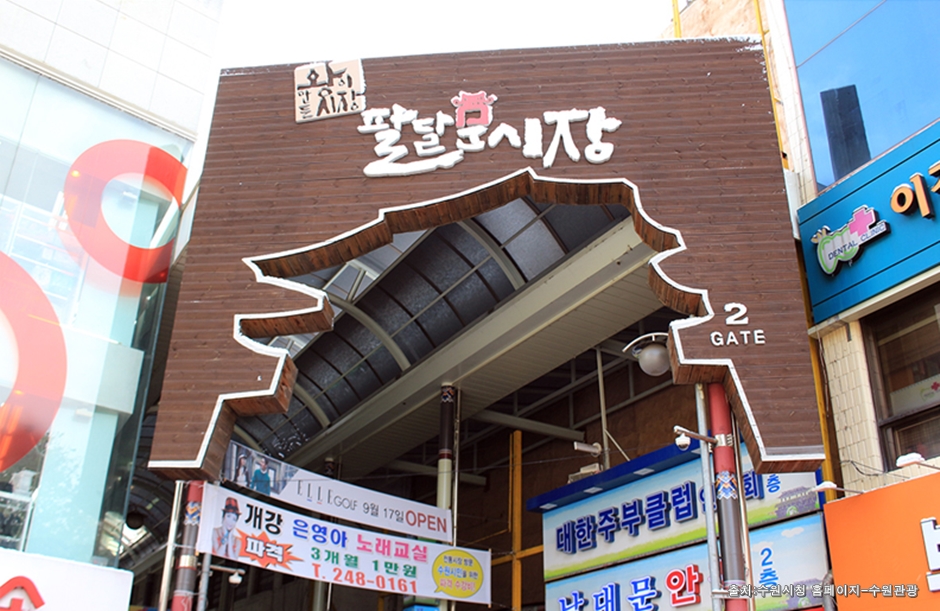
There are 9 traditional markets around Suwon's South Gate. Among them, in Paldalmun Market, there is a whole chicken street that stretches for about 400m, so many people visit it. The old-fashioned way of frying the whole chicken in a large cauldron and the unique seasoning preserve its flavor. After visiting other connected markets, you can complete your Suwon tour by walking through the Hwaseong Fortress, a UNESCO World Heritage Site.
Suwon Hwaseong Museum (수원화성박물관)
15.1Km 2021-12-21
21, Changnyong-daero, Paldal-gu, Suwon-si, Gyeonggi-do
+82-31-228-4242
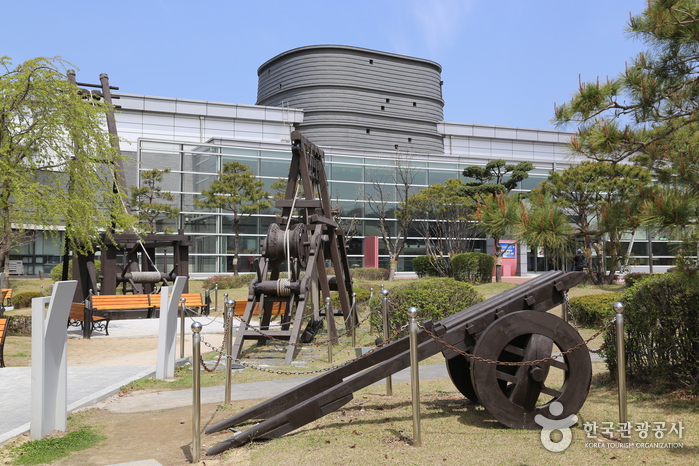
Suwon Hwaseong Museum presents the history and culture of Suwon Hwaseong Fortress, an important Korean cultural asset and UNESCO World Cultural Heritage Site. Visitors to the museum can learn about the formation of the fortress and the city of Suwon itself through detailed, systematically designed exhititions. The museum houses an extensive collection of items that showcase the construction and development of the fortress, as well as gatherings and events that took place within the fortress.
Suwon Hwaseong Museum Themed Exhibition Banghwasuryujeong Pavilion (수원화성박물관 테마전 방화수류정)
15.1Km 2025-07-14
21 Changnyong-daero, Paldal-gu, Suwon-si, Gyeonggi-do
+82-31-228-4209
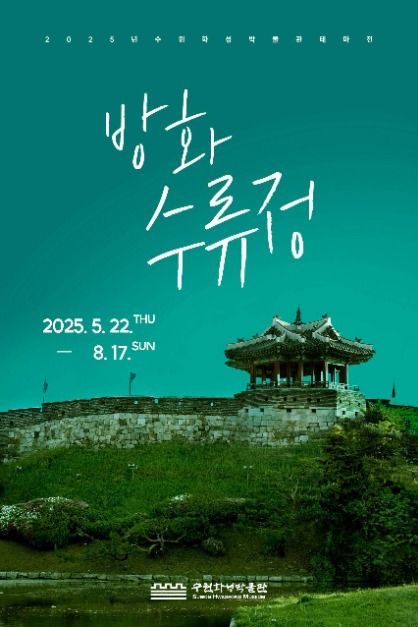
Banghwasuryujeong Pavilion stands looking over the Hwahongmun Gate and Yongyeon Pond and is a place where the aspirations of King Jeongjo live on. Suwon Hwaseong Fortress has a total of four pavilions, and Banghwasuryujeong Pavilion is located on the northwestern side of the fortress. The fortresses were built to act as a watchtower for keeping an eye on outside invasion, with Banghwasuryujeong Pavilion being located at the most strategic point. Although it was built as a military watchtower, it was designed to also act as a pavilion, and Banghwasuryujeong Pavilion was recognized as a National Treasure in 2011 for outstanding techniques and aesthetics that represent the Joseon dynasty in the 18th century.

Hwacheong Galbi (화청갈비)
15.2Km 2025-01-22
12 Changnyong-daero 41beon-gil, Paldal-gu, Suwon-si, Gyeonggi-do
This restaurant offers galbi jeongsik, a set meal featuring Suwon wanggalbi at a reasonable price. Available only at lunchtime, the set includes grilled galbi, steamed rice, and a variety of side dishes, making for a satisfying and filling meal. Located near Hwaseong Fortress and the vibrant Haenggung-dong area (also known as Haengnidan Street), it’s an ideal spot to enjoy a meal after exploring Suwon's famous sights.
Oido Island (오이도)
15.2Km 2025-05-08
175 Oido-ro, Siheung-si, Gyeonggi-do
Located off the western coast of the city of Siheung, Oido Island was originally an island and then connected to the mainland during the Japanese occupation as its tidal flats were used as a salt plant. During the day, the blue sea and the red lighthouse, the symbol of Oido, create a picturesque scene. In the evening, visitors can enjoy the spectacular sight of red sunsets over the sea. It also includes the largest prehistoric site on the west coast. The expansive tidal flats are home to a wide variety of creatures, attracting seasonal migratory birds.
Yeonmudae (Dongjangdae) (연무대 (동장대))
15.3Km 2025-10-23
20, Changnyong-daero 103beon-gil, Paldal-gu, Suwon-si, Gyeonggi-do
+82-31-228-4686
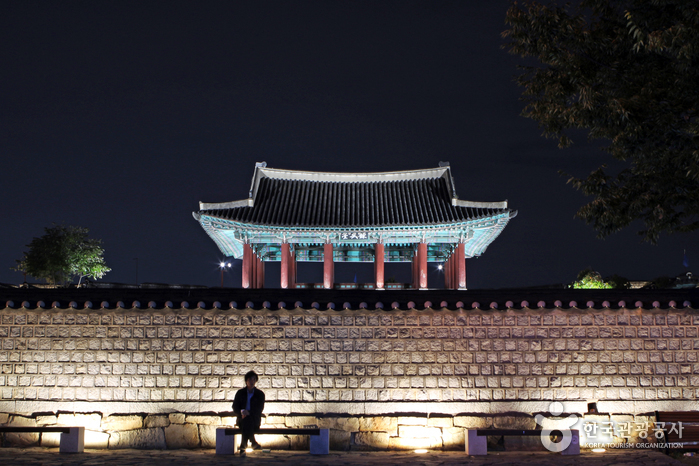
Yeonmudae located inside Suwon's Hwaseong Fortress, a UNESCO World Heritage site. Situated on a relatively high hill between Changnyongmun (the east gate of the fortress) and Hwahongmun (a north floodgate), Yeonmudae is an excellent military observation post with sweeping views of the inside of the fortress. After the fortress was completed in 1796, Yeonmudae was used as a training ground for troops for over two centuries, where they learned fighting skills involving swords, spears and arrows.
At Yeonmudae, visitors can learn archery while wearing traditional military attire; the fortress also offers a wide array of performances for visitors to appreciate traditional Korean culture. Yeomudae is included in the Suwon City Tour course.
 English
 한국어
한국어 日本語
日本語 中文(简体)
 Deutsch
 Français
 Español
 Русский


