Suwon Hwaseong Cultural Festival (수원화성문화제)
14.4Km 2025-07-09
825 Jeongjo-ro, Paldal-gu, Suwon-si, Gyeonggi-do
+82-31-228-3920
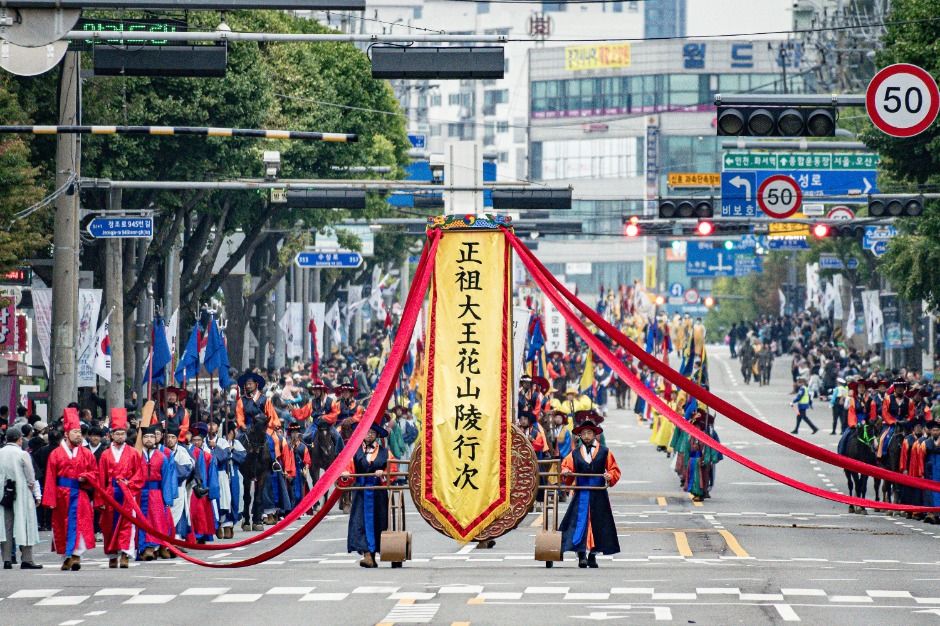
Hwaseong Fortress, a UNESCO World Heritage Site, hosts the Suwon Hwaseong Cultural Festival every autumn. The festival’s main event is the “King Jeongjo’s Royal Parade,” a reenactment of King Jeongjo’s procession to pay respects to his father Crown Prince Sado’s tomb. This spectacular event features over 4,000 participants in traditional Joseon-era costumes marching along a 59km route. The “King Jeongjo’s Dasobangwa” program, offering a taste of royal court cuisine served for the Banquet of Lady Hyegyeong-Gung Hong, is especially popular among international tourists. Additionally, the festival includes fortress-building experiences, night tours, and various reenactment events and performances, all linked to Hwaseong Fortress, Suwon.
◎Hwaseong Fortress, Suwon
This planned city was built by King Jeongjo during the Joseon Dynasty. It is considered a pinnacle of Korean fortress culture, incorporating the advanced technologies of its time.
![Suwon Hwaseong Fortress [UNESCO World Heritage] (수원 화성 [유네스코 세계유산])](http://tong.visitkorea.or.kr/cms/resource/36/2613036_image2_1.jpg)
Suwon Hwaseong Fortress [UNESCO World Heritage] (수원 화성 [유네스코 세계유산])
14.4Km 2025-08-06
Yeonghwa-dong, Jangan-gu, Suwon-si, Gyeonggi-do
+82-31-290-3600
Suwon was one of four main regional government centers during the Joseon dynasty. Hwaseong Fortress, built to protect the city, was designated as a UNESCO World Cultural Heritage Site on December 12, 1997 for its historical value. The fortress offers various performances daily as well as the Suwon Hwaseong Cultural Festival every fall. The walls stretch for 5,700 kilometers, with Paldalsan Mountain at the center. The fortress, constructed from 1794 to 1796, was built as a display of King Jeongjo’s filial piety towards his father and to build a new pioneer city with its own economic power.
Sorae Fish Market (소래포구 종합어시장)
14.4Km 2025-10-23
12 Soraeyeok-ro, Namdong-gu, Incheon
+82-32-719-1522
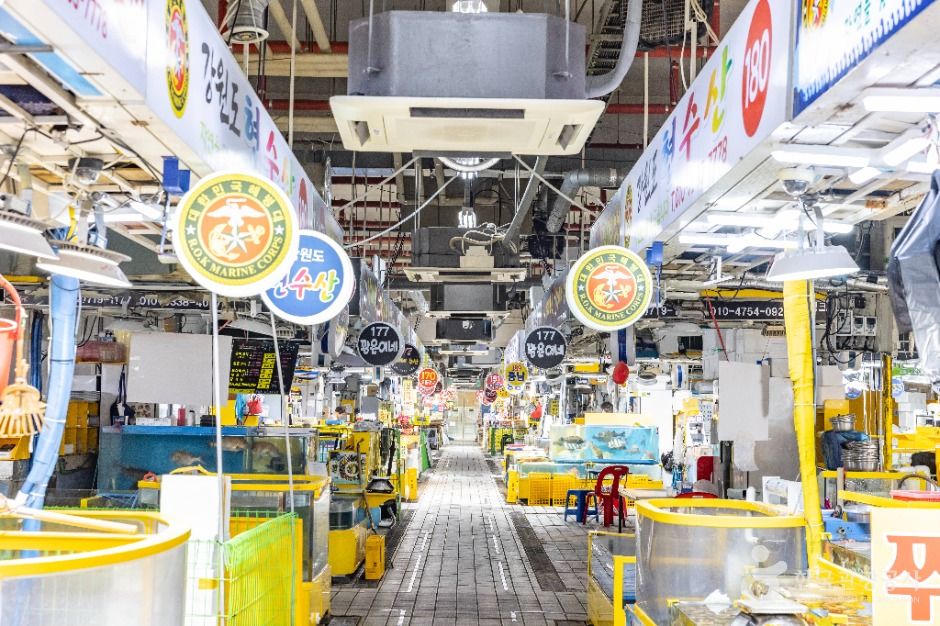
Sorae Fish Market welcomes visitors all year round with its capability to offer fresh fish. During spring, crab can be bought fresh from the catch, and during kimchi season, many Koreans visit to but salted seafood. The market was renovated to offer visitors with a clean and fresh environment. The heating and cooling system, as well as large parking area and quick delivery service makes shopping here more enjoyable. There are also many attractions and festivals that happens near the market.
Soraepogu Pocha Street (소래포구 포차거리)
14.4Km 2024-02-15
12 Soraeyeok-ro, Namdong-gu, Incheon
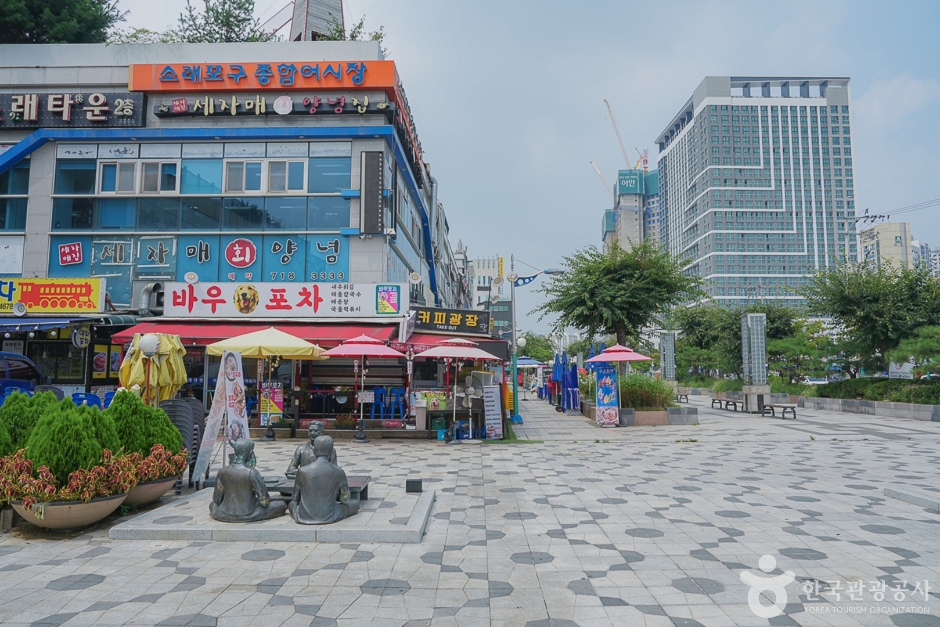
Located just in front of the Sorae Fish Market, Soraepogu Pocha Street comes alive in the evening as a vibrant street filled with food stalls. Visitors are treated to an array of fresh seafood dishes, including daeha sogeum gui (salt-grilled prawn), kkotgejjim (steamed blue crab) and kkotge twigim (fried blue crab). Additionally, patrons have the unique opportunity to purchase hoe (sliced raw fish), directly from the fish market and pair it with the street food offerings.

Haengnidan Street (행리단길)
14.5Km 2025-06-18
43 Hwaseomun-ro, Paldal-gu, Suwon-si, Gyeonggi-do
Haengnidan Street is a stretch of approximately 612 meters from Hwahongmun Gate of Hwaseong Fortress to Hwaseo Park. The name Haengnidan Street originates from Haenggung-dong (Haenggung referring to the king's temporary palace) and Gyeongnidan Street, a popular area in Itaewon, Seoul. This vibrant district seamlessly blends tradition and modernity, featuring a variety of unique restaurants, stylish cafés, concept stores, and exhibition spaces. It has become one of Suwon's most iconic attractions.
Sorae Marsh Ecological Park (소래습지생태공원)
14.5Km 2023-01-12
77, Sorae-ro 154beon-gil, Namdong-gu, Incheon
+82-32-435-7076
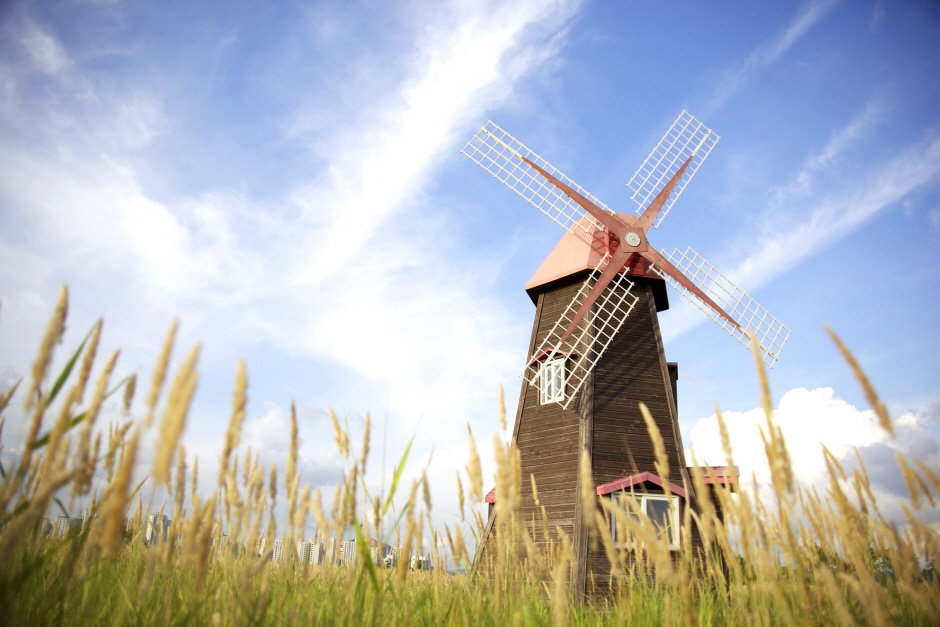
Sorae Marsh Ecological Park is located on a vast plot of land in Incheon. The park first opened in June 1999 at the site of an old saltern on a 660,000 ㎡ plot but has expanded over the years to an area of 3.5 million ㎡. The previous salt storage has been converted into an ecology exhibition space, displaying the history of the area as well as the plants and animals that live here. The park expanded in April 2001 with the addition of the Ecology Hall and Nature Learning Center, offering various educational experience opportunities. The walking paths by the salt storage and the windmill are especially popular photo points. Many people visit in fall for the shimmering silver grass, said to appear in many colors depending on the lighting. The park amenities, including rest areas and benches, make the park a popular destination for families and couples.
Mong Ted (몽테드)
14.6Km 2025-11-06
14 Hwaseomun-ro 48beon-gil, Paldal-gu, Suwon-si, Gyeonggi-do
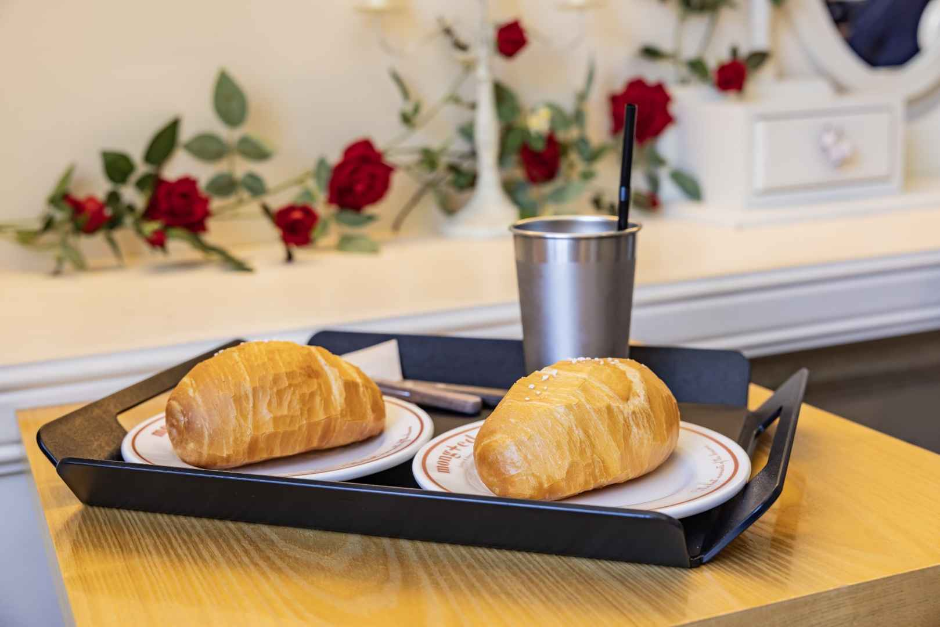
◎ Travel information to meet Hallyu’s charm – TV series “Lovely Runner”
Café Mong Ted appears as Sol’s house in the drama, with the blue-gate house across the alley as Sun-jae’s residence. Take a stroll down the alley, perhaps with a yellow umbrella, to feel like the characters in “Lovely Runner.”
Gloucester Hotel Incheon (글로스터호텔 인천)
14.6Km 2024-12-23
36 , Soraeyeok-ro, Namdong-gu, Incheon
+82-32-460-1100
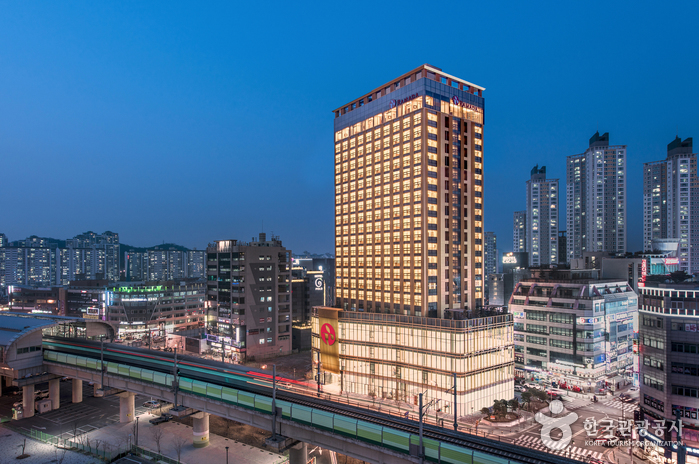
Gloucester Hotel Incheon stands in downtown Incheon overlooking Sorae Port. It offers a range of rooms including ondol rooms, bedroom-style rooms with kitchen facilities, and kids rooms. Some rooms have a bathtub. Additional facilities include a meeting room and business center, a coin operated laundry, and a breakfast buffet in the 3rd floor Glory Hall. The night view from the Sky Lounge bar on the 17th floor is spectacular. Soraepogu Station is a 5-minute walk away, while Soraepogu Fish Market and Sorae Wetland Ecological Park are also nearby.
Siheung Oido Museum (시흥오이도박물관)
14.6Km 2025-10-27
332 Oido-ro, Siheung-si, Gyeonggi-do
The place of Kuk Yeonsoo and Choi Ung's hug from behind
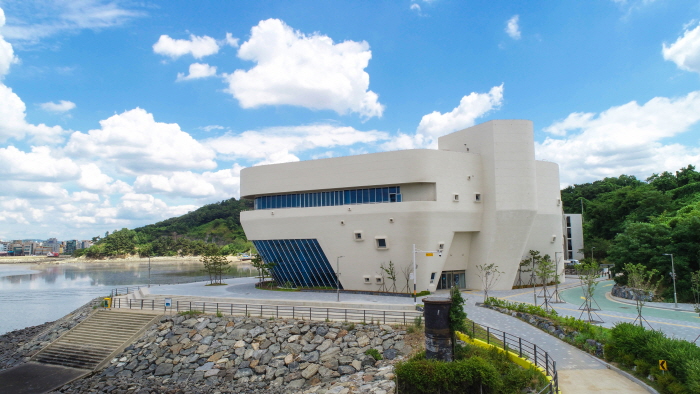
Oido, an island that was isolated from the mainland until 100 years ago, became inland with the creation of the Gunja Salt Farm and the construction of the Sihwa Embankment. It is the largest shell mound historic site on the west coast, and various Neolithic artifacts have been excavated, and the entire island has been designated as Historic Site No. 441. Inside the museum, which records the history of Oido, there are various interesting experiences and exhibitions that give a glimpse of life in the Neolithic Age. Outside the building, there is an overpass with many pillars where Kuk Yeonsoo gave Choi Ung a back hug. On the floor of the branch, there is a sticker that reads ‘Our Beloved Summer’, so it's good to take a commemorative photo.
Temporary Palace at Hwaseong Fortress (Hwaseong Haenggung Palace) (화성행궁)
14.7Km 2025-05-22
825 Jeongjo-ro, Paldal-gu, Suwon-si, Gyeonggi-do
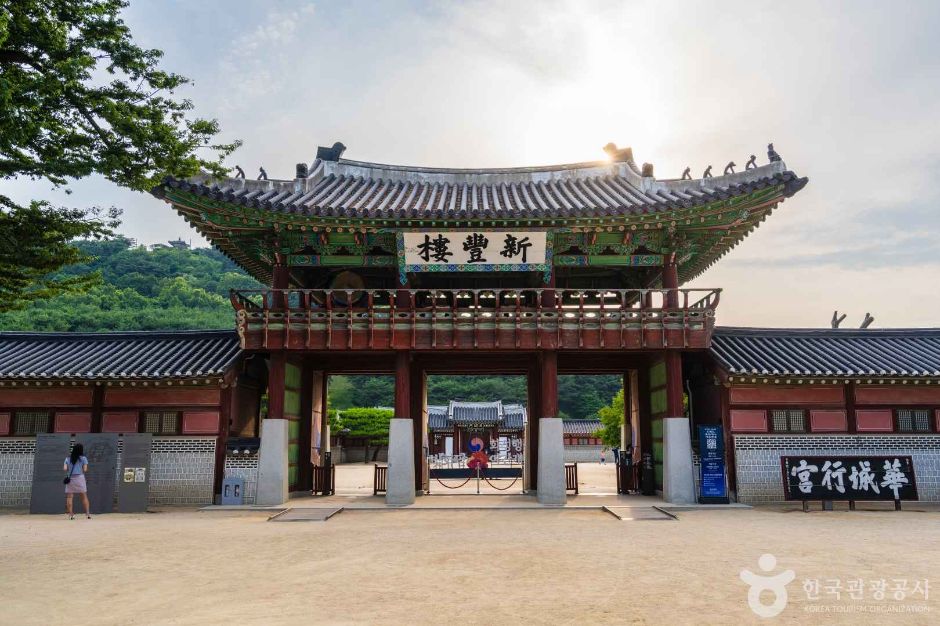
A haenggung is a temporary palace where the king and royal family retreated to during a war. Hwaseong Haenggung Palace is the largest one of these, used by the Joseon kings since the time of King Jeongjo (r. 1776-1800). In addition to being used as a shelter during war, King Jeongjo also stayed here during trips to worship at his father's tomb. The palace was the location of a splendid feast held on the 60th birthday of his mother, Hyegyeonggung Hong, and many other events, including award certificates for successful candidates of special national exams. These days, the palace serves as a venue for many traditional cultural performances and activities.
 English
 한국어
한국어 日本語
日本語 中文(简体)
 Deutsch
 Français
 Español
 Русский


