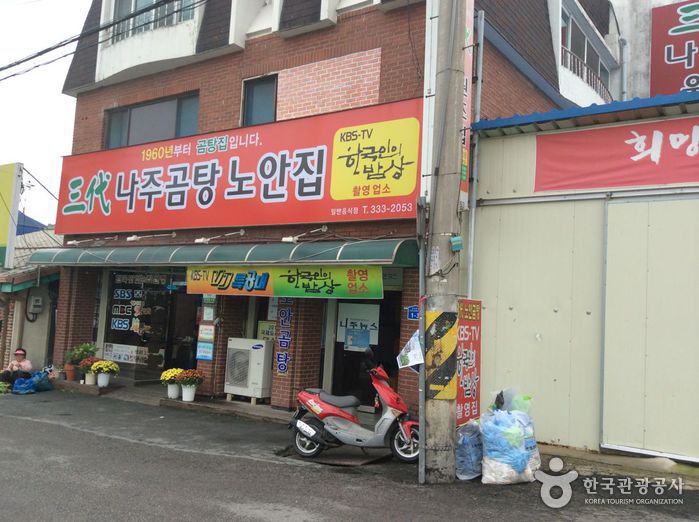
Naju Gomtang Noanjip (나주곰탕노안집)
10.3Km 2024-02-19
1-3 Geumseonggwan-gil, Naju-si, Jeollanam-do
061-333-2053
Naju Gomtang Noanjip started as a rice soup restaurant in 1963 and has become famous nationwide for its Naju gomtang (Naju beef bone soup) specialty. The gomtang at the restaurant is boiled for several hours, resulting in a rich and flavorful broth combined with tender beef. As a local favorite, it is located in Naju Beef Bone Soup Street, making it easily accessible.
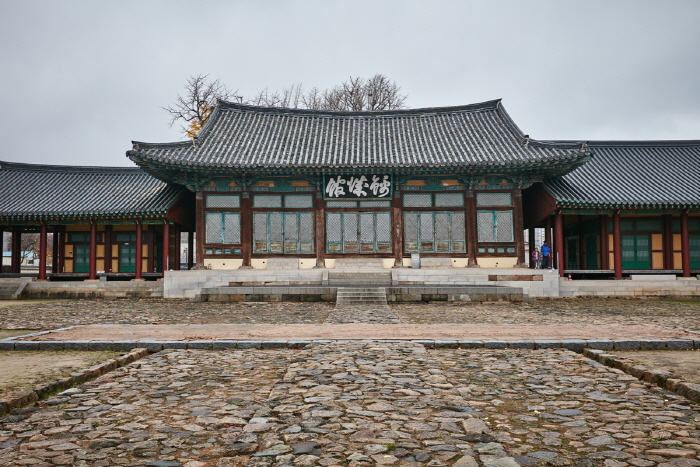
Naju Geumseonggwan Hall (나주 금성관)
10.4Km 2021-08-17
8, Geumseonggwan-gil, Naju-si, Jeollanam-do
+82-61-339-8613
Naju Geumseonggwan Hall was a state-run guesthouse for government officials during the Joseon period. It was the venue for ceremonial praise rituals for the king, taking place on the first and 15th of each month, as well as banquets held in honor of visiting dignitaries. The building was constructed sometime between 1475 and 1479. The building was remodeled during the Japanese occupation, but was restored to its original design in 1977.
![Himart - Naju Branch [Tax Refund Shop] (하이마트 나주점)](http://tong.visitkorea.or.kr/cms/resource/82/2886482_image2_1.jpg)
Himart - Naju Branch [Tax Refund Shop] (하이마트 나주점)
10.4Km 2024-04-18
11, Daeho-gil, Naju-si, Jeollanam-do
-
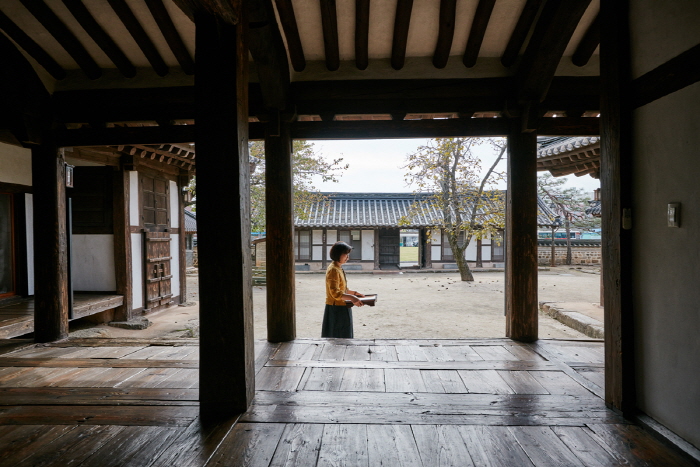
Naju Moksanaea (나주목사내아)
10.5Km 2021-09-30
13-10, Geumseonggwan-gil, Naju-si, Jeollanam-do
+82-61-332-6565
Naju Moksanaea was the private residence of Naju's moksa, the title of highest official in the region. This traditional hanok house was built in 1825 and follows the traditional hanok design of a wealthy aristocrat. It is recognized as Jeollanam-do Cultural Hertiage Material.
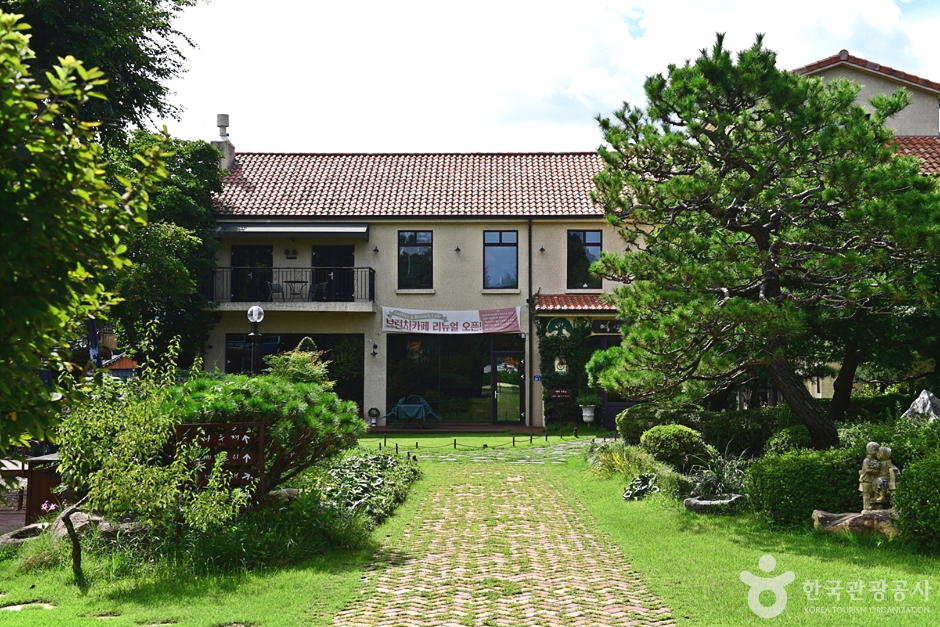
Café Yeongsannaru (카페 영산나루)
10.6Km 2024-02-19
28 Jumyeon 2-gil, Naju-si, Jeollanam-do
Café Yeongsannaru is a large dining café located near the Yeongsangang River Hwangpo Sailboat Quay. One of its signature dishes is the yeontan dongaseu (handmade squid ink pork cutlet). This unique black-colored dish features a thick and crispy coating, popular for its distinctive texture. With a small pond, fountain, and outdoor tables available, visitors can enjoy a leisurely time in the spacious garden.
Hyanggyo-gil 20 Café (향교길20카페)
10.7Km 2024-02-19
22-1 Hyanggyo-gil, Naju-si, Jeollanam-do
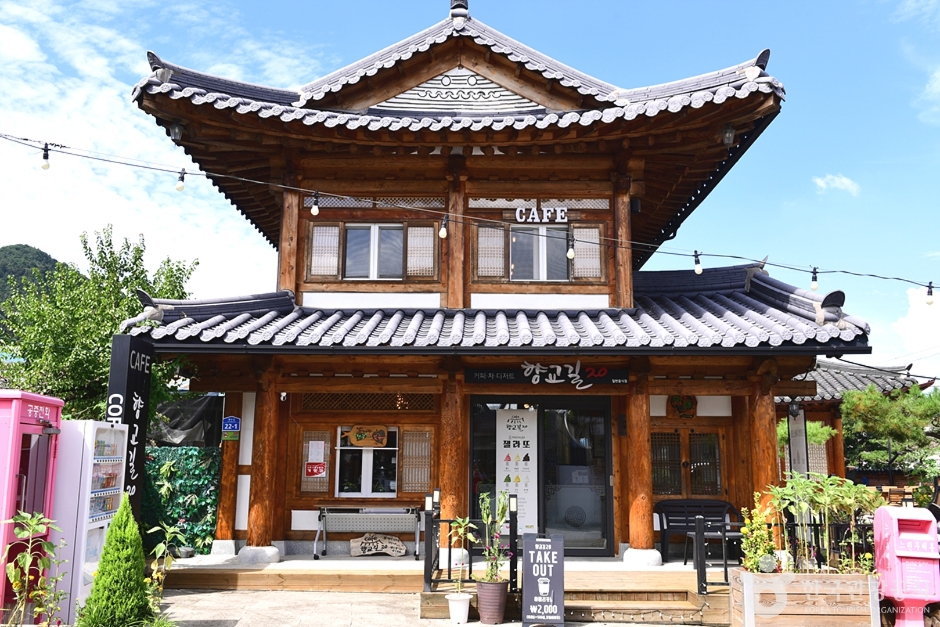
Hyanggyo-gil 20 Café is a hanok café located along the Hyanggyo-gil street in Naju. Visitors can enjoy beverages in a space that preserves the beauty of tradition through the renovation of hanok architecture. One of its signature items is the Naju bae ssalppang (Naju pear-shaped rice bread), a gluten-free dessert made by filling a rice dough, incorporating Naju pears, with cream. It pairs wonderfully with traditional Korean beverages such as hongsam ssanghwacha (red ginseng medicinal herb tea) and daechucha (jujube tea).
3917Majung (3917마중)
10.9Km 2024-12-23
42-16 , Hyanggyo-gil, Naju-si, Jeollanam-do
+82-61-331-3917
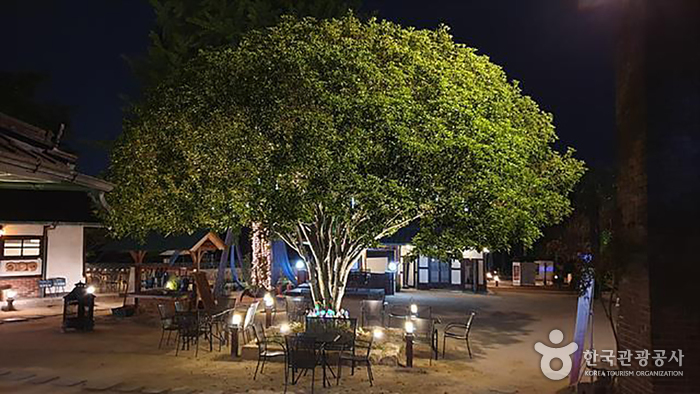
3917 Majung is a Japanese- and Western-style hanok commonly seen in the late Korean Empire period, in Naju, Jeollanam-do, which combines a cafe, cultural space and hanok stay. The 3.2 acre site contains four buildings, with a mixture of ondol rooms, tatami rooms, daecheong floors and numaru lofts. Some buildings have bathrooms installed, some share outdoor bathrooms. All four buildings are let as private houses.
Gwangju Arboretum (광주시립수목원)
11.5Km 2024-11-18
142 Dodong-gil, Nam-gu, Gwangju
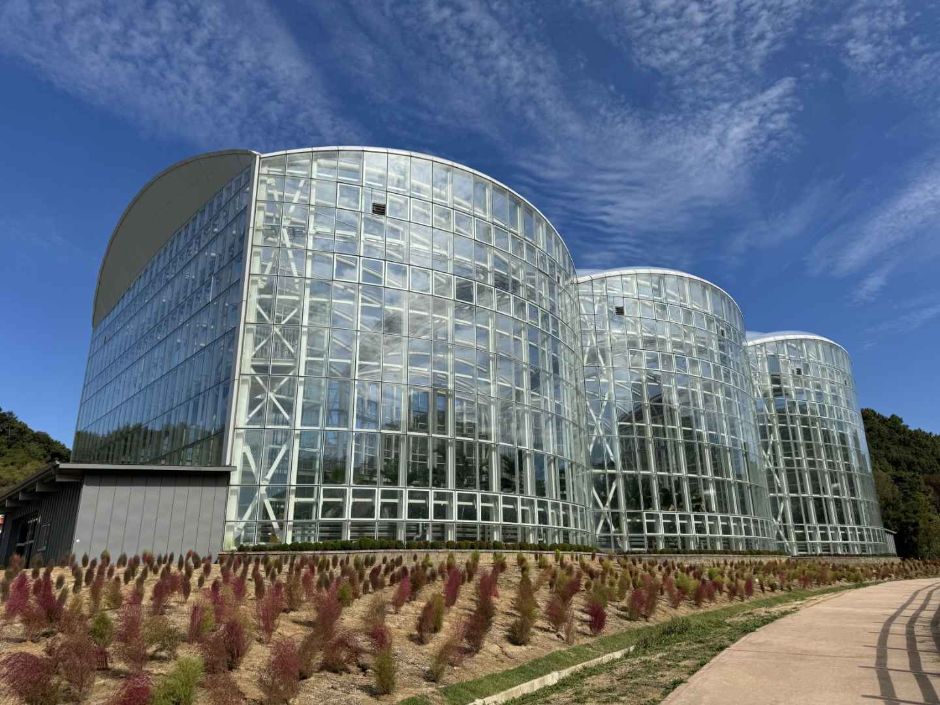
Gwangju Arboretum was built on a sanitary landfill to restore the natural ecological environment by planting trees and creating convenience facilities. The arboretum preserves, manages, researches, and exhibits the indigenous plants of the region and provides visitors with a space to relax and connect with nature. Visitors of all ages can enjoy educational programs and forest commentary tours, making it a great place for families.

National Center for Forest Education, Naju (국립나주숲체원)
12.1Km 2024-02-19
116 Geumseongsan-gil, Naju-si, Jeollanam-do
National Center for Forest Education, Naju is a national recreational facility located on Geumseongsan Mountain. It operates customized forest education and cultural programs based on the wild tea plantation of Geumseongsan Mountain and the culture of Naju. Utilizing the facilities of the forest center and the surrounding nature, it offers various experiential programs such as forest walking, stretching, meditation, and natural dyeing experiences of Naju's traditional culture.
Jeonpyeongje Reservoir (전평제)
13.2Km 2021-04-29
9, Jeonpyeong-gil, Seo-gu, Gwangju
+82-62-365-4114
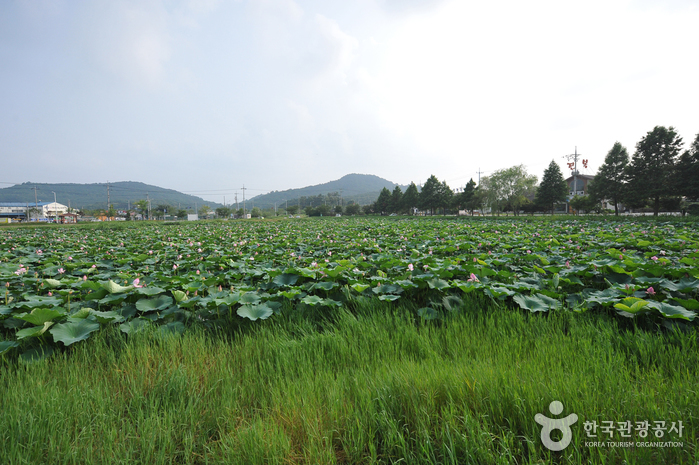
Jeonpyeongje Reservoir was built in 1943 to supply water for agricultural purposes to farms in the Maewol-dong and Byeokjin-dong regions as well as to prevent both floods and droughts. Starting in 1999, the reservoir was changed to a rest area, with a wooden deck crossing the reservoir to the man-made island in the middle. The area now serves as a waterside relaxation and eco-exploration space for family visitors.
 English
 한국어
한국어 日本語
日本語 中文(简体)
 Deutsch
 Français
 Español
 Русский


