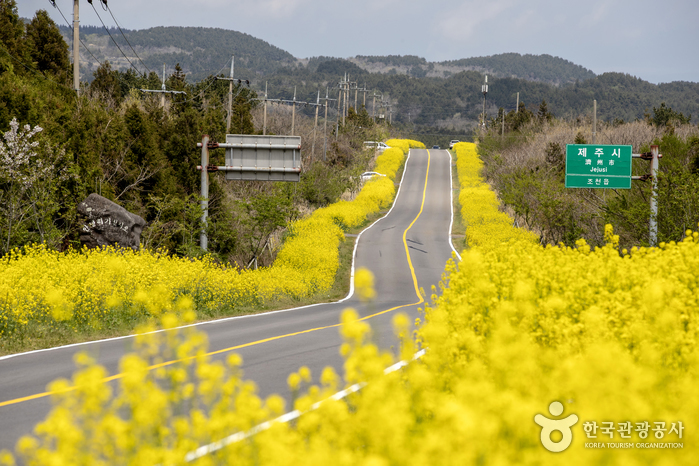
Seogwipo Gasiri Village (Noksan-ro Canola Flower Road) (서귀포 가시리마을 (녹산로 유채꽃도로))
.0M 2024-01-09
20 Gasi-ro 565beon-gil, Pyoseon-myeon, Seogwipo-si, Jeju-do
Seogwipo Gasiri Village is where canola flowers and cherry blossoms bloom simultaneously over a 10-kiliometer section from its access road every April, boasting a picturesque driving route. The combination of yellow canola flowers and light pink cherry blossoms is very special. Selected as one of the “100 Beautiful Roads in Korea,” Gasiri Noksan-ro Road is a road that passes through Noksanjang and Gammajang, which were the best horse farms of the Joseon period, and is currently one of the best canola flower roads in Jeju. As such, it is called the "First Sight of the Ten Sights of Gasiri Village." In addition, visitors can enjoy beautiful natural scenery unique to Jeju, such as Ttarabioreum and Keunsaseumioreum Parastic Cones.
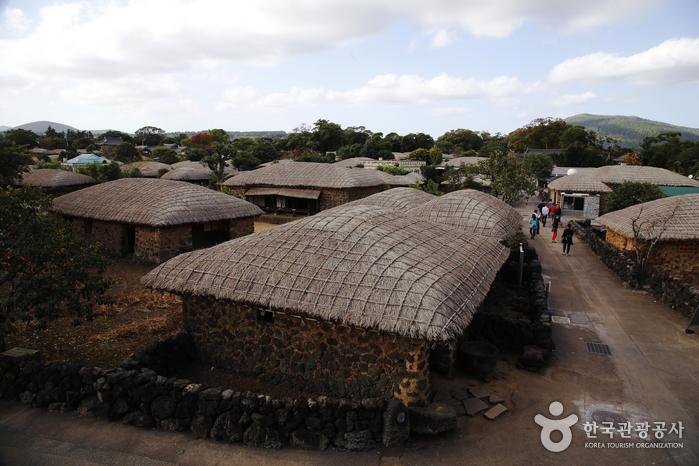
Seongeup Folk Village (성읍민속마을)
4.3Km 2024-03-11
3294, Seongeup-ri, Pyoseon-myeon, Seogwipo-si, Jeju-do
Seongeup Folk Village has been designated and protected as a folk village, preserving the characteristics of Jeju's old private houses. Various tangible cultural heritage and intangible cultural heritage such as folk songs and games, local foods and craftmanship, and Jeju dialect are being passed down. The village offers traditional culture and traditional house experiences, and holds cultural events every October and November.
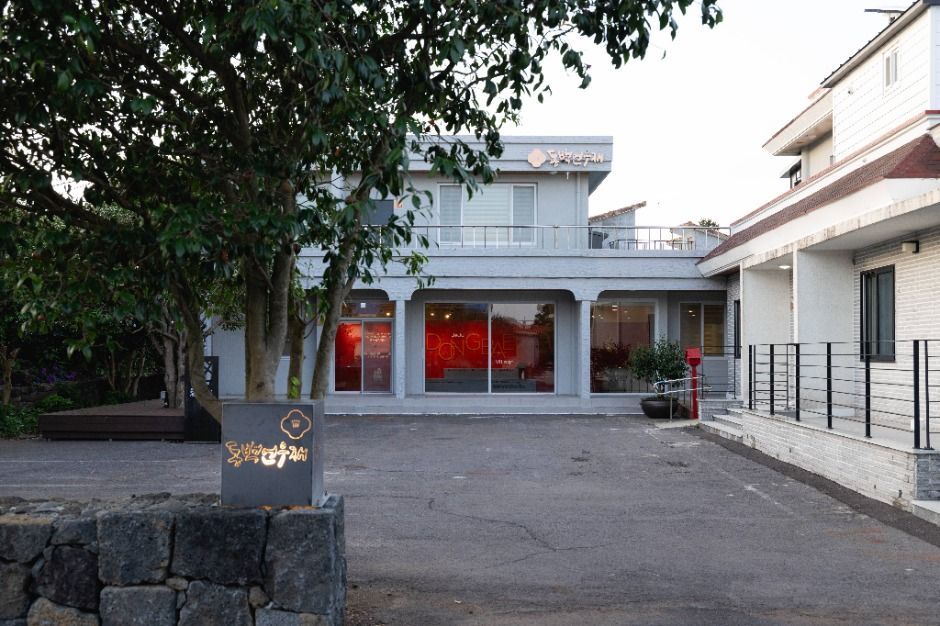
Jeju Dongbaek Village (제주 동백마을)
4.3Km 2025-11-21
22-1 Hansin-ro 531beon-gil, Namwon-eup, Seogwipo-si, Jeju-do
Located in Seogwipo, Jeju Camellia Village has a 300-year history with its native camellia trees, and is involved in various projects. Visitors can explore the 300-400-year-old camellia trees scattered throughout the village, purchase authentic camellia oil from the community-operated mill, and participate in various experience programs such as camellia soap-making and cooking classes using camellia oil. From October to March, visitors can also purchase tangerines, locally produced by the village residents. The local community is dedicated to preserving the camellia forest for future generations, offering visitors a chance to experience the village’s beauty.
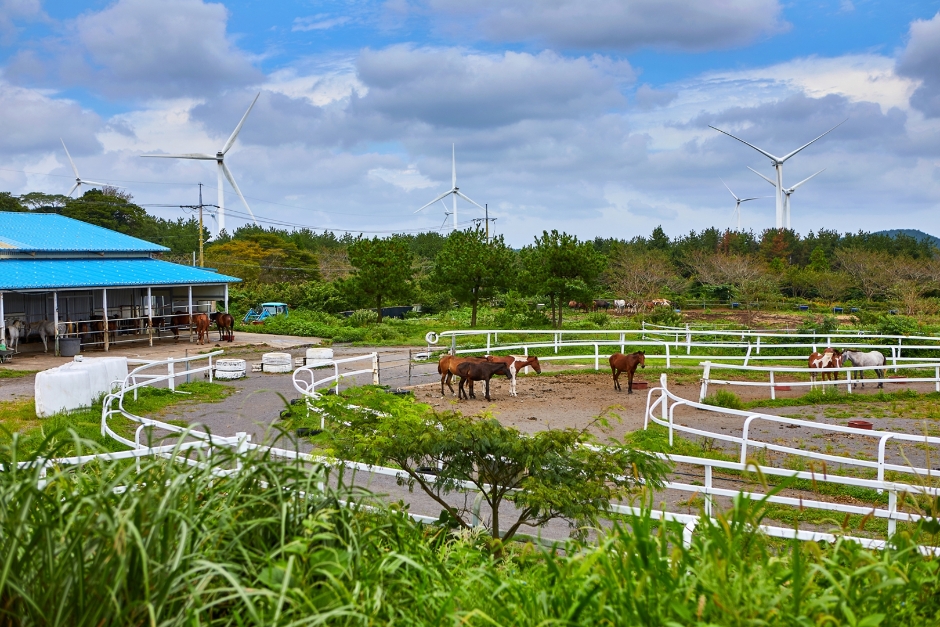
Jeju Horse Park (조랑말체험공원)
4.6Km 2024-01-11
381-15 Noksan-ro, Seogwipo-si, Jeju-do
Jeju Horse Park offers a venue to promote Jeju’s horse culture in an easy and fun way. The park has kept intact the 600-year history of nomadic culture at the site of Gasi-ri Village which used to house Gammajang, the place for raising the best horses during the Joseon dynasty. The park includes the Jeju Horse Museum, Ttarabi horseback riding track, Maeum Cafe, Mongol Yurt Guesthouse, camping site, Art Shop, and an experience place to focus on the Project for a New Cultural Space Creation through the support of the Ministry of Agriculture, Food and Rural Affairs. The Jeju Horse Museum was the first national museum created by a village and its main theme covers the history and culture of the village. It is also regarded as a new form of community business model.

Sono Calm Jeju (소노 캄 제주)
5.6Km 2025-10-23
6347-17, Iljudong-ro, Seogwipo-si, Jeju-do
Sono Calm Jeju is located by the southern coast of Jeju Island. The resort complex has a beautiful garden and a walking path along the beach. It is also fully equipped with relaxation, leisure, and entertainment facilities, and business centers.
Sono Calm Jeju has three lodging facilities: Shineville, Luxury, and Royalville buildings. The rooms in Shineville and Luxury are hotel rooms that are inspired by neo-classic designs while the Royalville offers an ocean-view villa-style room for a more personal feel. Some of the facilities available include a fitness club, restaurants, karaoke, cocktail bar, saunas, an outdoor swimming pool, banquet hall, and more.
Pyoseon Haevich Beach (표선 해비치 해변)
6.8Km 2025-01-08
Minsokhaean-ro, Seogwipo-si, Jeju-do
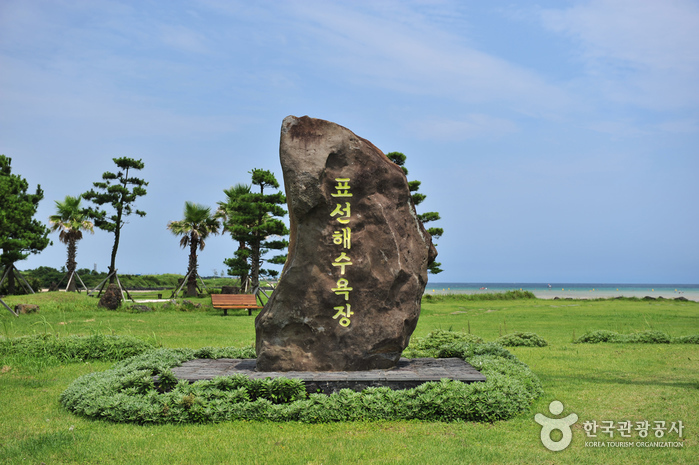
Pyoseon Beach in Seogwipo is a spacious beach, taking up more than 150,000 m². During low tide, the beach looks like an elegant circle, and it becomes a circular lake less than 1 meter deep during high tide, and displays many different colors. The beach is a great place for children to play and for watching the sunrise. The sand on the beach is formed out of broken shells, and sand baths are believed to be effective for people suffering from neuralgia. Every August, this beautiful beach hosts the Pyoseon White Sand Festival, which offers fun and colorful events. The beach is equipped with excellent amenities (a campground, abundant parking space, dressing rooms and shower rooms) and surrounded by nearby attractions, such as Seongeup Folk Village and Jeju Folk Village Museum.
Ilchulland (일출랜드)
7.0Km 2022-08-12
4150-30, Jungsangandong-ro, Seogwipo-si, Jeju-do
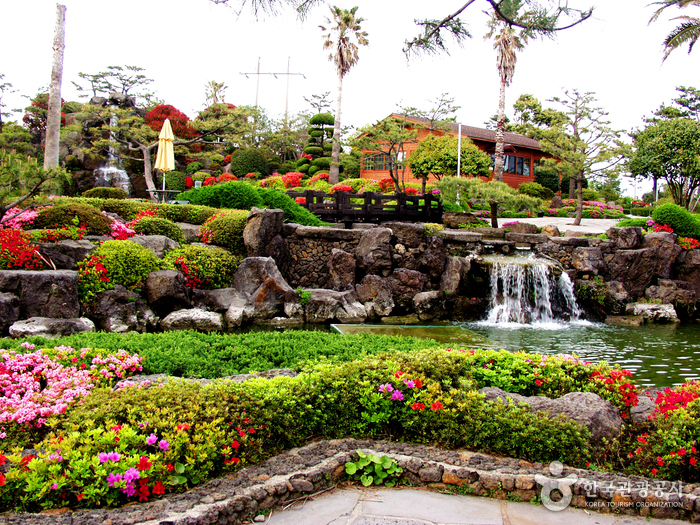
Ilchulland centered around Micheongul Cave is located in the eastern region on Jeju Island. The attraction provide important resources for academy, tourism and culture as well as store and distribute fresh air, water, green fields and oreum. The undeground area takes human back to the beginning with various chemical elements. Visitors will be able to experience relaxation and refreshing nature not available in the city.
Lumiverse: Island of Light (빛의 섬 루미버스)
7.3Km 2025-07-14
631-34 Minsokhaean-ro, Pyoseon-myeon, Seogwipo-si, Jeju-do
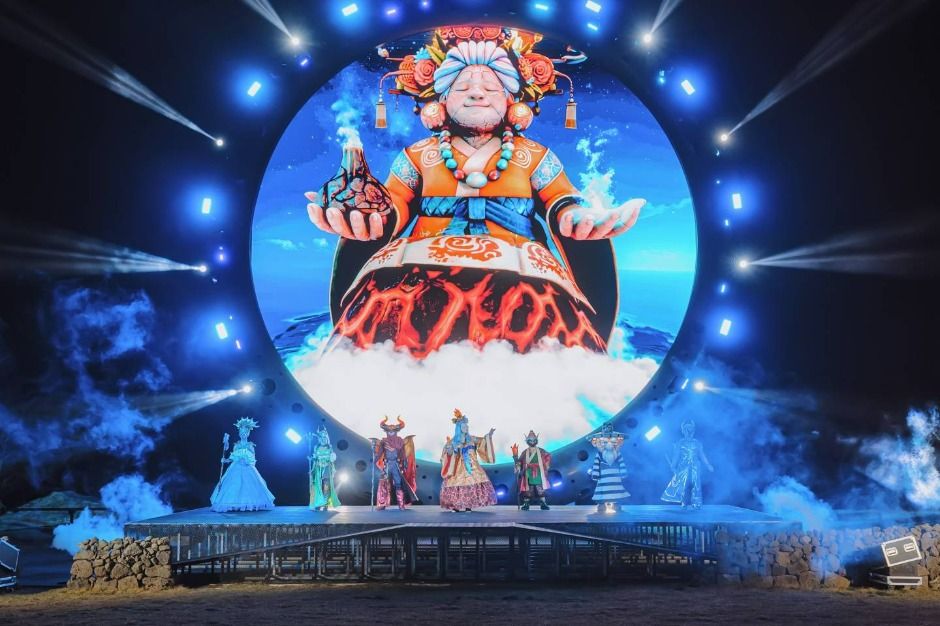
Lumiverse: Island of Light is an evening theme park set in a Jeju folk village as a local-hip cultural entertainment attraction. A gigantic multimedia show and characters inspired by Jeju's folklore bring the night alive. The attraction's name is a portmanteau of "Lumi," wich means light in Latin, and "-verse" from the word "univserse," and is a brand that aims to recreate Jeju's mythical world with lights and arts. Visitors are invited to enjoy the evening with Jeju's mythical gods and goddesses, including the legendary guardian goddess Elderly Mago. The attraction is divided into seven illuminated themed zones, each focusing on one of the seven gods and goddesses. Each theme is decorated using lights, artworks, sound effects and narratives that are sure to enchant one's mind.
Jeju Folk Village (제주민속촌)
7.3Km 2025-03-17
631-34 Minsokhaean-ro, Pyoseon-myeon, Seogwipo-si, Jeju-do
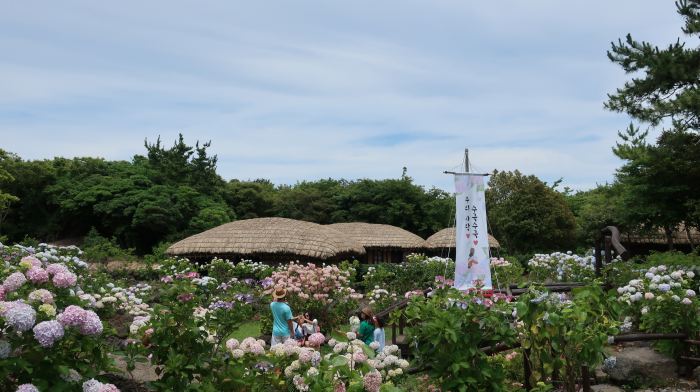
Jeju Folk Village reproduces the old life of Jeju in the 19th century. More than 100 traditional Jeju houses and folk culture are being recreated and exhibited through archival research. The village is planted with local trees and flowers from Jeju and Korea, so visitors can enjoy flowers in all seasons. It features themed exhibition halls, model houses, and traditional folk games, attracting numerous visitors.
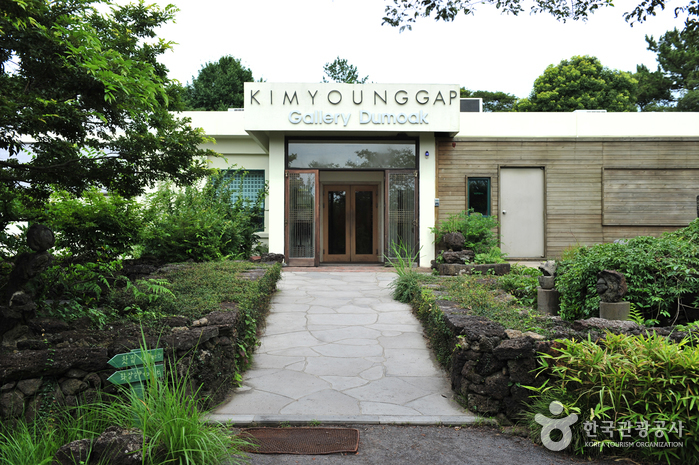
Kim Young Gap Gallery Dumoak (김영갑 갤러리 두모악)
7.6Km 2022-08-31
137, Samdal-ro, Seogwipo-si, Jeju-do
The Kim Young Gap Gallery is a former elementary school turned into a gallery. Photographer Kim Young-gap, who had been suffering from Lou Gehrig’s disease, spent his life capturing the beauty of Jeju Island. He created the gallery during his last days so that he could ensure his works be shared for years to come. The gallery shows the photographer’s artistic passion, and his photos reflect the sublime beauty of Jeju Island, captured day after day in all kinds of weather.
 English
 한국어
한국어 日本語
日本語 中文(简体)
 Deutsch
 Français
 Español
 Русский


