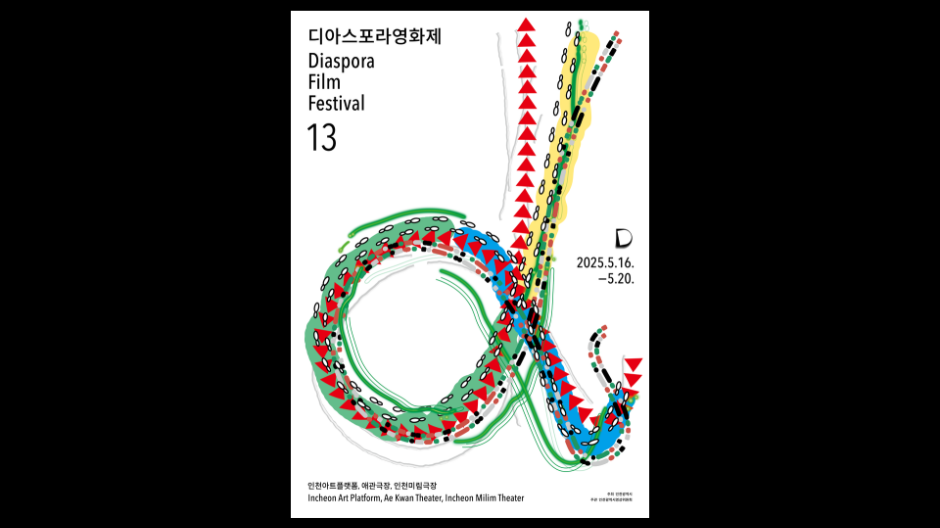
Diaspora Film Festival (제13회 디아스포라영화제)
15.6Km 2025-03-31
3 Jemullyang-ro 218beon-gil, Jung-gu, Incheon
+82-32-435-7172
Inspired from the how the Jews kept their cultural identity during the diaspora, the annual Diaspora Film Festival takes place in Incheon to shed light on the 1st generation Korean immigrants to Hawaii in 1902 from Incheon Port. In addition to highlighting the city's historical significance, the festival aims to stand against all kinds of prejudice and discrimination, advocate for minority groups, and support diversity and acceptance. It also focuses on a wide range of topics related to diaspora, exploring the social problems related to immigration and immigrants.
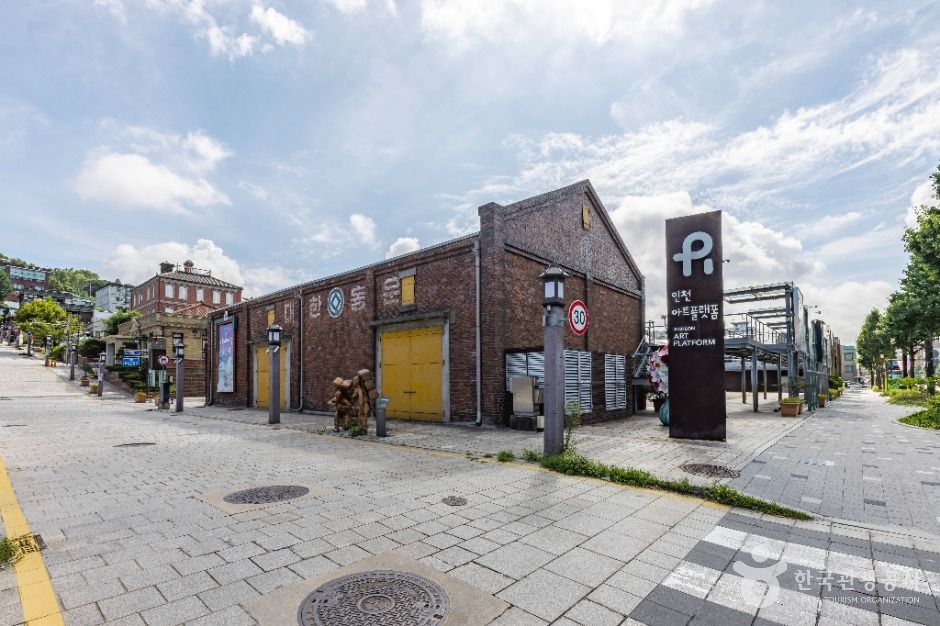
Incheon Art Platform (인천 아트플랫폼)
15.6Km 2025-10-23
3 Jemullyang-ro 218beon-gil, Jung-gu, Incheon
Incheon Art Platform, located in Haean-dong, Incheon, is known for its well-preserved architectural heritage and buildings that showcase a blend of traditional and modern architecture. The complex was established by remodeling structures built in the 1930s and 1940s. Centered around its residency program, it offers exhibitions, performances, and educational programs, and plays a significant role in promoting the free exchange of art and culture. By providing creative spaces for artists and venues for cultural exchange, the platform fosters interaction between artists and visitors.
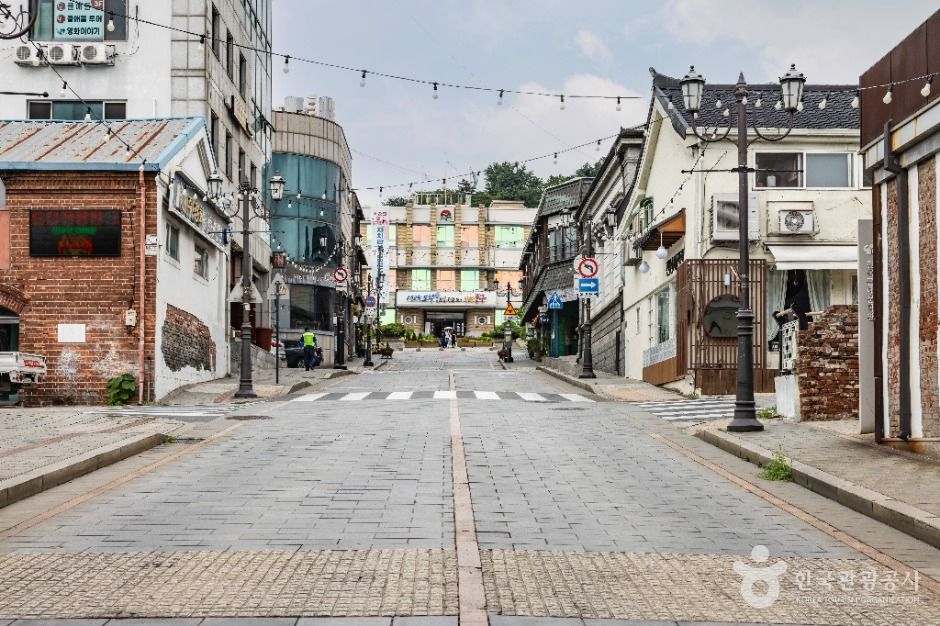
Gaehangjang (Open Port Area) Street (개항장 거리)
15.6Km 2025-10-23
27 Jemullyang-ro 232beonan-gil, Jung-gu, Incheon
As the Incheon Port was opened in 1883, this is where one could feel the rich history and culture accumulated over 126 years. Formerly used by the Japanese consulate, the Jung-gu Office, the Incheon branch of Japan's 1st, 18th and 58th Bank and other modern historical architecture can be found intact here. Other historical remains like Former Japan Mail and Shipping Inc., Incheon Art Platform, Jemulpo Gurakbu, and more are also available for visitors to see at the Incheon Gaehangjang (Open Port Area). For those who are interested in learning more, a guided tour by an Incheon cultural tourism expert is available upon reservation.

Aritaum - Dongincheon Jungang Underground Branch [Tax Refund Shop] (아리따움 동인천중앙지하)
15.6Km 2024-04-22
Store #46, #48, #50, #52, Jungang-ro, 117-15, Chamoejeon-ro, Jung-gu, Incheon
-
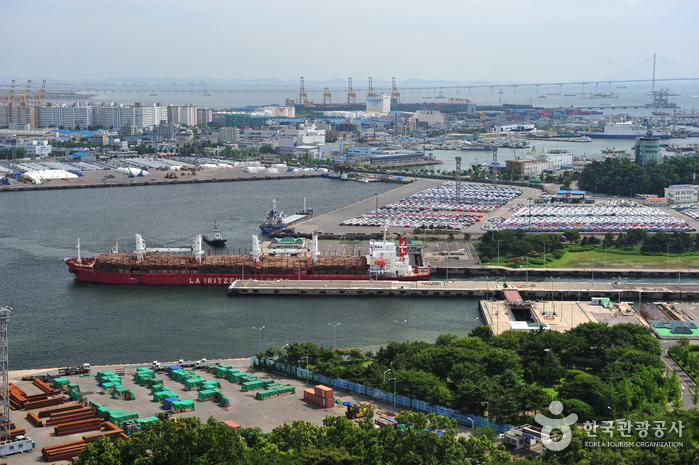
Incheon Port Floodgate (인천항 갑문)
15.6Km 2021-06-01
376, Wolmi-ro, Jung-gu, Incheon
+82-32-890-8000
Incheon Port Floodgate is located between the beautiful Wolmisan Mountain and Sowolmido Island. Surrounding the floodgate is a large 66,000 square meter garden covered with grass, pine trees, ginko trees, and cherry blossom trees, creating a beautiful scene. Especially in the spring, azaleas, royal azaleas, cherry blossoms, and magnolia blossoms are blooming, adding to the beauty of the garden.
If you visit when the floodgate opens, you will witness giant cargo ships and cruise ships passing through the gate to enter and leave the port. Also, at the situation room of the floodgate management office, an introductory video of Incheon Port is played to offer more information on the facility.
There are two floodgates at Incheon Port. One floodgate is 36 meters wide by 363 meters long. The other is 22.5 meters wide by 202 meters long. The larger one can accommodate vessels up to 50,000DWT and the smaller one can dock ships up to 10,000DWT. Per day, up to 20 vessels can enter and leave the port.
Dongincheon Samchi Street (동인천 삼치거리)
15.6Km 2021-01-27
57, Uhyeon-ro 67beon-gil, Jung-gu, Incheon
+82-32-832-3031
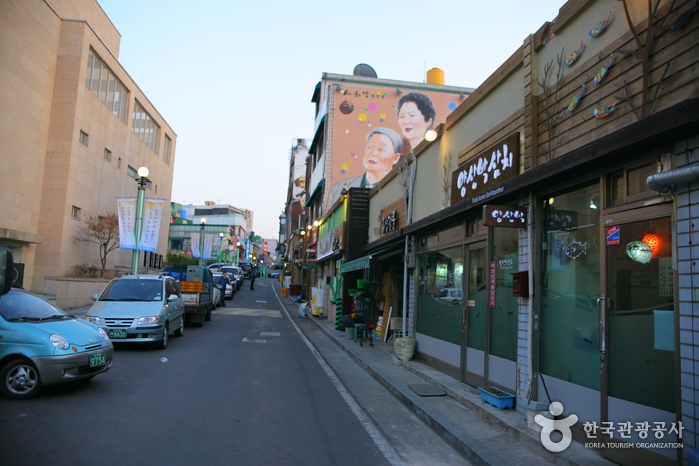
Dongincheon Samchi Street is located in front of Dongincheon Station in an alley to the side of Incheon Educational and Cultural Center for Students. The street became connected samchi, or grilled seerfish, over 40 years ago with the opening House of Inha, a home-style restaurant. Originally, the street was not known for samchi, but it became one of the most popular menus at the restuarant, with many other shops in the area following in this trend. In 2002, it was designated as the grilled seerfish street and a signboard was put up at the street entrance. Currently, there are about a dozen grilled seerfish restaurants lining the street, and each restaurant has a unique signboard of its own. The fish are imported from New Zealand, and each restaurant offers a distinct taste resulting from different grilling methods and sauces. The restaurants also sell a variety of appetizers and side dishes at affordable prices.
Inhauijip (인하의집)
15.6Km 2024-02-16
57 Uhyeon-ro 67beon-gil, Jung-gu, Incheon
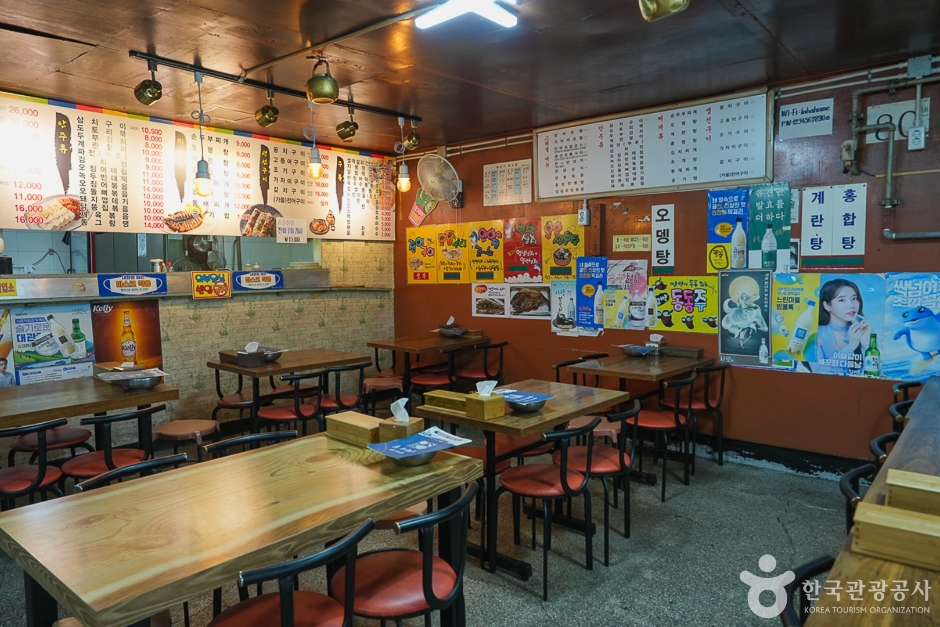
Inhauijip, established in 1968, is a beloved local fixture and is credited as the origin of Dongincheon Samchi (spotted mackerel) Street. Its standout dish is samchigui (grilled spotted mackerel), featuring thick slices of spotted mackerel grilled to achieve a crispy exterior and tender interior. This dish's rich flavor has won over a loyal customer base. Additionally, the Inhauijip Course, which includes sundubu jjigae (soft bean curd jjigae), is another crowd-pleaser among patrons.
Incheon Open Port Museum (인천개항박물관)
15.6Km 2025-10-23
89 Sinpo-ro 23beon-gil, Jung-gu, Incheon
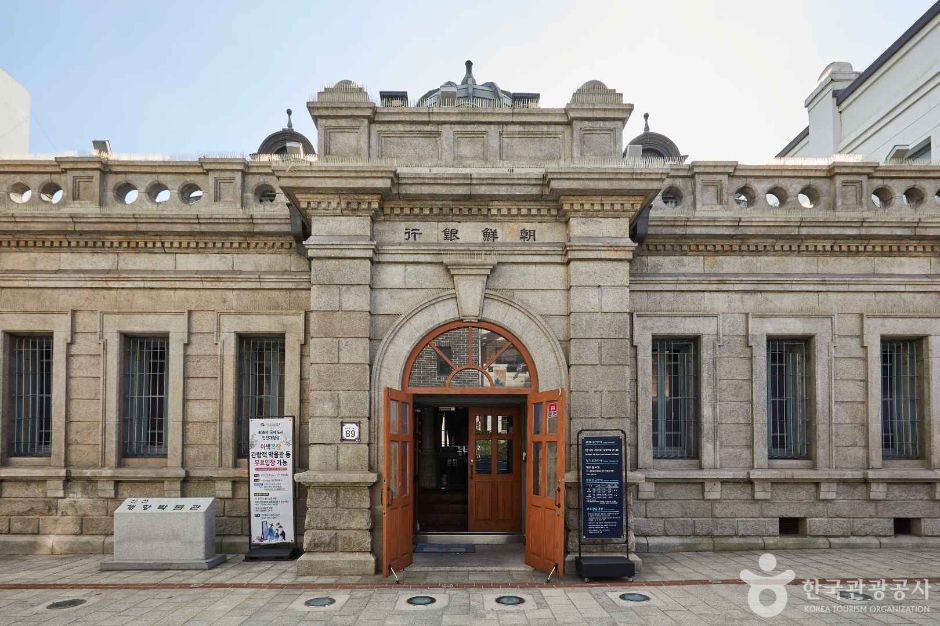
Designated as a Tangible Cultural Heritage of Incheon Metropolitan City, the Incheon Open Port Museum is housed in the former Bank of Japan building, an architectural masterpiece constructed in the late Renaissance style. With four permanent exhibitions, the museum offers a glimpse into various aspects of modern culture and artifacts that were first introduced after the opening of Incheon Port. (Credit: Incheon Jung-gu Cultural Foundation)
Seongho Museum (성호박물관)
15.6Km 2021-02-24
131, Seongho-ro, Sangnok-gu, Ansan-si, Gyeonggi-do
+82-31-481-2574
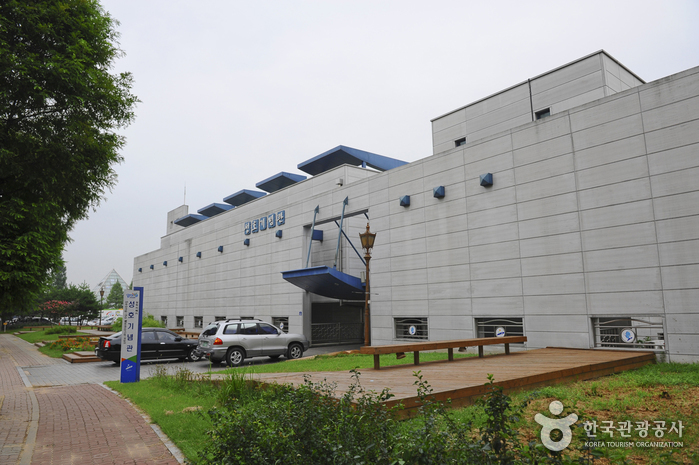
Seongho Museum was built by the municipality of Ansan in memory of Seongho Yi Ik (1681-1763), a great Neo-Confucian scholar from Ansan, to house his personal academic works and associated artifacts. The museum was opened in May 2002 and has on exhibit the personal handwritten materials and works of Yi Ik and other relics related to his studies and philosophy.
Major exhibits include Yi Ik’s handwritten poems and letters, the Seongho literary book, and books written by Toegye Yi Hwang, Misu Heo Bok, Bangye Yu Hyeong-won, and Dasan Jeong Yak-yong, most of which are the original copies. There are also a significant number of relics on exhibit that were once owned by individual collectors.
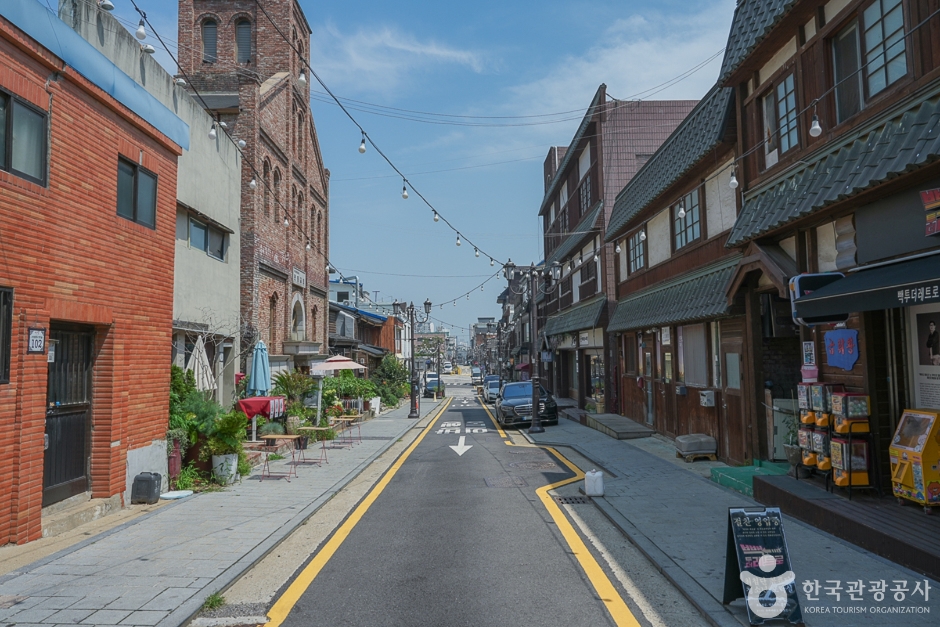
Incheon Japanese Street (인천일본풍거리)
15.7Km 2024-02-16
Gwandong 1(il)-ga, Jung-gu, Incheon
Incheon Japanese Street, established following the opening of Incheon and Jemulpo Ports in 1883, was home to the Japanese concession. It preserves several Japanese-style wooden houses and stone structures from that era. These wooden houses, designed in the distinctive style of Japanese architecture where a storefront is integrated into the residential building, have been renovated and are now serving as cafés and exhibition halls. Nearby, visitors can also explore Incheon Chinatown and the Gaehangjang (Open Port Area) Street.
 English
 한국어
한국어 日本語
日本語 中文(简体)
 Deutsch
 Français
 Español
 Русский


