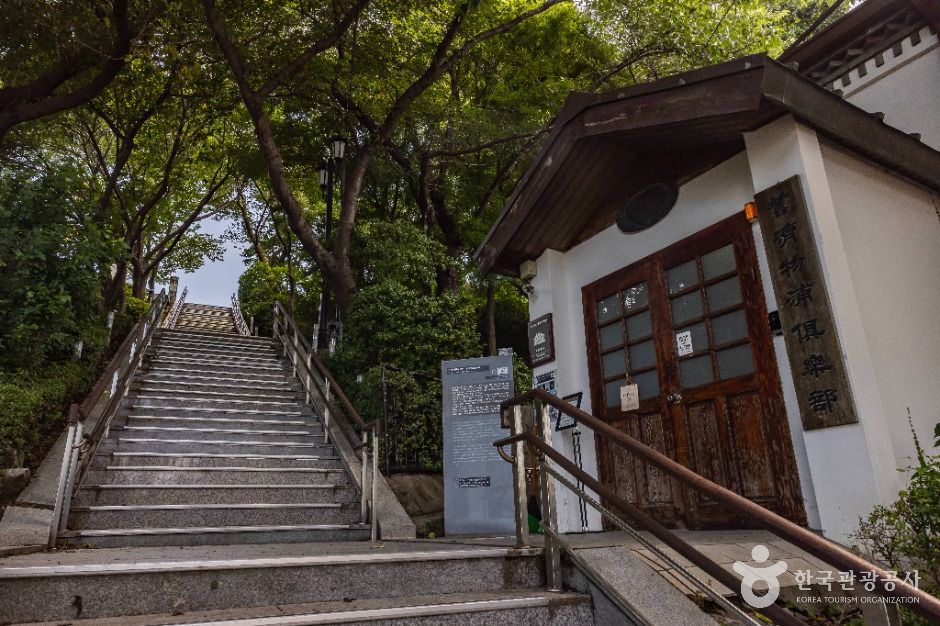
Jemulpo Club (제물포구락부)
9.3Km 2025-10-23
25 Jayugongwonnam-ro, Jung-gu, Incheon
Jemulpo Club, also called Jeumulpo Gurakbu, was established in 1901 to be used as the venue for foreigners such as American, English, German, French, Russian and a small minority of Chinese and Japanese all living in Incheon to build up friendships before opening the port. The two-story brick building was comprised of a library room, pool table, tennis court and others facilities.
The site was used as Incheon Museum from 1953 to 1990 and Incheon Cultural Center from 1990 to 2006. In 2007, the name was changed to Jemulpo Gurabu, imphasizing the Japanese pronunciation of "club." It now offers a site for experiencing modern culture interactions.
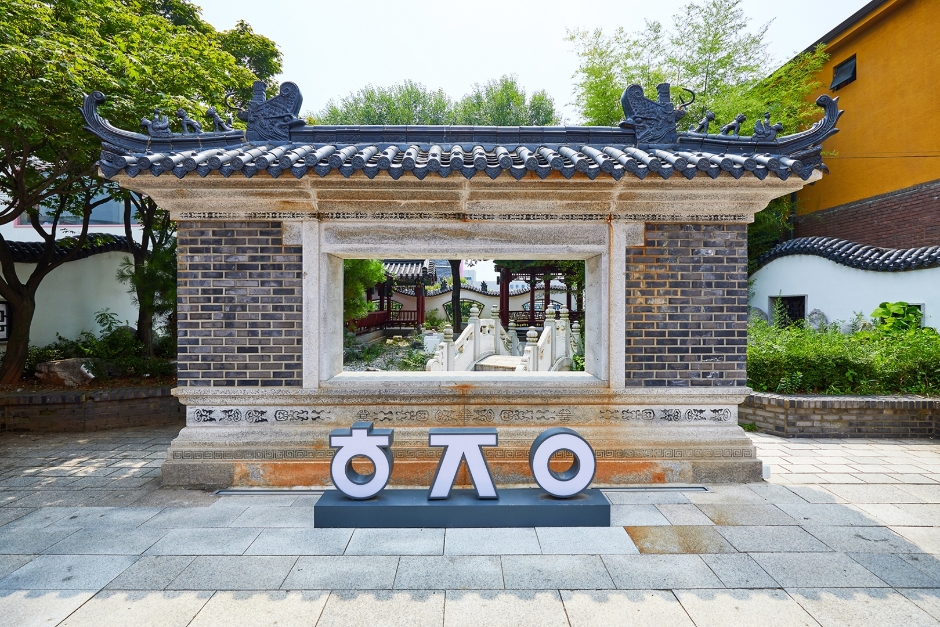
Hanjungwon (한중원)
9.3Km 2024-01-04
12 Chinatown-ro 59beon-gil, Jung-gu, Incheon
Hanjungwon is a Chinese-style garden built to commemorate the establishment of diplomatic relations between Korea and China, making it a great place to rest after looking around Chinatown. It was created with the motif of the garden style of the Suzhou region in the mid and late Qing Dynasty. Plants native to China are planted, such as bamboo, roses, and peonies, giving it an exotic atmosphere. There are human figures wearing traditional Chinese costumes on both sides of the entrance, making it a famous photo zone.
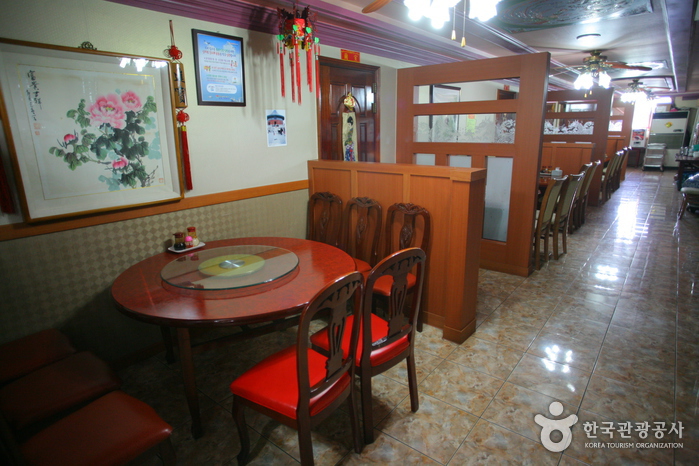
Taehwawon (태화원)
9.3Km 2024-12-02
10 Chinatown-ro 59beon-gil, Jung-gu, Incheon
Now in its third generation, this Korean-Chinese restaurant, established in 1926, is one of the earliest in Incheon Chinatown and is renowned for preserving traditional flavors. Its signature Incheon Hyangto Jjajang (Incheon-style black bean sauce noodles) is crafted with the restaurant's own chunjang and seasonal ingredients, offering a richer, deeper taste than jjajangmyeon made with store-bought sauce. The restaurant also offers a vegetarian menu.
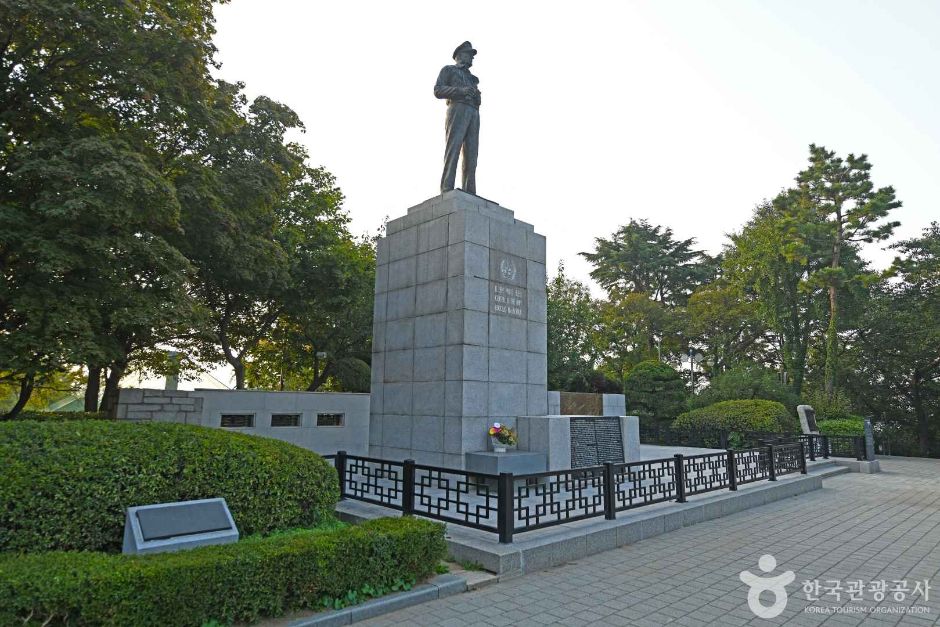
Incheon Jayu Park (자유공원 (인천))
9.4Km 2024-12-27
46 Jemullyang-ro 232beon-gil, Jung-gu, Incheon
Jayu Park is the first Western-style park in Korea, built five years after the opening of Incheon Port. The location is perfect for a nice stroll as it is located high above sea level with spacious areas and a thick forest. At top of the park is the Korea-U.S.A. Centennial Monument built in 1982 to commemorate the 100th anniversary of the treaty of peace, commerce and navigation between Korean and the US. Within the park, visitors can enjoy a small zoo, a pagoda, benches and other rest areas. A statue of General MacArthur stands in the park as a memorial of the general's feat of Operation Chromite during the Korean War. Every April, a cherry blossom festival is held as the cherry blossoms fill the park, attracting many visitors. The panoramic view of the city is breathtaking with nightscape especially popular for couples. There are many attractions nearby for visitors to enjoy food and history.
Jjajangmyeon Museum (짜장면박물관)
9.4Km 2024-12-23
56-14 Chinatown-ro, Jung-gu, Incheon
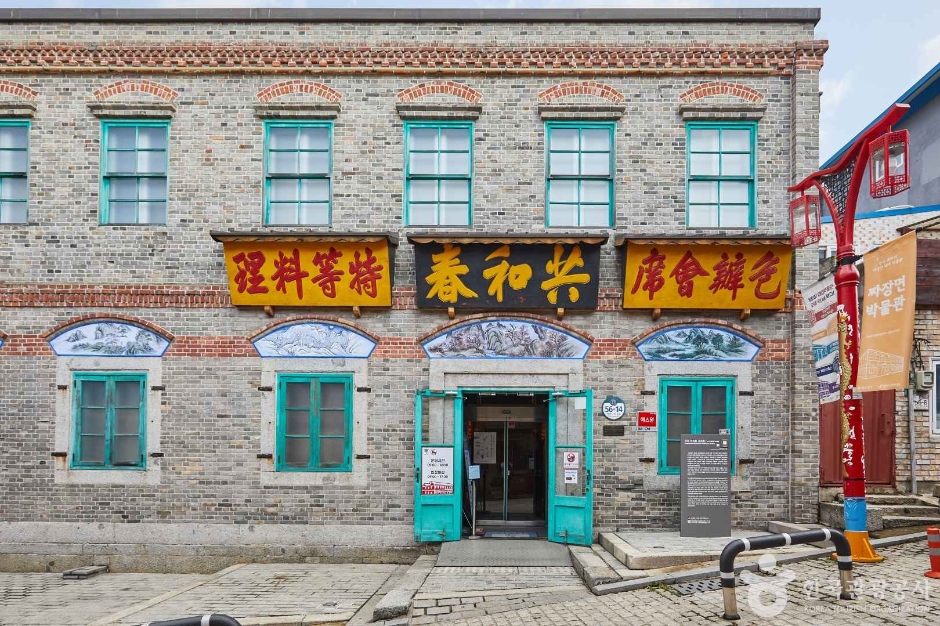
Jjajangmyeon Museum is built in the former building of Gonghwachun, the official birthplace of jjajangmyeon, a food people of all ages love. Gonghwachun operated in this old-fashioned brick building until 1983, and the building was renovated as Jjajangmyeon Museum. It is the first jjajangmyeon-themed museum in Korea and consists of six permanent exhibition rooms and one special exhibition room. Visitors can see the birth and transformation of jjajangmyeon at a glance and the different types and recipes of jjajangmyeon. The special exhibition room presents exhibitions on a variety of topics every year. The reproduction of Gonghwachun’s original reception room and kitchen as well as the exhibition of how the metal delivery box changed over the years are also interesting.
Sudoguksan Museum of Housing and Living (수도국산달동네박물관)
9.5Km 2022-09-13
51, Solbit-ro, Dong-gu, Incheon
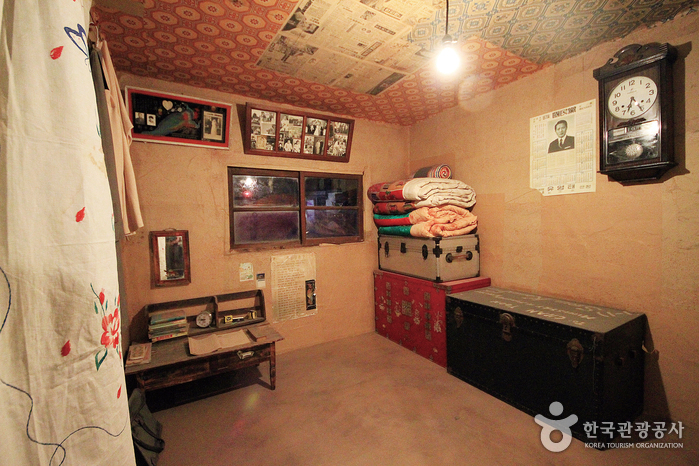
Sudoguksan Museum of Housing and Living, located within Songhyun Park, Dong-gu Incheon, opened on October 25, 2005. Consisting of two floors, the museum exhibits the life of citizens living in Incheon's "daldongne," the impoverished hillside areas. It exhibits reproductions of various scenes of daily life from the 1960s and 1970s.
Sinseung Banjeom (신승반점)
9.5Km 2024-12-19
인천광역시 중구 차이나타운로44번길 31-3
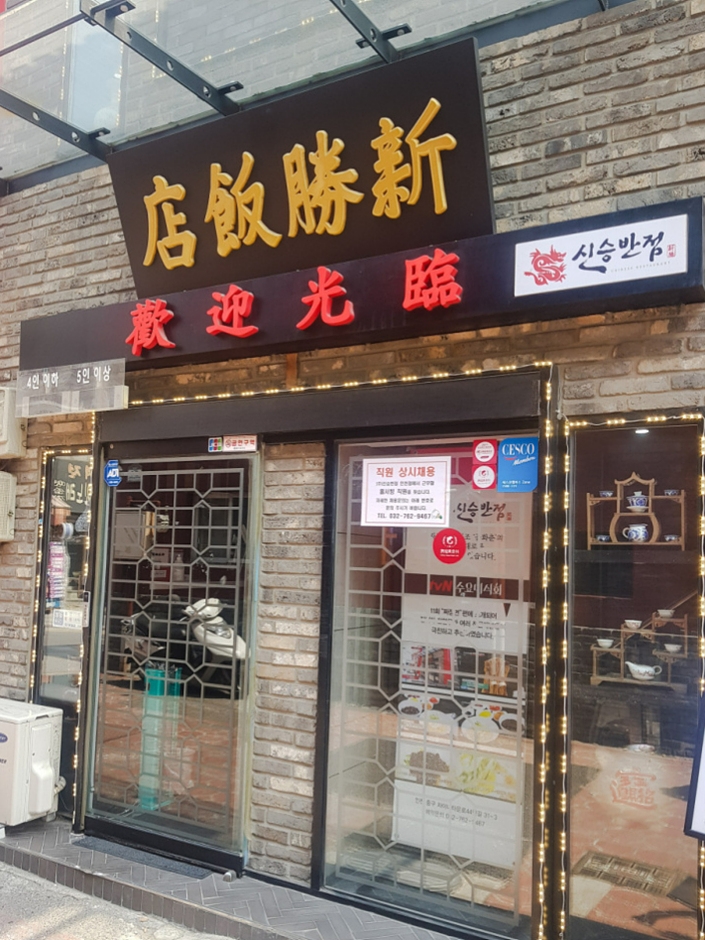
This restaurant, run by the granddaughter of Gonghwachun’s founder Woo Hee-gwang, is best known for its signature yuni-jjajang—a sweet, savory sauce made with minced meat and vegetables, served separately from the noodles, similar to ganjjajang, and topped with a sunny-side-up fried egg. Other popular dishes include the chewy chapssal tangsuyuk (deep-fried pork in a sweet rice batter with sweet and sour sauce) and the samseon haemul nurungjitang (a three-delicacy sizzling rice soup with seafood).4

Incheon Hwapyeong-dong Sesutdaeya Naengmyeon Steet (인천 화평동 세숫대야 냉면 거리)
9.5Km 2023-11-15
Hwapyeong-ro, Dong-gu, Incheon
The first naengmyeon restaurant to open in Hwapyeong-dong did so in the early to mid-70s. It wasn't until the early 2000's that the area saw an influx of over 20 naengmyeon restaurants. These days, visitors can choose from 13 restaurants. In the beginning, the servings here were all the standard found anywhere else in Korea. However, many of the factory workers in the area would come here, and ask for additional servings during their lunch break. Eventually, the restaurants began to serve larger sizes, naturally leading to the use of a large bowl to one similar to what people would use when washing their faces. Another specialty of the naengmyeon here is the addition of yeolmu kimchi (young summer radish kimchi). Many restaurants also offer free, unlimited refills on noodles.
Namchon Medical Foundation Shihwa Medical Center (의료법인 남촌의료재단 시화병원)
9.5Km 2025-10-23
381 Gunjacheon-ro, Siheung-si, Gyeonggi-do
We Provide medical treatment spaces exclusively for foreigners, which Perform one-stop services including reservation, registration, treatment, and payment
We provide native-speaking coordinators are stand by and provide free interpretation service (service languages: English, Chinese, Vietnamese, and Russian)
and interpretation services for medical tourists from airport pickup to in-hospital treatment and medical checkups.
Also we try to ensure the golden hour of patients whose lives are at risk through medical staff with rich clinical experience and latest medical equipment and
Present fundamental treatment solutions for intractable chronic diseases, mental illness, and geriatric diseases, which have become social problems.
We Provide one-stop medical treatment services from cancer diagnosis to treatment of high-difficulty vascular diseases through interventional procedures.
Mandabok (만다복)
9.6Km 2024-12-19
인천광역시 중구 차이나타운로 36 만다복
This restaurant offers baengnyeon jjajang (meaning “hundred-year jjajang”), a traditional style of hayan jjajang, or old-fashioned black bean sauce noodles. The dish features noodles topped with a soy sauce-based sauce along with pork, seafood, and vegetables.
 English
 한국어
한국어 日本語
日本語 中文(简体)
 Deutsch
 Français
 Español
 Русский


