Dong Nak Won / 동락원
597.6M 2025-03-05
33-6, Eunhaeng-ro, Wansan-gu, Jeonju-si, Région Jeonbuk
+82-63-287-9300
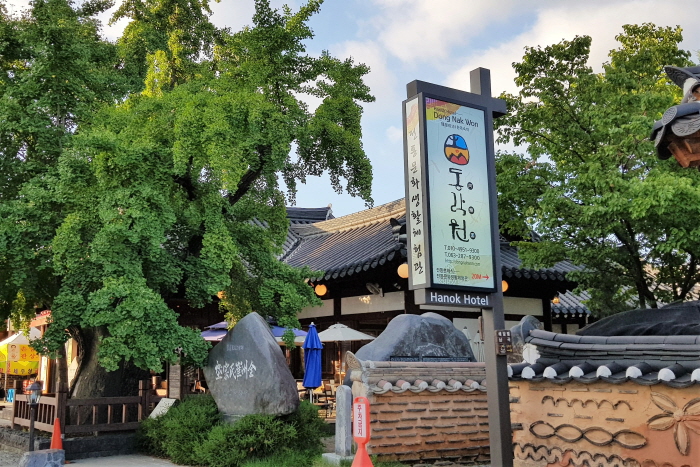
Hanok Hotel Dongrakwon used to be a memorial hall for Missionary M. Junkin who worked in Jeonju in 1985, and had long been used as an official residence for the Bank of Korea. The 100-year-old Hanok retains the history and culture that modern hotels do not have. Since the renovation to make it a hanok hotel, it is now utilized as a space for traditional music performances, traditional weddings, or small weddings. The entire building can be rented for various gatherings, seminars, conferences, family events, and so on. The beauty of a hanok is found in every corner of Dongrakwon such as the wide lawn, the pond in front of Sarangchae, and the jar stand next to Anchae. The antique furniture and folding screen in the rooms have been used for generations, enabling guests of the hanok to time travel to 50-100 years ago.
The yard is a great place to play simple Korean traditional plays such as Jegichagi and Dakjichiji, whereas the free-of-charge red clay sauna will relieve fatigue. The outdoor hot / cold bath and sun bath site is a new addition to Dongrakwon.
There is a 600-year-old Ginkgo tree standing on the Eunhang-ro, where the accommodation is located. Opposite the alley is Donghak Revolution Memorial Exhibition Hall; Gyeonggijeon East Gate is 200m away. The hotel is close to Taejo-ro, the busiest street of Jeonju Hanok Village; neighboring Eunhang-ro, Choi Myeong Hee-gil, and Eojin-gil all retain the unique quietness and beauty of Hanok Village. It will be also nice to ride on the mountain bike that Dongrakwon offers free of charge in order for guests to visit corners of the Hanok Village, or ride along the Jeonjucheon Stream.

Hanok Garden in Jeonju / 전주한옥마당
600.6M 2025-03-05
80-13, Jeonjucheondong-ro, Wansan-gu, Jeonju-si, Région Jeonbuk
+82-10-9494-4579
Jeonju Hanok Madang is located in the Jeonju Hanok Village. Jeonjucheon Stream and Namcheongyo Bridge are only one block away, whereas Gangam Calligraphy Museum, Jeonjuhyangyo Confucian School, Jeonju Hanbyuk Culture Center, Nambu Market, and Markbu Market Youth Mall are nearby. Major attractions of the Jeonju Hanok Village such as Gyeonggijeon, Jeondong Catholic Cathdral, and Omokdae are also within walking distance.
The main building and servants’ quarters of Jeonju Hanok Madang were built in 1941. It was renovated to retain the original shape of the traditional hanok, yet cozy and comfortable enough for modern people to use. Porches are attached to every room while Faith Room and Hope Room have additional inner floors attached to it. Inside the rooms are rafters, beams, wooden pillars walled with Hanji wallpapers, and ribs of lattice doors. There is a clean bathroom in each room.
The yard is the place the owner couple cherishes the most. Guests can enjoy the yard in any room just by opening the door. It is a combination of jar stands, a small pine tree, and small potted plants. Different flowers bloom from spring through autumn. It is such a pleasure to sit on the porch and appreciate the scene. In autumn, the persimmon tree bears fruits and dried persimmons hang from the eaves.
Jeonju Nanjang (전주난장)
603.6M 2024-04-08
33-20, Dongmun-gil, Wansan-gu, Jeonju-si, Région Jeonbuk
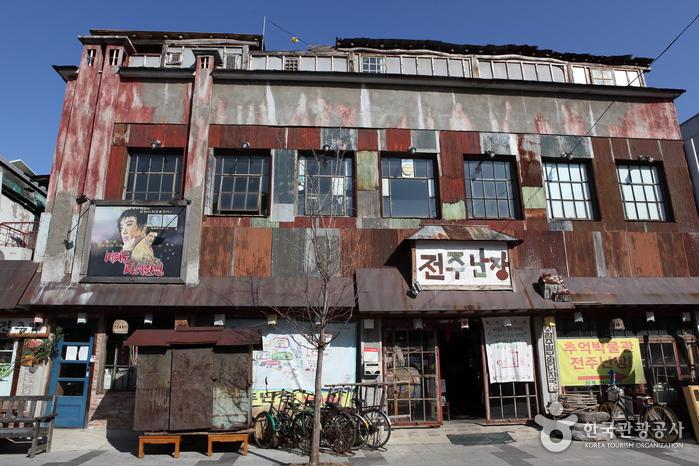
Jeonju Nanjang désigne un musée construit comme un parc thématique situé dans le village des hanok de Jeonju, un endroit idéal pour les prises de photo et les activités autour des traditions de Corée.
Festival International du Film de Jeonju (전주 국제영화제)
623.7M 2025-07-09
22, Jeonjugaeksa 3-gil, Wansan-gu, Jeonju-si, Jeonbuk-do, Republic of Korea
Secrétariat de Jeonju +82-63-288-5433
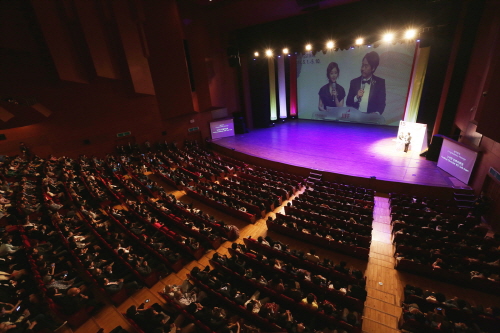
Le Festival International du Film de Jeonju, excitante combinaison entre le plaisir et le cinéma, est une fantastique sortie printanière de neuf jours proposant un grand nombre d’évènements et de films. Il se tient sur la « Movie Street » (Gosa-dong, Jeonju), une rue bourrée de cinémas. Durant les festivités, les rues s’animent de cette énergie contagieuse et de l’enthousiasme des aficionados. Venez vous amuser ce printemps durant la fête du cinéma de Jeonju !
Musée de la calligraphie Gangam (강암서예관)
629.8M 2024-04-07
74, Jeonjucheondong-ro, Wansan-gu, Jeonju-si, Région Jeonbuk
+82-63-285-7442
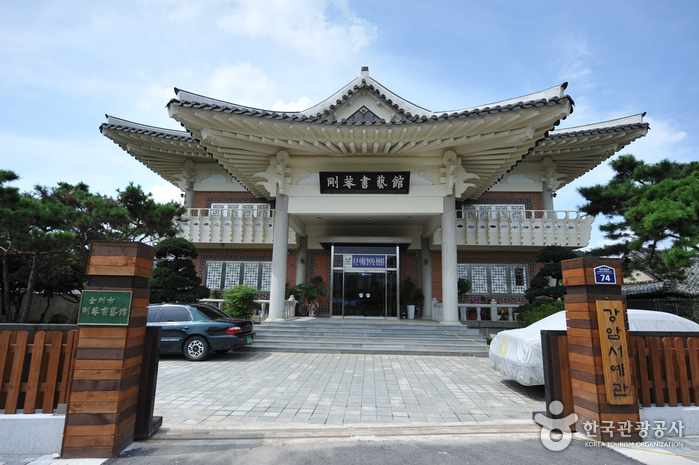
Inauguré en 1995, le musée Gang-am est un établissement spécialisé en calligraphie. Situé dans le village des hanok (maisons traditionnelles coréennes) de Jeonju, il expose environ mille œuvres de calligraphes illustres tel que Kim Jeong-Hui (1786-1856, peintre, calligraphe et savant), Lee Sam-Man (1770-1845, calligraphe), Kim Hong-Do (1745- ?, peintre), Jeong Yak-yong (1762-1836, savant), etc.. Le musée s’étend sur 872 ㎡, il comporte des salles d’expositions et des salles de conférences. Sa collection comprend 1.162 pièces.
Inyeon Hanok (인연)
658.0M 2024-07-01
36, Hanji-gil, Wansan-gu, Jeonju-si, Région Jeonbuk
+82-10-2908-4965
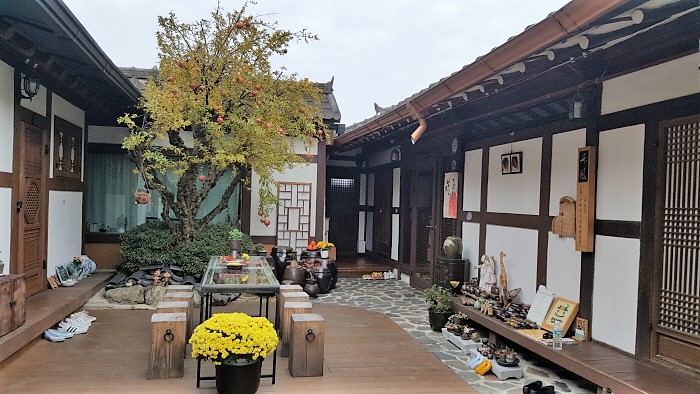
The Korea's largest "hanok (traditional Korean house)" village in the middle of Jeonju, Jeollabuk-do has been there for hundreds of years. Today, you can see new as well as old houses there. “Inyeon” is one of the traditional Korean houses located near the public parking lot on the outskirts of the hanok village, making it a great place to stay overnight in quiet. The word "inyeon" means "relationship" in Korean, referring to all types of ties with other people. The owner of the guesthouse named the place as such because she is greatful for all the guests and wanted to treat them well. She opened the guesthouse in September 2014. Since then, she has been kind enough to tell her guests which places are good to visit and which foods are delicious. She makes sure all the facilities including sheets and blankets are maintained clean for her guests to have a memorable stay. Built in the 1960's and remodeled in 2008, the traditional house is neat with most of the traditional features. It has four guestrooms named "Apricot Flower", "Orchid", "Chrysenthemum", and "Bamboo". The "Orchid Room" and "Bamboo Room" can accommodate up to seven people. The floor is covered with lacquered traditional Korean paper, and there are a number of traditional items in the room including the Korean gong. The traditional Korean ceiling rafters are visible in all the rooms.
All the rooms are furnished with a bathroom, air conditioner, TV, refrigerator, toiletries, and hair dryer. There is a 200-year-old pomegranate tree in the yard, and a table and chairs right in front of it for the guests to relax on a fair day. The table made of an old door and chairs made of a log under the red pomegranates are one of the most outstanding features of this guesthouse. There are lots of traditional items in the yard with which you can play traditional Korean games such as "yutnori" and "jegichagi", all of which can be used by the guests for free.

Village de hanok de Jeonju [Ville lente] (전주한옥마을 [슬로시티])
668.5M 2025-08-12
29, Eojin-gil, Wonsan-gu, Jeonju-si, Région Jeonbuk
+82-63-282-1330
Ce village traditionnel situé dans la ville de Jeonju s’étend sur une partie des quartiers Pungnam-dong and Gyo-dong et compte près de 800 maisons traditionnelles ou « hanok ». Alors que le reste de la ville a été modernisée, ce village dans la ville est resté tel quel et conserve toujours ses anciennes traditions.
La beauté du village de hanok de Jeonju réside principalement dans l’élégance des courbures de ses toits. Les bords des toits remontent légèrement vers le ciel, c’est la particularité des hanok. Généralement les hanok se divisent en deux parties dénommées anchae et sarangchae ; le anchae étant le domaine réservé à la femme et donc meublé en conséquence, le sarangchae étant la partie où réside l’homme. Alors que hommes et femmes vivaient séparement, le anchae se situait au fond de la maison, dans une partie plus calme et en retrait. Une autre caractèristique des hanok est le ondol, un système de chauffage par le sol. En effet, les Coréens s’asseyaient, mangeaient et dormaient sur le sol, ce système de chauffage était finalement nécessaire.
La structure du ondol, se compose de plusieurs foyers situés sous le sol surélevé de la maison, la chaleur émise par ces foyers chemine dans un circuit couvrant la surface des pièces.
L’architecture des hanok assuraient donc la chaleur pour les hivers rigoureux mais apporter aussi de la fraîcheur l’été avec une pièce centrale composée de plancher.
Omokdae et Imokdae (오목대와 이목대)
690.9M 2025-08-12
1-3, Gyodong 1-ga, Wansan-gu, Jeonju-si, Région Jeonbuk
+82-63-281-2114
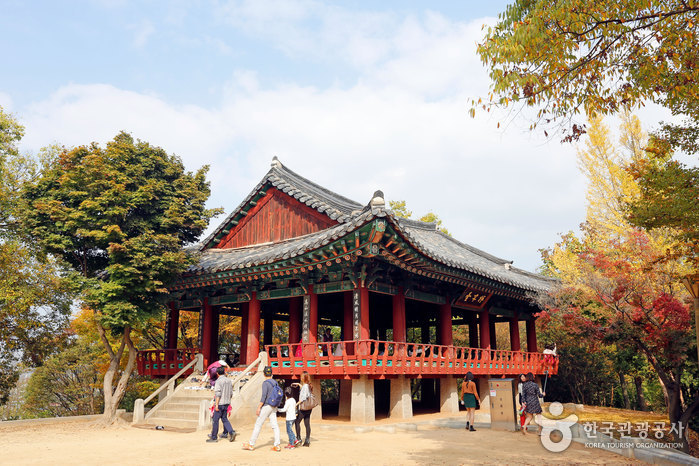
Omokdae, situé en haut d'une colline est le lieu où Yi Seong-gye (qui devint plus tard le Roi Taejo) s'arreta pour célébrer sa victoire lors d'une bataille contre l'armée japonaise au Mont Hwangsan à Unbong vers la fin de la période Goryeo. C'est aussi là où Mokjo, l'un des ancêtres de Yi Seong-gye, vécut. Plus tard, le Roi Gojong y établit une statue monumentale, “Taejogohwang Jejupilyujibi” avec une phrase écrite de sa propre main. De l'autre côté de Yukgyo, à partir d'Omokdae, se trouve Yimokdae, au pied du Mont Seungamsan où Chimyeongjasan, sité sacré pour les catholiques demeure. A 80 m de Yimokdae se trouvent un mémorial et une maison. “Mokjodaewang Gugeoyuji”, la phrase gravée sur le monument en pierre, fut écrite par le Roi Gojong en personne. Mokjo est le cinquième ancêtre du Roi Taejo, qui fonda la Dynastie Joseon. Imokdae est connue pour être le lieu où Mokjo vécut, jouant à des jeux de formation de bataille avec ses amis étant enfant. Cette anecdote apparait également dans le Yongbieocheonga (ballade du 15e siècle narrant la longévité nationale et la réussite culturelle). Mokjo se rendit à Hamgyeong-do à partir d'Imokdae (à Jeonju) en raison de la querelle qu'il eut avec le Jeonju Busan (officiel de l'etat gouvernant la région de Jeonju). Yi Seong-gye pensa que le départ de Mokjo était quelque chose ayant été guidé par les dieux afin qu'il (Yi Seong-gye) puisse fonder Joseon et devenir le premier roi de la dynastie.
Bibliothèque du village des arts Seohak (서학예술마을도서관)
696.8M 2024-04-08
12-1, Seohak-ro, Wansan-gu, Jeonju-si, Région Jeonbuk
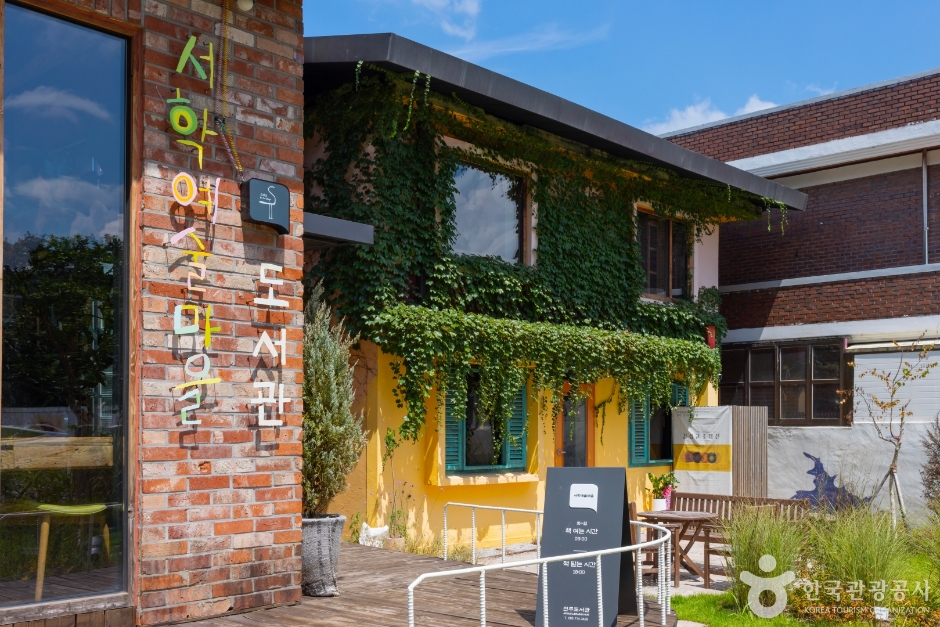
La bibliothèque du village des Seohak a ouvert en juin 2022 à Jeonju, dans la région Jeollabuk-do. L'établissement abrite près de 1000 livres. Le site est réputé pour ses belles décorations. La biblithèque se situe dans un ancien bâtiment qui servait autrefois de café et de galerie faisant de l'endroit davantage un 'book café' qu'une bibliothèque.
Jeonggahanog / 정가한옥
710.5M 2025-03-05
78-3, Girin-daero, Wansan-gu, Jeonju-si, Région Jeonbuk
+82-10-9934-1300
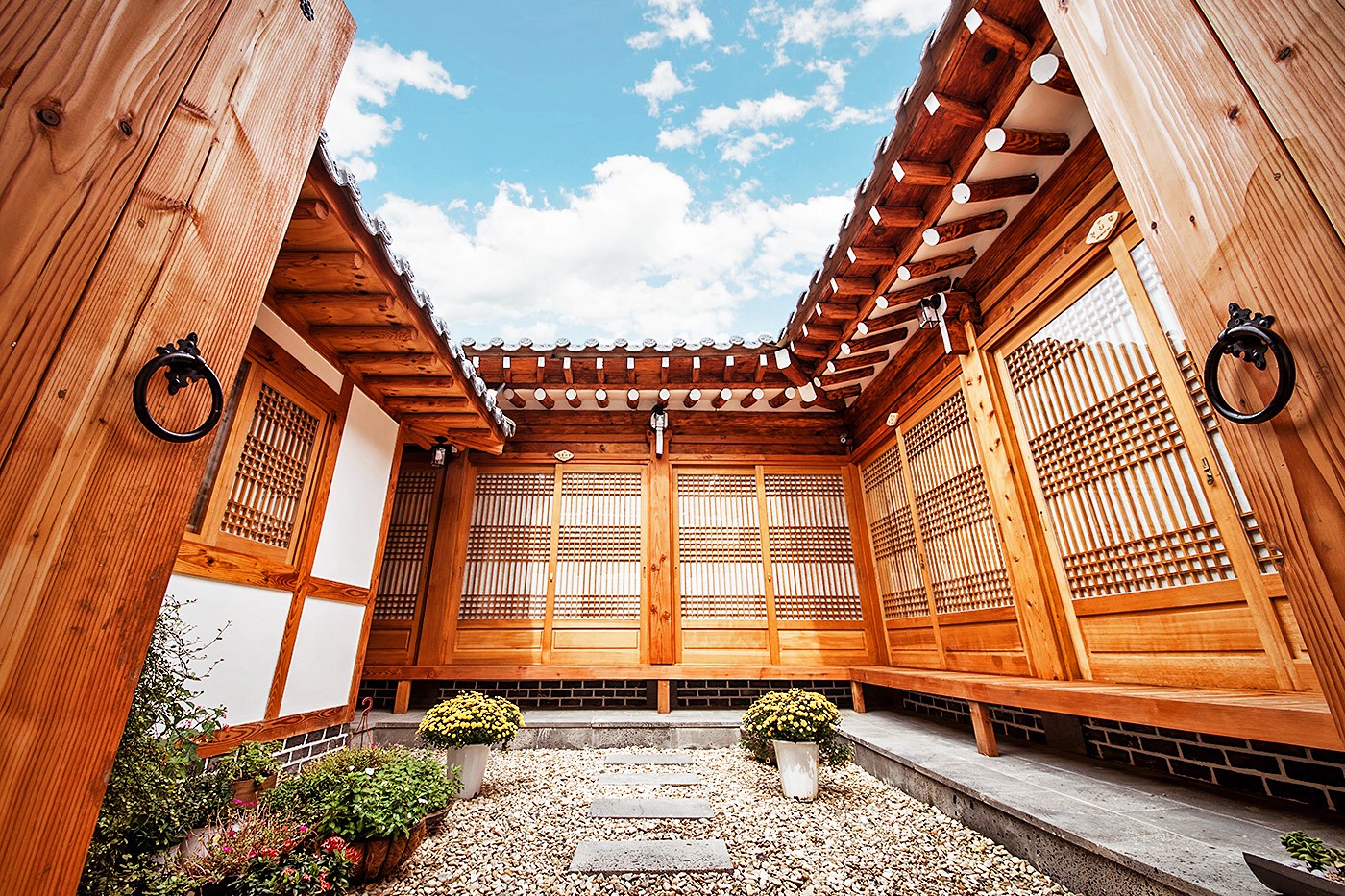
Jeongga Hanok is a space where the traditional beauty of hanok and the modern comfort co-exists. The newly built Hanok is neat and pleasant. When you enter the small cobbled yard, the porch and the eaves will welcome you, and you’ll find that the rooms are filled with delicate wood fragrance. The interior is furnished with Korean cypress trees and red clay. In particular, the Cypress Tree room is all made of cypress trees, from the walls to the ceiling, making guests feel like they are lying in a forest. Maple Room and Ginkgo Tree Room, meanwhile, have attics.
Jeongga Hanok faces Jeonju Hanok Village with the Girin-daero in the middle. Hanok Village is just across the road. Major attractions such as Gyeonggijeon, Jeondong Catholic Cathedral, and Jeonjuhyanggyo Confucian School are all within walkable distance. Omokdae, which offers an unhindered view of Hanok Village, is located over the pedestrian overpass. Jaman Mural Village, famous for colorful mural and cozy cafes, is about 300 meters away and a great spot for selfie lovers.
 Français
 한국어
한국어 English
 日本語
日本語 中文(简体)
 Deutsch
 Español
 Русский


