
Plaza Gwanghwamun (광화문광장)
1.5Km 2022-07-25
Sejong-daero 172, Jongno-gu, Seúl.
+82-2-120
Inaugurada el 1º de agosto del 2009, la plaza ha sido remodelada como un espacio turístico y recreativo en los alrededores de la Sejong-daero, que se sitúa en el centro de Seúl. El área tiene una historia que data de 600 años.
Durante un largo tiempo, esta calle fue exclusiva para los vehículos, pero con esta última remodelación, ofrece un ambiente especial para las personas. Desde esta plaza se podrá observar el magnífico paisaje del palacio Gyeongbokgung, el monte Bukhansan, etc., y también se ha restaurado la antigua calle Yukjo, para transmitir un ambiente histórico y cultural a los ciudadanos y turistas que la visitan.
La plaza tiene una longitud de 550 m y una anchura de 34 m, se encuentra localizada en el corazón de Seúl. Está clasificada en varios rubros históricos y culturales para el entretenimiento de los visitantes: está el sector de restauración del paisaje de la calle Yukjo, el sector que representa la historia del antiguo Gwanghwamun, el sector cultural para la participación de los ciudadanos, el sector que conecta con el arroyo Cheonggyecheon, etc. Entre las esculturas y establecimientos artísticos famosos están: la estatua del Haetae (criatura mítica coreana), representación del paisaje histórico de la calle Yukjo, la estatua del Gran Rey Sejong, pantallas acuáticas que reflejan los imágenes de la escritura coreana “Hangeul”, etc., entre otras instalaciones tecnológicas y culturales.
Las dos estatuas de grandes dimensiones que representan esta plaza son la del almirante Yi Sun-sin y el Gran Rey Sejong. En los alrededores también se han instalado un estanque y una fuente de agua. La zona que conecta con el arroyo Cheonggyecheon permite el acceso cómodo al palacio Gyeongbokgung y al arroyo. Las aguas subterráneas que brotan de las estaciones de metro de Gyeongbokgung y Gwanghwamun son emitidas hacia el arroyo Cheonggyecheon por medio de un acueducto, y, como la estación de metro está conectada con la parte posterior de la estatua del almirante Yi Sun-sin, los visitantes pueden llegar a la plaza con facilidad. Normalmente, las calles de la plaza son utilizadas para la circulación de los vehículos, pero en caso de festivos nacionales, se restringe el tráfico para disponerlo como área de festivales.
Museo de Arte de Seúl, sede central en Seosomun [SeMA] (서울시립미술관(서소문본관))
1.5Km 2025-05-13
Deoksugung-gil 61, Jung-gu, Seúl
El museo que une el palacio Deoksugung con el palacio Gyeonghuigung fue construido en la parte restante de la antigua Corte Suprema en el estilo de los años 1920. Los 6 espacios de exposición más importantes son el vestíbulo principal, la sala de esculturas y la sala especial que expone colecciones de arte moderno de Corea. En el vestíbulo Chon Kyung-Ja, situado en el segundo piso, los visitantes podrán contemplar 93 pinturas procedentes de donaciones. Principalmente retratos o pinturas de naturaleza muerta creadas de 1940 a 1990 por el artista Chon Kyung-Ja, considerada como la principal pintora femenina coreana. La sala de arte experimental puede acoger alrededor de 200 visitantes y tiene una multifuncionalidad ya se trate de proyecciones cinematográficas, música, conciertos, teatro, etc. El museo tiene una tienda de arte y una cafetería. Después de la visita del museo, tómese el tiempo de pasear y apreciar el lugar, dé una vuelta por la tienda de arte.
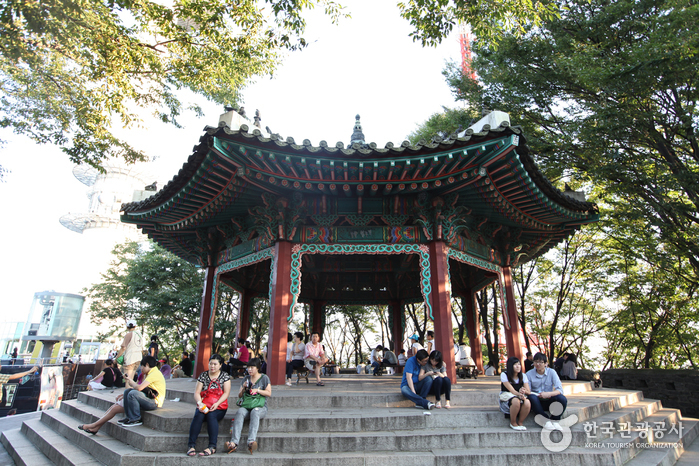
Pabellón Palgakjeong de Namsan (남산 팔각정)
1.5Km 2021-06-19
Namsangongwon-gil 105, Yongsan-gu, Seúl
Originalmente conocido como Unamjeong, este pabellón fue construido para conmemorar al entonces presidente Rhee Syng-man en 1959, y fue demolido por el Movimiento del 19 de abril de 1960, y reconstruido de nuevo el 11 de noviembre de 1968. Este pabellón se encuentra en la cima del monte Namsan, con vistas increíbles de toda la ciudad.
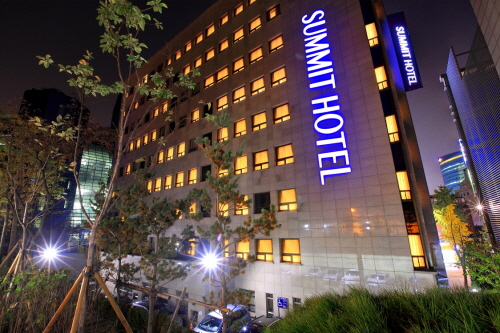
Summit Hotel Seoul (써미트 호텔 서울)
1.5Km 2024-03-05
Jangchungdan-ro 198, Jung-gu, Seúl
El Summit Hotel Seoul fue inaugurado en septiembre de 2013 en pleno centro de la ciudad de Seúl. Es un edificio de 3 subsuelos y 9 pisos, con un total de 190 habitaciones, entre las que hay de tipo Standard, Deluxe y Royal, entre otras. Tiene recepción las 24 horas y es perfecto para celebrar reuniones de negocios, gracias a sus amplias y cómodas instalaciones. Hay una cafetería en el área de la recepción.
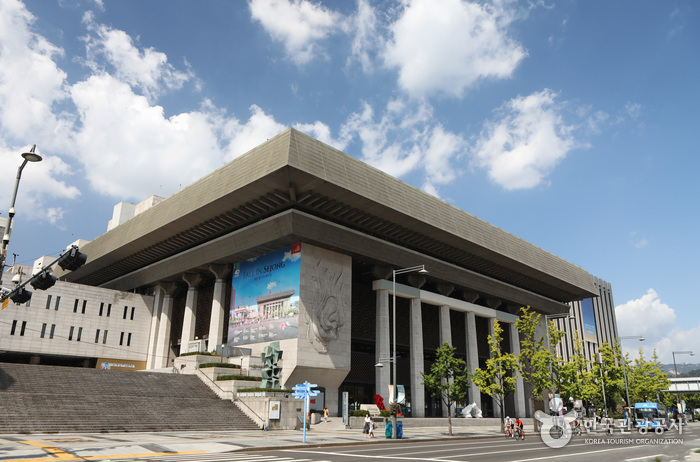
Centro Cultural Sejong (세종문화회관)
1.5Km 2023-10-30
Sejong-daero 175, Jongno-gu, Seúl
El Centro Cultural Sejong fue construido en 1978 en Gwanghwamun. Tiene un teatro grande, un teatro pequeño, una galería de arte y otros lugares para albergar varias clases de actuaciones y exhibiciones. El teatro grande del Centro Sejong, su escaparate principal, tiene el mayor órgano de tubos de Asia, y un escenario majestuoso. Puede alojar a 3.822 personas, y su escenario puede transformarse para ajustarse a muchas clases de actuaciones diferentes, como conciertos, obras, ballets y películas, para acentuar sus mejores cualidades. El sistema de iluminación y sonido del escenario, digno de los teatros más grandes, están controlados por ordenador para un control de precisión. El teatro pequeño puede alojar a 442 personas en sus dos pisos, y el escenario es muy grande, considerando el tamaño del teatro pequeño –unas 100 personas pueden estar en el escenario al mismo tiempo-. La galería de arte del Centro Sejong está compuesta en realidad por tres galerías, una en el edificio principal, otra en el edificio anexo y otra más en la sección del Centro añadida recientemente. Las tres son lugares de exhibición vanguardistas. También hay una tienda de arte, salas de conferencias para artistas y muchas salas espaciosas en donde puede relajarse. Incluso si no está aquí para ver ninguna exposición, es un lugar que vale la pena recorrer.
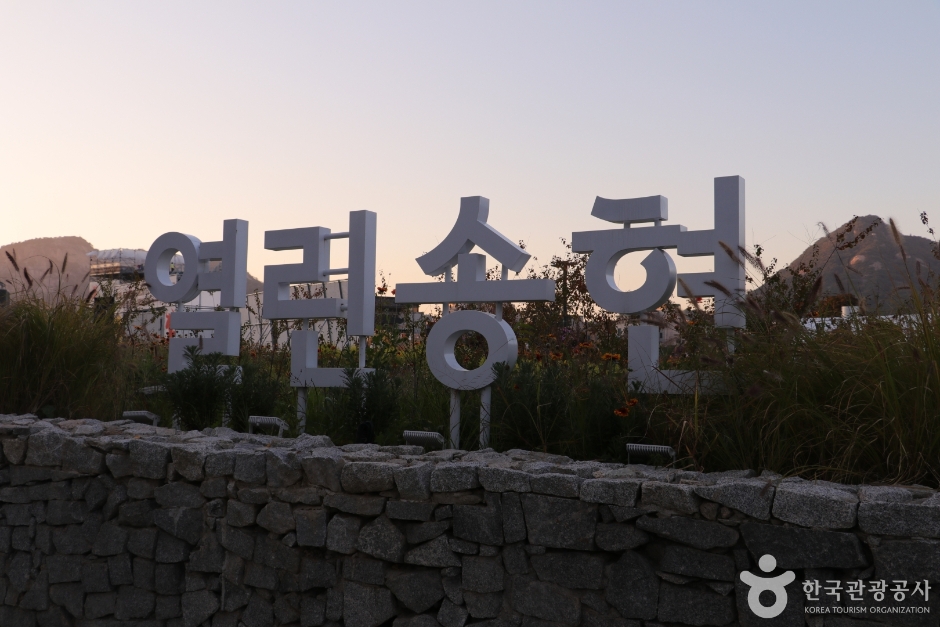
Parque Abierto Songhyeon (열린송현녹지광장)
1.5Km 2025-05-28
Songhyeon-dong 48-9, Jongno-gu, Seúl
El Parque Abierto Songhyeon es un espacio verde ubicado en el barrio de Songhyeon-dong, distrito de Jongno-gu, Seúl, muy cerca del Palacio Gyeongbokgung. Durante el período de ocupación japonesa (1910-1945), el sitio se utilizó como vivienda para el Banco Shokusan, y posteriormente como cuartel militar y de la embajada estadounidense, y fue devuelto al Gobierno coreano en 1997. Tras la devolución, quedó abandonado y rodeado por un alto muro; pero en 2022, la propiedad pasó a la Corporación Nacional de Vivienda de Corea y posteriormente al Gobierno Metropolitano de Seúl, abriéndose al público como el Parque Abierto Songhyeon. El espacio, destinado ahora para el descanso y la cultura, se puede ver desde la avenida Yulgok-ro, y está decorada con flores cosmos y zinnias. Dentro del parque hay un atajo que conecta el Palacio Gyeongbokgung y el barrio de Bukchon. No muy lejos se encuentran sitios turísticos destacados como Cheong Wa Dae, la Plaza Gwanghwamun, Insadong y el barrio de Bukchon.

Namsan Seoul Tower (남산서울타워)
1.5Km 2025-04-02
Namsangongwon-gil 105, Yongsan-gu, Seúl.
Abierta al público el 15 de octubre de 1980, la Torre de Seúl ha sido designada como una importante atracción turística, desde la que se puede tener una hermosa vista panorámica de Seúl. La Torre de Seúl, de 236,7 metros de altura, construida sobre el monte Namsan –de 243 m–, ha sido conocida como la mejor torre de Asia. Tras 30 años de apoyo ferviente de los turistas, fue remodelada el 9 de diciembre de 2005. La letra N significa “nuevo”, por su aspecto, y fue invertido un coste de construcción total de 15 mil millones de wones en dar a la Torre de Seúl su nueva apariencia. Con la construcción del nuevo sistema de alumbrado, varía en cada estación o evento. Además, la iluminación, con el tema de “La flor de Seúl”, tiene lugar desde las 19:00 hasta la medianoche, con el empleo de 6 reflectores distintos desde diferentes ángulos. El lobby cuenta con una Zona Multimedia, una Sala de Experiencia del Pabellón, salas de exhibiciones y salas de actuaciones. También hay el restaurante N Grill, de estilo occidental, que gira 360 grados cada 48 minutos, y el Sky Restroom que ofrece comodidad y vistas panorámicas de Seúl; ambos son ideales para parejas y amigos.
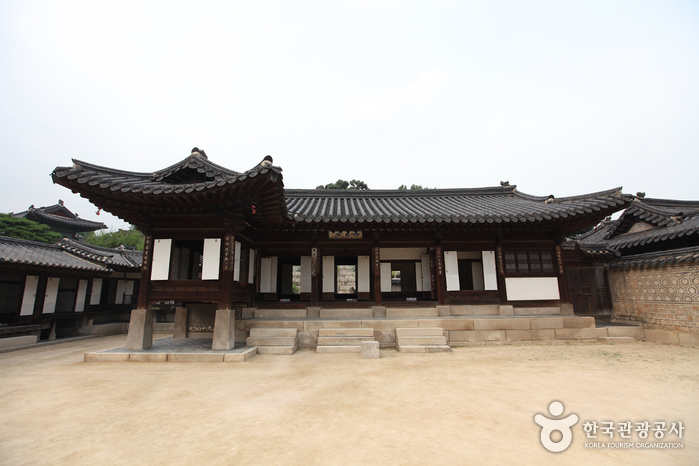
Pabellón Nakseonjae (낙선재)
1.5Km 2021-09-28
Yulgok-ro 99, Jongno-gu, Seúl.
Este pabellón se encuentra dentro del palacio Changdeokgung. Es una estructura de 1 solo piso construida en el estilo tradicional. Tiene 6 kan (compartimientos) en el frente y 2 kan a los lados. Este pabellón fue levantado en 1846 e incluye los salones Seokbokheon y Sugangjae. Detrás de él, hay un jardín de flores con grandes rocas. Las chimeneas, las flores y el entorno conforman una escena muy pintoresca.
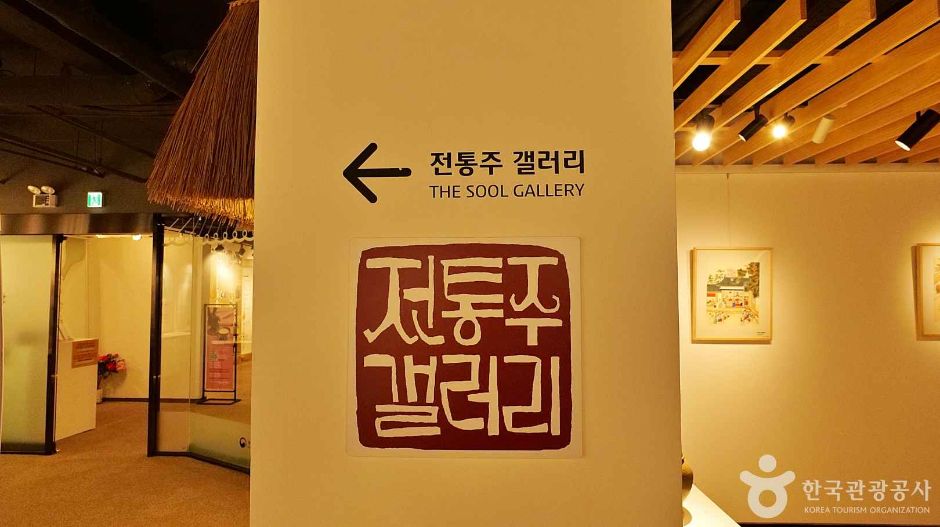
The Sool Gallery (전통주갤러리)
1.6Km 2025-05-28
Bukchon-ro 18, Jongno-gu, Seúl
The Sool Gallery es un espacio de exposiciones y actividades dedicadas a los licores tradicionales coreanos, creado para promover el sabor, el estilo y los valores culturales de las bebidas alcohólicas típicas de Corea. El centro ofrece información diversa sobre licores tradicionales coreanos a consumidores y turistas internacionales que difícilmente pueden obtenerla en otros lugares. Además, lleva adelante cursos de formación sobre licores tradicionales y da asesoramiento a empresas de alimentación y expertos en ventas para impulsar la demanda de licores tradicionales y expandir el mercado. En ese sentido, expertos en el área, incluidos sommeliers de renombre, organizan eventos mensuales para presentar diversos licores tradicionales con diferentes temáticas, así como sesiones de catas.
Espacio del Hansik E:eum (한식문화공간 이음)
1.6Km 2025-05-28
Bukchon-ro 18, Jongno-gu, Seúl
El Espacio del Hansik E:eum, gestionado por el Instituto de Promoción del Hansik, es un complejo cultural ubicado en el distrito de Jongno-gu, Seúl, dedicado a la comida coreana hansik. Cuenta con diversas instalaciones en las que se realizan exposiciones, cursos de formación y espectáculos, y también tiene una biblioteca, donde los visitantes pueden aprender más sobre los sabores y estilos de la cocina coreana.
 Español
 한국어
한국어 English
 日本語
日本語 中文(简体)
 Deutsch
 Français
 Русский


