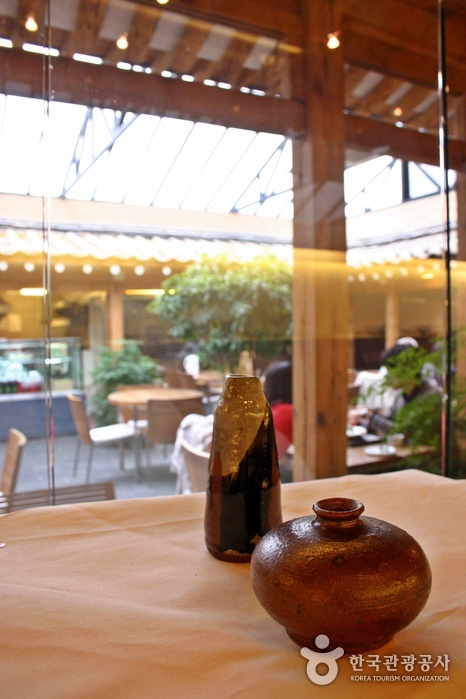
Museo del Té Areumdaun (Beautiful Tea Museum) (아름다운 차박물관)
1.0Km 2025-12-17
Insadong-gil 19-11, Jongno-gu, Seúl.
El Museo del Té Areumdaun es un espacio multicultural y comprende una galería que invita a descubrir obras de porcelana realizadas por jóvenes artistas, una tienda que propone alrededor de 110 tipos de té de Corea, China, Japón, Taiwán, Sri Lanka, India y países de Europa, y un salón para degustar un buen té. La sala de exposiciones se divide en tres secciones destinadas respectivamente a Corea, China y el Tíbet. Allí se exponen diversos estilos de servicios de té para tener una impresión de las características del arte del té de cada país. Asimismo, jóvenes artistas organizan exposiciones y ventas. El museo expone cerca de 130 tipos de té, podrá comprar o degustar diferentes variedades como té clásico, té verde, té azul, té negro, té a las hierbas, té a las flores, etc.
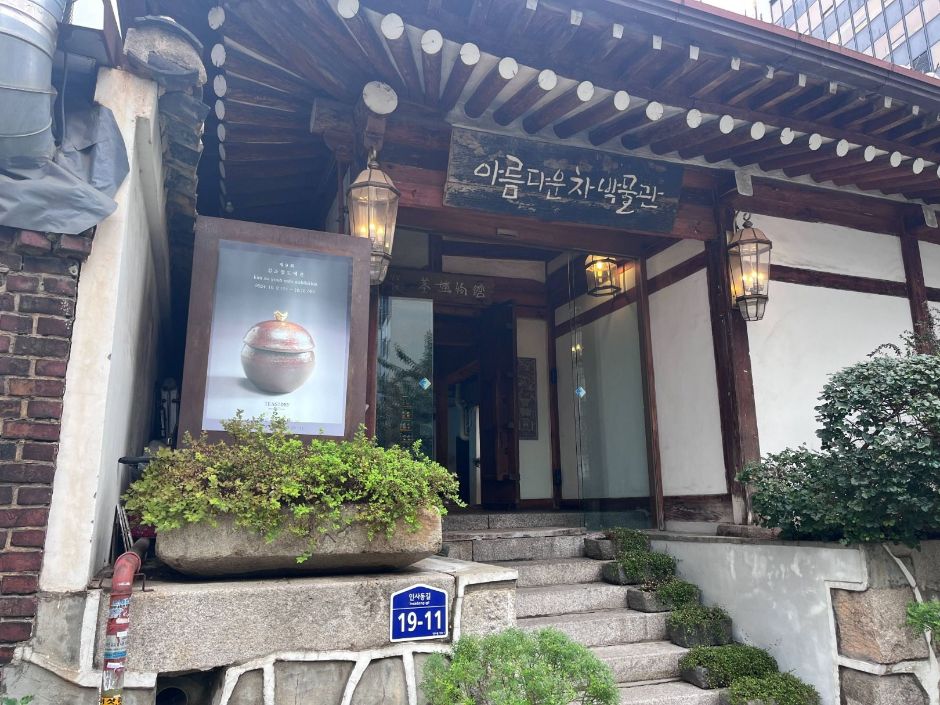
Areumdaun Cha Bangmulgwan (Beautiful Tea Museum) (아름다운차박물관)
1.0Km 2025-05-27
19-11, Insadong-gil, Jongno-gu, Seoul
In addition to gourmet restaurants, traditional tea houses are a popular destination in Insa-dong. Among them, we recommend Areumdaun Cha Bangmulgwan, where you can taste more than 100 types of tea, including Korean, Chinese, Japanese, and Taiwanese. The shop also serves as a museum and gallery. Enjoy a leisurely cup of tea as you appreciate the art that is on display.
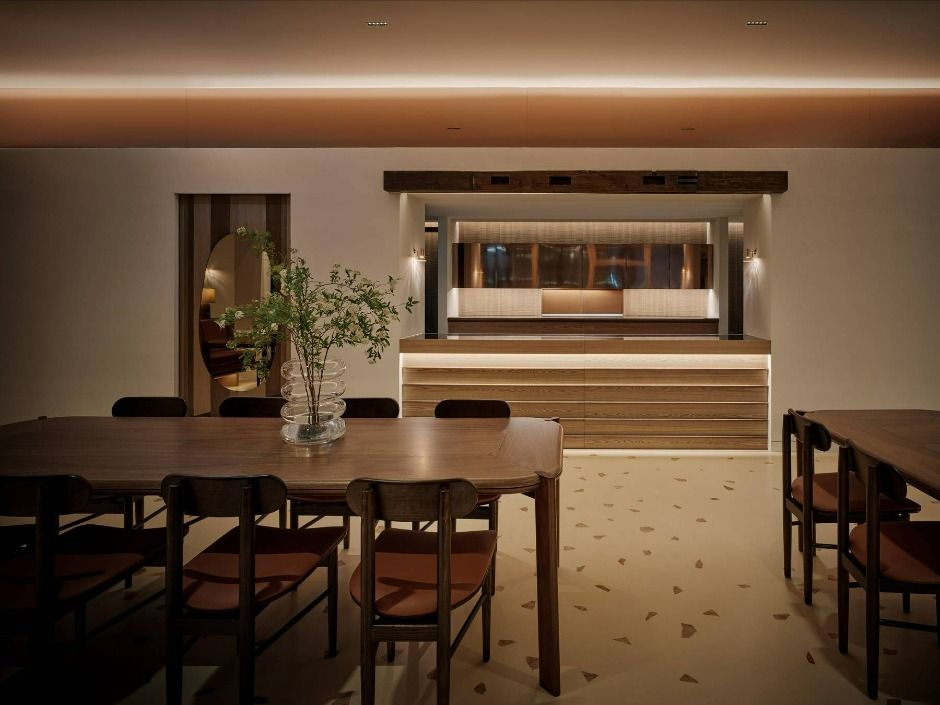
Mallijihwa Main Branch (만리지화 본점)
1.0Km 2025-11-27
17, Jong-ro 3-gil, Jongno-gu, Seoul
Mallijihwa, which embodies the meaning "eel that travels 10,000 ri and met fire," is an eel dining brand that modernizes the depth of Korean gastronomy. The restaurant's name was inspired by the eel's remarkable strength to swim across vast oceans to its spawning grounds—so significant that it is referred to as "malli fish" in the "Donguibogam" ("A Precious Mirror of Eastern Medicine"). Hence the name, Mallijihwa specializes in serving grilled eel, which is carefully grill with briquettes. The restaurant reinterprets eel with Korean aesthetics, offering a comfortable and elegant dining experience in a space that blends traditional architectural elements with a modern twist. The dishes served here offers an outstanding dining experience where the texture of the eel melts in one's mouth, and its flavor lingers long after. Signature dishes include grilled eel rice bowls, grilled eel, eel gujeolpan (platter of nine delicacies), and eel meal courses. The restaurant also offers seasonal lunch box made with fresh, seasonal ingredients.
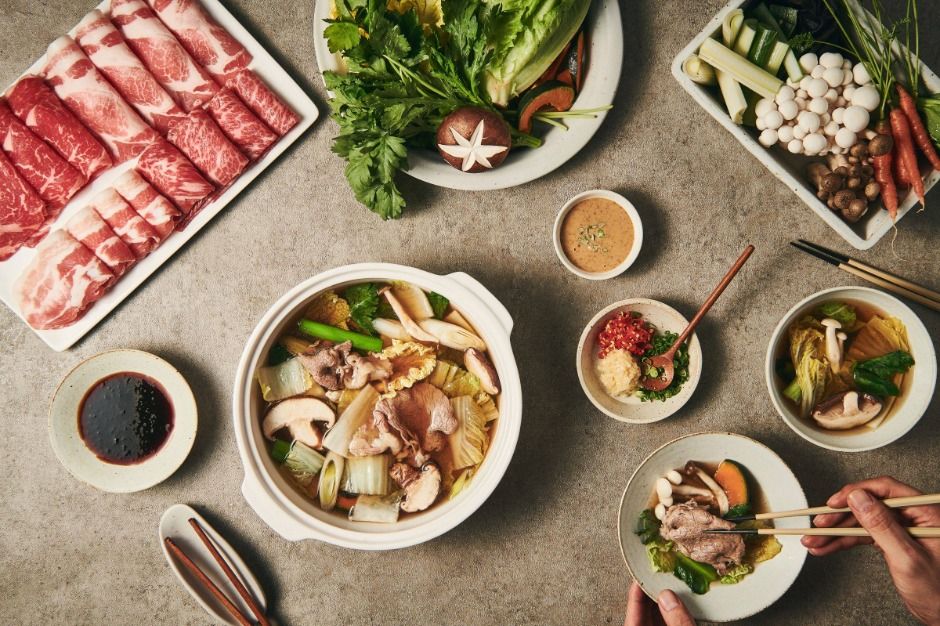
Modern Shabu House Gwanghwamun D Tower Branch (모던샤브하우스 광화문D타워점)
1.0Km 2025-12-03
17, Jong-ro 3-gil, Jongno-gu, Seoul
Located in Jongno-gu, Modern Shabu House Gwanghwamun D Tower Branch offers a selection of specialty broths to enjoy unlimited beef, pork, and vegetables. The restaurant serves four cuts of pork and beef in every course. The interior is designed with natural materials like earth, stone, and wood, inspired by the fluid process of cooking ingredients like meat and vegetables in a pot. The design reflects the natural movement and flow of ingredients as they cook together. The restaurant also has a range of private rooms, making it a popular choice for families with children and for gatherings, providing a comfortable dining experience.

Parque del Monte Namsan en Seúl (남산공원(서울))
1.1Km 2024-02-22
Samil-daero 231, Jung-gu, Seúl.
El Parque del Monte Namsan (265 m sobre nivel de mar) está en un monte emblemático del centro de la ciudad de Seúl. Pese a que no es muy alto, gracias a su ubicación y la vista panorámica que se logra desde su cumbre, el monte Namsan es muy popular como lugar de descanso.
Sobre la cumbre del monte Namsan hay varias instalaciones de prestaciones públicas tales como Palgakjeong (sala octogonal), Namsan Seoul Tower y la Biblioteca de Namsan, entre otras. Para llegar a la cima, podrá optar por subirse a un teleférico o ir por un sendero escalonado. Además de esta senda de escalones, hay muchos otros caminos para subir a pie a la cumbre partiendo de Namdaemun, Hoehyeon-dong, Toegye-ro 3 -ga, Parque Jangchung, Itaewon, Huam-dong, etc.
El Parque del Monte Namsan también es un sitio histórico. En la cumbre del monte hallará el Bonghwadae (montículo de almenara) porque este fue una vez el centro de defensa de la capital. Durante la dinastía Joseon (1392-1910), la capital fue fundada en Hanyang (la actual Seúl) y para proteger a la ciudad de las invasiones, se construyeron muros de protección en las cuatro montañas principales: Bugaksan, Inwangsan, Naksan y Namsan.
Sobre el pico de Namsan, se levantaron cinco montículos de almenara para informar al gobierno central las noticias del gobierno local con un sistema de señales de fuego. También sobre la cima del monte Namsan, se encuentra el pabellón Palgakjeong, desde el cual se tiene una fantástica vista panorámica.
Desde Namsan Seoul Tower (479,7 metros de altura), podrá ver un panorama de la ciudad. El restaurante giratorio sobre la torre ofrece también vistas grandiosas. Se recomienda especialmente ir a visitar este lugar de noche, para disfrutar de las vistas de la ciudad bellamente iluminada.
Dongwha Duty Free (동화면세점)
1.1Km 2025-08-04
Sejong-daero 149, Jongno-gu, Seúl.
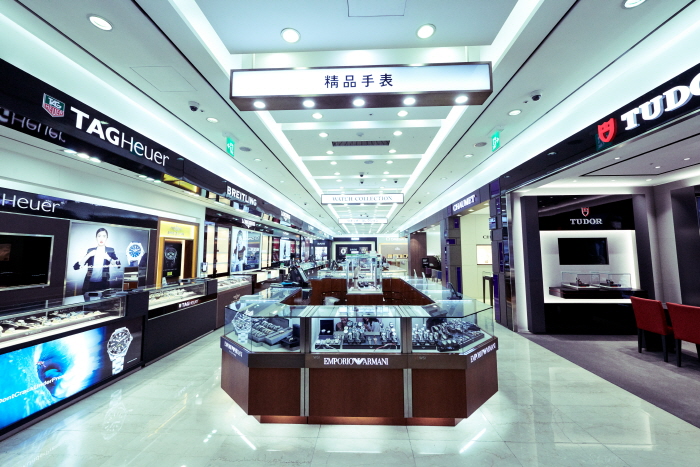
Dongwha Duty Free solo tiene en venta las mejores marcas del mercado. Puede encontrar las últimas marcas con más tendencia de perfumes, cosméticos, accesorios, entre otros. Aparte de marcas coreanas y extranjeras, puede también encontrar productos de especialidad coreana u objetos tradicionales de todo el mundo.
Imun Seolnongtang (이문설농탕)
1.1Km 2025-08-08
38-13, Ujeongguk-ro, Jongno-gu, Seoul
Imun Seolnongtang has been serving its hearty seolleongtang for over a hundred years since it first opened in 1907. Even its name has a long history: the word imun comes from Imun-gol, the now-obsolete name of the restaurant’s location, and seolnongtang, an old variation of the word seolleongtang. During the Japanese ocupation rule, the restaurant’s regular customers included Gijeong Son, the marathon gold-medalist at the 1936 Berlin Olympics. To make the rich seolleongtang broth, beef meat and bones are simmered for more than 15 hours. Try putting rice and minced green onion in your seolleongtang for a warm and tasty experience. Kkakttugi (diced radish kimchi), provided as a side dish, is also delicious.
Korea Samgyetang (고려삼계탕)
1.1Km 2025-05-19
1, Seosomun-ro 11-gil, Jung-gu, Seoul
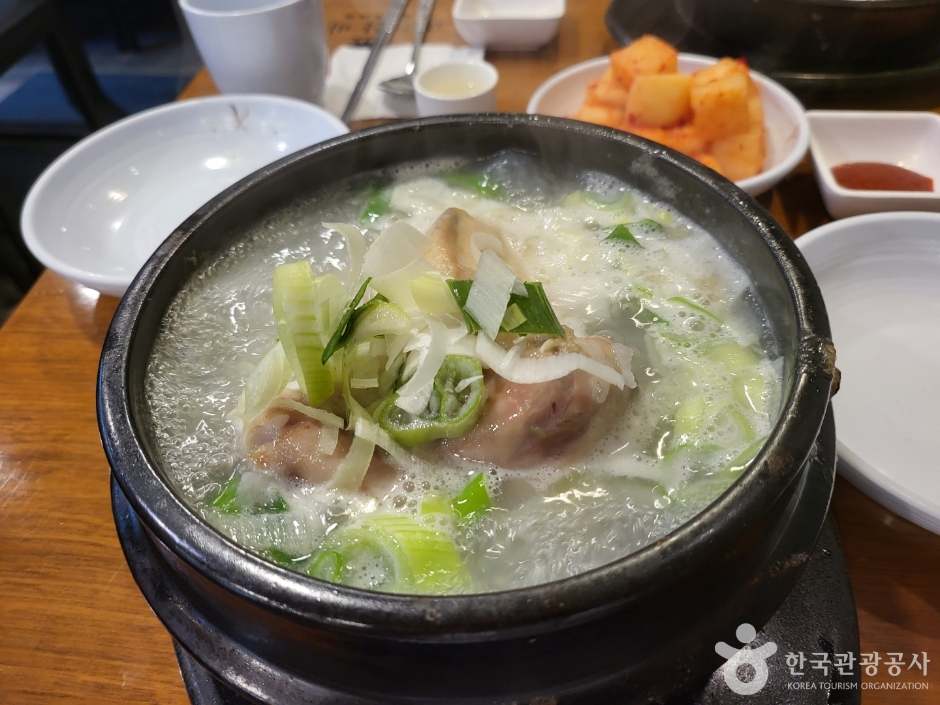
Korea Samgyetang serves up delicious samgyetang (ginseng chicken soup) made using only 4-year-old ginseng cultivated in Geumsan (a town famous for its ginseng) and chickens raised on local farms. Young chickens (no more than 49 days old) are butchered and delivered fresh daily, making for only the tenderest meat. The chicken is boiled with high-quality ginseng, dates, garlic, glutinous rice, and various medicinal herbs to make a flavorful and energizing soup.
Centro de Arte de Seúl Galería Gongpyeong (서울아트센터 공평갤러리)
1.1Km 2023-01-03
Samil-daero 30-gil 10-3, Jongno-gu, Seúl.
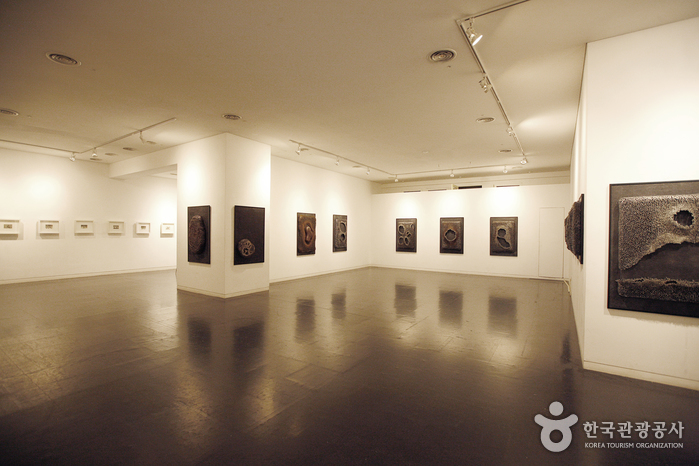
Esta galería, inaugurada en 1992, tiene grandes dimensiones: posee 2 pisos, con 4 salas de exposición. La institución organiza exposiciones de todo tipo: arte oriental, occidental, coreano, de escultura, etc., por lo que es un destino imperdible durante una visita a Insa-dong. Más que ser un espacio destinado únicamente a las exposiciones, trata de desarrollarse como un complejo cultural artístico.
Museo Conmemorativo Appenzeller Noble (배재학당역사박물관)
1.1Km 2022-09-27
Seosomun-ro 11-gil 19, Jung-gu, Seúl
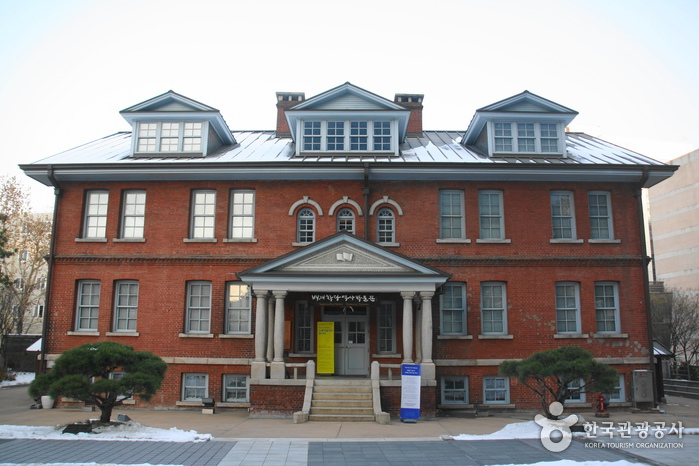
El Museo Conmemorativo Appenzeller Noble abrió en 2008 en el Instituto Pai Chai, una institución educacional de estilo occidental construida en 1916. El edificio del museo está designado como como Monumento de Seúl. Con exposiciones permanentes dispuestas dinámicamente, exposiciones especiales anuales y conferencias especiales, el museo ofrece una experiencia de aprendizaje única para los visitantes y personas que tengan interés en la historia de la educación en Corea.
 Español
 한국어
한국어 English
 日本語
日本語 中文(简体)
 Deutsch
 Français
 Русский


