
Universidad Femenina de Ewha (이화여자대학교)
3.5Km 2023-07-03
Ewhayeodae-gil 52, Seodaemun-gu, Seúl.
La Universidad Femenina de Ehwa fue fundada en el año 1886 por Mary Scranton, la esposa de un misionero estadounidense de la iglesia cristiana metodista y fue la primera universidad femenina en Corea. El nombre de la universidad proviene de la "escuela Ehwa", cuyo nombre fue puesto en 1887 por la emperatriz Myeongseong (1851-1895). En 1910 se establecieron cursos académicos de 4 años de duración. En 1943, bajo presión del régimen de ocupación japonés, se degradó la institución despojándola de su nombre Ehwa y degradándola a escuela. Tras la liberación de Corea, en octubre de 1945 recuperó su nombre y fue reinstaurada como universidad, ofreciendo varias carreras. Las calles de los alrededores de esta universidad son famosas por sus tiendas de moda. Desde la estación del metro de la línea 2 (que lleva su nombre) hasta la entrada principal de la universidad, usted podrá encontrar tiendas de toda clase: tienda de ropas, zapaterías, tiendas de accesorios, restaurantes, cafeterías, salones de belleza, etc.
Dubai Restaurant (두바이레스토랑)
3.5Km 2025-05-19
192, Itaewon-ro, Yongsan-gu, Seoul
Dubai Restaurant in Itaewon offers authentic Arabian cuisine as well as shisha (water pipe smoking). Located in the middle of Itaewon, it’s popular among both Koreans and foreigners.
The Hyoosik Nouvelle Seoul Itaewon (더휴식 누베르 서울 이태원점)
3.6Km 2025-04-11
11, Usadan-ro 14-gil, Yongsan-gu, Seoul
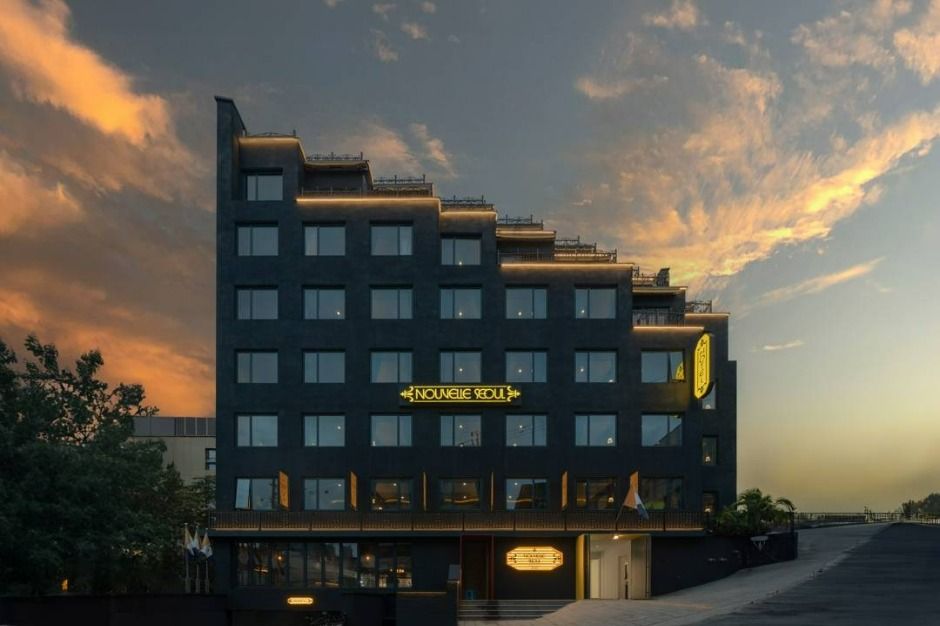
The Hyoosik Nouvelle Seoul Itaewon aims to rediscover Seoul through creativity and inspiration. The overall design of the hotel is inspired by French avant-garde, using a variety of objects and props to create an artistic and stylish atmosphere. The hotel has Collection T room type, a twin bedroom; Collection D room type, a double bedroom; and Collection S room type, a single bedroom. On the first floor of the hotel is a guest lobby and a pasta restaurant. The hotel's parking lot is limited in space, and therefore guests are advised to use a nearby public parking lot.
Taj Palace (타지펠리스)
3.6Km 2025-05-19
39, Usadan-ro, Yongsan-gu, Seoul
Named after the Taj Mahal, Taj Palace serves authentic Indian dishes prepared by an Indian chef. The restaurant owner hired the Indian chef in hopes of introducing real Indian food to Korean people. Some of the most popular dishes in the restaurant include tandoori (barbecue) dishes, Indian fried rice called "briyani," toasted bread, Indian beverages, and the “set meal."
Lotte City Hotel Mapo (롯데시티호텔 마포)
3.7Km 2025-10-23
109, Mapo-daero, Mapo-gu, Seoul
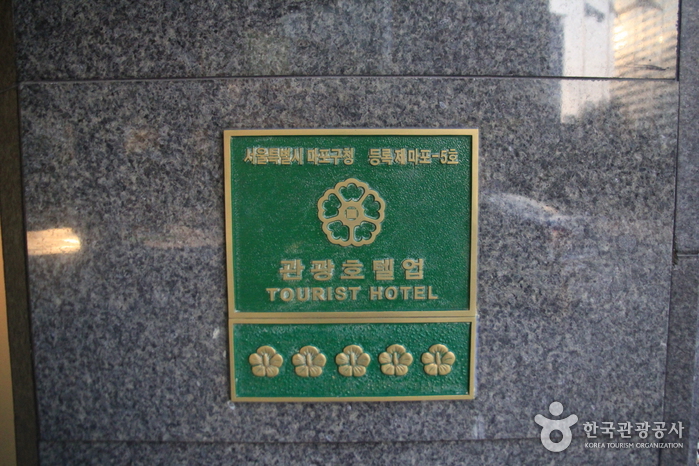
Lotte City Hotel Mapo is a premium business hotel that opened on March 10, 2009. Conveniently located near Myeongdong, Seoul Station, Hongdae, and Yeouido, it has easy access to public transportation including the airport railroad to Incheon International Airport and Gimpo Airport. The hotel provides 5-star hotel facilities at reasonable prices. The 284 guestrooms include 100 twin rooms, 182 double rooms, and 2 ondol rooms, while the subsidiary facilities include a swimming pool, a gym, and a business center equipped with free internet service, a fax machine, a copy machine, a printer, and stationary. The double rooms feature a spacious workplace for business travelers, while twin rooms have a luxurious and comfortable interior. The family twin rooms are for family travelers, and ondol rooms provide a chance for visitors to experience the traditional Korean lifestyle. The buffet-style hotel restaurant ‘Naru’ features an elegant ambience and fresh dishes cooked at its open kitchen.
Calle de los Anticuarios de Itaewon (이태원 앤틱 가구 거리)
3.7Km 2022-03-04
Bogwang-ro 109-1, Yongsan-gu, Seúl.
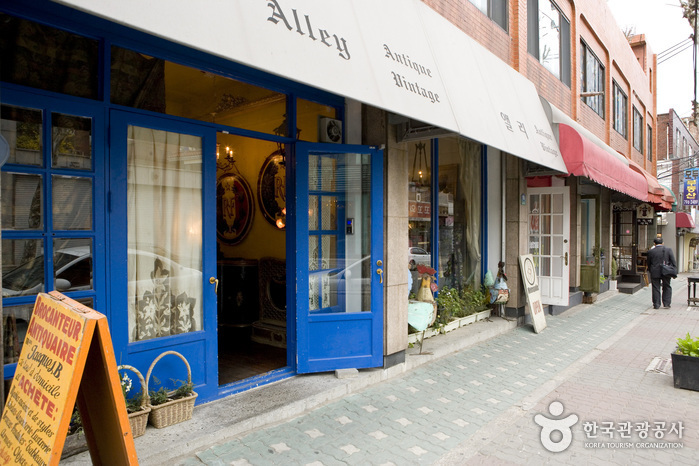
La Calle de los Anticuarios se creó en 1960 cuando los soldados norteamericanos se ubicaron en Yongsan y vendían sus muebles antes de regresar a su país. Con el paso de los años, el área ha crecido y los compradores pueden encontrar piezas de cualquier parte del mundo. Junto con los muebles, hay una gran selección de relojes de pared, objetos de diseño interior, entre otros que no están disponibles en otros lugares.
Templo Gilsangsa en Seúl (길상사(서울))
3.9Km 2025-04-02
Seonjam-ro 5-gil 68, Seongbuk-gu, Seúl
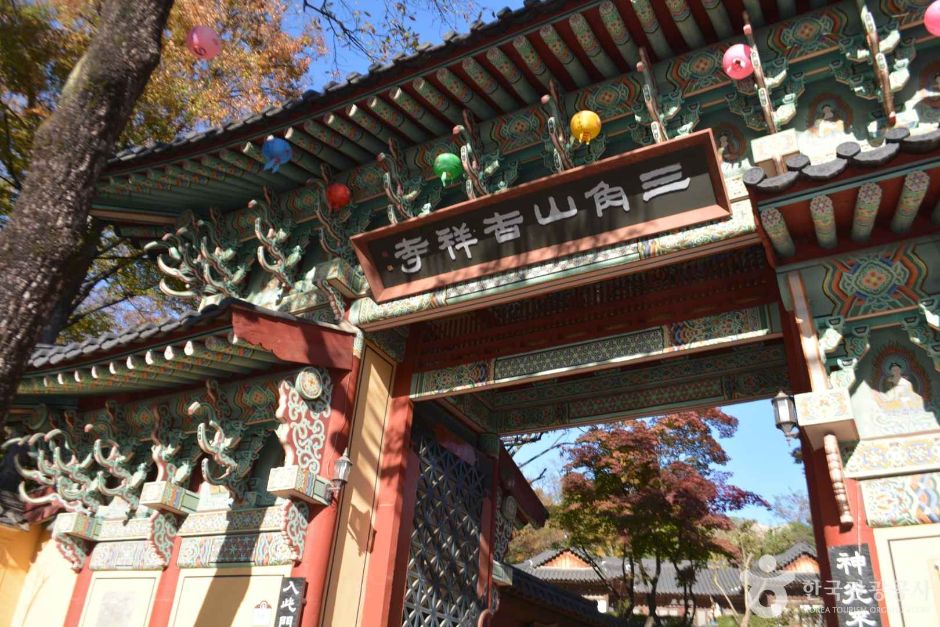
El templo Gilsangsa está situado en el distrito de Seongbuk-dong, del norte de Seúl. Fue construido en el recinto del famoso restaurante Daewongak, cuya dueña donó la propiedad al venerable monje Bupjeong (1932-2010), que fue la persona que transformó el lugar en este templo inaugurado en 1997. Aunque Gilsangsa tiene una historia relativamente corta, está muy bien situado en el centro de Seúl, por lo que atrae muchos visitantes tanto nacionales como extranjeros. El templo también sirve como lugar cultural, ya que ofrece diversos programas como enseñanzas budistas, y estancia en templo. Las construcciones Gilsang Seonwon (centro zen) y la Casa el Silencio están dedicadas a la meditación. Gilsang Seonwon ofrece habitaciones para que mediten budistas con experiencias, mientras que la Casa del Silencio está abierta al público en general. Gilsangsa también tiene una sede en París.
Museo del Mueble de Corea (한국가구박물관)
3.9Km 2024-07-29
Daesagwan-ro 121, Seongbuk-gu, Seúl
Ubicado en una colina en el barrio de Seongbuk-dong, en Seúl, el museo brinda la oportunidad de apreciar los muebles tradicionales coreanos. El mobiliario del museo se expone según diferentes temáticas como su ubicación inicial en la casa, sus materiales de fabricación o su región de origen. El museo posee un total de diez casas tradicionales que han sido trasladadas allí y restauradas durante quince años. Se puede apreciar con naturalidad el ambiente residencial en la antigua Corea a través de la decoración interior, los murales con motivos florales tradicionales, las chimeneas y los patios, entre otros. Solo se puede acceder al museo con reserva, y se tarda aproximadamente una hora en recorrerlo en compañía de un guía. Este último le proporcionará diversa información y anécdotas sobre el mobiliario tradicional y la cultura de la vivienda en armonía con la naturaleza en Corea. Además, se pueden ver diferentes cuencos y vasijas antiguas que decoran los ambientes. La aparición de BTS en el programa de televisión coreano “You Quiz on the Block” permitió mostrar el Museo del Mueble de Corea. Además del grupo, el lugar ha recibido la visita de diferentes personalidades internacionales como el presidente de China, Xi Jinping, el actor Brad Pitt y la presentadora de televisión Martha Stewart, entre otros.
Wan Chai (완차이)
4.1Km 2026-01-05
50-7, Myeongmul-gil, Seodaemun-gu, Seoul
Wan Chai is a Chinese restaurant with a name meaning "spicy," and is a must-visit for those who love spicy food. Rather than the original spicy Chinese Sichuan cuisine, a small amount of Korean spices have been added to create even better tasting dishes. The most popular item on the menu is a large plate of reddened mussels known as the Extra Spicy Stir-fried Mussels. The dish is a mixture of spicy red peppers, garlic, and spicy sauce, stir-fried to perfection. Many customers also come in for the gul jjamppong (spicy noodle soup with oysters). Even the jajangmyeon (noodles in black bean sauce) tastes great here, with clean-tasting black soy bean sauce. Finally, for dessert, lychee is served, a unique treat to finish off a meal at Wan Chai.
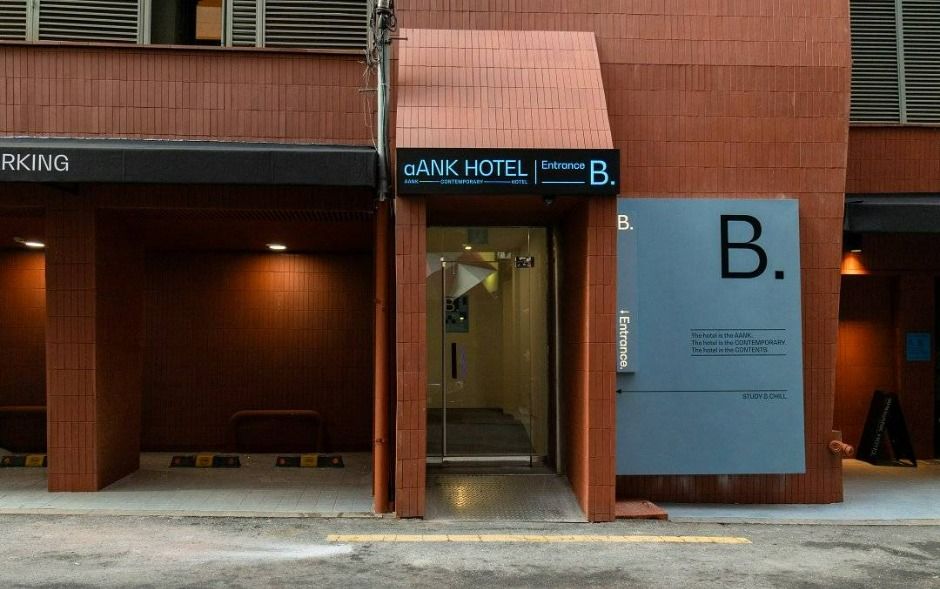
The Hyoosik Aank Hotel Sinchon (더휴식 아늑호텔 신촌점)
4.1Km 2025-04-11
49, Yonsei-ro 2-gil, Seodaemun-gu, Seoul
The Hyoosik Aank Hotel Sinchon welcomes guests with a neat and modern atmosphere. Each room is tailored to suit every guest's need with comfort as the main priority. The hotel's room types include a standard room, music room, multi-room equipped with Playstation 4, PC room, creative illust room equipped with a drawing tablet, creative piano room, and a business room. The hotel also has a parking lot, guest lounge, coin laundry, and a ping pong table.
 Español
 한국어
한국어 English
 日本語
日本語 中文(简体)
 Deutsch
 Français
 Русский


