
Sarangchae (사랑채)
2.0Km 2025-05-14
6, Insadong 16-gil, Jongno-gu, Seoul
Sarangchae is located in Insa-dong, one of the most famous neighborhoods visited by tourists. Majority of the restaurant's customers are foreigners, and they offer reasonably priced Korean dishes that are highly popular among foreign visitors.
Casa de Corea (Korea House) (한국의집)
2.0Km 2025-08-07
Toegye-ro 36-gil 10, Jung-gu, Seúl
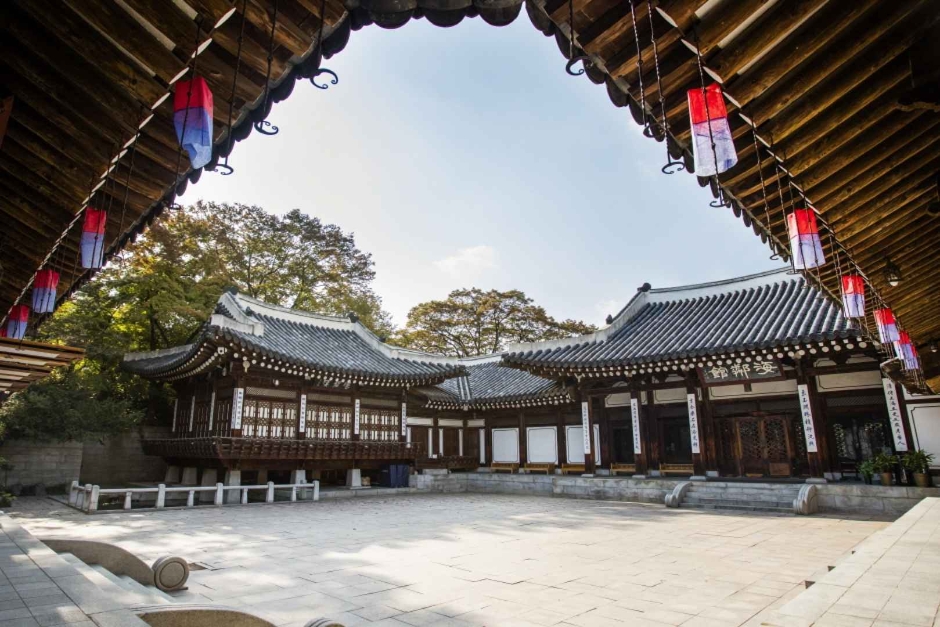
La Casa de Corea fue inaugurada en 1981. Se trata de un edificio tradicional que presenta la cultura y estilo de vida de los coreanos, donde usted también podrá tener una experiencia personal en la tradicional arquitectura y el clásico ambiente.
El edificio fue levantado después de la construcción del pabellón Jagyeongjeon del palacio Gyeongbokgung de la dinastía Joseon. Es el único edificio construido según el estilo arquitectónico tradicional. Se encuentra dividido en Haeringwan (el sector donde la gente del mundo entabla amistad), el teatro folclórico, y tres edificios anexos (Munhyangnu, Nogeumjeong y Cheongujeong). Dentro de Haeringwan usted podrá disfrutar de la música tradicional en Garakdang, y en Sohwadang, probar comidas tradicionales. Especialmente, en el patio de Garakdang podrá observar las ceremonias de boda tradicional o a la gente practicando juegos tradicionales.
Si visita la Casa de Corea un fin de semana, podrá presenciar la ceremonia nupcial tradicional. También, el Teatro Folclórico dispone de unos 100 asientos para recibir al público, y por las tardes, los Patrimonios Culturales Humanos o miembros del Centro de Artes Tradicionales Interpretativas y miembros del Cuerpo Nacional de Danza ejecutan música tradicional e interpretan danzas tradicionales. Sinawi, Salpuri, Pansori, la danza del tambor y la Danza de Máscaras de Bongsan son los programas más populares entre los extranjeros. Todos los programas llevan explicaciones hechas en inglés y japonés. En la Tienda de Presentes Culturales podrá ver diversas obras de artesanía hechas por los maestros de artesanía tradicional, las cuales están a la venta. Hay vajilla de barro, cerámicas, orfebrerías, nudos y bordados, de entre unas 500 piezas de trabajos artísticos hechas por maestros artesanos de 20 diferentes especialidades. Al lado de la Casa de Corea se sitúa la Aldea Tradicional Coreana Namsangol, y allí podrá contemplar también las casas tradicionales coreanas.
Korea House (한국의집)
2.0Km 2025-08-07
10, Toegye-ro 36-gil, Jung-gu, Seoul
Located in the center of Seoul, Korea House is a must-visit tourism spot as a high-end cultural complex offering Hanjeongsik(Korean full-course meal), traditional refreshments, traditional performance arts, and traditional weddings, which make you feel the beauty of Korean culture and the taste of Korea. You can also enjoy the elegant beauty of hanok.
Barrio Seochon (서촌마을)
2.0Km 2024-04-18
Pirun-daero 45, Jongno-gu, Seúl.
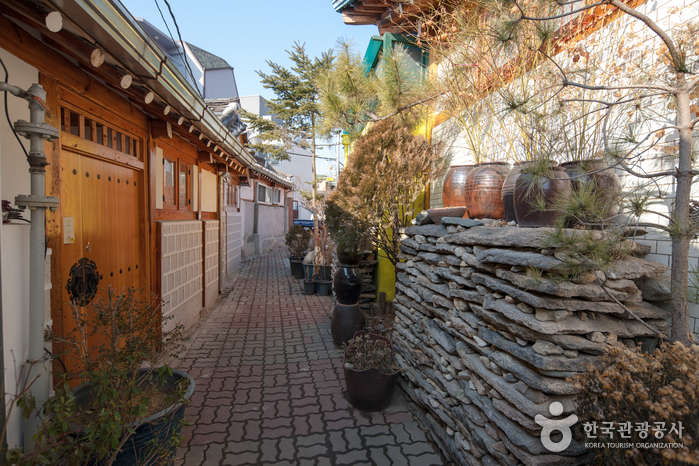
El Barrio Seochon es donde las antiguas tiendas y los hanok (casas tradicionales coreanas) dispuestos en los callejones armonizan con tiendas de reciente aparición. El barrio es una zona residencial, por lo que los visitantes pueden ver fácilmente escenas encantadoras de la vida cotidiana. Por otra parte, una amplia gama de murales y pinturas llamará su atención al caminar por las callejuelas laberínticas. El barrio es un destino ideal para la toma de fotografías, como su ambiente cálido y sencillo puede ser capturado y transmitido a través de fotos.
Parque Abierto Songhyeon (열린송현녹지광장)
2.0Km 2025-05-28
Songhyeon-dong 48-9, Jongno-gu, Seúl
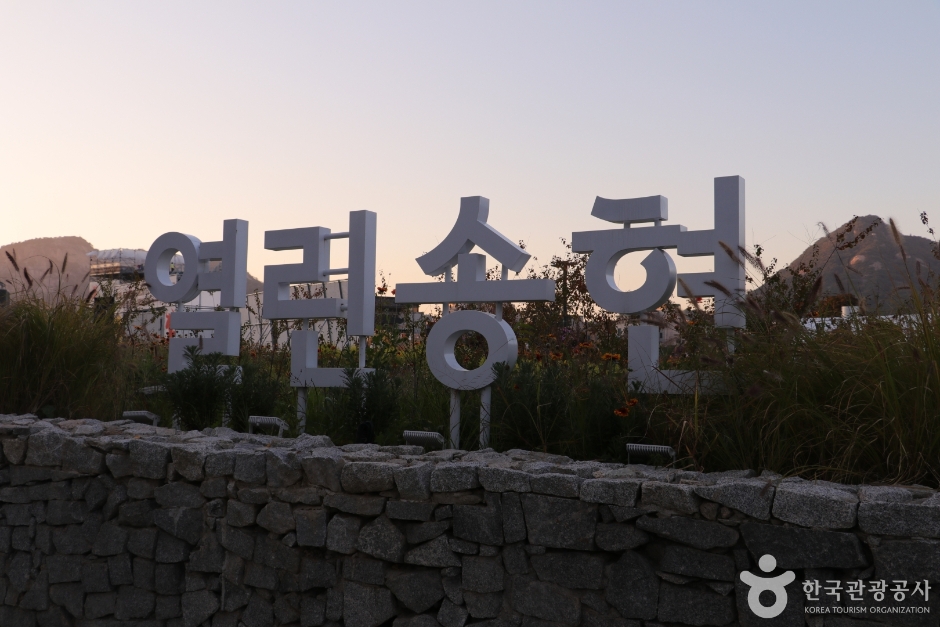
El Parque Abierto Songhyeon es un espacio verde ubicado en el barrio de Songhyeon-dong, distrito de Jongno-gu, Seúl, muy cerca del Palacio Gyeongbokgung. Durante el período de ocupación japonesa (1910-1945), el sitio se utilizó como vivienda para el Banco Shokusan, y posteriormente como cuartel militar y de la embajada estadounidense, y fue devuelto al Gobierno coreano en 1997. Tras la devolución, quedó abandonado y rodeado por un alto muro; pero en 2022, la propiedad pasó a la Corporación Nacional de Vivienda de Corea y posteriormente al Gobierno Metropolitano de Seúl, abriéndose al público como el Parque Abierto Songhyeon. El espacio, destinado ahora para el descanso y la cultura, se puede ver desde la avenida Yulgok-ro, y está decorada con flores cosmos y zinnias. Dentro del parque hay un atajo que conecta el Palacio Gyeongbokgung y el barrio de Bukchon. No muy lejos se encuentran sitios turísticos destacados como Cheong Wa Dae, la Plaza Gwanghwamun, Insadong y el barrio de Bukchon.
Sieunjae / 시은재
2.0Km 2025-08-13
439, Samil-daero, Jongno-gu, Seoul
+82-10-5355-3029
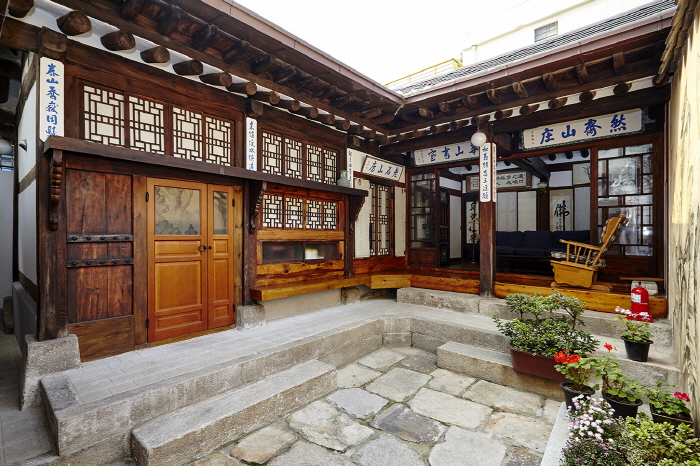
Located in Gyeongun-dong, Jongno-gu at the very heart of Seoul, Sieunjae is a hanok with a longstanding tradition. It has three guestrooms including the anbang (main room), byeolchae (detached building), and jakeunbang (small room). The anbang is the only room with a living room, where various items of old furniture, including a comfortable sofa, create an antique atmosphere. The communal bathroom and toilets are supplied with toiletries, while the communal kitchen is equipped with cooking equipment and a washing machine.
The house can be rented either as individual accommodations or in its entirety. As it is situated in Jongno-gu, at the very heart of Seoul, guests can easily reach many nearby major tourist attractions. Car users are advised to use the public parking lot as the house has no parking spaces. Entering by a small gate, the little flowerbed comes into sight. This old hanok shows traces of repair works on the tiled roof.
Nwijo (뉘조)
2.1Km 2024-11-28
27, Insadong 14-gil, Jongno-gu, Seoul
+82-2-730-9311
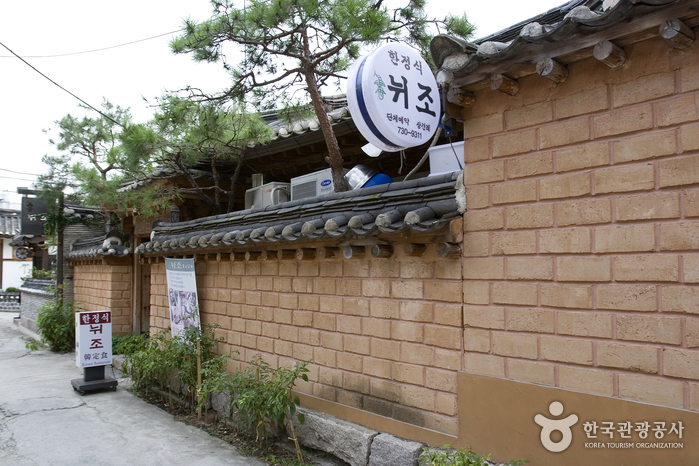
Nwijo (뉘조) is a Korean restaurant specializing in wild vegetable cuisine. The name ‘Nwijo’ means ‘the god of the silkworm,’ and likens wild vegetables to silkworms in that both can be eaten in their entirety. The restaurant serves original full-course Korean meals that are prepared using hundreds of kinds of wild vegetables, including special seasonal vegetables.
A typical full-course meal starts with delicious pumpkin porridge, followed by seasoned wild vegetables, root vegetable ssam (condiments wrapped in vegetable leaves), slices of boiled meat, and steamed lotus leaf-wrapped rice served with jjigae (Korean stew) and various side dishes. This kind of traditional feast is pleasing to both the eye and the palate and is topped off with sikhye (traditional sweet rice drink). Lunch specials are also available.
Museo de Arte Kumho (금호미술관)
2.1Km 2023-02-22
Samcheong-ro 18, Jongno-gu, Seúl.
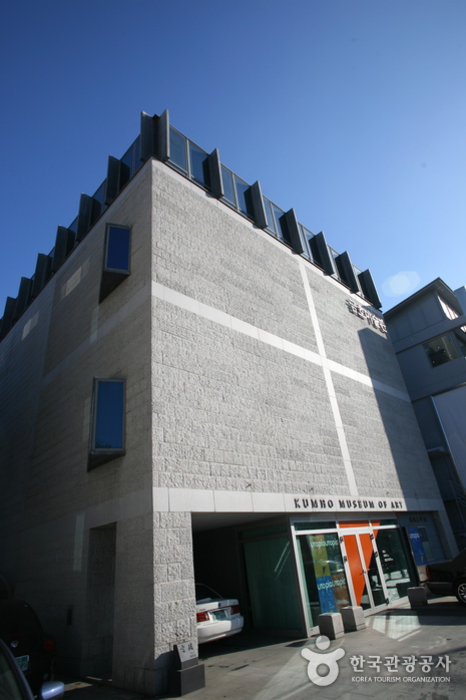
El Museo de Arte Kumho fue inaugurado el 10 de mayo de 1989, con el objetivo de proporcionar espacio para la exposición de obras de los nuevos artistas y de esta manera desarrollar, capacitar y beneficiar el sector de la cultura artística. Luego, en octubre de 1999, con la llegada de Park Gang-ja, la nueva titular del museo, se transformó en un complejo artístico y cultural.
Museo del Hanbok de Lee Rhee-za (이리자 한복전시관)
2.1Km 2022-06-30
Samcheong-ro 20, Jongno-gu, Seúl.
Este museo, en lugar de representar simplemente los hanbok (trajes tradicionales), demuestra de manera simple los ritos de paso que debe atravesar una persona, desde su nacimiento hasta la muerte, y, en su conjunto, presenta la vestimenta y sus accesorios correspondientes. Los trajes tradicionales son obra de la famosa diseñadora de hanbok Lee Rhee-za, los cuales también se pueden utilizar en la actualidad. Además de los trajes, también podrá conocer la gran variedad de accesorios y adornos tradicionales.
Of one book and stay / 일독일박
2.1Km 2025-08-11
11-1, Pirundae-ro 3-gil, Jongno-gu, Seoul
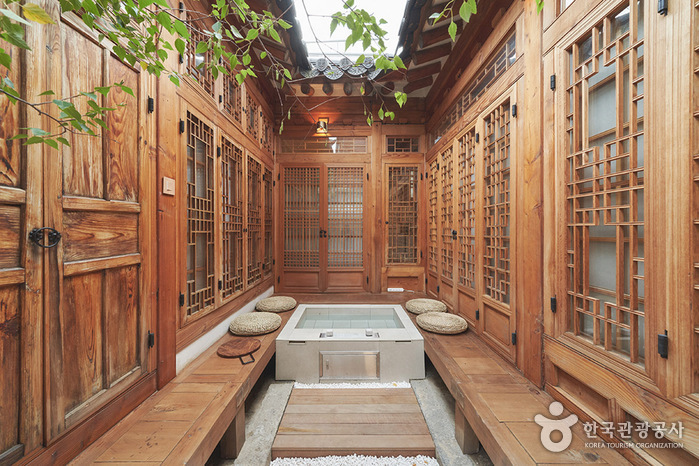
This hanok (traditional Korean house) is located in Seochon Village near Gyeongbokgung Palace. It is a modern C-shaped hanok centered around the inner courtyard, which is the first thing that the guests see after entering through the gate. While it is not expansive, white pebbles and a foot bath make this hanok a unique one. One can enjoy a foot bath while sitting on the porch.
The bedroom, which is located beyond the living room, is furnished with a queen-sized bed. Opening the screen doors brings one to the view of the kitchen area beyond the inner courtyard. A large table, plush sofa, and a small bookcase make the space ideal for books and discussions. Climbing the wooden ladder to the side of the kitchen brings one to the attic, which also doubles as a Korean-style room with a skylight. The kitchen is furnished with a refrigerator, microwave oven, gas stove, electric kettle, toaster, pots, utensils, wine glasses, and bottled water. There is a restroom with a bathtub. The standard occupancy of the house is 4 people.
 Español
 한국어
한국어 English
 日本語
日本語 中文(简体)
 Deutsch
 Français
 Русский


