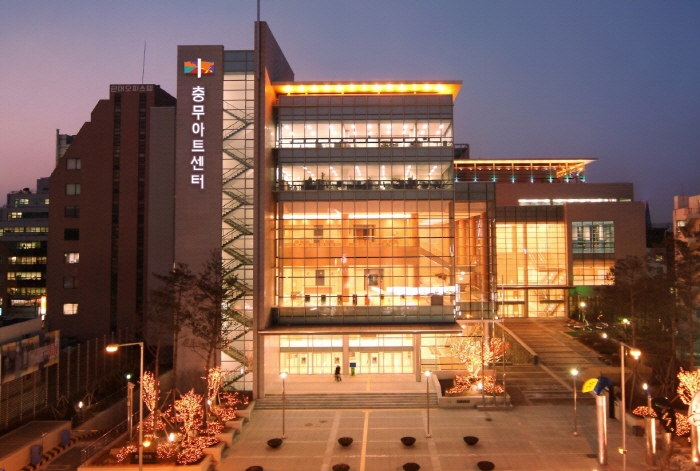
Centro de Arte Chungmu (충무아트센터)
4.3Km 2021-07-16
Toegye-ro 387, Jung-gu, Seúl
Abierto el 25 de marzo de 2005, el Centro de Arte Chungmu está situado cerca del Dongdaemun History & Culture Park. El centro, operado por la Fundación Cultural de Jung-gu, tiene un gran teatro, con espacio para 1255 personas, y otros dos más, de menor tamaño. Además, posee una galería y un centro de convenciones. La Fundación Cultural de Jung-gu ha hecho un gran esfuerzo para hacer de la zona un lugar creativo para la cultura y el arte. Los visitantes, de cualquier edad, pueden disfrutar y participar en las diferentes actividades culturales del centro.
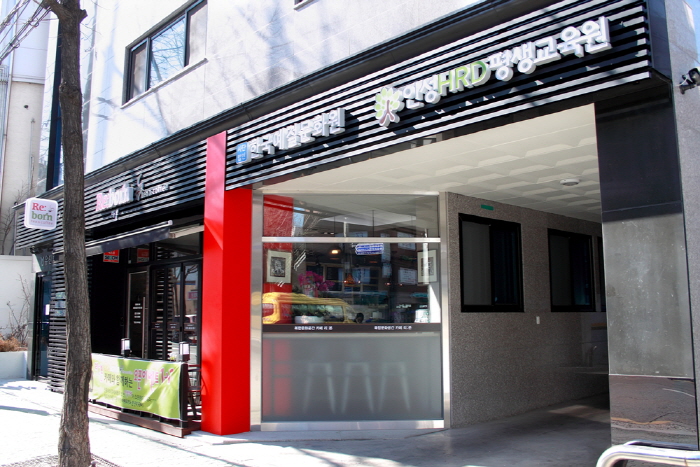
Instituto de Protocolo Coreano (한국예절문화원)
4.3Km 2022-07-04
Gahaeul-ro 4-gil 43, Seodaemun-gu, Seúl.
Este instituto está dedicado al cuidado, la investigación, el desarrollo y la transmisión del protocolo tradicional coreano. Cuenta con toda una variedad de programas educativos.
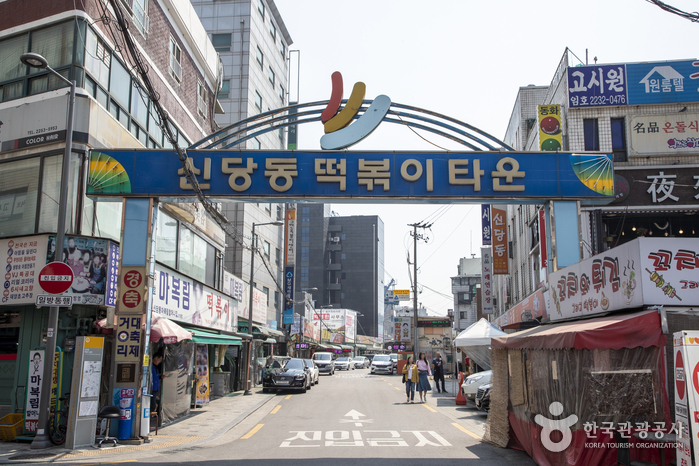
Barrio del Tteokbokki de Sindang-dong (신당동 떡볶이 골목)
4.4Km 2022-09-22
Dasan-ro 33-gil 10-18, Jung-gu, Seúl.
El Barrio del Tteokbokki de Sindang-dong se remonta a los años 70 del siglo XX, pero su mayor auge llegó en los años 80. Además de ser presentado en programas de televisión populares de la época, el período también fue marcado por los mejores tiempos del béisbol de la escuela de secundaria, donde los estudiantes se aglomeraban en las calles durante los partidos entre la Escuela Duksoo Commercial y la Escuela Sunrin Commercial (ahora Sunrin Internet). Pasados los años, los antiguos estudiantes de la escuela siguen visitando la zona para recordar su juventud y seguir comiendo el especial tteokbokki. Sin embargo, algunos dicen que la historia de este barrio empezó en los años 50. La propietaria del restaurante Mabokrim Halmeoni Tteokbokki dice que el tteokbokki se empezó a vender en el año 1953, cuando en la zona estaba el teatro Donga y ella vendía tteokbokki, maíz y patatas a los visitantes. En un principio, el tteokbokki estaba simplemente hecho de gochujang, pero se fueron añadiendo ingredientes como huevos, fideos, pasta de pescado, y más recientemente calamar, gambas y queso para darle un mejor sabor; y lo que era una simple merienda se ha convertido en un plato principal.
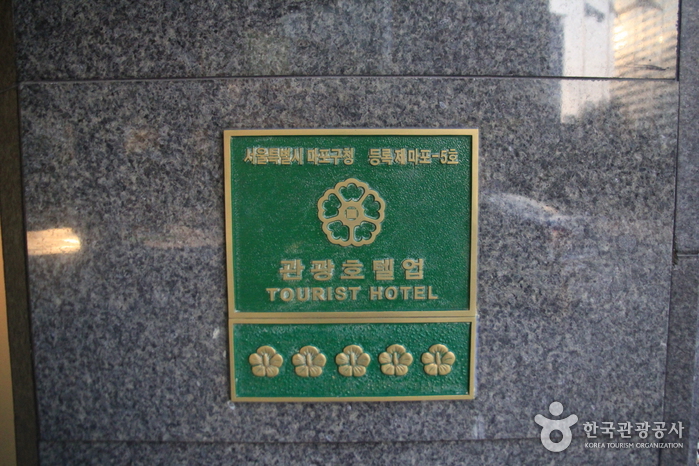
Lotte City Hotel Mapo (롯데시티호텔 마포)
4.5Km 2025-10-23
109, Mapo-daero, Mapo-gu, Seoul
Lotte City Hotel Mapo is a premium business hotel that opened on March 10, 2009. Conveniently located near Myeongdong, Seoul Station, Hongdae, and Yeouido, it has easy access to public transportation including the airport railroad to Incheon International Airport and Gimpo Airport. The hotel provides 5-star hotel facilities at reasonable prices. The 284 guestrooms include 100 twin rooms, 182 double rooms, and 2 ondol rooms, while the subsidiary facilities include a swimming pool, a gym, and a business center equipped with free internet service, a fax machine, a copy machine, a printer, and stationary. The double rooms feature a spacious workplace for business travelers, while twin rooms have a luxurious and comfortable interior. The family twin rooms are for family travelers, and ondol rooms provide a chance for visitors to experience the traditional Korean lifestyle. The buffet-style hotel restaurant ‘Naru’ features an elegant ambience and fresh dishes cooked at its open kitchen.

Universidad de Sogang (서강대학교)
4.5Km 2023-07-03
Baekbeom-ro 35, Mapo-gu, Seúl.
La Universidad de Sogang es una institución privada de Corea que fue fundada con base religiosa católica y jesuita. Las carreras profesionales presentan un currículum adaptado perfectamente a los estudiantes. En sus alrededores se encuentran la Universidad de Yonsei y la Universidad Femenina de Ehwa, y junto con ellas, esta es considerada como una de las casas de altos estudios más prestigiosas de Corea.
Geumdwaeji Sikdang (금돼지식당)
4.5Km 2024-08-08
149 Dasan-ro, Jung-gu, Seoul
Geumdwaeji Sikdang is renowned as one of the top three pork restaurants in Seoul, specializing in pork dishes. Its signature menu item is the nunkkon moksal (grilled pork shoulder), known for its marbled appearance resembling snowflakes. Bonsamgyeop (grilled bone-in pork belly) and deungmoksal (short loin and pork shoulder) are also popular choices. They offer fragrant basil wraps as a side dish, which perfectly complements the slightly grilled basil with the juicy and flavorful meat, creating a harmonious taste sensation that is considered a delicacy at this establishment.
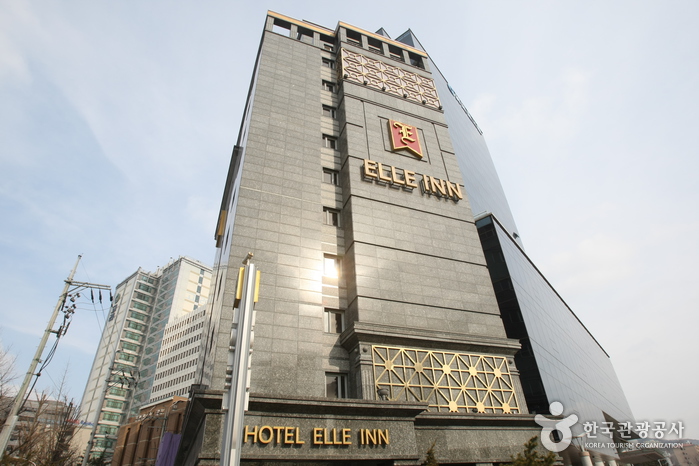
Hotel Elle Inn (엘르인호텔)
4.6Km 2025-07-17
24, Hangang-daero 71-gil, Yongsan-gu, Seoul
The Hotel Elle Inn is a top-tier business boutique hotel. It is only ten minutes away from Seoul Station and Yongsan Station, so it is a convenient choice for travelers arriving or departing by KTX trains. It is also close to subway stations Namyeong (Line 1) and Samgakji (Lines 4 and 6). The hotel features a European-style interior and various convenient facilities including a coin-operated laundry room for long-term guests, and a business center with a printer, a copy machine, and a fax machine. All guestrooms are equipped with up-to-date desktop computers with a high speed internet connection. A bar in the basement can be used for business meetings. With many tourist attractions nearby, including Myeongdong, Itaewon, Namdaemun Market, Dongdaemun Market, Yongsan Electronics Mall Complex, N Seoul Tower, the War Memorial, and the National Museum, this is a very convenient hotel for business, sightseeing, and shopping.
Templo Geumseonsa en Seúl (금선사(서울))
4.6Km 2025-08-19
Bibong-gil 137, Jongno-gu, Seúl
El monte Bukhansan, designado oficialmente como Parque Nacional, es la montaña más alta de Seúl. Amada no solo por su ubicación única, también es poseedora de grandes bellezas naturales y patrimonios culturales. También conocida como Samgaksan (monte Triángulo), tiene 3 picos principales: Baegundae (el mayor), Insubong al norte y Mangyeongdae al sur. Uno de los patrimonios culturales más apreciados es Geumseonsa, el templo budista ubicado en el camino de senderismo hacia Bibong (uno de los picos menores). El templo fue construido por el Gran Monje Jacho (de seudónimo Muhak), que vivió desde 1327 hasta 1405. Un día, cuando el monje Jacho estaba buscando un lugar adecuado para establecer la capital de la nueva dinastía Joseon, se topó con una masa de tierra y se sintió invadido de una energía misteriosa y sagrada. Reconociendo que la tierra estaba llena de energía del mismo Buda, el monje estableció el templo Geumseonsa. Incluso hoy, este lugar es conocido como fuente de mitos y leyendas. Una de las más famosas habla del monje Nongsan, que se ejercitó y meditó en Geumseonsa y luego reencarnó como el rey Sunjo de la dinastía Joseon.
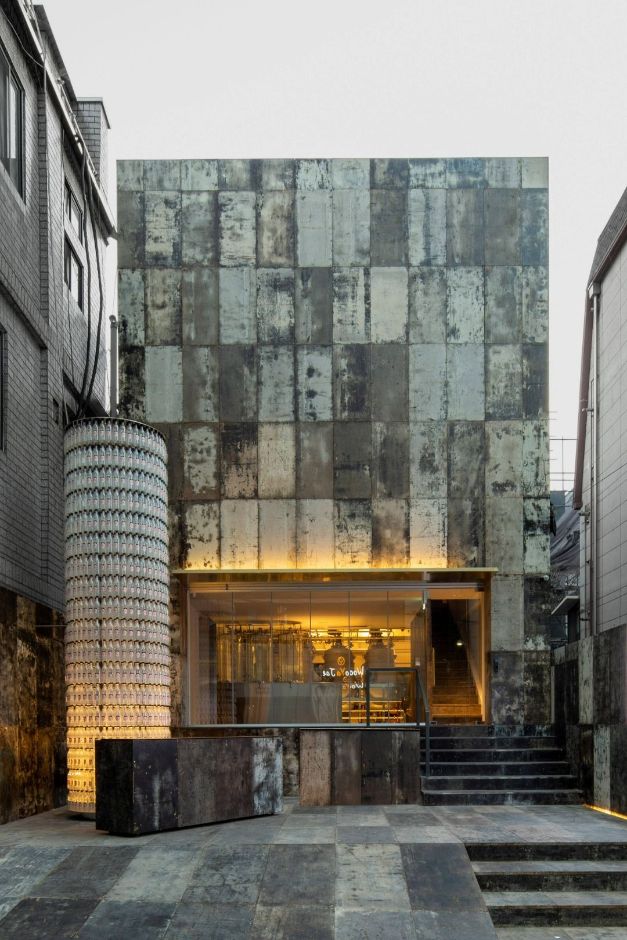
Destilería Chunpoong (춘풍양조장)
4.6Km 2025-01-22
Dasan-ro 101-3, Jung-gu, Seúl
La Destilería Chunpoong produce makgeolli (licor de arroz sin refinar tradicional de Corea) y ofrece tours y degustaciones que tienen como propósito la difusión y conservación del valor cultural de las bebidas alcohólicas características de Corea. Las degustaciones también incluyen comidas que suelen acompañar el makgeolli como los crepes coreanos jeon. Además, hay una galería que muestra el patrimonio cultural de Corea.
Calle de los Libros de la Línea Gyeongui (경의선책거리)
4.7Km 2023-02-22
Wausan-ro 37-gil 35, Mapo-gu, Seúl
La Calle de los Libros de la Línea Gyeongui ha sido instalada a lo largo de dicha línea férrea antigua, cerca de la zona de Hongdae. La calle abarca numerosos espacios culturales, donde los caminantes pueden disfrutar de una vida sana a través de los libros y la literatura.
 Español
 한국어
한국어 English
 日本語
日本語 中文(简体)
 Deutsch
 Français
 Русский


